Saltar al contenido
MisLibrosTexto
Ad
Inglés – Séptimo Básico | Student’s Book MINEDUC – Descargar PDF · 2024
Libro de Inglés 7

MINEDUC

54/82

Protecting the Environment: Speaking and Writing Tasks

📄 ejercicios ingles 🎓 otro · 7° BASICA Chile 🇨🇱 CL 🗣 Español
Página 54
54 de 82
Página 54 de Inglés – Séptimo Básico | Student’s Book MINEDUC – Descargar PDF · 2024
Anterior Página 54 / 82 Siguiente

Respuesta rápida

  1. Tabla: aire → humo de fábricas/autos, CO₂, quema de basura; agua → derrames de petróleo, desechos industriales, plásticos. 2. Respuestas orales personales. Writing: soluciones con could (transporte público, filtros, reciclaje, más basureros, ahorro de agua).
📚 exercise ingles ⭐⭐ Dificultad 2/5 ⏱ 6 min lectura

Solución — Página 54

Inglés – Séptimo Básico | Student’s Book MINEDUC – Descargar PDF · 2024

1
Ejercicio 1

(Speaking Task)

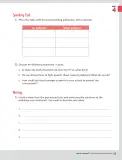
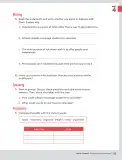
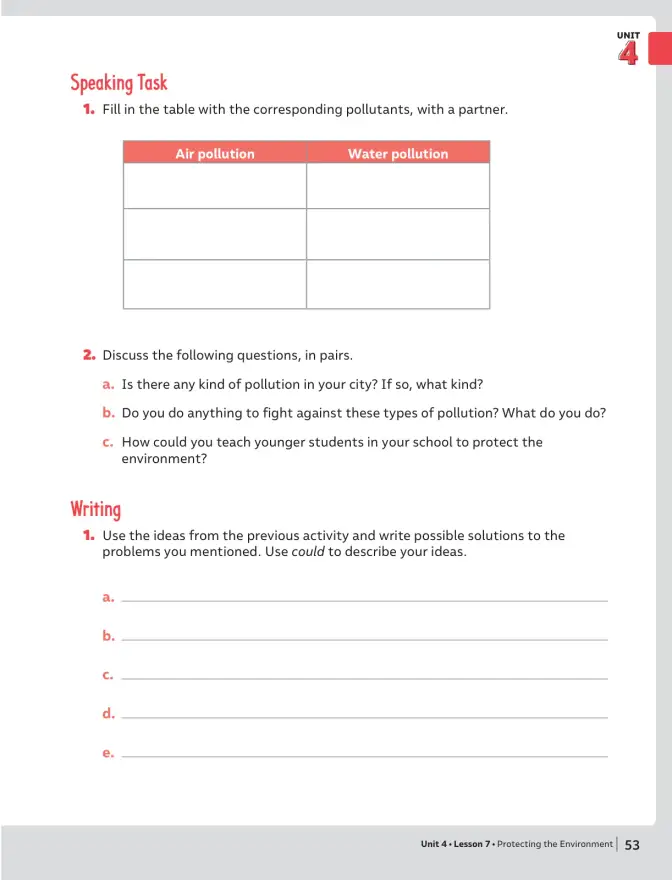
Fill in the table with the corresponding pollutants, with a partner. / Completa la tabla con los contaminantes correspondientes, con un compañero.

  1. Identifico el tipo de contaminación de cada columna: Air pollution (contaminación del aire) y Water pollution (contaminación del agua).
  2. Clasifico los contaminantes según el medio que afectan.
  3. Completo la tabla con tres ejemplos por columna.
Respuesta
Air pollution Water pollution
Smoke from factories and cars (humo de fábricas y autos) Oil spills (derrames de petróleo)
Carbon dioxide and greenhouse gases (dióxido de carbono y gases de efecto invernadero) Industrial waste dumped into rivers (desechos industriales en ríos)
Burning of garbage and forest fires (quema de basura e incendios forestales) Plastic bags and bottles in the ocean (bolsas y botellas plásticas en el océano)
2
Ejercicio 2

(Speaking Task)

Discuss the following questions, in pairs. / Discutan las siguientes preguntas en parejas.

a
Parte 2.a

Is there any kind of pollution in your city? If so, what kind?

  1. Pienso en mi ciudad y en los problemas ambientales que observo.
  2. Menciono el tipo de contaminación y una causa concreta.

Respuesta orientativa: Yes, there is. In my city there is air pollution because of the smoke from cars and buses, and there is also water pollution in the river because people throw rubbish into it.

b
Parte 2.b

Do you do anything to fight against these types of pollution? What do you do?

  1. Reflexiono sobre mis hábitos diarios.
  2. Uso el presente simple para describir acciones concretas.

Respuesta orientativa: Yes, I do. I recycle paper and plastic at home, I use my bike instead of asking for a car ride, and I never throw rubbish on the street or in the river.

c
Parte 2.c

How could you teach younger students in your school to protect the environment?

  1. Pienso en estrategias adecuadas para niños pequeños.
  2. Uso could para proponer ideas.

Respuesta orientativa: I could make colourful posters about recycling and put them in the school corridors. I could also organise a short play or a game about saving water, because younger students learn better when they play.

1
Ejercicio 1

(Writing)

Use the ideas from the previous activity and write possible solutions to the problems you mentioned. Use could to describe your ideas. / Usa las ideas de la actividad anterior y escribe posibles soluciones a los problemas que mencionaste. Usa could para describir tus ideas.

  1. Recuerdo los problemas de contaminación mencionados en la actividad oral.
  2. Para cada problema, propongo una solución con la estructura could + verbo en infinitivo.
  3. Escribo una oración completa por cada literal.

Respuesta:

a
Parte 1.a

People could use public transport or share cars to reduce the smoke from vehicles.

b
Parte 1.b

Factories could install filters to stop sending dirty smoke into the air.

c
Parte 1.c

We could organise a school campaign to collect plastic bottles and recycle them.

d
Parte 1.d

The city could put more rubbish bins near the river so people do not throw waste into the water.

e
Parte 1.e

Students could teach their families to save water and electricity at home.

Contenido de la página

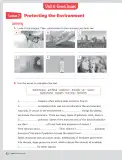
Speaking Task

1. Fill in the table with the corresponding pollutants, with a partner.

Air pollution Water pollution

2. Discuss the following questions, in pairs.

a. Is there any kind of pollution in your city? If so, what kind?

b. Do you do anything to fight against these types of pollution? What do you do?

c. How could you teach younger students in your school to protect the environment?

Writing

1. Use the ideas from the previous activity and write possible solutions to the problems you mentioned. Use could to describe your ideas.

a. ______________________________________

b. ______________________________________

c. ______________________________________

d. ______________________________________

e. ______________________________________


Unit 4 · Lesson 7 · Protecting the Environment | 53

Ejemplos resueltos

Write a possible solution using could: problem = too much smoke from cars.

People could use public transport or share cars to reduce the smoke from vehicles.

Tabla

Air pollution Water pollution
Smoke from factories and cars Oil spills
Carbon dioxide and greenhouse gases Industrial waste in rivers
Burning of garbage and forest fires Plastic bags and bottles in the ocean

Glosario (6)

pollution
Contaminación; presencia de sustancias dañinas en el ambiente.
pollutant
Contaminante; sustancia que contamina el aire, el agua o el suelo.
air pollution
Contaminación del aire.
water pollution
Contaminación del agua.
environment
Medio ambiente; entorno natural que nos rodea.
could
Modal que expresa posibilidad o sugerencia (podría/podrían).

Preguntas para practicar

Is there any kind of pollution in your city? If so, what kind?

Yes, there is air pollution from cars and buses, and water pollution in the river because people throw rubbish into it.

Do you do anything to fight against these types of pollution? What do you do?

Yes, I recycle paper and plastic, I ride my bike, and I never throw rubbish on the street.

How could you teach younger students in your school to protect the environment?

I could make colourful posters about recycling and organise a game or a short play about saving water.

Temas y conceptos clave

Contaminación del aire y del aguaDiscusión oral en parejasEscritura de soluciones con el modal couldAir pollutionWater pollutionCould for suggestionsEnvironmental protection
¿Te fue útil esta página?

Preguntas que la gente también hace

¿Cómo se dice contaminación del aire y del agua en inglés?
Consulta la solución completa arriba o explora el libro entero para temas relacionados.
¿Cómo usar el modal could para dar sugerencias en inglés?
Consulta la solución completa arriba o explora el libro entero para temas relacionados.
¿Qué tipos de contaminación existen y cómo puedo ayudar a reducirla?
Consulta la solución completa arriba o explora el libro entero para temas relacionados.
📌 Antes de leer esto
  • • Vocabulario básico sobre el medio ambiente
  • • Presente simple en inglés
  • • Uso básico de modales (can, could)
Siguiente tema sugerido
Reading comprehension: environmental problems around the world
📝 Transcripción de la página (texto seleccionable) 773 caracteres

Speaking Task

  1. Fill in the table with the corresponding pollutants, with a partner.

2.Discuss the following questions, in pairs.

a. Is there any kind of pollution in your city? If so, what kind?

b.Do you do anything to fight against these types of pollution? What do you do?

C+How could you teach younger students in your school to protect the environment?

Writing

1.Use the ideas from the previous activity and write possible solutions to the problems you mentioned. Use could to describe your ideas.

a.

b.

C.

0

e.

UNIT

4

Air pollutionWater pollution

Unit 4·Lesson 7·Protecting the Environment|

53

Ad

Otros libros recomendados

Ver todos →
Ad

Usamos cookies propias y de terceros para personalizar contenido, mostrar publicidad y analizar el tráfico. Las cookies necesarias siempre están activas.