














Saltar al contenido
MisLibrosTexto
Ad
Ingles 6° · 2024
Libro de Inglés 6 EGB

Ministerio de Educación del Ecuador

6/50

Worksheet 1: Communication and Cultural Diversity - Ways People Communicate

📄 teoria ingles 🎓 primaria · 6° EGB Ecuador 🇪🇨 EC 🗣 Español
Página 6
6 de 50
Página 6 de Ingles 6° · 2024
Anterior Página 6 / 50 Siguiente

Respuesta rápida

Talking: cara a cara, teléfono, videollamada, mensajes de voz. Signs and Faces: manos, cara, cuerpo y ojos expresan significado sin palabras.

📚 theory ingles ⭐ Dificultad 1/5 ⏱ 3 min lectura

Solución — Página 6

Ingles 6° · 2024

1
Ejercicio 1

Contenido de la página (Worksheet 1: Communication and Cultural Awareness)

La página establece los objetivos curriculares y explica formas en que las personas se comunican.

Objetivos y descriptores

Campo Contenido
General objective Understand means of communication and use a range of resources for both spoken and written interaction, enabling effective interpersonal communication.
Learning objective Students will develop an awareness of diverse communication methods and employ both oral and written resources to engage with others effectively.
Descriptor Understand and use different ways to communicate ideas while promoting a sense of appreciation for diverse methods of expressing thoughts and feelings.
Performance indicators Learners can use basic written and spoken ways to communicate. Learners recognize different ways of expression.

Title: Cultural Diversity — Ways people communicate

1
Ejercicio 1

Talking:** This is when you speak with others. You can talk face-to-face, on the phone, through video calls, or by leaving voice messages.

Traducción: Hablar es cuando hablas con otras personas. Puedes hacerlo cara a cara, por teléfono, por videollamadas o dejando mensajes de voz.

Formas de talking:

  1. Face-to-face (cara a cara).
  2. On the phone (por teléfono).
  3. Through video calls (por videollamadas).
  4. Leaving voice messages (mensajes de voz).
2
Ejercicio 2

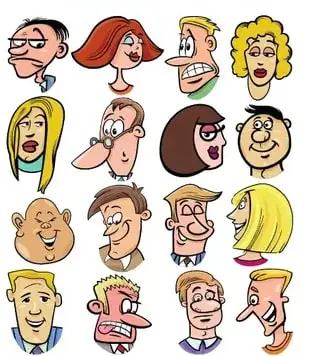
Signs and Faces:** Sometimes you don't need words to talk. You can use your hands, face, body, and eyes to show what you mean. Your expressions often say a lot!

Traducción: A veces no necesitas palabras. Puedes usar tus manos, cara, cuerpo y ojos para mostrar lo que quieres decir. ¡Tus expresiones dicen mucho!

Recursos no verbales:

  1. Hands (manos): gestos.
  2. Face (cara): expresiones faciales.
  3. Body (cuerpo): lenguaje corporal.
  4. Eyes (ojos): miradas.

Respuesta orientativa (síntesis): La comunicación incluye medios verbales (talking: cara a cara, teléfono, video, mensajes de voz) y no verbales (signs and faces: manos, cara, cuerpo y ojos). Ambos son esenciales para la diversidad cultural, ya que expresan ideas y sentimientos sin depender solo de las palabras.

Contenido de la página

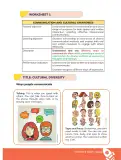
WORKSHEET 1

COMMUNICATION AND CULTURAL AWARENESS

Campo Descripción
General objective Understand means of communication and use a range of resources for both spoken and written interaction, enabling effective interpersonal communication.
Learning objective Students will develop an awareness of diverse communication methods and employ both oral and written resources to engage with others effectively.
Descriptor Understand and use different ways to communicate ideas while promoting a sense of appreciation for diverse methods of expressing thoughts and feelings.
Performance indicators Learners can use basic written and spoken ways to communicate. Learners recognize different ways of expression.

TITLE: CULTURAL DIVERSITY

Ways people communicate

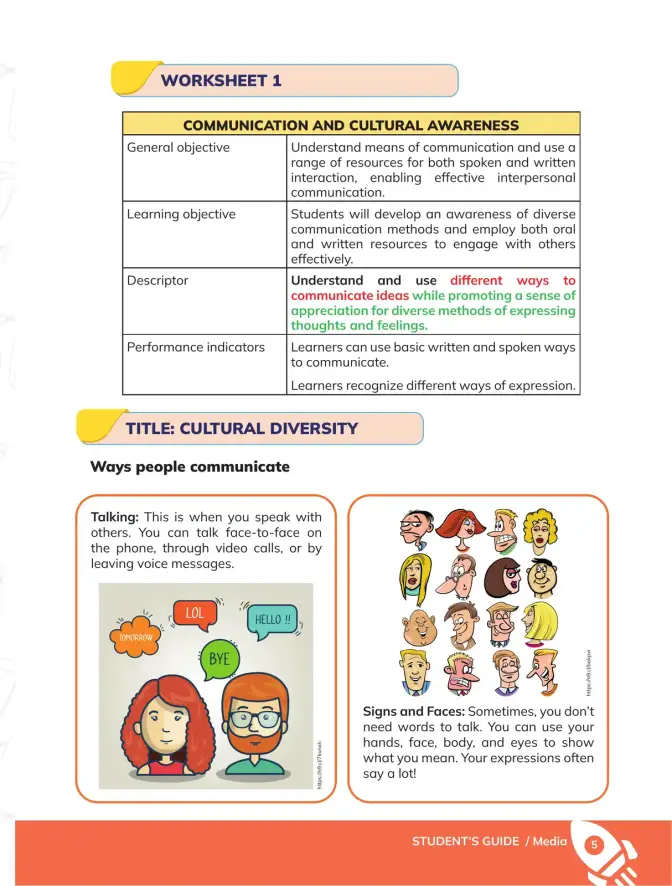
Talking: This is when you speak with others. You can talk face-to-face, on the phone, through video calls, or by leaving voice messages.

Signs and Faces: Sometimes, you don't need words to talk. You can use your hands, face, body, and eyes to show what you mean. Your expressions often say a lot!

STUDENT'S GUIDE / Media — página 5

Ejemplos resueltos

Identifica si cada ejemplo es verbal (talking) o no verbal (signs and faces): a) Enviar un mensaje de voz; b) Guiñar un ojo; c) Hablar por videollamada; d) Cruzar los brazos.

a) Talking (verbal); b) Signs and Faces (no verbal); c) Talking (verbal); d) Signs and Faces (no verbal, lenguaje corporal).

Tabla

Campo Contenido
General objective Understand means of communication and use a range of resources for both spoken and written interaction.
Learning objective Students will develop an awareness of diverse communication methods.
Descriptor Understand and use different ways to communicate ideas while promoting appreciation for diverse methods.
Performance indicators Learners can use basic written and spoken ways to communicate; recognize different ways of expression.

Diagrama

mindmap
  root((Ways people communicate))
    Talking
      Face-to-face
      On the phone
      Video calls
      Voice messages
    Signs and Faces
      Hands
      Face
      Body
      Eyes

Glosario (5)

Talking
Hablar; comunicación oral con otras personas, cara a cara, por teléfono, video o mensajes de voz.
Signs and Faces
Señas y expresiones faciales; comunicación no verbal con manos, cara, cuerpo y ojos.
Face-to-face
Cara a cara; conversación en persona.
Voice messages
Mensajes de voz; grabaciones de audio enviadas a otra persona.
Expressions
Expresiones; gestos faciales o corporales que transmiten emociones.

Preguntas para practicar

Why are both verbal and non-verbal ways of communication important in a culturally diverse world?

Both are important because people come from different cultures and languages; non-verbal cues (hands, face, body, eyes) help convey meaning when words are not shared, fostering understanding and respect among diverse groups.

Which way of talking do you use most often and why?

Respuesta orientativa del estudiante, por ejemplo: uso mucho las videollamadas porque me permito ver y hablar con mi familia que vive lejos.

Temas y conceptos clave

Communication and Cultural AwarenessCultural DiversityWays people communicateTalkingSigns and Facesmeans of communicationspoken interactionwritten interactionnon-verbal communicationfacial expressionsbody language

Fuentes y referencias

  • https://h9.cl/7kvnxh
  • https://n9.cl/bokpvr
¿Te fue útil esta página?

Figuras de la página (2)

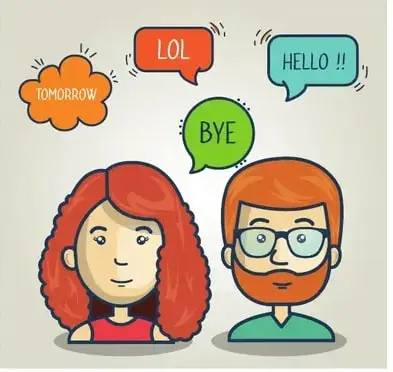
Ilustración de una mujer y un hombre con globos de diálogo (TOMORROW, LOL, HELLO!!, BYE) que representan el talking.
Figura 1 image
Figura 2 de Ingles 6° · 2024
Figura 2 image

Preguntas que la gente también hace

¿Qué diferencia hay entre talking y signs and faces?
Consulta la solución completa arriba o explora el libro entero para temas relacionados.
¿Cuáles son las cuatro formas de talking mencionadas en el texto?
Consulta la solución completa arriba o explora el libro entero para temas relacionados.
¿Por qué las expresiones faciales son importantes para comunicar?
Consulta la solución completa arriba o explora el libro entero para temas relacionados.
📌 Antes de leer esto
  • • Vocabulario básico en inglés (greetings, verbos simples)
  • • Comprensión de lectura en inglés a nivel elemental
Siguiente tema sugerido
Más formas de comunicación: escritura, mensajes de texto y redes sociales (pág. 7)
📝 Transcripción de la página (texto seleccionable) 1078 caracteres

/ WORKSHEET 1 )

General objective Understand means of communication and use a range of resources for both spoken and written interaction, enabling effective interpersonal communication.

Learning objective Students will develop an awareness of diverse communication methods and employ both oral and written resources to engage with others effectively.

Descriptor Understand and use different ways to communicate ideas while promoting a sense of appreciation for diverse methods of expressing thoughts and feelings.

Performance indicators Learners can use basic written and spoken ways to communicate.

Learners recognize different ways of expression.

7 time: CULTURAL DIVERSITY )

Ways people communicate

y

Talking: This is when you speak with others. You can talk face-to-face on the phone, through video calls, or by leaving voice messages.

«$

30 2e0 Sty Sees

Signs and Faces: Sometimes, you don’t need words to talk. You can use your hands, face, body, and eyes to show what you mean. Your expressions often say a lot!

Ne J)

NU In9.cU7kvnxh

STUDENTS GUIDE / Media

Ad

Páginas cercanas

Otros libros recomendados

Ver todos →
Ad

Usamos cookies propias y de terceros para personalizar contenido, mostrar publicidad y analizar el tráfico. Las cookies necesarias siempre están activas.