Ejercicio 10
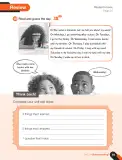
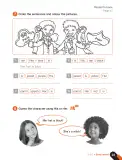
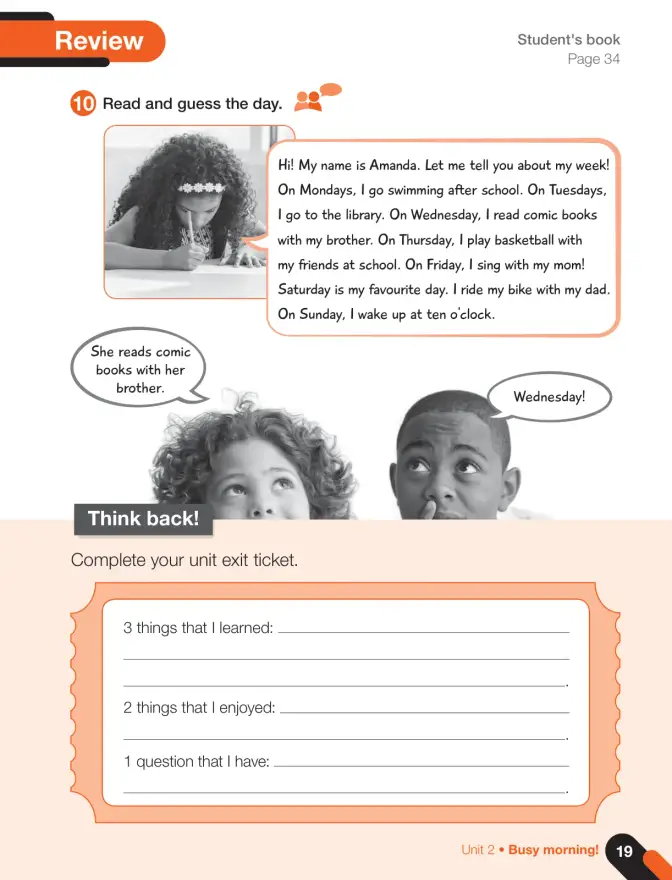
Read and guess the day. / Lee y adivina el día.
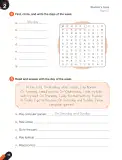
Amanda describes her weekly routine. Two classmates give clues about which day they are guessing.
- Leemos el texto de Amanda y ubicamos cada actividad con su día:
- Monday: I go swimming after school.
- Tuesday: I go to the library.
- Wednesday: I read comic books with my brother.
- Thursday: I play basketball with my friends at school.
- Friday: I sing with my mom.
- Saturday: I ride my bike with my dad.
- Sunday: I wake up at ten o'clock.
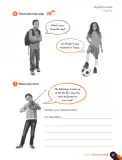
- La niña dice: "She reads comic books with her brother." Buscamos esa actividad en el texto: On Wednesday, I read comic books with my brother.
- El niño responde: "Wednesday!" Confirmamos que la respuesta es correcta.
Think back! – Unit exit ticket
Complete your unit exit ticket. / Completa tu ticket de salida de la unidad.
- Recordamos el vocabulario de la unidad: días de la semana (Monday–Sunday) y actividades cotidianas (go swimming, go to the library, read comic books, play basketball, sing, ride a bike, wake up).
- Identificamos las estructuras gramaticales practicadas: presente simple en primera persona (I go, I read, I play, I sing, I ride, I wake up) y expresiones de tiempo con on + día (On Mondays...).
- Completamos el ticket con respuestas personales y auténticas.
Respuesta orientativa (ejemplo):
- 3 things that I learned: 1) The days of the week in English. 2) How to talk about my daily routines using the present simple. 3) The expression on + day (e.g., On Monday).
- 2 things that I enjoyed: 1) Reading about Amanda's week. 2) Playing the guessing game with my classmates.
- 1 question that I have: How do I say los fines de semana in English? (On weekends).
Respuesta
Wednesday (miércoles).