Ejercicio 11
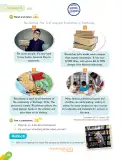
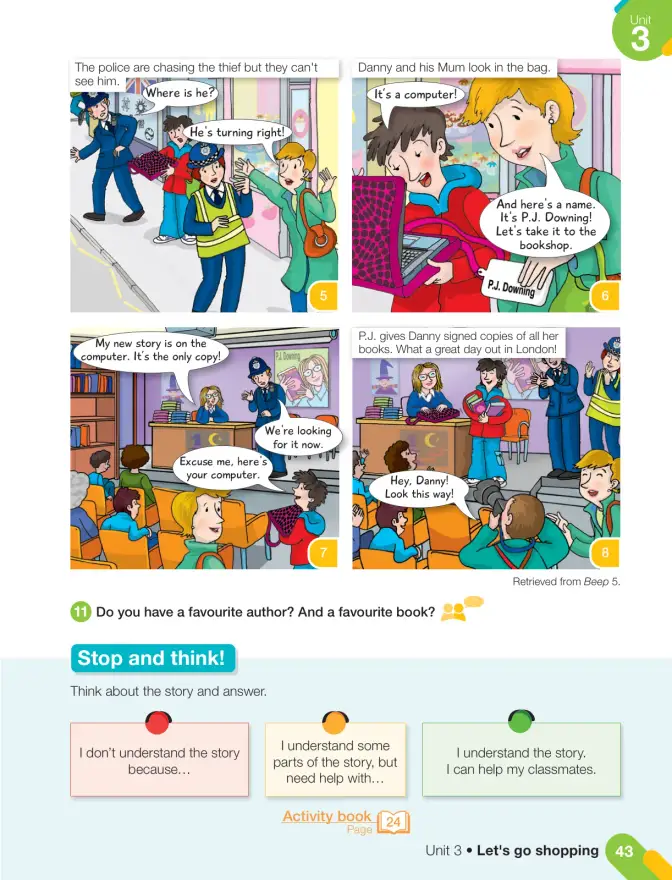
Do you have a favourite author? And a favourite book?
- La pregunta pide responder sobre gustos personales de lectura: un autor o autora favorita y un libro favorito.
- Se responde con la estructura I have... / My favourite author is... / My favourite book is....
- Ejemplo de respuesta completa: Yes, I do. My favourite author is Roald Dahl and my favourite book is Matilda.
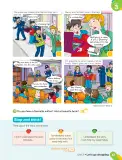
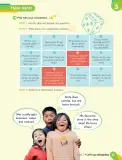
Stop and think!
Think about the story and answer.
Paso 1
I don't understand the story because...
- Se elige esta opción cuando la historieta resultó difícil.
- Se completa la razón: vocabulario nuevo, velocidad del audio o muchas viñetas.
- Ejemplo: I don't understand the story because there are many new words and the characters speak fast.
Respuesta orientativa: I don't understand the story because there are many new words and the characters speak fast.
Paso 2
I understand some parts of the story, but need help with...
- Se elige esta opción cuando se capta la idea general pero no todos los detalles.
- Se completa con lo que falta: los nombres, los lugares o los tiempos verbales.
- Ejemplo: I understand some parts of the story, but I need help with the names of the characters and the places in London.
Respuesta orientativa: I understand some parts of the story, but I need help with the names of the characters and the places in London.
Paso 3
I understand the story. I can help my classmates.
- Se elige esta opción cuando se comprende toda la historieta.
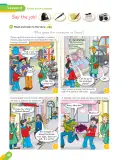
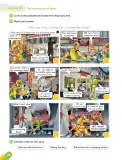
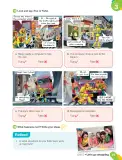
- Se puede demostrar contando el relato en orden: los policías persiguen al ladrón, Danny y su mamá encuentran el computador, van a la librería y P. J. Downing firma libros.
- Ejemplo: I understand the story. I can help my classmates. The police chase the thief, Danny finds the computer and P. J. Downing gives him signed books.
Respuesta orientativa: I understand the story. I can help my classmates. The police chase the thief, Danny finds the computer and P. J. Downing gives him signed books.
Respuesta
Yes, I do. My favourite author is Roald Dahl and my favourite book is Matilda.