Ejercicio 1
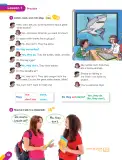
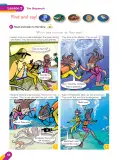
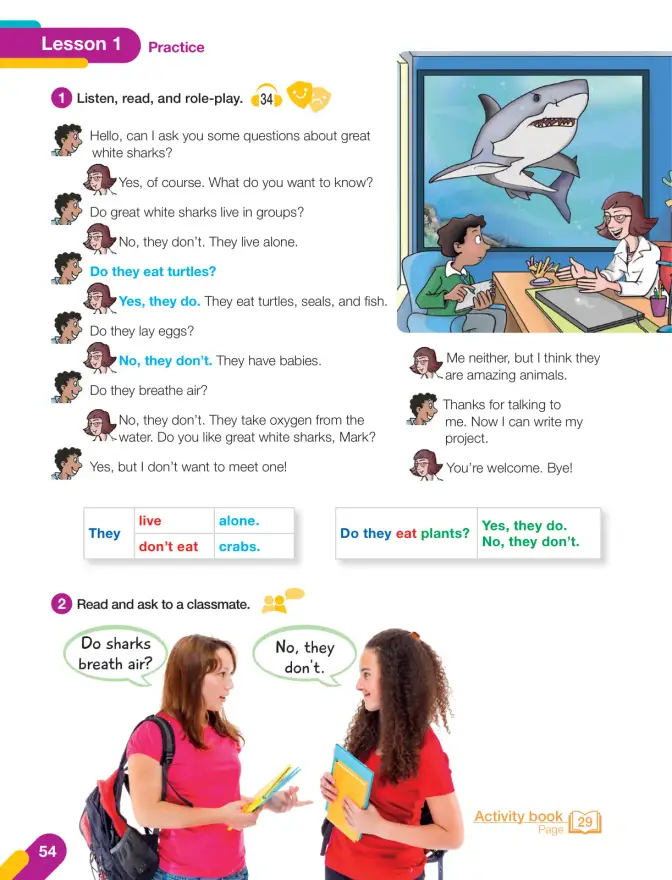
Listen, read, and role-play. (Escucha, lee y representa el diálogo.)
- El diálogo usa preguntas en presente simple con el auxiliar do para they (los tiburones).
- Estructura de pregunta: Do + they + verbo en forma base + ...?
- Estructura de respuesta corta: Yes, they do. / No, they don't.
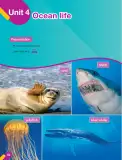
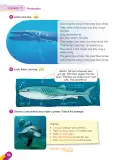
- Se practica vocabulario sobre tiburones: live in groups, eat turtles, lay eggs, breathe air, take oxygen from the water.
Respuesta: Diálogo completo (transcripción y traducción):
- Mark: Hello, can I ask you some questions about great white sharks? (Hola, ¿puedo hacerte algunas preguntas sobre los tiburones blancos?)
- Woman: Yes, of course. What do you want to know? (Sí, por supuesto. ¿Qué quieres saber?)
- Mark: Do great white sharks live in groups? (¿Los tiburones blancos viven en grupos?)
- Woman: No, they don't. They live alone. (No. Viven solos.)
- Mark: Do they eat turtles? (¿Comen tortugas?)
- Woman: Yes, they do. They eat turtles, seals, and fish. (Sí. Comen tortugas, focas y peces.)
- Mark: Do they lay eggs? (¿Ponen huevos?)
- Woman: No, they don't. They have babies. (No. Tienen crías.)
- Mark: Do they breathe air? (¿Respiran aire?)
- Woman: No, they don't. They take oxygen from the water. Do you like great white sharks, Mark? (No. Toman oxígeno del agua. ¿Te gustan los tiburones blancos, Mark?)
- Mark: Yes, but I don't want to meet one! (Sí, ¡pero no quiero encontrarme con uno!)
- Woman: Me neither, but I think they are amazing animals. (A mí tampoco, pero creo que son animales increíbles.)
- Mark: Thanks for talking to me. Now I can write my project. (Gracias por hablar conmigo. Ahora puedo escribir mi proyecto.)
- Woman: You're welcome. Bye! (De nada. ¡Adiós!)
Parte 1.a
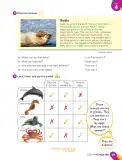
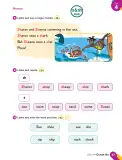
Completa las oraciones con la forma correcta según el cuadro gramatical.
- They live alone.
- They don't eat crabs.
- Do they eat plants? — Yes, they do. / No, they don't.
Respuesta
They live alone. / They don't eat crabs. / Do they eat plants? Yes, they do. No, they don't.