
















Saltar al contenido
MisLibrosTexto
Ad
Ingles · 10 EGB · 2024
Libro de Inglés 10 EGB

Ministerio de Educación del Ecuador

7/50

Title: Unlocking the Power of Nonverbal Communication - A Cross-Cultural Guide

📄 teoria ingles 🎓 secundaria · 10° EGB Ecuador 🇪🇨 EC 🗣 Español
Página 7
7 de 50
Página 7 de Ingles · 10 EGB · 2024
Anterior Página 7 / 50 Siguiente
📚 theory ingles ⭐⭐ Dificultad 2/5 ⏱ 1 min lectura

Solución — Página 7

Ingles · 10 EGB · 2024

1
Ejercicio 1

TITLE

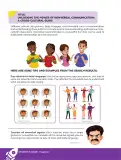
UNLOCKING THE POWER OF NONVERBAL COMMUNICATION: A CROSS-CULTURAL GUIDE

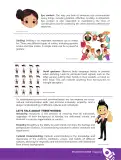
Different cultures use gestures, body language, and nonverbal cues in communication, and understanding these patterns can help avoid misunderstandings and improve cross-cultural interactions. Nonverbal communication is a powerful tool that can be used to build better relationships at home and work.

HERE ARE SOME TIPS AND EXAMPLES FROM THE SEARCH RESULTS:

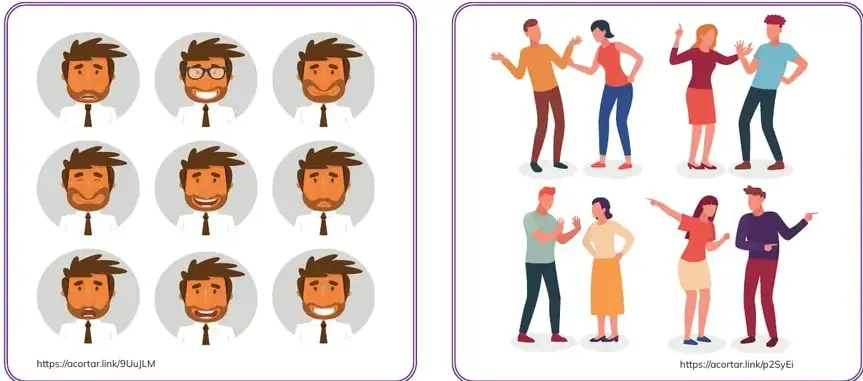
Pay attention to body language: Your facial expressions, gestures, posture, and tone of voice are powerful communication tools. Pay attention to nonverbal cues to understand what someone is really saying.

Consider all nonverbal signals: Don't read too much into a single gesture or nonverbal cue. Consider all the nonverbal signals you are receiving, from eye contact to tone of voice and body language.

Preguntas abiertas

1
Ejercicio 1

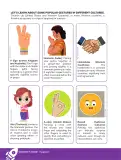
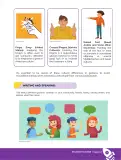
** ¿Por qué un mismo gesto puede tener significados distintos en culturas distintas?

Respuesta orientativa: Porque los significados de los gestos son convenciones aprendidas culturalmente, no universales; cada sociedad los carga de sentido propio.

Diagrama 1

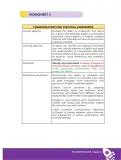
Componentes de la comunicación no verbal

mindmap
  root((Nonverbal Communication))
    Body language
      Posture
      Gestures
    Face
      Facial expressions
      Eye contact
    Voice
      Tone of voice

Glosario

  • gesture: Movimiento corporal con significado comunicativo.
  • body language: Lenguaje corporal: postura, movimientos y expresión usados para comunicar.
  • misunderstanding: Malentendido entre interlocutores.
  • posture: Postura del cuerpo.
  • tone of voice: Tono de voz: cualidad expresiva del habla.
  • eye contact: Contacto visual.

Fuentes

¿Te fue útil esta página?

Preguntas que la gente también hace

¿Por qué un mismo gesto puede tener significados distintos en culturas distintas?
Consulta la solución completa arriba o explora el libro entero para temas relacionados.
📌 Antes de leer esto
  • Ver pág. 6: Objetivos del Worksheet 1.
  • Ver pág. 8: Continuación: eye contact, smiling, hand gestures y vocabulario.
Siguiente tema sugerido
Eye contact, Smiling, Hand gestures y vocabulario clave (Inclusivity, Empathy, Cultural Understanding)
📝 Transcripción de la página (texto seleccionable) 949 caracteres

TITLE: UNLOCKING THE POWER OF NONVERBAL COMMUNICATION: A CROSS-CULTURAL GUIDE

Different cultures use gestures, body language, and nonverbal cues in communication, and understanding these patterns can help avoid misunderstandings and improve cross- cultural interactions. Nonverbal communication is a powerful tool that can be used to build better relationships at home and work.

https://acortar link/PfFc3M

HERE ARE SOME TIPS AND EXAMPLES FROM THE SEARCH RESULTS:

Pay attention to body language: Your facial expressions, gestures, posture, and tone of voice are powerful communication tools. Pay attention to nonverbal cues to understand what someone is really saying.

EA o 6 6 eos Kilt

Consider all nonverbal signals: Don't read too much into a single gesture or nonverbal cue. Consider all the nonverbal signals you are receiving, from eye contact to tone of voice and body language.
https://acortar-link/k5P7sY

O STUDENTS GUIDE / Superior

Ad

Páginas cercanas

Otros libros recomendados

Ver todos →
Ad

Usamos cookies propias y de terceros para personalizar contenido, mostrar publicidad y analizar el tráfico. Las cookies necesarias siempre están activas.