















Saltar al contenido
MisLibrosTexto
Ad
Ingles 4° · 2024
Libro de Inglés 4 EGB

Ministerio de Educación del Ecuador

6/48

Communication and Cultural Awareness: Clothing Around the World

📄 teoria ingles 🎓 primaria · 4° EGB Ecuador 🇪🇨 EC 🗣 Español
Página 6
6 de 48
Página 6 de Ingles 4° · 2024
Anterior Página 6 / 48 Siguiente

Respuesta rápida

1a) La ropa muestra el origen y gustos de las personas. 1b) En la India se usan saris, telas largas y coloridas. 1c) What: saris; Where: shows origin; Why: everyone is unique. 1d) Porque cada cultura es única y hay que respetarla.

📚 theory ingles ⭐⭐ Dificultad 2/5 ⏱ 6 min lectura

Solución — Página 6

Ingles 4° · 2024

1
Ejercicio 1

(Worksheet 1 — Communication and Cultural Awareness: leer los objetivos y la lectura "Clothing Around the World")

  1. General objective: desarrollar habilidades de comunicación y conciencia cultural mediante actividades divertidas e interactivas.
  2. Learning objective: los estudiantes reconocen y aprecian la diversidad cultural al identificar expresiones culturales, estilos de vestimenta y elementos culturales del entorno.
  3. Descriptor: identificar y describir elementos de la propia cultura y de otras culturas haciendo preguntas simples con WH- (what, where, who, when, why, how), reconociendo y aceptando la diversidad cultural.
  4. Performance indicators: los estudiantes identifican elementos y características de culturas propias y ajenas (vestimenta, vivienda, comida, etc.) y formulan/contestan preguntas simples con WH-.

1
Ejercicio 1

a — Comprender la lectura (Clothing Around the World)

Enunciado: según el texto, ¿qué muestran las ropas que usan las personas?

  1. El texto dice: "These clothes show where they come from and what they like".
  2. También indica que la ropa cuenta sobre culturas y personas: "It tells us about cultures and people".
  3. Concluimos que la vestimenta refleja el origen cultural y los gustos de las personas.
Respuesta

Las ropas muestran de dónde vienen las personas y qué les gusta; cuentan sobre sus culturas.

1
Ejercicio 1

b — La vestimenta en la India

Enunciado: ¿Qué ropa usan muchas mujeres en la India, según el texto?

  1. El texto señala: "In India, many women wear pretty saris".
  2. Define el sari: "Saris are long, colorful pieces of cloth that they wrap around themselves".
  3. Añade que vienen en muchos colores y tienen diseños interesantes.
Respuesta

Muchas mujeres indias usan saris: piezas largas y coloridas de tela que se envuelven alrededor del cuerpo, con muchos colores y diseños.

Ad
1
Ejercicio 1

c — Preguntas WH- (Descriptor)

Enunciado: formula y responde tres preguntas simples con WH- sobre la lectura.

  1. What do people wear in India? → Many women wear saris.
  2. Where do these clothes show we come from? → Our clothes show where we come from.
  3. Why should we be kind about how others dress? → Because everyone is unique and we should understand other cultures.
Respuesta
  1. What: saris in India. 2) Where: clothes show our origin. 3) Why: because everyone is unique.
1
Ejercicio 1

d — Open response (Reflexión)

Enunciado: "When we learn about clothing from around the world, we learn how everyone is unique." ¿Por qué debemos ser amables con la forma en que se visten los demás?

  1. El texto afirma que cada persona es única.
  2. Aprender sobre otras vestimentas nos ayuda a respetar la diversidad cultural.
  3. Ser amables y comprensivos promueve la aceptación de culturas diferentes.

Respuesta orientativa: Porque cada cultura es única y valiosa; respetar cómo se visten los demás nos ayuda a aceptar la diversidad y a convivir mejor con personas de diferentes países y tradiciones.

Contenido de la página

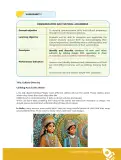
WORKSHEET 1

COMMUNICATION AND CULTURAL AWARENESS

General objective To develop communication skills and cultural awareness through fun and interactive activities.
Learning objective Students will be able to recognize and appreciate the cultural diversity around them by acknowledging their cultural expressions, identifying various clothing styles, and recognizing cultural elements in their surroundings.
Descriptor Identify and describe elements of own and other cultures by asking simple WH- questions in class recognizing and accepting cultural diversity.
Performance indicators Learners can identify elements and characteristics of their own and different cultures such as clothing, housing, food, etc. Learners can ask and answer simple WH- questions.

Title: Cultural Diversity

Clothing Around the World

Let's talk about clothing! People wear different clothes all over the world. These clothes show where they come from and what they like.

Clothing is fun and interesting. It tells us about cultures and people.

When we learn about clothing from around the world, we learn how everyone is unique. We should always be kind and understanding of how others dress.

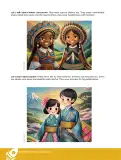
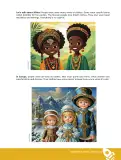
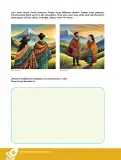
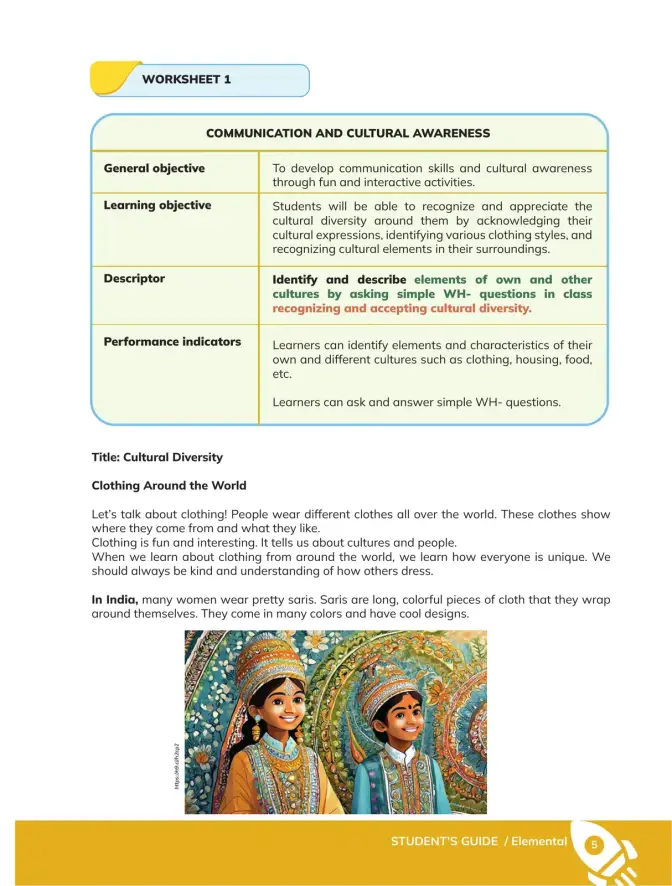
In India, many women wear pretty saris. Saris are long, colorful pieces of cloth that they wrap around themselves. They come in many colors and have cool designs.

(Imagen: una mujer y un hombre con vestimenta tradicional de la India, con saris y turbantes coloridos, rodeados de motivos decorativos.)

STUDENT'S GUIDE / Elemental — página 5

Ejemplos resueltos

Ejemplo de pregunta WH- sobre la lectura: What do many women wear in India?

Many women wear saris. Saris are long, colorful pieces of cloth that they wrap around themselves.

Tabla

Componente Contenido
General objective Develop communication skills and cultural awareness through fun and interactive activities.
Learning objective Recognize and appreciate cultural diversity through cultural expressions, clothing styles and cultural elements.
Descriptor Identify and describe elements of own and other cultures by asking simple WH- questions, recognizing and accepting cultural diversity.
Performance indicators Identify elements of own and different cultures (clothing, housing, food) and ask/answer simple WH- questions.

Glosario (6)

clothing
Vestimenta; ropa en general.
cultural diversity
Diversidad cultural; variedad de culturas en una sociedad.
cultural awareness
Conciencia cultural; reconocimiento de las propias y ajenas culturas.
sari
Prenda tradicional de la India: tela larga y colorida que se envuelve alrededor del cuerpo.
unique
Único; singular, distinto de los demás.
WH- questions
Preguntas que empiezan con what, where, who, when, why, how.

Preguntas para practicar

"When we learn about clothing from around the world, we learn how everyone is unique." ¿Por qué debemos ser amables con la forma en que se visten los demás?

Porque cada persona y cada cultura es única. Aprender sobre las vestimentas de otros países nos ayuda a respetar la diversidad cultural y a convivir de manera amable y comprensiva con personas de diferentes tradiciones.

Temas y conceptos clave

Communication and Cultural AwarenessClothing Around the WorldCultural DiversityWH- questionscultural awarenesscultural diversityclothingsariWH- questionsdescriptor de aprendizaje
¿Te fue útil esta página?

Preguntas que la gente también hace

¿Qué enseña la vestimenta sobre una cultura?
Consulta la solución completa arriba o explora el libro entero para temas relacionados.
¿Qué es un sari y cómo se usa?
Consulta la solución completa arriba o explora el libro entero para temas relacionados.
¿Cómo formular preguntas WH- en inglés de forma correcta?
Consulta la solución completa arriba o explora el libro entero para temas relacionados.
📌 Antes de leer esto
  • • Vocabulario básico de ropa (clothes)
  • • Formación de preguntas simples en inglés
  • • Conocer el concepto de cultura y diversidad
Siguiente tema sugerido
Continuar la lectura con ejemplos de vestimenta de otros países y practicar preguntas WH-
📝 Transcripción de la página (texto seleccionable) 1376 caracteres

y WORKSHEET 1 )

r COMMUNICATION AND CULTURAL AWARENESS ON

General objective To develop communication skills and cultural awareness through fun and interactive activities.

Learning objective Students will be able to recognize and appreciate the cultural diversity around them by acknowledging their cultural expressions, identifying various clothing styles, and recognizing cultural elements in their surroundings.

Descriptor Identify and describe elements of own and other cultures by asking simple WH- questions in class recognizing and accepting cultural diversity.

Performance indicators Learners can identify elements and characteristics of their

own and different cultures such as clothing, housing, food, etc.

uo Learners can ask and answer simple WH- questions.

yl

Title: Cultural Diversity Clothing Around the World

Let's talk about clothing! People wear different clothes all over the world. These clothes show where they come from and what they like.

Clothing is fun and interesting. It tells us about cultures and people.

When we learn about clothing from around the world, we learn how everyone is unique. We should always be kind and understanding of how others dress.

In India, many women wear pretty saris. Saris are long, colorful pieces of cloth that they wrap around themselves. They come in many colors and have cool designs.

https:/n9.cVh2cp2

Ad

Páginas cercanas

Otros libros recomendados

Ver todos →
Ad

Usamos cookies propias y de terceros para personalizar contenido, mostrar publicidad y analizar el tráfico. Las cookies necesarias siempre están activas.