Saltar al contenido
MisLibrosTexto
Ad
Ingles 6° · 2024
Libro de Inglés 6 EGB

Ministerio de Educación del Ecuador

19/50

Worksheet 3: Reading and Learning — Animals and Habitats

📄 teoria ingles 🎓 primaria · 6° EGB Ecuador 🇪🇨 EC 🗣 Español
Página 19
19 de 50
Página 19 de Ingles 6° · 2024
Anterior Página 19 / 50 Siguiente

Respuesta rápida

  1. Respuesta personal, ej.: león (sabana), delfín (océano), iguana (bosque), camello (desierto). 2) Hábitat = hogar con alimento, agua y refugio; bosques, océanos, desiertos, praderas; vivos: animales/plantas; no vivos: aire/rocas.
📚 theory ingles ⭐⭐ Dificultad 2/5 ⏱ 5 min lectura

Solución — Página 19

Ingles 6° · 2024

1
Ejercicio 1

Enunciado: "How many animals do you know? Do you know where they live?" (¿Cuántos animales conoces? ¿Sabes dónde viven?)

  1. Es una pregunta abierta de activación de conocimientos previos antes de leer el texto sobre hábitats.
  2. Se espera que el estudiante liste ejemplos de animales que conoce y associe cada uno a su lugar de vida (bosque, océano, desierto, pradera).
  3. Ejemplo orientativo: conozco el león, el delfín, el águila y el cangrejo; el león vive en la sabana, el delfín en el océano, el águila en las montañas y el cangrejo en la costa.

Respuesta orientativa: Respuesta personal. Ejemplo: conozco muchos animales, como el león (vive en la sabana), el delfín (vive en el océano), la iguana (vive en el bosque) y el camello (vive en el desierto); cada uno vive en un hábitat diferente que le ofrece alimento, agua y refugio.

2
Ejercicio 2

Enunciado: Comprender el texto "HABITATS": ¿qué es un hábitat y qué elementos lo forman?

  1. Según el texto, un hábitat es "like a home for animals and plants": es el lugar donde viven y que les ofrece lo necesario para sobrevivir.
  2. Lo necesario para vivir: alimento (food), agua (water) y un lugar seguro (a safe place to live).
  3. Tipos de ambientes naturales que pueden ser hábitats: bosques (forests), océanos (oceans), desiertos (deserts) y praderas (grasslands).
  4. Dentro de un hábitat hay seres vivos (living things) como los animales, y seres no vivos (non-living things) como el aire y las rocas.
  5. Todos estos elementos juntos forman un hogar perfecto para distintas criaturas ("All these together make a perfect home for different creatures").
Respuesta

Un hábitat es el hogar de animales y plantas, con alimento, agua y refugio; contiene seres vivos (animales) y no vivos (aire, rocas) en bosques, océanos, desiertos o praderas.

2
Ejercicio 2

a — Living and non-living things

  1. Living things del texto: animals (animales, plantas).
  2. Non-living things del texto: air (aire), rocks (rocas).
  3. Distinción clave: los seres vivos crecen y se alimentan; los no vivos forman parte del entorno que les da condiciones de vida.
Respuesta

Living: animals and plants. Non-living: air and rocks.

Ad
2
Ejercicio 2

b — Habitat examples

  1. El texto enumera cuatro ambientes naturales.
  2. Cada uno puede albergar diferentes criaturas según sus necesidades de agua, alimento y refugio.
Respuesta

Forests, oceans, deserts and grasslands.

3
Ejercicio 3

Descriptor de la Worksheet: "Understand, interpret, and uncover short cross-curricular texts and academic content using a variety of reading strategies while showing interest in learning."

  1. Se comprende: captar el sentido general del texto.
  2. Se interpreta: darle significado personal y conectar con conocimientos previos.
  3. Se descubre información nueva: usar estrategias de lectura (títulos, palabras clave, imágenes).
  4. Se muestra interés por aprender mientras se lee.
Respuesta

El descriptor pide comprender, interpretar y descubrir información en textos interdisciplinarios usando estrategias de lectura y mostrando interés por aprender.

Contenido de la página

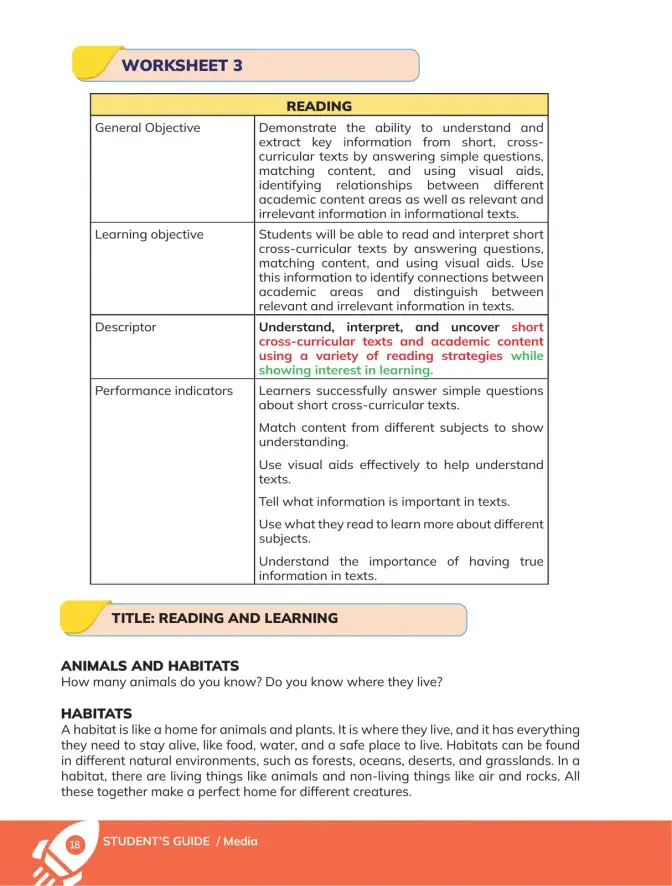
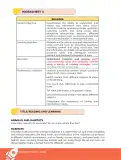
WORKSHEET 3

READING

General Objective Demonstrate the ability to understand and extract key information from short, cross-curricular texts by answering simple questions, matching content, and using visual aids, identifying relationships between different academic content areas as well as relevant and irrelevant information in informational texts.
Learning objective Students will be able to read and interpret short cross-curricular texts by answering questions, matching content, and using visual aids. Use this information to identify connections between academic areas and distinguish between relevant and irrelevant information in texts.
Descriptor Understand, interpret, and uncover short cross-curricular texts and academic content using a variety of reading strategies while showing interest in learning.
Performance indicators Learners successfully answer simple questions about short cross-curricular texts. Match content from different subjects to show understanding. Use visual aids effectively to help understand texts. Tell what information is important in texts. Use what they read to learn more about different subjects. Understand the importance of having true information in texts.

TITLE: READING AND LEARNING

ANIMALS AND HABITATS

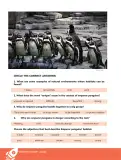
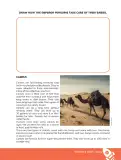
How many animals do you know? Do you know where they live?

HABITATS

A habitat is like a home for animals and plants. It is where they live, and it has everything they need to stay alive, like food, water, and a safe place to live. Habitats can be found in different natural environments, such as forests, oceans, deserts, and grasslands. In a habitat, there are living things like animals and non-living things like air and rocks. All these together make a perfect home for different creatures.

Ejemplos resueltos

Ejemplo de hábitat: describe un bosque como hábitat.

Un bosque (forest) es un hábitat: tiene alimento (frutos, hojas), agua (ríos) y un lugar seguro (árboles) para animales como pájaros, monos e iguanas; además contiene seres vivos (animales, plantas) y no vivos (aire, rocas).

Tabla

Categoría Contenido
Living things Animals, plants
Non-living things Air, rocks
Habitats Forests, oceans, deserts, grasslands

Glosario (5)

Habitat
Lugar natural donde viven animales y plantas, con alimento, agua y refugio.
Living things
Seres vivos, como los animales y las plantas.
Non-living things
Elementos no vivos del entorno, como el aire y las rocas.
Grasslands
Praderas o llanuras con hierba; hábitat de muchos herbívoros.
Cross-curricular texts
Textos que conectan distintas áreas del conocimiento.

Preguntas para practicar

How many animals do you know? Do you know where they live?

Respuesta personal; ejemplo: I know ten animals. The lion lives in the savanna, the dolphin lives in the ocean, the eagle lives in the mountains and the camel lives in the desert.

Why are air and rocks important in a habitat?

Aunque no están vivos, forman el entorno: el aire permite respirar y las rocas ofrecen refugio y minerales; juntos con los seres vivos hacen un hogar completo.

What would happen if a habitat had no water?

Los animales y plantas no podrían sobrevivir, porque el agua es una de las necesidades básicas para vivir; el hábitat dejaría de ser un buen hogar.

Temas y conceptos clave

Reading: Animals and HabitatsObjetivos y descriptor de aprendizajeTipos de hábitatsSeres vivos y no vivoshabitatliving thingsnon-living thingsforestsoceansdesertsgrasslandsperformance indicators
¿Te fue útil esta página?

Figuras de la página (1)

Icono de cohete con el número 18 dentro de un círculo, junto al texto STUDENT'S GUIDE / Media, sobre franja naranja al pie de página.
Figura 1 image

Preguntas que la gente también hace

¿Qué es un hábitat según el texto?
Consulta la solución completa arriba o explora el libro entero para temas relacionados.
¿Cuáles son los elementos vivos y no vivos de un hábitat?
Consulta la solución completa arriba o explora el libro entero para temas relacionados.
¿Qué ambientes naturales pueden ser hábitats de animales?
Consulta la solución completa arriba o explora el libro entero para temas relacionados.
📌 Antes de leer esto
  • • Vocabulario básico de animales en inglés
  • • Comprensión lectora de textos informativos cortos
  • • Distinción entre living y non-living things
Siguiente tema sugerido
Ejercicios de comprensión lectora del texto Animals and Habitats (preguntas de opción múltiple y correspondencias)
📝 Transcripción de la página (texto seleccionable) 1786 caracteres

__/ WORKSHEET 3 )

General Objective Demonstrate the ability to understand and extract key information from short, cross- curricular texts by answering simple questions, matching content, and using visual aids, identifying relationships between _ different academic content areas as well as relevant and irrelevant information in informational texts.

Learning objective Students will be able to read and interpret short cross-curricular texts by answering questions, matching content, and using visual aids. Use this information to identify connections between academic areas and distinguish between relevant and irrelevant information in texts.

Descriptor Understand, interpret, and uncover short cross-curricular texts and academic content using a variety of reading strategies while showing interest in learning.

Performance indicators Learners successfully answer simple questions about short cross-curricular texts.

Match content from different subjects to show understanding.

Use visual aids effectively to help understand texts.

Tell what information is important in texts.

Use what they read to learn more about different subjects.

Understand the importance of having true information in texts.

IAE READING AND LEARNING )

ANIMALS AND HABITATS How many animals do you know? Do you know where they live?

HABITATS

A habitat is like a home for animals and plants. It is where they live, and it has everything they need to stay alive, like food, water, and a safe place to live. Habitats can be found in different natural environments, such as forests, oceans, deserts, and grasslands. In a habitat, there are living things like animals and non-living things like air and rocks. All these together make a perfect home for different creatures.

(18) STUDENTS GUIDE / Media

Ad

Otros libros recomendados

Ver todos →
Ad

Usamos cookies propias y de terceros para personalizar contenido, mostrar publicidad y analizar el tráfico. Las cookies necesarias siempre están activas.