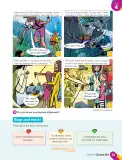
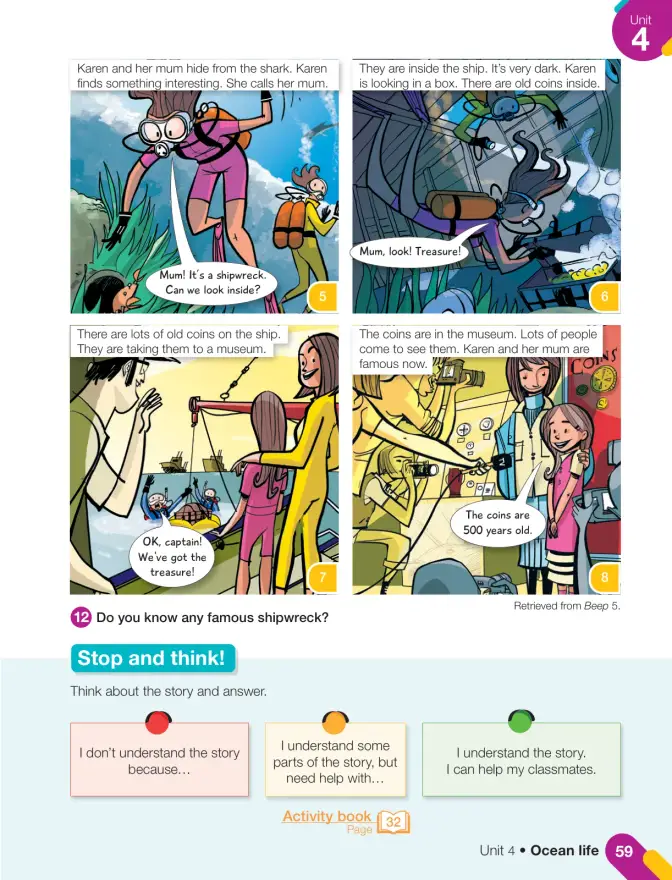
Do you know any famous shipwreck? / ¿Conoces algún naufragio famoso?
- Traducción del enunciado: «¿Conoces algún naufragio famoso?».
- Se trata de una pregunta abierta de conocimientos previos y cultura general.
- Un ejemplo de respuesta académica: el RMS Titanic, hundido en 1912 tras chocar con un iceberg; sus restos se descubrieron en 1985.
- Otro ejemplo cercano a Chile: el naufragio de la corbeta Esmeralda en Iquique (1879), durante la Guerra del Pacífico.
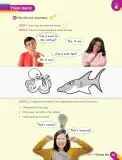
Stop and think!
Think about the story and answer. / Piensa en la historia y responde.
Paso 1
I don't understand the story because... / No entiendo la historia porque...
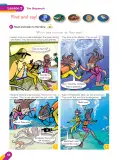
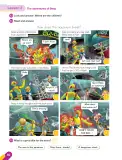
Respuesta orientativa: I don't understand the story because there are many new words, like "shipwreck" and "treasure". I need to use a dictionary. / No entiendo la historia porque hay muchas palabras nuevas, como «shipwreck» y «treasure»; necesito usar un diccionario.
Paso 2
I understand some parts of the story, but need help with... / Entiendo algunas partes de la historia, pero necesito ayuda con...
Respuesta orientativa: I understand some parts of the story, but I need help with the order of the events and the meaning of "coins are 500 years old". / Entiendo algunas partes, pero necesito ayuda con el orden de los hechos y con el significado de «las monedas tienen 500 años».
Paso 3
I understand the story. I can help my classmates. / Entiendo la historia. Puedo ayudar a mis compañeros.
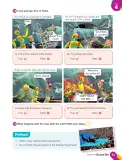
Respuesta orientativa: I understand the story because the pictures show the sequence: Karen and her mum dive, find the shipwreck, take the coins to a museum and become famous. I can help my classmates by explaining the sequence. / Entiendo la historia porque las imágenes muestran la secuencia: Karen y su mamá bucean, encuentran el naufragio, llevan las monedas a un museo y se hacen famosas. Puedo ayudar a mis compañeros explicando esa secuencia.
Yes, I know the Titanic. It sank in 1912 and its wreck was found in 1985. / Sí, conozco el Titanic; se hundió en 1912 y sus restos se hallaron en 1985.