Saltar al contenido
MisLibrosTexto
Ad
Inglés – Quinto Básico | Texto del Estudiante MINEDUC – Descargar PDF · 2023
Libro de Inglés 5

MINEDUC

90/125

Review Units 4-6: It's trivia time!

📄 ejercicios ingles 🎓 otro · 5° BASICA Chile 🇨🇱 CL 🗣 Español
Página 90
90 de 125
Página 90 de Inglés – Quinto Básico | Texto del Estudiante MINEDUC – Descargar PDF · 2023
Anterior Página 90 / 125 Siguiente

Respuesta rápida

  1. a) blue whale, b) seal, c) octopus. 2. Doce diferencias descritas. 3. Bob: doctor, hospital, swimming; Derek: teacher, school, listening to music; Susan: actress, theatre, painting; Alan: waiter, restaurant, skiing.
📚 exercise ingles ⭐⭐ Dificultad 2/5 ⏱ 8 min lectura

Solución — Página 90

Inglés – Quinto Básico | Texto del Estudiante MINEDUC – Descargar PDF · 2023

1
Ejercicio 1

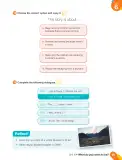
Guess with a classmate. What are they? (Adivina con un compañero. ¿Qué son?)

a
Parte 1.a

They haven't got gills. They breathe air. They're 30 metres long and they eat krill. They can sing!

  1. No tienen branquias y respiran aire: es un mamífero marino.
  2. Miden 30 metros y comen kril: coincide con la ballena azul.
  3. Pueden cantar: las ballenas emiten sonidos complejos.
Respuesta

It's a blue whale. / Es una ballena azul.

b
Parte 1.b

They breathe air and can live on the land and in the sea. They eat fish and they live in groups.

  1. Respiran aire y viven en tierra y en el mar: es un mamífero anfibio.
  2. Comen peces y viven en grupos: coincide con la foca.
Respuesta

It's a seal. / Es una foca.

c
Parte 1.c

They live alone on the bottom of the ocean. They eat crabs and small fish. They've got gills and they lay eggs. They have eight arms.

  1. Viven solos en el fondo del océano y tienen branquias: es un animal marino.
  2. Ponen huevos y tienen ocho brazos: coincide con el pulpo.
Respuesta

It's an octopus. / Es un pulpo.
2
Ejercicio 2

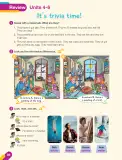
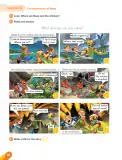
Look and find the twelve differences. (Observa y encuentra las doce diferencias.)

  1. En A hay un cuadro del rey; en B hay un cuadro de un trol.
  2. En A el reloj marca las 3:00; en B marca las 9:00.
  3. En A hay un murciélago en la ventana; en B hay un sol y peces.
  4. En A el gato está en la ventana; en B el gato está en el suelo.
  5. En A el mago tiene barba; en B no tiene barba.
  6. En A el mago sostiene una varita; en B toca una guitarra.
  7. En A la mesa tiene un plato con naranjas; en B tiene un plato con verduras.
  8. En A la bruja lee un libro verde; en B lee un libro morado.
  9. En A hay una rana sobre la mesa; en B la rana está en el suelo.
  10. En A la armadura tiene una lanza; en B no tiene lanza.
  11. En A hay una tela de araña en la esquina superior; en B no hay tela de araña.
  12. En A el sombrero del mago es azul con estrellas; en B es azul liso.
Respuesta

Las doce diferencias están descritas arriba.

3
Ejercicio 3

Look, read, and ask. (Observa, lee y pregunta.)

  1. Is it a man or a woman? — It's a man.
  2. Where does he work? — He works in a hospital.
  3. What's he doing? — He's swimming.
  4. It's Bob!

Respuesta: Bob is a doctor. He works in a hospital. He's swimming.

a
Parte 3.a

Bob — doctor

  1. Is it a man or a woman? It's a man.
  2. Where does he work? He works in a hospital.
  3. What's he doing? He's swimming.
Respuesta

It's Bob. He's a doctor. He works in a hospital. He's swimming.

b
Parte 3.b

Derek — teacher

  1. Is it a man or a woman? It's a man.
  2. Where does he work? He works in a school.
  3. What's he doing? He's listening to music.
Respuesta

It's Derek. He's a teacher. He works in a school. He's listening to music.

c
Parte 3.c

Susan — actress

  1. Is it a man or a woman? It's a woman.
  2. Where does she work? She works in a theatre.
  3. What's she doing? She's painting.
Respuesta

It's Susan. She's an actress. She works in a theatre. She's painting.

d
Parte 3.d

Alan — waiter

  1. Is it a man or a woman? It's a man.
  2. Where does he work? He works in a restaurant.
  3. What's he doing? He's skiing.
Respuesta

It's Alan. He's a waiter. He works in a restaurant. He's skiing.

Contenido de la página

Review Units 4-6

It's trivia time!

1. Guess with a classmate. What are they?

  1. They haven't got gills. They breathe air. They're 30 metres long and they eat krill. They can sing!
  2. They breathe air and can live on the land and in the sea. They eat fish and they live in groups.
  3. They live alone on the bottom of the ocean. They eat crabs and small fish. They've got gills and they lay eggs. They have eight arms.

2. Look and find the twelve differences.

Imagen A: cuadro del rey, reloj a las 3:00, murciélago en la ventana, gato en la ventana, mago con barba y varita, plato con naranjas, libro verde, rana sobre la mesa, armadura con lanza, tela de araña, sombrero con estrellas.

Imagen B: cuadro del trol, reloj a las 9:00, sol y peces en la ventana, gato en el suelo, mago sin barba con guitarra, plato con verduras, libro morado, rana en el suelo, armadura sin lanza, sin tela de araña, sombrero liso.

3. Look, read, and ask.

  • Is it a man or a woman? — It's a man.
  • Where does he work? — He works in a hospital.
  • What's he doing? — He's swimming.
  • It's Bob!

Bob — doctor Derek — teacher Susan — actress Alan — waiter

Ejemplos resueltos

They haven't got gills. They breathe air. They're 30 metres long and they eat krill. They can sing!

Es un mamífero marino que respira aire, mide 30 metros, come kril y canta: blue whale (ballena azul).

They live alone on the bottom of the ocean. They eat crabs and small fish. They've got gills and they lay eggs. They have eight arms.

Vive solo en el fondo del océano, tiene branquias, pone huevos y tiene ocho brazos: octopus (pulpo).

Tabla

Persona Oficio Lugar de trabajo Acción
Bob doctor hospital swimming
Derek teacher school listening to music
Susan actress theatre painting
Alan waiter restaurant skiing

Glosario (8)

gills
branquias
krill
kril, pequeño crustáceo marino
seal
foca
octopus
pulpo
waiter
mesero, garzón
actress
actriz
hospital
hospital
theatre
teatro

Preguntas para practicar

What are they? (animal 1)

They are blue whales. They are the largest animals on Earth, they breathe air, eat krill and can sing.

What are they? (animal 2)

They are seals. They live on land and in the sea, eat fish and live in groups.

What are they? (animal 3)

They are octopuses. They live alone on the ocean floor, have gills, lay eggs and have eight arms.

Temas y conceptos clave

Repaso unidades 4-6Animales marinosDiferencias entre imágenesOficios y accionesTrivia de animalesComparación visualPreguntas en presente simple y continuoVocabulario de oficios
¿Te fue útil esta página?

Preguntas que la gente también hace

¿Cómo se dice ballena azul, foca y pulpo en inglés?
Consulta la solución completa arriba o explora el libro entero para temas relacionados.
¿Cómo se usan las preguntas Where does he work? y What's he doing?
Consulta la solución completa arriba o explora el libro entero para temas relacionados.
¿Qué diferencias hay entre las imágenes A y B de la página 88?
Consulta la solución completa arriba o explora el libro entero para temas relacionados.
📌 Antes de leer esto
  • • Vocabulario de animales marinos
  • • Verbo to be y presente simple
  • • Presente continuo con -ing
  • • Preguntas con where y what
Siguiente tema sugerido
Unidad 7: descripciones de lugares y preposiciones de lugar
📝 Transcripción de la página (texto seleccionable) 1009 caracteres

Units 4-6

It's trivia time!

1 Guess with a classmate. What are they?

  1. They haven't got gills. They breathe air. They're 30 metres long and they eat krill.They can sing!

  2. They breathe air and can live on the land and in the sea. They eat fish and they live in groups.

  3. They live alone on the bottom of the ocean. They eat crabs and small fish. They've got gills and they lay eggs. They have eight arms.

Look and find the twelve differences.

Look, read, and ask.

Is it a man or a woman?

It's a man.

Where does he work?

He works in a hospital.

What's he doing?

He's swimming.

It's Bob!

Bob doctor

Derek teacher

Susan actress

Alan waiter

Review

![](page=0,bbox=[114, 544, 1093, 1037])

![](page=0,bbox=[96, 1124, 151, 1185])

![](page=0,bbox=[149, 1180, 205, 1235])

![](page=0,bbox=[148, 1372, 204, 1429])

![](page=0,bbox=[474, 1153, 616, 1429])

![](page=0,bbox=[631, 1153, 773, 1430])

![](page=0,bbox=[788, 1155, 931, 1429])

![](page=0,bbox=[945, 1152, 1087, 1430])

88

Ad

Otros libros recomendados

Ver todos →
Ad

Usamos cookies propias y de terceros para personalizar contenido, mostrar publicidad y analizar el tráfico. Las cookies necesarias siempre están activas.