Saltar al contenido
MisLibrosTexto
Ad
Inglés – Octavo Básico | Student’s Book MINEDUC – Descargar PDF · 2024
Libro de Inglés 8

MINEDUC

16/82

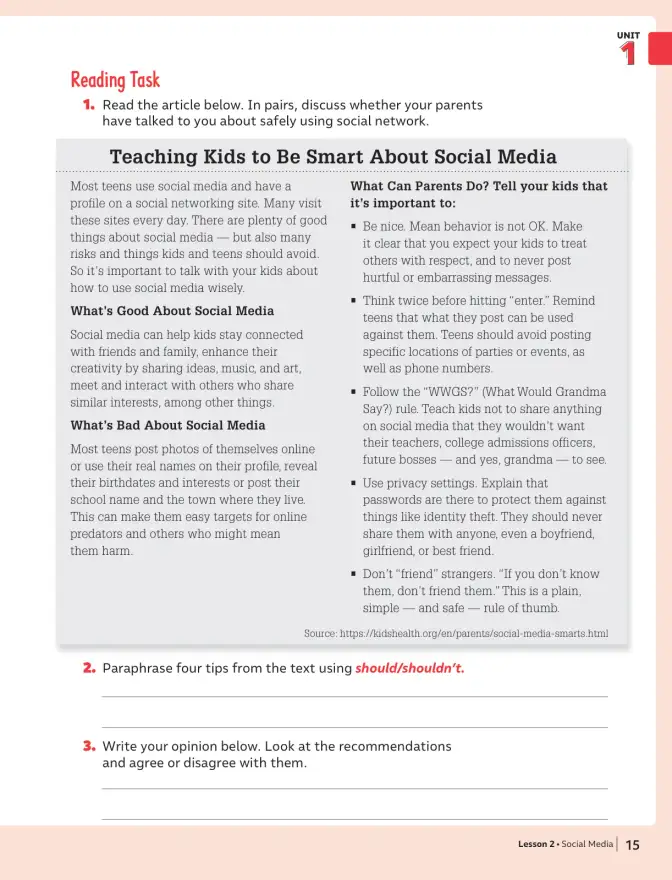
Teaching Kids to Be Smart About Social Media

📄 ejercicios ingles 🎓 otro · 8° BASICA Chile 🇨🇱 CL 🗣 Español
Página 16
16 de 82
Página 16 de Inglés – Octavo Básico | Student’s Book MINEDUC – Descargar PDF · 2024
Anterior Página 16 / 82 Siguiente

Respuesta rápida

  1. You should be nice; you should think twice before posting; you shouldn't share private things; you should use privacy settings. 3. Opinión personal: se está de acuerdo con la mayoría de los consejos por seguridad.
📚 exercise ingles ⭐⭐ Dificultad 2/5 ⏱ 8 min lectura

Solución — Página 16

Inglés – Octavo Básico | Student’s Book MINEDUC – Descargar PDF · 2024

1
Ejercicio 1

Read the article below. In pairs, discuss whether your parents have talked to you about safely using social network.

Respuesta orientativa: En parejas, comenten si sus padres les han hablado sobre el uso seguro de las redes sociales. Por ejemplo: Yes, my parents have talked to me about it. They told me not to share my address or phone number online. / No, they haven't, but I think it is important because there are online predators.

2
Ejercicio 2

Paraphrase four tips from the text using should/shouldn't.

a
Parte 2.a
  1. Identifico el consejo: Be nice. Mean behavior is not OK.
  2. Lo reformulo con should: los jóvenes deben tratar a otros con respeto.
Respuesta

You should treat others with respect and you shouldn't post hurtful or embarrassing messages.

b
Parte 2.b
  1. Identifico el consejo: Think twice before hitting "enter."
  2. Lo reformulo con should: pensar antes de publicar.
Respuesta

You should think twice before posting, and you shouldn't share specific locations or phone numbers.

c
Parte 2.c
  1. Identifico el consejo: Follow the "WWGS?" rule.
  2. Lo reformulo con shouldn't: no publicar lo que no querrías que otros vieran.
Respuesta

You shouldn't share anything on social media that you wouldn't want your teachers, future bosses or your grandma to see.

d
Parte 2.d
  1. Identifico el consejo: Use privacy settings.
  2. Lo reformulo con should: proteger las contraseñas.
Respuesta

You should use privacy settings and you shouldn't share your passwords with anyone, not even your best friend.

3
Ejercicio 3

Write your opinion below. Look at the recommendations and agree or disagree with them.

Respuesta orientativa: I agree with most of the recommendations because they help teenagers stay safe online. For example, I think you shouldn't post your location or phone number because strangers could use that information. However, I partly disagree with the "WWGS?" rule because sometimes young people need to express themselves freely, but always with respect.

Contenido de la página

Reading Task

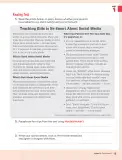
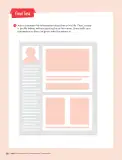
1. Read the article below. In pairs, discuss whether your parents have talked to you about safely using social network.

Teaching Kids to Be Smart About Social Media

Most teens use social media and have a profile on a social networking site. Many visit these sites every day. There are plenty of good things about social media — but also many risks and things kids and teens should avoid. So it's important to talk with your kids about how to use social media wisely.

What's Good About Social Media

Social media can help kids stay connected with friends and family, enhance their creativity by sharing ideas, music, and art, meet and interact with others who share similar interests, among other things.

What's Bad About Social Media

Most teens post photos of themselves online or use their real names on their profile, reveal their birthdates and interests or post their school name and the town where they live. This can make them easy targets for online predators and others who might mean them harm.

What Can Parents Do? Tell your kids that it's important to:

  • Be nice. Mean behavior is not OK. Make it clear that you expect your kids to treat others with respect, and to never post hurtful or embarrassing messages.
  • Think twice before hitting "enter." Remind teens that what they post can be used against them. Teens should avoid posting specific locations of parties or events, as well as phone numbers.
  • Follow the "WWGS?" (What Would Grandma Say?) rule. Teach kids not to share anything on social media that they wouldn't want their teachers, college admissions officers, future bosses — and yes, grandma — to see.
  • Use privacy settings. Explain that passwords are there to protect them against things like identity theft. They should never share them with anyone, even a boyfriend, girlfriend, or best friend.
  • Don't "friend" strangers. "If you don't know them, don't friend them." This is a plain, simple — and safe — rule of thumb.

Source: https://kidshealth.org/en/parents/social-media-smarts.html

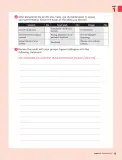
2. Paraphrase four tips from the text using should/shouldn't.

3. Write your opinion below. Look at the recommendations and agree or disagree with them.

Ejemplos resueltos

Paraphrase: 'Be nice. Mean behavior is not OK.'

You should be nice and you shouldn't post hurtful messages.

Glosario (6)

social media
redes sociales; plataformas digitales para compartir contenido
online predator
depredador en línea; persona que busca hacer daño a otros por internet
privacy settings
configuración de privacidad
identity theft
robo de identidad
rule of thumb
regla general práctica
friend (verbo)
agregar a alguien como amigo en una red social

Preguntas para practicar

Have your parents talked to you about safely using social networks?

Sí, muchos padres hablan con sus hijos sobre no compartir datos personales y usar configuraciones de privacidad. Es importante porque existen riesgos como el robo de identidad o los depredadores en línea.

Do you agree with the recommendations in the text?

Estoy de acuerdo con la mayoría, porque protegen a los jóvenes. Sin embargo, algunas reglas pueden ser difíciles de seguir, como no publicar nunca la ubicación, pero son necesarias para la seguridad.

Temas y conceptos clave

Social mediaOnline safetyModal verbs should/shouldn'tReading comprehensionshould / shouldn'tparaphrasingonline predatorsprivacy settingsidentity theft

Fuentes y referencias

  • https://kidshealth.org/en/parents/social-media-smarts.html
¿Te fue útil esta página?

Preguntas que la gente también hace

¿Cómo se usa should y shouldn't en inglés?
Consulta la solución completa arriba o explora el libro entero para temas relacionados.
¿Qué riesgos tienen las redes sociales para los adolescentes?
Consulta la solución completa arriba o explora el libro entero para temas relacionados.
¿Cómo parafrasear un texto en inglés?
Consulta la solución completa arriba o explora el libro entero para temas relacionados.
📌 Antes de leer esto
  • • Vocabulario básico sobre redes sociales e internet
  • • Uso básico del presente simple
  • • Reconocimiento de verbos modales
Siguiente tema sugerido
Writing an opinion paragraph using should/shouldn't
📝 Transcripción de la página (texto seleccionable) 2223 caracteres

Reading Task

  1. Read the article below. In pairs, discuss whether your parents have talked to you about safely using social network.

Teaching Kids to Be Smart About Social Media

Most teens use social media and have a profile on a social networking site. Many visit these sites every day. There are plenty of good things about social media— but also many risks and things kids and teens should avoid.So it's important to talk with your kids about how to use social media wisely.

What's Good About Social Media

Social media can help kids stay connected with friends and family, enhance their creativity by sharing ideas, music, and art,meet and interact with others who share similar interests, among other things.

What's Bad About Social Media

Most teens post photos of themselves online or use their real names on their profile, reveal their birthdates and interests or post their school name and the town where they live.This can make them easy targets for online predators and others who might mean them harm.

What Can Parents Do? Tell your kids that it's important to:

▪ Be nice. Mean behavior is not OK. Make it clear that you expect your kids to treat others with respect, and to never post hurtful or embarrassing messages.

Think twice before hitting"enter."Remind teens that what they post can be used against them. Teens should avoid posting specific locations of parties or events, as well as phone numbers.

▪ Follow the"WWGS?"(What Would Grandma Say?) rule. Teach kids not to share anything on social media that they wouldn't want their teachers, college admissions officers,future bosses—and yes, grandma— to see.

Use privacy settings. Explain that passwords are there to protect them against things like identity theft. They should never share them with anyone, even a boyfriend,girlfriend, or best friend.

Don't "friend"strangers."If you don't know them, don't friend them." This is a plain,simple —and safe— rule of thumb.

Source: https://kidshealth.org/en/parents/social-media-smarts.html

2. Paraphrase four tips from the text using should/shouldn't.

3.Write your opinion below. Look at the recommendations and agree or disagree with them.

UNIT 1

Lesson 2·Social Media

15

Ad

Otros libros recomendados

Ver todos →
Ad

Usamos cookies propias y de terceros para personalizar contenido, mostrar publicidad y analizar el tráfico. Las cookies necesarias siempre están activas.