Saltar al contenido
MisLibrosTexto
Ad
Ingles 3° · 2024
Libro de Inglés 3 BGU

Ministerio de Educación del Ecuador

10/34

Día de Muertos (México): lectura, preguntas de comprensión y speaking

📄 ejercicios ingles 🎓 bachillerato · 3° BGU Ecuador 🇪🇨 EC 🗣 Español
Página 10
10 de 34
Página 10 de Ingles 3° · 2024
Anterior Página 10 / 34 Siguiente

Respuesta rápida

  1. Life, not death; to remember and honor loved ones. 2. To remember and honor the deceased and welcome their returning spirits. 3. They believe the spirits of the deceased come back to be with their families. 4. In other parts of Latin America and in the United States. 5. Speaking: ver respuestas orientativas (favorita, valores culturales, similitudes con Ecuador).
📚 exercise ingles ⭐⭐ Dificultad 2/5 ⏱ 8 min lectura

Solución — Página 10

Ingles 3° · 2024

1
Ejercicio 1

(Answer the following questions)

What is the emphasis of Día de Muertos? (¿Cuál es el énfasis del Día de Muertos?)

  1. El texto indica en la primera oración: "Día de Muertos is a special celebration that's all about life, not death."
  2. Por lo tanto, la celebración se centra en la vida, no en la muerte.
  3. Además, es un momento para recordar y honrar a los seres queridos fallecidos.

Respuesta

The emphasis of Día de Muertos is on life, not death; it is a time to remember and honor loved ones who have passed away.

2
Ejercicio 2

Why do families and friends come together during Día de Muertos? (¿Por qué se reúnen familias y amigos durante el Día de Muertos?)

  1. El texto dice: "It's a time when families and friends get together to remember and honor their loved ones who have passed away."
  2. También creen que "the spirits of the deceased come back to be with their families during this time".
  3. Se juntan, por tanto, para recordar y honrar a sus difuntos y recibir a sus espíritus.

Respuesta

Families and friends come together to remember and honor their loved ones who have passed away, and to welcome the spirits of the deceased, which they believe return to be with their families at this time.

3
Ejercicio 3

What is the belief about the spirits of the deceased during this time? (¿Cuál es la creencia sobre los espíritus de los difuntos durante esta época?)

  1. El texto declara: "People believe that the spirits of the deceased come back to be with their families during this time."
  2. Para recibirlos, las familias preparan "ofrendas" (altares) decoradas con flores, velas y comida.
  3. Así, los espíritus "welcome" son bienvenidos de vuelta junto a sus familias.

Respuesta

People believe that the spirits of the deceased come back to be with their families during this time, so they prepare ofrendas (altars) decorated with flowers, candles and food to welcome them.

Ad
4
Ejercicio 4

In addition to Mexico, where else is Día de Muertos celebrated? (Además de México, ¿dónde más se celebra el Día de Muertos?)

  1. El texto señala: "Día de Muertos isn't just celebrated in Mexico; you can find it in other parts of Latin America and even in the United States."
  2. Se celebra en otras partes de América Latina.
  3. También se celebra en los Estados Unidos.

Respuesta

In addition to Mexico, Día de Muertos is celebrated in other parts of Latin America and even in the United States.

5
Ejercicio 5

(Speaking)

a
Ejercicio a

Which one is your favorite? What do you like about it?

Respuesta orientativa: My favorite celebration is Día de Muertos because I love how it combines colorful decorations, music and food to remember our loved ones. I like the ofrendas with flowers and candles because they show that the family bonds never end, even when someone has passed away.

Ad
b
Ejercicio b

What do celebrations teach us about a culture?

Respuesta orientativa: Celebrations teach us about a culture's values, beliefs and history, because they show what people consider important, such as family, religion or nature. They also show how a community expresses its identity through music, food, clothing and traditions passed down from generation to generation.

c
Ejercicio c

Is there any similarity between those celebrations and the ones in our country?

Respuesta orientativa: Yes, there are similarities. In Ecuador we also have celebrations that combine Catholic traditions with indigenous ones, like the Día de los Difuntos (November 2nd), when families visit the cemetery, share colada morada and guaguas de pan, and remember their loved ones just like in Mexico. Another example is the Inti Raymi, which, like Día de Muertos, brings the whole community together to honor ancestors and express cultural identity.

Respuesta

Ver respuestas orientativas anteriores (favorita, aprendizaje cultural y similitudes con Ecuador).

Contenido de la página

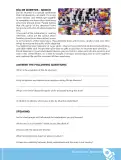
DÍA DE MUERTOS - MÉXICO

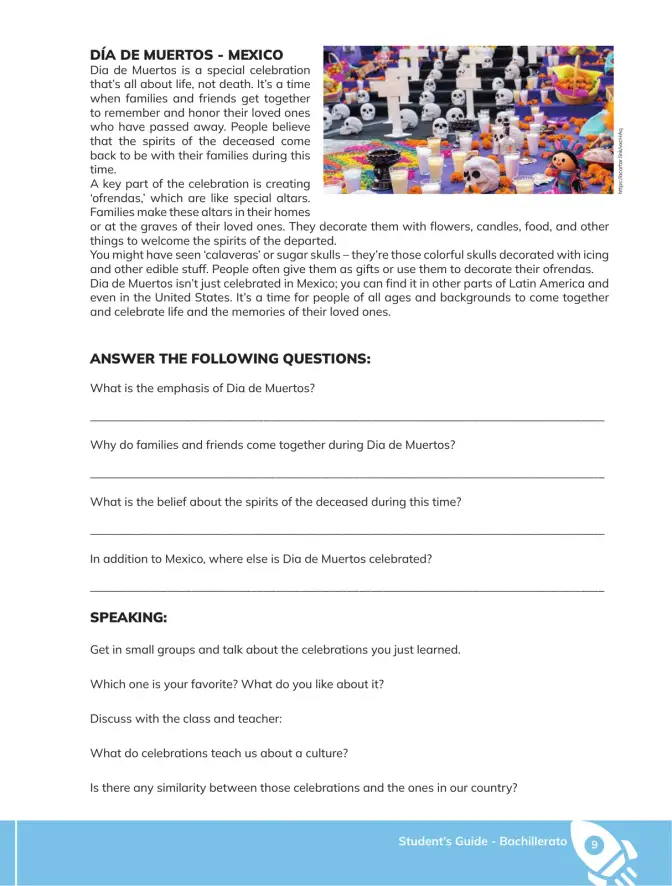
Día de Muertos is a special celebration that's all about life, not death. It's a time when families and friends get together to remember and honor their loved ones who have passed away. People believe that the spirits of the deceased come back to be with their families during this time.

A key part of the celebration is creating 'ofrendas,' which are like special altars. Families make these altars in their homes or at the graves of their loved ones. They decorate them with flowers, candles, food, and other things to welcome the spirits of the departed.

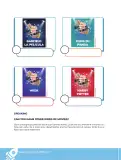
You might have seen 'calaveras' or sugar skulls – they're those colorful skulls decorated with icing and other edible stuff. People often give them as gifts or use them to decorate their ofrendas.

Día de Muertos isn't just celebrated in Mexico; you can find it in other parts of Latin America and even in the United States. It's a time for people of all ages and backgrounds to come together and celebrate life and the memories of their loved ones.


ANSWER THE FOLLOWING QUESTIONS:

  1. What is the emphasis of Día de Muertos?
  2. Why do families and friends come together during Día de Muertos?
  3. What is the belief about the spirits of the deceased during this time?
  4. In addition to Mexico, where else is Día de Muertos celebrated?

SPEAKING:

Get in small groups and talk about the celebrations you just learned.

  • Which one is your favorite? What do you like about it?

Discuss with the class and teacher:

  • What do celebrations teach us about a culture?
  • Is there any similarity between those celebrations and the ones in our country?

Ejemplos resueltos

Modelo de respuesta para: What do celebrations teach us about a culture?

Celebrations teach us about a culture's values, beliefs and history, because they show what people consider important, such as family, religion or nature. They also show how a community expresses its identity through music, food, clothing and traditions.

Glosario (5)

ofrenda
Altar especial que las familias preparan en casa o en el cementerio para recibir a los espíritus de los difuntos, decorado con flores, velas y comida.
calaveras / sugar skulls
Calaveras de azúcar coloridas decoradas con glaseado y otros elementos comestibles; se regalan o se usan para decorar las ofrendas.
spirits of the deceased
Espíritus de los difuntos, que según la tradición regresan a estar con sus familias durante la celebración.
to honor
Honrar, rendir homenaje a alguien.
graves
Tumbas o sepulcros de los seres queridos.

Preguntas para practicar

Which one is your favorite celebration? What do you like about it?

My favorite celebration is Día de Muertos because I love how it combines colorful decorations, music and food to remember our loved ones. I like the ofrendas with flowers and candles because they show that family bonds never end.

What do celebrations teach us about a culture?

Celebrations teach us about a culture's values, beliefs and history, because they show what people consider important, such as family, religion or nature. They also show how a community expresses its identity through music, food, clothing and traditions passed down from generation to generation.

Is there any similarity between those celebrations and the ones in our country?

Yes. In Ecuador we also celebrate the Día de los Difuntos on November 2nd: families visit the cemetery and share colada morada and guaguas de pan to remember their loved ones, just like in Mexico. Another example is the Inti Raymi, which like Día de Muertos brings the whole community together to honor ancestors.

Temas y conceptos clave

Día de Muertos en MéxicoComprensión lectora en inglésSpeaking y trabajo en gruposCelebraciones culturalesDía de Muertosofrendascalaveras (sugar skulls)spirits of the deceasedcultural celebrations
¿Te fue útil esta página?

Preguntas que la gente también hace

¿Qué significa la ofrenda en el Día de Muertos?
Consulta la solución completa arriba o explora el libro entero para temas relacionados.
¿Dónde más se celebra el Día de Muertos además de México?
Consulta la solución completa arriba o explora el libro entero para temas relacionados.
¿Qué se puede responder a 'What do celebrations teach us about a culture'?
Consulta la solución completa arriba o explora el libro entero para temas relacionados.
📌 Antes de leer esto
  • • Vocabulario básico en inglés sobre celebraciones (celebration, family, spirits, altar)
  • • Comprensión de textos narrativos cortos en inglés
  • • Conocer tradiciones propias del país (Ecuador) para comparar
Siguiente tema sugerido
Otra celebración latinoamericana comparada (p. ej., Inti Raymi o Día de los Difuntos en Ecuador) con actividades de reading y speaking
📝 Transcripción de la página (texto seleccionable) 1673 caracteres

DÍA DE MUERTOS - MEXICO

Dia de Muertos is a special celebration that's all about life, not death. It's a time when families and friends get together to remember and honor their loved ones who have passed away. People believe that the spirits of the deceased come back to be with their families during this time.

A key part of the celebration is creating “ofrendas; which are like special altars. Families make these altars in their homes or at the graves of their loved ones. They decorate them with flowers, candles, food, and other things to welcome the spirits of the departed.

You might have seen ‘calaveras’ or sugar skulls — they're those colorful skulls decorated with icing and other edible stuff. People often give them as gifts or use them to decorate their ofrendas. Dia de Muertos isn’t just celebrated in Mexico; you can find it in other parts of Latin America and even in the United States. It’s a time for people of all ages and backgrounds to come together and celebrate life and the memories of their loved ones.

https:/facortar.link/vxcHAq

ANSWER THE FOLLOWING QUESTIONS:

What is the emphasis of Dia de Muertos?

Why do families and friends come together during Dia de Muertos?

What is the belief about the spirits of the deceased during this time?

In addition to Mexico, where else is Dia de Muertos celebrated?

SPEAKING:

Get in small groups and talk about the celebrations you just learned. Which one is your favorite? What do you like about it?

Discuss with the class and teacher:

What do celebrations teach us about a culture?

Is there any similarity between those celebrations and the ones in our country?

Student’s Guide - Bachillerato

Ad

Páginas cercanas

Otros libros recomendados

Ver todos →
Ad

Usamos cookies propias y de terceros para personalizar contenido, mostrar publicidad y analizar el tráfico. Las cookies necesarias siempre están activas.