Saltar al contenido
MisLibrosTexto
Ad
Ingles 3° · 2024
Libro de Inglés 3 BGU

Ministerio de Educación del Ecuador

18/34

True or False sobre redes sociales e identificar fake news

📄 ejercicios ingles 🎓 bachillerato · 3° BGU Ecuador 🇪🇨 EC 🗣 Español
Página 18
18 de 34
Página 18 de Ingles 3° · 2024
Anterior Página 18 / 34 Siguiente

Respuesta rápida

  1. True; 2) True; 3) True; 4) False; 5) True. Proyecto: clasificar 3 noticias con los 6 consejos y presentarlas a la clase.
📚 exercise ingles ⭐⭐ Dificultad 2/5 ⏱ 6 min lectura

Solución — Página 18

Ingles 3° · 2024

1
Ejercicio 1

"Maintaining a healthy balance of social media use is important for personal well-being, especially for young people." (Mantener un equilibrio saludable en el uso de redes sociales es importante para el bienestar personal, especialmente para los jóvenes.)

  1. Las pautas de la guía indican que el uso equilibrado de redes sociales protege la salud mental y física.
  2. Los jóvenes son especialmente vulnerables a la comparación social y la ansiedad generada por el exceso de pantallas.
  3. Por lo tanto, la afirmación es coherente con las recomendaciones.
Respuesta

True (Verdadero)

2
Ejercicio 2

"Scheduling specific times for social media use can help ensure that you are present in the moment and not spending too much time on social media." (Horar momentos específicos para usar redes sociales puede ayudar a estar presente en el momento y no pasar demasiado tiempo en ellas.)

  1. Establecer horarios fijos limita el uso impulsivo y continuo de las redes.
  2. Esto permite estar presente en actividades reales y evitar el exceso de tiempo en pantalla.
  3. La afirmación coincide con las pautas de gestión del tiempo digital.
Respuesta

True (Verdadero)

3
Ejercicio 3

"Following people and accounts that have positive messages can help create a more encouraging social media feed." (Seguir personas y cuentas con mensajes positivos puede ayudar a crear un feed más alentador.)

  1. El contenido que se sigue determina gran parte del feed que se muestra.
  2. Cuentas con mensajes positivos generan un entorno digital más alentador y menos tóxico.
  3. Por lo tanto, la afirmación es correcta.
Respuesta

True (Verdadero)

Ad
4
Ejercicio 4

"Recognizing and interpreting emotions that arise during digital media activities is not necessary for maintaining a healthy balance." (Reconocer e interpretar las emociones que surgen durante las actividades de medios digitales NO es necesario para mantener un equilibrio saludable.)

  1. La inteligencia emocional digital implica justamente reconocer cómo nos sentimos al usar las redes.
  2. Ignorar esas emociones dificulta detectar cuándo el uso se vuelve perjudicial.
  3. El enunciado niega algo que sí es necesario; por tanto es falso.
Respuesta

False (Falso)

5
Ejercicio 5

"Spending time connecting face-to-face with friends and family and enjoying hobbies can help cultivate healthy habits that balance time online." (Conectar cara a cara con amigos y familiares y disfrutar hobbies puede ayudar a cultivar hábitos saludables que equilibren el tiempo en línea.)

  1. Las interacciones presenciales y los pasatiempos reducen el tiempo frente a pantalla.
  2. Estos hábitos generan bienestar y equilibrio con la vida digital.
  3. La afirmación es coherente con las pautas de la guía.
Respuesta

True (Verdadero)

6
Ejercicio 6

(Proyecto)

"Find different news and use the tips previously mentioned to identify if they are real or fake. Present it to the class."

  1. Reunir 3 noticias: una de un medio reconocido (ej. El Comercio, BBC), una de una cuenta desconocida en redes y una con titular sensacionalista.
  2. Aplicar los 6 consejos: (a) verificar la fuente, (b) buscar evidencia, (c) revisar la fecha, (d) desconfiar de titulares sensacionalistas, (e) usar fact-checking (Snopes, FactCheck.org), (f) reconocer los propios sesgos.
  3. Clasificar cada noticia como real o fake y preparar una breve exposición (3-5 min) con capturas de pantalla y justificación de la clasificación.

True or False — Respuestas: 1) True, 2) True, 3) True, 4) False, 5) True.

Respuesta

Presentación con al menos 3 noticias clasificadas como reales o falsas, justificadas con los 6 consejos.

Contenido de la página

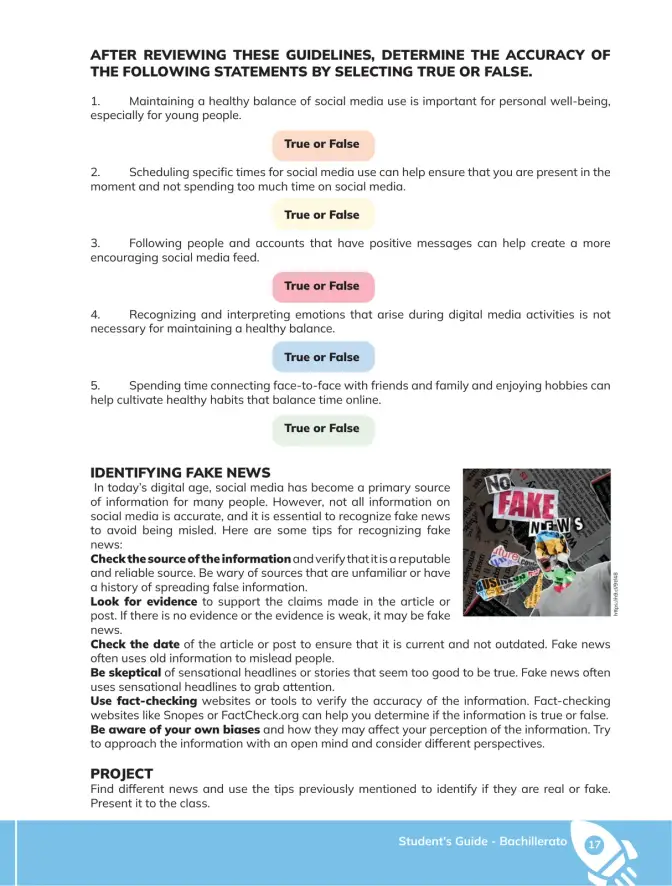
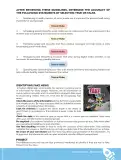
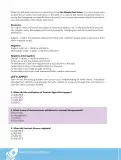
AFTER REVIEWING THESE GUIDELINES, DETERMINE THE ACCURACY OF THE FOLLOWING STATEMENTS BY SELECTING TRUE OR FALSE.

  1. Maintaining a healthy balance of social media use is important for personal well-being, especially for young people. — True or False
  2. Scheduling specific times for social media use can help ensure that you are present in the moment and not spending too much time on social media. — True or False
  3. Following people and accounts that have positive messages can help create a more encouraging social media feed. — True or False
  4. Recognizing and interpreting emotions that arise during digital media activities is not necessary for maintaining a healthy balance. — True or False
  5. Spending time connecting face-to-face with friends and family and enjoying hobbies can help cultivate healthy habits that balance time online. — True or False

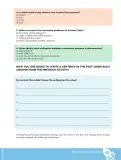
IDENTIFYING FAKE NEWS

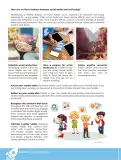
In today's digital age, social media has become a primary source of information for many people. However, not all information on social media is accurate, and it is essential to recognize fake news to avoid being misled. Here are some tips for recognizing fake news:

  • Check the source of the information and verify that it is a reputable and reliable source. Be wary of sources that are unfamiliar or have a history of spreading false information.
  • Look for evidence to support the claims made in the article or post. If there is no evidence or the evidence is weak, it may be fake news.
  • Check the date of the article or post to ensure that it is current and not outdated. Fake news often uses old information to mislead people.
  • Be skeptical of sensational headlines or stories that seem too good to be true. Fake news often uses sensational headlines to grab attention.
  • Use fact-checking websites or tools to verify the accuracy of the information. Fact-checking websites like Snopes or FactCheck.org can help you determine if the information is true or false.
  • Be aware of your own biases and how they may affect your perception of the information. Try to approach the information with an open mind and consider different perspectives.

PROJECT

Find different news and use the tips previously mentioned to identify if they are real or fake. Present it to the class.

Ejemplos resueltos

Ejemplo: Noticia con titular "¡Milagro cura el cáncer en 3 días!" compartida por una cuenta sin autor conocido.

  1. Fuente desconocida → señal de alerta. 2. Sin evidencia científica citada. 3. Titular sensacionalista (demasiado bueno para ser verdad). 4. Verificar en Snopes/FactCheck.org. Conclusión: probablemente fake news.

Tablas (2)

# Afirmación Respuesta
1 Equilibrio saludable en redes es importante para el bienestar True
2 Horar momentos de uso ayuda a estar presente True
3 Seguir cuentas positivas mejora el feed True
4 Reconocer emociones digitales no es necesario False
5 Contacto presencial y hobbies equilibran el tiempo en línea True
Consejo para detectar fake news Descripción
Check the source Verificar que la fuente sea confiable
Look for evidence Buscar pruebas que respalden las afirmaciones
Check the date Asegurarse de que la noticia sea actual
Be skeptical Desconfiar de titulares sensacionalistas
Use fact-checking Usar Snopes o FactCheck.org
Be aware of biases Reconocer los propios sesgos personales

Glosario (7)

Healthy balance
Equilibrio saludable entre el tiempo en línea y las actividades de la vida real.
Fake news
Noticias falsas o engañosas que se difunden como si fueran verdaderas.
Sensational headline
Titular exagerado diseñado para captar la atención.
Fact-checking
Verificación de la veracidad de la información con fuentes confiables.
Biases
Sesgos personales que influyen en cómo percibimos la información.
Reputable source
Fuente confiable con credibilidad probada.
Feed
Contenido que una red social muestra en el muro del usuario.

Preguntas para practicar

Why is it important to be skeptical of sensational headlines?

Because fake news often uses exaggerated headlines to grab attention quickly; being skeptical makes us look for evidence and verify the source before sharing, preventing the spread of misinformation.

How can your own biases affect the way you perceive information online?

Biases make us accept information that confirms what we already believe and reject the rest; recognizing them helps us approach news with an open mind and consider different perspectives.

Which fact-checking tools would you use and why?

I would use Snopes or FactCheck.org because they verify claims against reliable sources and clearly indicate whether a story is true, false or partly misleading.

Temas y conceptos clave

Uso saludable de redes socialesIdentificación de noticias falsas (fake news)Alfabetización digital y fact-checkinghealthy balance of social mediapositive feedemotional awareness digitalfake newssource verificationfact-checking websitessensational headlinespersonal biases

Fuentes y referencias

  • Snopes
  • FactCheck.org
¿Te fue útil esta página?

Preguntas que la gente también hace

¿Cómo identificar noticias falsas en redes sociales?
Consulta la solución completa arriba o explora el libro entero para temas relacionados.
¿Por qué es importante el equilibrio en el uso de redes sociales?
Consulta la solución completa arriba o explora el libro entero para temas relacionados.
¿Qué son los sitios de fact-checking y cómo se usan?
Consulta la solución completa arriba o explora el libro entero para temas relacionados.
📌 Antes de leer esto
  • • Comprensión lectora en inglés a nivel intermedio
  • • Conocer el vocabulario de redes sociales (social media, feed, headlines)
  • • Haber leído las pautas previas de uso saludable de redes sociales
Siguiente tema sugerido
Proyecto presentado en clase: análisis de noticias reales y falsas con los consejos de fact-checking.
📝 Transcripción de la página (texto seleccionable) 2304 caracteres

AFTER REVIEWING THESE GUIDELINES, DETERMINE THE ACCURACY OF THE FOLLOWING STATEMENTS BY SELECTING TRUE OR FALSE.

  1. Maintaining a healthy balance of social media use is important for personal well-being, especially for young people.

True or False

  1. Scheduling specific times for social media use can help ensure that you are present in the moment and not spending too much time on social media.

True or False

  1. Following people and accounts that have positive messages can help create a more encouraging social media feed.

True or False

  1. Recognizing and interpreting emotions that arise during digital media activities is not necessary for maintaining a healthy balance.

True or False

  1. Spending time connecting face-to-face with friends and family and enjoying hobbies can help cultivate healthy habits that balance time online.

True or False

IDENTIFYING FAKE NEWS

In today’s digital age, social media has become a primary source of information for many people. However, not all information on social media is accurate, and it is essential to recognize fake news to avoid being misled. Here are some tips for recognizing fake news:

Check the source of the information and verify that itis a reputable and reliable source. Be wary of sources that are unfamiliar or have a history of spreading false information.

Look for evidence to support the claims made in the article or post. If there is no evidence or the evidence is weak, it may be fake news.

Check the date of the article or post to ensure that it is current and not outdated. Fake news often uses old information to mislead people.

Be skeptical of sensational headlines or stories that seem too good to be true. Fake news often uses sensational headlines to grab attention.

Use fact-checking websites or tools to verify the accuracy of the information. Fact-checking websites like Snopes or FactCheck.org can help you determine if the information is true or false. Be aware of your own biases and how they may affect your perception of the information. Try to approach the information with an open mind and consider different perspectives.

https://n9.cl/9rf48

PROJECT Find different news and use the tips previously mentioned to identify if they are real or fake. Present it to the class.

Student's Guide - Bachillerato

Ad

Otros libros recomendados

Ver todos →
Ad

Usamos cookies propias y de terceros para personalizar contenido, mostrar publicidad y analizar el tráfico. Las cookies necesarias siempre están activas.