
















Saltar al contenido
MisLibrosTexto
Ad
Ingles 10° · 2024
Libro de Inglés 10 EGB

Ministerio de Educación del Ecuador

33/50

Monuments and Buildings as Artistic Expressions

📄 teoria ingles 🎓 secundaria · 10° EGB Ecuador 🇪🇨 EC 🗣 Español
Página 33
33 de 50
Página 33 de Ingles 10° · 2024
Anterior Página 33 / 50 Siguiente

Respuesta rápida

1.a: Prehistoric monument in Wiltshire, England (UK), circle of stones, 3100 BC. 1.b: Built as tombs for pharaohs. 1.c: Built in AD 80, used for gladiatorial contests and public spectacles. 2: monumental=very large; iconic=widely recognized; prehistoric=before writing; amphitheater=circular arena; gladiatorial=relating to gladiators; pharaohs=Egyptian rulers. 3: Monuments express cultural mastery and values, inspiring awe across cultures and centuries.

📚 theory ingles ⭐ Dificultad 1/5 ⏱ 4 min lectura

Solución — Página 33

Ingles 10° · 2024

1
Ejercicio 1
a
Parte 1.a

Read and answer: What is Stonehenge and where is it located?

  1. Locate the section titled "Stonehenge, England" in the text.
  2. Identify the description: it is a prehistoric monument located in Wiltshire, England, United Kingdom.
  3. Note the detail about its shape and age: a circle of standing stones dating to 3100 BC.
Respuesta

Stonehenge is a prehistoric monument located in Wiltshire, England. It is a circle of standing stones that dates to 3100 BC.

b
Parte 1.b

Read and answer: What were the Egyptian pyramids built for?

  1. Find the section "The Great Pyramids, Egypt".
  2. Read the sentence that explains their purpose: "were built as tombs for pharaohs."
  3. Confirm they are described as the most recognizable monuments in the world.
Respuesta

The Egyptian pyramids were built as tombs for pharaohs.

c
Parte 1.c

Read and answer: When was the Colosseum built and what was it used for?

  1. Locate "The Colosseum, Rome, Italy" section.
  2. Find the building date: AD 80.
  3. Find the usage: gladiatorial contests and public spectacles.
Respuesta

The Colosseum was built in AD 80. It was used for gladiatorial contests and public spectacles.
2
Ejercicio 2

Vocabulary in context — match the words with their meanings:

  1. monumental = very large and impressive
  2. iconic = widely known and recognized as a symbol
  3. prehistoric = belonging to the time before written records
  4. amphitheater = a large oval or circular structure with tiered seating
  5. gladiatorial = relating to gladiators who fought in ancient Rome
  6. pharaohs = rulers of ancient Egypt
Respuesta

monumental → very large and impressive; iconic → widely recognized symbol; prehistoric → before written records; amphitheater → circular tiered structure; gladiatorial → relating to Roman fighters; pharaohs → ancient Egyptian rulers.

3
Ejercicio 3

In your own words, explain why monuments are considered "artistic expressions that transcend time and culture".

  1. Think about the common traits of the three monuments: grandeur, cultural significance, and endurance over centuries.
  2. Connect them to the idea in the introduction: they are "not just silent witnesses to the past but enduring artistic expressions."
  3. Draft an explanation mentioning craft, cultural meaning, and lasting legacy.

Respuesta orientativa: Monuments are artistic expressions that transcend time and culture because they showcase the mastery, creativity, and values of the civilization that built them. Even after centuries or millennia, like Stonehenge (3100 BC) and the Pyramids, they continue to inspire awe and tell stories about humanity's past. Their beauty and significance remain relevant to people from all cultures today.

Contenido de la página

TITLE: MONUMENTS AND BUILDINGS AS ARTISTIC EXPRESSIONS

Throughout history, humankind has left an indelible mark on the world through monumental works of art and architecture. These iconic structures, often towering in their grandeur and significance, are not just silent witnesses to the past but enduring artistic expressions that transcend time and culture. Today, let's embark on a journey through some of the world's most renowned monuments, exploring the artistic mastery, cultural significance, and timeless allure that these creations continue to evoke.

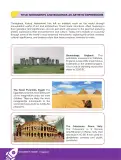
Stonehenge, England

This prehistoric monument in Wiltshire, England, is one of the most famous landmarks in the United Kingdom. It is a circle of standing stones that dates to 3100 BC.

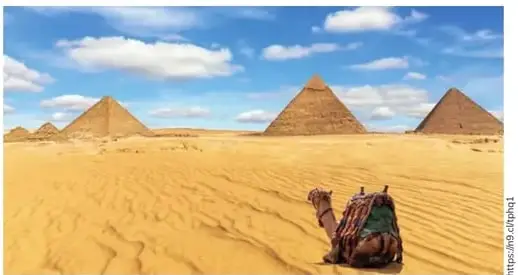
The Great Pyramids, Egypt

The Egyptian pyramids have been part of our imagination since we were children. They are likely the most recognizable monuments in the world and were built as tombs for pharaohs.

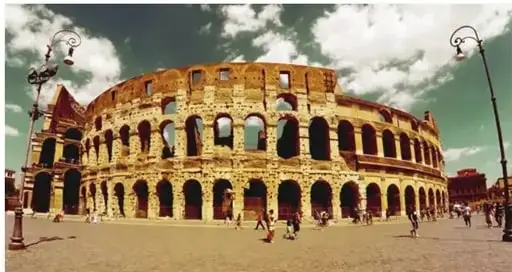
The Colosseum, Rome, Italy

The Colosseum is a famous amphitheater in Rome, Italy, that was built in AD 80. It was used for gladiatorial contests and public spectacles.
Ejemplos resueltos

Complete: The Colosseum was built in AD ___ and used for gladiatorial contests.

Reading the text: "built in AD 80." → Answer: 80.

Complete: Stonehenge dates to ___ BC.

Reading the text: "dates to 3100 BC." → Answer: 3100.

Tabla

Monument Location Date Purpose / Use
Stonehenge Wiltshire, England (UK) 3100 BC Circle of standing stones (prehistoric landmark)
The Great Pyramids Egypt Ancient Egypt Tombs for pharaohs
The Colosseum Rome, Italy AD 80 Gladiatorial contests and public spectacles

Glosario (8)

monumental
Very large, impressive, and enduring in importance.
iconic
Widely recognized and regarded as a symbol of something.
prehistoric
Belonging to the period before written records were kept.
amphitheater
A large oval or circular structure with tiered seating for public events.
gladiatorial
Relating to gladiators who fought in contests in ancient Rome.
pharaoh
A ruler of ancient Egypt.
transcend
To go beyond the limits of time or culture.
allure
A fascinating charm or attractiveness.

Preguntas para practicar

Why are monuments considered artistic expressions that transcend time and culture?

Because they showcase the mastery, creativity and values of their civilization and continue to inspire people from all cultures centuries later, like Stonehenge and the Pyramids.

Which of the three monuments fascinates you the most and why?

Respuesta personal: justificar con datos del texto (edad, uso, ubicación) y preferencias.

Temas y conceptos clave

Monumentos y edificaciones como expresiones artísticasComprensión lectora en inglésPatrimonio histórico mundialmonumentartistic expressionprehistoricamphitheaterpharaohgladiatorial contestcultural significance
¿Te fue útil esta página?

Figuras de la página (2)

Foto de las Pirámides de Egipto en el desierto con un camello y jinete al frente.
Figura 2 image
Foto del Coliseo de Roma, anfiteatro de piedra con arcos, bajo cielo nublado.
Figura 3 image

Preguntas que la gente también hace

¿Qué es Stonehenge y cuándo se construyó?
Consulta la solución completa arriba o explora el libro entero para temas relacionados.
¿Para qué se construyeron las pirámides de Egipto?
Consulta la solución completa arriba o explora el libro entero para temas relacionados.
¿Cuándo se construyó el Coliseo y para qué se usaba?
Consulta la solución completa arriba o explora el libro entero para temas relacionados.
📌 Antes de leer esto
  • • Vocabulario básico de geografía y historia en inglés
  • • Comprensión lectora de textos expositivos
Siguiente tema sugerido
Actividades de escritura descriptiva sobre monumentos y edificaciones
📝 Transcripción de la página (texto seleccionable) 1197 caracteres

mE MONUMENTS AND BUILDINGS AS ARTISTIC EXPRESSIONS |

Throughout history, humankind has left an indelible mark on the world through monumental works of art and architecture. These iconic structures, often towering in their grandeur and significance, are not just silent witnesses to the past but enduring artistic expressions that transcend time and culture. Today, let's embark on a journey through some of the world's most renowned monuments, exploring the artistic mastery, cultural significance, and timeless allure that these creations continue to evoke.

,

Stonehenge, England: This prehistoric monument in Wiltshire, England, is one of the most famous landmarks in the United Kingdom. It is a circle of standing stones that dates to 3100 BC.

https:/n9.cl/br35s

e

,

The Great Pyramids, Egypt: The Egyptian pyramids have been part of our imagination since we were children. They are likely the most recognizable monuments in the world and were built as tombs for pharaohs.

ll hrtps:/n9.clftphql

The Colosseum, Rome, Italy: The Colosseum is a famous amphitheater in Rome, Italy, that was built in AD 80. It was used for gladiatorial contests and public spectacles.

https:/n9.cl/yGeunr

Ad

Otros libros recomendados

Ver todos →
Ad

Usamos cookies propias y de terceros para personalizar contenido, mostrar publicidad y analizar el tráfico. Las cookies necesarias siempre están activas.