
















Saltar al contenido
MisLibrosTexto
Ad
Ingles 3° · 2024
Libro de Inglés 3 EGB

Ministerio de Educación del Ecuador

24/48

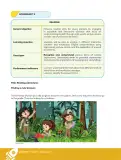
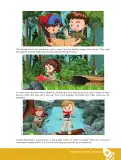
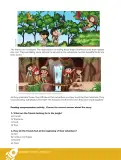
Comprensión del cuento de la aventura en la selva - Página 23

📄 ejercicios ingles 🎓 primaria · 3° EGB Ecuador 🇪🇨 EC 🗣 Español
Página 24
24 de 48
Página 24 de Ingles 3° · 2024
Anterior Página 24 / 48 Siguiente

Respuesta rápida

  1. b (River and steep hill). 4. b (trabajan juntos y se ayudan). 5. c (beautiful birds). 6. b (surprised and overjoyed). 7. c (toman fotos). 8. yesterday. Los verbos go, work y help están en presente simple.
📚 exercise ingles ⭐⭐ Dificultad 2/5 ⏱ 8 min lectura

Solución — Página 24

Ingles 3° · 2024

3
Ejercicio 3

Enunciado: What obstacles do the friends encounter in the jungle? (¿Qué obstáculos encuentran los amigos en la selva?)

  1. Leemos las opciones: a) Desert and caves (desierto y cuevas), b) River and steep hill (río y colina empinada), c) Candy and toys (caramelos y juguetes), d) Robots and monsters (robots y monstruos).
  2. Analizamos el contexto de la historia: los amigos van a la selva (jungle), un entorno natural húmedo y montañoso.
  3. Un desierto y cuevas no corresponde a una selva; los caramelos, juguetes, robots y monstruos no son elementos reales de la selva.
  4. La opción coherente con un paisaje selvático es el río y la colina empinada.

Respuesta

b) River and steep hill (río y colina empinada).
4
Ejercicio 4

Enunciado: How do the friends overcome the obstacles? (¿Cómo superan los amigos los obstáculos?)

  1. Analizamos las opciones: a) se rinden y se van, b) trabajan juntos y se ayudan, c) se pierden, d) encuentran un atajo.
  2. El tema central del cuento, según el fragmento "Check this", es el trabajo en equipo: "They work together and help each other overcome the obstacles."
  3. Las opciones a, c y d contradicen el mensaje del cuento sobre cooperación.

Respuesta

b) They work together and help each other.

5
Ejercicio 5

Enunciado: What is the special surprise the friends find in the jungle? (¿Cuál es la sorpresa especial que encuentran?)

  1. Leemos las opciones: a) cofre del tesoro escondido, b) flores coloridas, c) pájaros hermosos, d) animales salvajes.
  2. El enunciado del ejercicio 6 hace referencia explícita a "beautiful birds" como elemento destacado de la aventura.
  3. En los ejercicios de comprensión, las respuestas suelen encadenarse; por tanto, la sorpresa son los pájaros hermosos.

Respuesta

c) Beautiful birds (pájaros hermosos).

Ad
6
Ejercicio 6

Enunciado: How do the friends feel when they see the beautiful birds? (¿Cómo se sienten al ver los pájaros hermosos?)

  1. Opciones: a) enojados, b) sorprendidos y muy felices, c) aburridos, d) tristes.
  2. Ver "beautiful birds" tras un viaje difícil produce una reacción positiva y asombro.
  3. "Surprised and overjoyed" coincide con la emoción esperada al descubrir algo hermoso después de superar obstáculos.

Respuesta

b) Surprised and overjoyed.

7
Ejercicio 7

Enunciado: What do the friends do to remember the adventure? (¿Qué hacen para recordar la aventura?)

  1. Opciones: a) nada, se olvidan, b) escriben una historia larga, c) toman fotos de los pájaros hermosos, d) comparten el secreto con todos.
  2. Tomar fotografías es la acción típica para conservar recuerdos de un viaje.
  3. Las opciones a y d contradicen el deseo de recordar; la b no se menciona en el contexto.

Respuesta

c) Take pictures of the beautiful birds.

8
Ejercicio 8

Enunciado: Circle: When is the story happening? Today / tomorrow / yesterday

  1. El cuento narra una aventura que ya ocurrió: usamos el pasado narrativo.
  2. "Yesterday" es el tiempo verbal indicado para eventos ya terminados.

Language use

Enunciado: Discuss the verbs in bold shown in the story. Are they present? Past? Future?

  1. Verbs: go, work, help.
  2. La oración "These friends always go to the jungle..." usa presente simple: describe una acción habitual (siempre).
  3. "They work together and help each other..." también está en presente simple.
  4. Los tres verbos están en presente; no hay verbos de pasado ni de futuro en este fragmento.

Respuesta orientativa: Los verbos go, work y help están en presente simple (present). Expresan una acción habitual: los amigos van a la selva, trabajan juntos y se ayudan como costumbre, no es un relato en pasado ni en futuro.

Respuesta

yesterday (ayer).

Contenido de la página

Página 23 - Student's Guide / Elemental

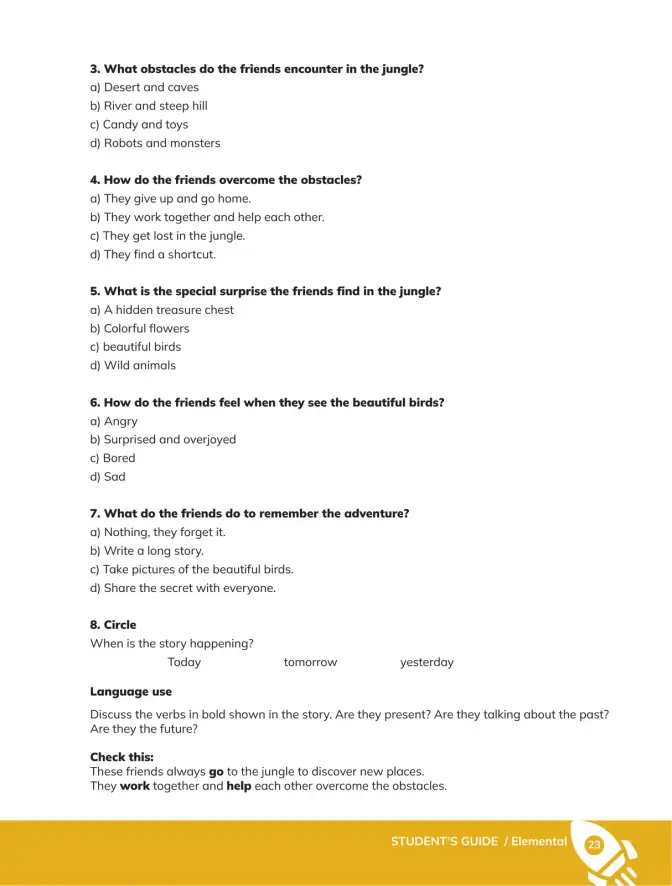
3. What obstacles do the friends encounter in the jungle? a) Desert and caves b) River and steep hill c) Candy and toys d) Robots and monsters

4. How do the friends overcome the obstacles? a) They give up and go home. b) They work together and help each other. c) They get lost in the jungle. d) They find a shortcut.

5. What is the special surprise the friends find in the jungle? a) A hidden treasure chest b) Colorful flowers c) beautiful birds d) Wild animals

6. How do the friends feel when they see the beautiful birds? a) Angry b) Surprised and overjoyed c) Bored d) Sad

7. What do the friends do to remember the adventure? a) Nothing, they forget it. b) Write a long story. c) Take pictures of the beautiful birds. d) Share the secret with everyone.

8. Circle: When is the story happening? Today - tomorrow - yesterday

Language use

Discuss the verbs in bold shown in the story. Are they present? Are they talking about the past? Are they the future?

Check this:

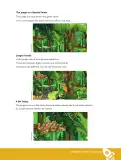
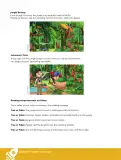
These friends always go to the jungle to discover new places. They work together and help each other overcome the obstacles.

Ejemplos resueltos

Analizar el fragmento: 'They work together and help each other overcome the obstacles.' ¿En qué tiempo verbal están los verbos?

  1. Identificamos los verbos: work, help, overcome.
  2. Todos aparecen sin desinencia de pasado (-ed) ni auxiliar de futuro (will).
  3. La estructura sujeto + verbo base corresponde al presente simple.
  4. Conclusión: están en presente simple y describen una acción habitual.

Tabla

Verbo Oración Tiempo verbal Tipo de acción
go These friends always go to the jungle. Present simple Habitual
work They work together... Present simple Habitual
help ...and help each other... Present simple Habitual

Fórmulas y ecuaciones

Oración modelo en presente simple: These friends always go to the jungle. / They work together and help each other overcome the obstacles.

Glosario (6)

obstacle
Dificultad u obstáculo que se debe superar (obstáculo).
to overcome
Vencer o superar un problema (superar).
steep hill
Colina con pendiente muy pronunciada (colina empinada).
overjoyed
Extremadamente feliz o contento (muy feliz).
adventure
Experiencia emocionante y novedosa (aventura).
jungle
Selva o bosque tropical denso (selva).

Preguntas para practicar

Why is 'always' important in the sentence 'These friends always go to the jungle'?

La palabra 'always' indica frecuencia y confirma que se trata de una acción habitual, por eso el verbo está en presente simple y no en pasado.

What does 'overcome the obstacles' mean in Spanish?

Significa 'superar los obstáculos': vencer las dificultades que aparecen durante la aventura mediante el esfuerzo y la cooperación.

Do you think taking pictures is a good way to remember an adventure? Why?

Sí, porque las fotografías conservan imágenes visuales que activan la memoria y permiten compartir la experiencia con otros.

Temas y conceptos clave

Comprensión lectora en inglésPresente simple para acciones habitualesVocabulario: naturaleza, aventura, obstáculosExpresión de emociones en ingléspresent simpleobstacleswork togetherovercomehabitual actionsemotions vocabulary
¿Te fue útil esta página?

Preguntas que la gente también hace

¿Cómo se llama el tiempo verbal que describe acciones habituales en inglés?
Consulta la solución completa arriba o explora el libro entero para temas relacionados.
¿Qué significa 'overcome the obstacles' en español?
Consulta la solución completa arriba o explora el libro entero para temas relacionados.
¿Por qué los amigos se sienten 'overjoyed' al ver los pájaros hermosos?
Consulta la solución completa arriba o explora el libro entero para temas relacionados.
📌 Antes de leer esto
  • • Reconocer verbos comunes en inglés (go, work, help)
  • • Vocabulario básico de la naturaleza (jungle, river, hill, birds)
  • • Identificar tiempos verbales simples
Siguiente tema sugerido
Ejercicios de gramática sobre past simple y present perfect
📝 Transcripción de la página (texto seleccionable) 1141 caracteres
  1. What obstacles do the friends encounter in the jungle? a) Desert and caves

b) River and steep hill

c) Candy and toys

d) Robots and monsters

  1. How do the friends overcome the obstacles? a) They give up and go home.

b) They work together and help each other.

c) They get lost in the jungle.

d) They find a shortcut.

  1. What is the special surprise the friends find in the jungle? a) A hidden treasure chest

b) Colorful flowers

c) beautiful birds

d) Wild animals

  1. How do the friends feel when they see the beautiful birds? a) Angry

b) Surprised and overjoyed

c) Bored

d) Sad

  1. What do the friends do to remember the adventure? a) Nothing, they forget it.

b) Write a long story.

c) Take pictures of the beautiful birds.

d) Share the secret with everyone.

  1. Circle When is the story happening? Today tomorrow yesterday

Language use

Discuss the verbs in bold shown in the story. Are they present? Are they talking about the past? Are they the future?

Check this: These friends always go to the jungle to discover new places. They work together and help each other overcome the obstacles.

STUDENT’S GUIDE / Elemental

Ad

Otros libros recomendados

Ver todos →
Ad

Usamos cookies propias y de terceros para personalizar contenido, mostrar publicidad y analizar el tráfico. Las cookies necesarias siempre están activas.