
















Saltar al contenido
MisLibrosTexto
Ad
Ingles 4° · 2024
Libro de Inglés 4 EGB

Ministerio de Educación del Ecuador

21/48

Worksheet 3 – Reading Adventures: Finding a cute treasure

📄 ejercicios ingles 🎓 primaria · 4° EGB Ecuador 🇪🇨 EC 🗣 Español
Página 21
21 de 48
Página 21 de Ingles 4° · 2024
Anterior Página 21 / 48 Siguiente

Respuesta rápida

  1. Idea principal: amigos exploran la selva y buscan un tesoro; formas usadas: present simple (go, decide) y present continuous (are looking). 1.a) jungle, treasure, friends, sunny, discover, always. 1.b) go; are looking; decides; is flying.
📚 exercise ingles ⭐ Dificultad 1/5 ⏱ 3 min lectura

Solución — Página 21

Ingles 4° · 2024

1
Ejercicio 1

Comprender el texto "Finding a cute treasure": identificar la idea principal y las formas del presente.

  1. Leemos el texto: "These friends always go to the jungle to discover new places. One sunny day, they decide to go to the jungle. They are looking for a treasure."
  2. Idea principal: un grupo de amigos explora la selva (jungle) para descubrir lugares nuevos y buscan un tesoro (treasure).
  3. Ubicación y tiempo: la acción ocurre "one sunny day" (un día soleado), en la selva.
  4. Identificamos las formas del presente en el texto:
    • "always go" → present simple con adverbio de frecuencia always (go/decide/are).
    • "they decide" → present simple, tercera persona del plural (decide).
    • "they are looking" → present continuous (am/is/are + verbo -ing) para una acción en curso.
  5. Detectamos el sight word clave: treasure (tesoro), junto con jungle, friends, sunny.

Respuesta: Los amigos van siempre a la selva para descubrir nuevos lugares; un día soleado deciden ir y están buscando un tesoro. Se usan present simple (go, decide) y present continuous (are looking).

a
Parte 1.a

Glosario del cuento (sight words)

  1. jungle = selva.
  2. treasure = tesoro.
  3. friends = amigos.
  4. sunny = soleado.
  5. discover = descubrir.
  6. always = siempre.
Respuesta

jungle (selva), treasure (tesoro), friends (amigos), sunny (soleado), discover (descubrir), always (siempre).

b
Parte 1.b

Completar con la forma correcta del presente

  1. My friends always ____ (go) to the jungle. → go (present simple, I/you/we/they).
  2. They ____ (look) for a treasure now. → are looking (present continuous).
  3. She ____ (decide) to take a photo. → decides (present simple, tercera persona -s).
  4. Look! The butterfly ____ (fly) over the flowers. → is flying (present continuous).
Respuesta
  1. go; 2) are looking; 3) decides; 4) is flying.
c
Parte 1.c

Pregunta abierta: ¿Qué lugar visitarían tus amigos y por qué?

Respuesta orientativa: Mis amigos y yo iríamos a la selva porque hay muchos animales y plantas interesantes para conocer; además, nos gustaría buscar un tesoro escondido y aprender cosas nuevas de la naturaleza.

Respuesta orientativa: Iríamos a la selva para descubrir plantas y animales y, así como en el cuento, buscar un tesoro.
Contenido de la página

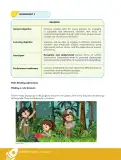
WORKSHEET 3 — READING

General objective: Enhance reading skills for young learners by engaging in enjoyable and interactive activities that focus on understanding English through sight words, picture stories, and the use of present tense forms.

Learning objective: Students will be able to engage in different interactive activities that emphasize English comprehension using sight words, picture stories, and the application of present tense forms.

Descriptor: Recognize and comprehend various forms of written expressions, connecting them to personal experiences and valuing the importance of meaning and storytelling.

Performance indicators: Learners understand the main ideas from different kinds of short fiction and nonfiction passages. Learners identify the present forms.


Title: Reading Adventures

Finding a cute treasure

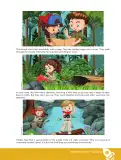
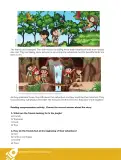
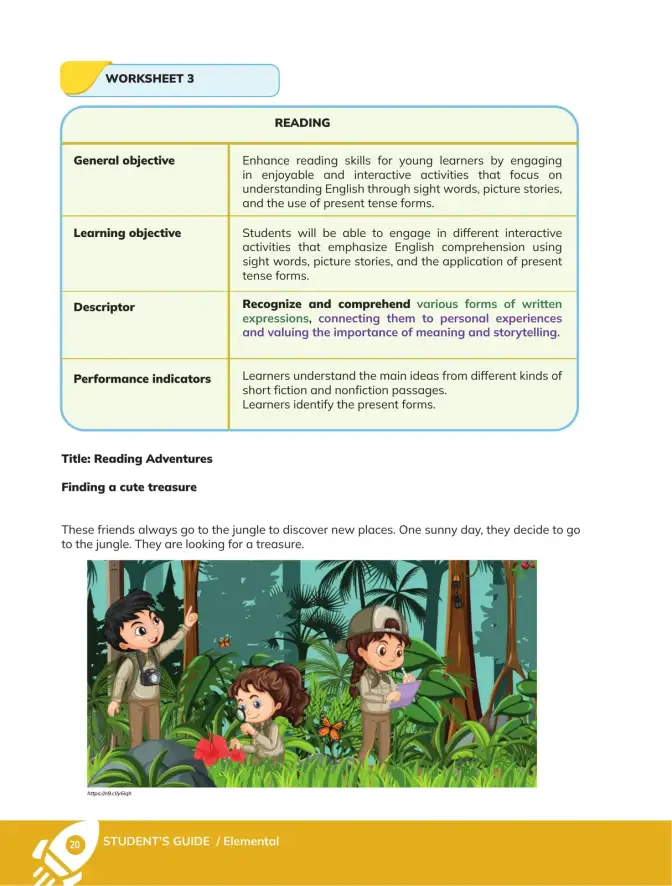
These friends always go to the jungle to discover new places. One sunny day, they decide to go to the jungle. They are looking for a treasure.

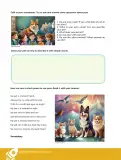
(Ilustración: tres niños exploradores en la selva; uno señala hacia arriba, otro observa una flor con lupa y el tercero toma notas con un cuaderno; hay mariposas y vegetación tropical.)

Ejemplos resueltos

Identificar las formas del presente en: "These friends always go to the jungle."

  1. Verbo: go → present simple. 2. Indicador: adverbio de frecuencia always (siempre). 3. Sujeto friends (3ª persona plural) → sin -s: go. Respuesta: present simple de hábito.

Identificar la forma presente en: "They are looking for a treasure."

  1. Verbo: are looking → present continuous. 2. Estructura: are (verbo be) + looking (verbo + -ing). 3. Señala una acción en curso ahora. Respuesta: present continuous.

Tabla

Palabra Significado Forma del texto
jungle selva go to the jungle
treasure tesoro looking for a treasure
always siempre always go
decide decidir they decide

Fórmulas y ecuaciones

Present simple: sujeto + verbo base (-s en 3ª persona del singular)

Present continuous: sujeto + am/is/are + verbo + -ing

Glosario (7)

jungle
selva; zona natural con mucha vegetación y animales
treasure
tesoro; algo valioso que se busca o se esconde
sight word
palabra de reconocimiento visual que se lee sin deletrear
present continuous
tiempo verbal que indica una acción en progreso: am/is/are + verbo-ing
present simple
tiempo verbal para hechos habituales: go, decide, is/are
discover
descubrir; encontrar algo nuevo por primera vez
sunny
soleado; día con sol

Preguntas para practicar

What is the main idea of 'Finding a cute treasure'?

Three friends always go to the jungle to discover new places, and one sunny day they decide to go again because they are looking for a treasure.

¿Qué lugar visitarían tus amigos y por qué?

Mis amigos irían a la selva porque quieren descubrir lugares nuevos, ver animales y buscar un tesoro, igual que en el cuento.

Name two present forms you found in the text.

Present simple: 'go', 'decide'. Present continuous: 'are looking'.

Temas y conceptos clave

Reading comprehensionPresent simple vs present continuousSight wordsPicture storypresent simplepresent continuoussight wordsmain ideajungletreasure

Fuentes y referencias

  • https://h9.cl/y6iqh
¿Te fue útil esta página?

Preguntas que la gente también hace

¿Cómo identificar las formas del presente en un texto corto en inglés?
Consulta la solución completa arriba o explora el libro entero para temas relacionados.
¿Qué son las sight words y por qué se usan en la lectura inicial?
Consulta la solución completa arriba o explora el libro entero para temas relacionados.
¿Cuál es la diferencia entre present simple y present continuous con ejemplos?
Consulta la solución completa arriba o explora el libro entero para temas relacionados.
📌 Antes de leer esto
  • • Alfabetización básica en inglés: vocabulario de animales, lugares y naturaleza
  • • Reconocer el alfabeto y leer oraciones simples
  • • Conocer verbos básicos: go, decide, look, be
Siguiente tema sugerido
Actividades de lectura guiada con preguntas de comprensión sobre 'Finding a cute treasure' (pág. 22)
📝 Transcripción de la página (texto seleccionable) 1007 caracteres

y worxsteer E) ) (

READING >

General objective Enhance reading skills for young learners by engaging in enjoyable and interactive activities that focus on understanding English through sight words, picture stories, and the use of present tense forms.

Learning objective Students will be able to engage in different interactive activities that emphasize English comprehension using sight words, picture stories, and the application of present tense forms.

Descriptor Recognize and comprehend various forms of written expressions, connecting them to personal experiences and valuing the importance of meaning and storytelling.

Performance indicators Learners understand the main ideas from different kinds of short fiction and nonfiction passages. © Learners identify the present forms. )

Title: Reading Adventures

Finding a cute treasure

These friends always go to the jungle to discover new places. One sunny day, they decide to go to the jungle. They are looking for a treasure.

https:/n9.cl/y6igh

Ad

Otros libros recomendados

Ver todos →
Ad

Usamos cookies propias y de terceros para personalizar contenido, mostrar publicidad y analizar el tráfico. Las cookies necesarias siempre están activas.