Saltar al contenido
MisLibrosTexto
Ad
Ingles 7° · 2024
Libro de Inglés 7 EGB

Ministerio de Educación del Ecuador

19/50

Animals and Habitats: worksheet de lectura y hábitats en inglés

📄 teoria ingles 🎓 primaria · 7° EGB Ecuador 🇪🇨 EC 🗣 Español
Página 19
19 de 50
Página 19 de Ingles 7° · 2024
Anterior Página 19 / 50 Siguiente

Respuesta rápida

  1. Hábitat = hogar de animales y plantas con agua, alimento y seguridad. 2) Vivas: animales; no vivas: aire y rocas. 3) Forests, oceans, deserts, grasslands. 4) Cada animal necesita su hábitat particular. 5) Habitat=hábitat, creature=criatura, living=cosa viva, non-living=cosa no viva.
📚 theory ingles ⭐ Dificultad 1/5 ⏱ 6 min lectura

Solución — Página 19

Ingles 7° · 2024

1
Ejercicio 1

(Comprensión del texto: ¿qué es un hábitat?)

Lee el texto y responde: ¿Qué es un hábitat? ¿Qué necesita un hábitat para mantener la vida?

  1. En el texto se afirma: “A habitat is like a home for animals and plants.” Es decir, un hábitat es un lugar que sirve como hogar para animales y plantas.
  2. El texto dice que un hábitat “has everything they need to stay alive, like food, water, and a safe place to live”.
  3. Por tanto, un hábitat necesita tres cosas esenciales: alimento (food), agua (water) y un lugar seguro para vivir (a safe place to live).
Respuesta

Un hábitat es el lugar o "hogar" donde viven animales y plantas, y debe proveerles todo lo necesario para sobrevivir: alimento, agua y un lugar seguro.

2
Ejercicio 2

(Clasificar información: cosas vivas y no vivas)

Según el texto, ¿cuáles son los ejemplos de living things y cuáles de non-living things dentro de un hábitat?

  1. El texto indica: “In a habitat, there are living things like animals...” → cosas vivas: animales (y plantas, aunque solo se mencionan los animales).
  2. El texto indica: “...and non-living things like air and rocks.” → cosas no vivas: aire y rocas.
  3. Conclusión: en un hábitat conviven componentes bióticos (animales, plantas) y abióticos (aire, rocas, agua, suelo), y “all these together make a perfect home for different creatures”.
Respuesta

Living things = animales (y plantas). Non-living things = aire y rocas.

3
Ejercicio 3

(Identificar ambientes naturales)

Enumera los ambientes naturales mencionados en el texto y explica dónde se ubica cada uno.

  1. El texto dice: “Habitats can be found in different natural environments, such as...”
  2. Lista: forests (bosques), oceans (océanos), deserts (desiertos) y grasslands (praderas).
  3. Cada ambiente es un hábitat distinto, adecuado para diferentes criaturas (por ejemplo, peces en los océanos, cactus en los desiertos).
Respuesta

Forests, oceans, deserts y grasslands.

Ad
4
Ejercicio 4

(Pregunta abierta: reflexión personal)

The worksheet asks: How many animals do you know? Do you know where they live?

  1. El texto pide reflexionar sobre la diversidad animal.
  2. Respuesta orientativa: puedo nombrar perros, gatos, loros, elefantes y tiburones.
  3. Cada uno tiene un hábitat distinto: perros y gatos viven cerca de humanos (forests/grasslands), los elefantes viven en grasslands y forests, los tiburones en oceans, etc.
  4. Esto confirma el mensaje del texto: cada criatura necesita un hábitat con alimento, agua y seguridad.

Respuesta orientativa: Cada animal necesita un hábitat diferente donde encuentre alimento, agua y un lugar seguro; conocer dónde viven nos ayuda a proteger esos ecosistemas.

5
Ejercicio 5

(Vocabulario: terminología del texto)

Completa el cuadro con la traducción y uso de los términos clave del texto.

  1. habitat → hábitat (lugar natural de vida de un organismo).
  2. survive / stay alive → sobrevivir / mantenerse con vida.
  3. creature → criatura (ser vivo).
  4. living vs. non-living things → cosas vivas (animales, plantas) vs. no vivas (aire, rocas, agua).
  5. natural environment → ambiente natural.
Respuesta

Habitat = hábitat; creature = criatura; living things = cosas vivas; non-living things = cosas no vivas; natural environment = ambiente natural.

Contenido de la página

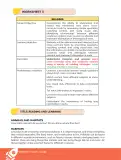
WORKSHEET 3

READING

General Objective: Demonstrate the ability to understand and extract key information from short, cross-curricular texts by answering simple questions, matching content, and using visual aids, identifying relationships between different academic content areas as well as relevant and irrelevant information in informational texts.

Learning objective: Students will be able to read and interpret short cross-curricular texts by answering questions, matching content, and using visual aids. Use this information to identify connections between academic areas and distinguish between relevant and irrelevant information in texts.

Descriptor: Understand, interpret, and uncover short cross-curricular texts and academic content using a variety of reading strategies while showing interest in learning.

Performance indicators:

  • Learners successfully answer simple questions about short cross-curricular texts.
  • Match content from different subjects to show understanding.
  • Use visual aids effectively to help understand texts.
  • Tell what information is important in texts.
  • Use what they read to learn more about different subjects.
  • Understand the importance of having true information in texts.

TITLE: READING AND LEARNING

ANIMALS AND HABITATS

How many animals do you know? Do you know where they live?

HABITATS

A habitat is like a home for animals and plants. It is where they live, and it has everything they need to stay alive, like food, water, and a safe place to live. Habitats can be found in different natural environments, such as forests, oceans, deserts, and grasslands. In a habitat, there are living things like animals and non-living things like air and rocks. All these together make a perfect home for different creatures.

STUDENT'S GUIDE / Media

Ejemplos resueltos

Ejemplo de hábitat según el texto: un océano.

El océano es un hábitat natural: contiene agua, alimentos (plancton, peces) y refugio seguro para criaturas marinas como delfines y tiburones.

Tabla

Concepto Definición según el texto Ejemplo
Habitat Hogar de animales y plantas; tiene todo lo necesario para vivir Bosque, océano
Living things Seres vivos del hábitat Animales, plantas
Non-living things Elementos no vivos del hábitat Aire, rocas
Natural environments Ambientes donde se encuentran hábitats Forests, oceans, deserts, grasslands

Diagrama

mindmap
  root((Habitat))
    Living things
      Animals
      Plants
    Non-living things
      Air
      Rocks
      Water
    Natural environments
      Forests
      Oceans
      Deserts
      Grasslands

Glosario (10)

Habitat
Lugar natural donde viven animales y plantas; contiene alimento, agua y un lugar seguro.
Creature
Criatura; cualquier ser vivo que habita un hábitat.
Living things
Seres vivos, como animales y plantas, dentro de un hábitat.
Non-living things
Elementos no vivos, como el aire, las rocas y el agua, en un hábitat.
Natural environment
Ambiente natural: bosque, océano, desierto o pradera donde se desarrolla un hábitat.
Forest
Bosque; hábitat con árboles y vegetación densa.
Ocean
Océano; gran masa de agua salada hábitat de peces y ballenas.
Desert
Desierto; ambiente seco con poca lluvia y flora adaptada.
Grassland
Pradera; amplia área con pastos y herbívoros.
Stay alive
Sobrevivir; mantenerse con vida gracias a los recursos del hábitat.

Preguntas para practicar

How many animals do you know? Do you know where they live?

Puedo nombrar varios animales: perro, gato, elefante, tiburón, loro, etc. Cada uno vive en un hábitat distinto: perros y gatos cerca de los humanos (grasslands/forests), elefantes en grasslands y forests, tiburones en oceans, etc.

¿Por qué el texto dice que un hábitat es 'like a home' para los seres vivos?

Porque, igual que una casa humana, un hábitat protege a sus habitantes y les provee los recursos necesarios: alimento, agua y un lugar seguro para vivir y reproducirse.

¿Por qué es importante tener información verdadera en los textos (having true information in texts)?

La información verdadera permite tomar decisiones correctas y aprender con confianza; datos falsos pueden llevarnos a errores y a malentendidos sobre el mundo.

Temas y conceptos clave

Reading - Worksheet 3Animals and HabitatsObjetivos de lectura (descriptors e indicadores de desempeño)Definición de hábitatHabitatLiving things / Non-living thingsNatural environmentsReading strategiesRelevant vs. irrelevant information
¿Te fue útil esta página?

Preguntas que la gente también hace

¿Qué es un hábitat según el texto Animals and Habitats?
Consulta la solución completa arriba o explora el libro entero para temas relacionados.
¿Cuáles son algunos ejemplos de hábitats naturales?
Consulta la solución completa arriba o explora el libro entero para temas relacionados.
¿Qué diferencia hay entre living things y non-living things en un hábitat?
Consulta la solución completa arriba o explora el libro entero para temas relacionados.
📌 Antes de leer esto
  • • Vocabulario básico de animales y lugares (forests, oceans, deserts, grasslands)
  • • Lectura de oraciones simples en inglés
Siguiente tema sugerido
Animals and habitats: tipos de hábitats y especies que los habitan, con actividades de matching y preguntas de comprensión
📝 Transcripción de la página (texto seleccionable) 1786 caracteres

__/ WORKSHEET 3 )

General Objective Demonstrate the ability to understand and extract key information from short, cross- curricular texts by answering simple questions, matching content, and using visual aids, identifying relationships between _ different academic content areas as well as relevant and irrelevant information in informational texts.

Learning objective Students will be able to read and interpret short cross-curricular texts by answering questions, matching content, and using visual aids. Use this information to identify connections between academic areas and distinguish between relevant and irrelevant information in texts.

Descriptor Understand, interpret, and uncover short cross-curricular texts and academic content using a variety of reading strategies while showing interest in learning.

Performance indicators Learners successfully answer simple questions about short cross-curricular texts.

Match content from different subjects to show understanding.

Use visual aids effectively to help understand texts.

Tell what information is important in texts.

Use what they read to learn more about different subjects.

Understand the importance of having true information in texts.

IAE READING AND LEARNING )

ANIMALS AND HABITATS How many animals do you know? Do you know where they live?

HABITATS

A habitat is like a home for animals and plants. It is where they live, and it has everything they need to stay alive, like food, water, and a safe place to live. Habitats can be found in different natural environments, such as forests, oceans, deserts, and grasslands. In a habitat, there are living things like animals and non-living things like air and rocks. All these together make a perfect home for different creatures.

(18) STUDENTS GUIDE / Media

Ad

Otros libros recomendados

Ver todos →
Ad

Usamos cookies propias y de terceros para personalizar contenido, mostrar publicidad y analizar el tráfico. Las cookies necesarias siempre están activas.