
















Saltar al contenido
MisLibrosTexto
Ad
Ingles 9° · 2024
Libro de Inglés 9 EGB

Ministerio de Educación del Ecuador

24/50

Global Warming: Effects, Mitigation and Adaptation

📄 teoria ingles 🎓 secundaria · 9° EGB Ecuador 🇪🇨 EC 🗣 Español
Página 24
24 de 50
Página 24 de Ingles 9° · 2024
Anterior Página 24 / 50 Siguiente

Respuesta rápida

Efectos: subida del nivel del mar, eventos climáticos extremos, pérdida de biodiversidad, daños a la salud. Mitigación: reducir emisiones, energía renovable, uso sostenible del suelo. Adaptación: infraestructura protectora y nuevas tecnologías.

📚 theory ingles ⭐⭐ Dificultad 2/5 ⏱ 5 min lectura

Solución — Página 24

Ingles 9° · 2024

1
Ejercicio 1

Read the section Effects and list the negative effects of global warming mentioned.

  1. Locating the keyword "Effects" in the first box of the page.
  2. Identifying each item after "including": rising sea levels, more frequent and severe weather events, loss of biodiversity, and negative impacts on human health and well-being.
  3. Counting: 4 effects in total.

Respuesta

rising sea levels; more frequent and severe weather events; loss of biodiversity; negative impacts on human health and well-being.
2
Ejercicio 2

According to the text, what actions are included in Mitigation?

  1. Reading the Mitigation paragraph: "This includes reducing greenhouse gas emissions, transitioning to renewable energy sources, and promoting sustainable land use practices."
  2. Extracting each gerund phrase as one action.

Respuesta

reducing greenhouse gas emissions; transitioning to renewable energy sources; promoting sustainable land use practices.

3
Ejercicio 3

What does Adaptation involve, according to the text?

  1. Reading the Adaptation box: some impacts are already inevitable, so adaptation is needed.
  2. Identifying the two main actions: (a) building infrastructure to protect against rising sea levels and severe weather events; (b) developing new technologies to mitigate the effects of global warming.

Respuesta

building protective infrastructure and developing new mitigation technologies.

Ad
4
Ejercicio 4

Match the concept with its correct description: (a) Mitigation, (b) Adaptation.

  1. Reducing emissions before damage occurs → prevention → Mitigation (a).
  2. Building sea walls when sea level rise is already happening → responding to existing damage → Adaptation (b).

Respuesta

(a) Mitigation; (b) Adaptation.

5
Ejercicio 5

In your opinion, which is more urgent: mitigation or adaptation? Justify.

  1. Consider that the text says effects "are already being felt" and "are expected to worsen."
  2. Because impacts will continue regardless, both are needed, but mitigation addresses the root cause.

Respuesta orientativa: Both are necessary: mitigation attacks the cause (greenhouse gas emissions), while adaptation protects people from impacts already happening. A balanced approach combining both is the most effective strategy.

Contenido de la página

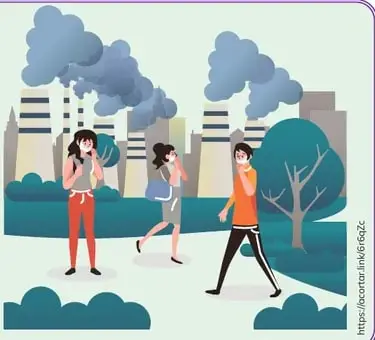
Effects: Global warming has many negative effects on the planet, including rising sea levels, more frequent and severe weather events, loss of biodiversity, and negative impacts on human health and well-being. These effects are already being felt around the world, and they are expected to worsen in the coming years.
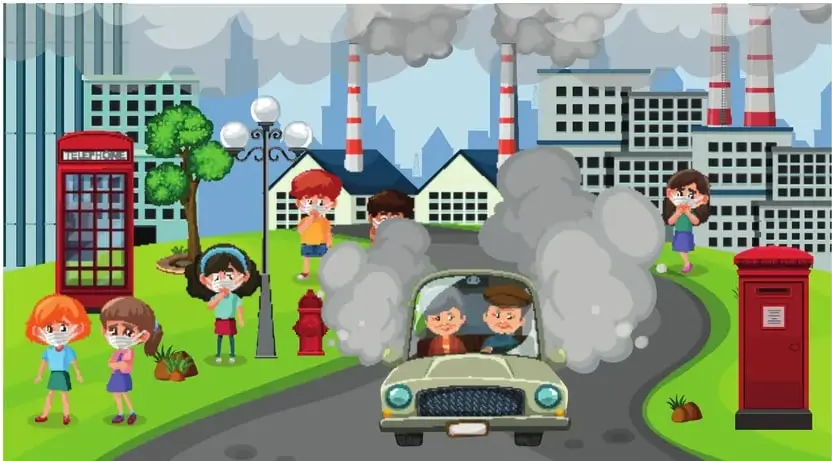
Mitigation: Mitigating the effects of global warming requires a collective effort from individuals, governments, and businesses. This includes reducing greenhouse gas emissions, transitioning to renewable energy sources, and promoting sustainable land use practices.

Adaptation: Adapting to the effects of global warming is also important, as some impacts are already inevitable. This includes building infrastructure to protect against rising sea levels and more frequent and severe weather events, as well as developing new technologies to mitigate the effects of global warming.


STUDENT'S GUIDE / Superior — pág. 23

Ejemplos resueltos

Read: "Mitigating the effects of global warming requires a collective effort from individuals, governments, and businesses." Who must act?

The text states three agents: individuals, governments, and businesses. Together they form the "collective effort."

Tabla

Concept Meaning Example actions
Effects Negative consequences already happening Rising sea levels, health issues
Mitigation Reduce the cause Cut emissions, use renewables
Adaptation Cope with impacts Build sea walls, new tech

Diagrama

flowchart TD
    A[Global Warming] --> B[Effects]
    A --> C[Mitigation]
    A --> D[Adaptation]
    B --> B1[Rising sea levels]
    B --> B2[Severe weather events]
    B --> B3[Loss of biodiversity]
    B --> B4[Health impacts]
    C --> C1[Reduce GHG emissions]
    C --> C2[Renewable energy]
    C --> C3[Sustainable land use]
    D --> D1[Protective infrastructure]
    D --> D2[New technologies]

Glosario (7)

global warming
Aumento de la temperatura media de la Tierra por gases de efecto invernadero.
mitigation
Acciones para reducir la causa del problema (emisiones de gases de efecto invernadero).
adaptation
Acciones para afrontar los impactos ya inevitables del cambio climático.
biodiversity
Variedad de especies vivientes en un ecosistema.
greenhouse gas emissions
Emisiones de gases (CO₂, metano) que atrapan calor en la atmósfera.
renewable energy sources
Fuentes de energía inagotables: solar, eólica, hidroeléctrica.
infrastructure
Construcciones y sistemas básicos de una zona (carreteras, defensas costeras).

Preguntas para practicar

Which is more urgent: mitigation or adaptation? Justify your answer.

Both are necessary: mitigation addresses the root cause (emissions), while adaptation protects people from impacts already occurring; a balanced combination is the most effective strategy.

What can individuals do to mitigate global warming?

Individuals can reduce energy consumption, use public transport or bicycles, recycle, and choose renewable energy providers to lower their carbon footprint.

Temas y conceptos clave

Global warmingEffects of climate changeMitigationAdaptationglobal warmingrising sea levelsbiodiversity lossgreenhouse gas emissionsrenewable energymitigationadaptation

Fuentes y referencias

  • https://lacet.ink/NULAz8
¿Te fue útil esta página?

Figuras de la página (2)

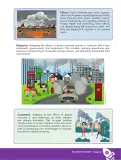
Ciudad contaminada: auto emitiendo humo, niños tapándose la nariz, fábricas con humo, buzones rojos estilo británico.
Figura 2 image
Personas caminando por una ciudad con fábricas contaminando al fondo (adaptación al cambio climático).
Figura 3 image

Preguntas que la gente también hace

¿Qué diferencia hay entre mitigación y adaptación al calentamiento global?
Consulta la solución completa arriba o explora el libro entero para temas relacionados.
¿Qué efectos del calentamiento global describe el texto?
Consulta la solución completa arriba o explora el libro entero para temas relacionados.
¿Por qué es importante la mitigación de gases de efecto invernadero?
Consulta la solución completa arriba o explora el libro entero para temas relacionados.
📌 Antes de leer esto
  • • Vocabulario básico sobre medio ambiente en inglés
  • • Comprensión lectora de textos expositivos
Siguiente tema sugerido
Ejercicios de vocabulario y expresión oral sobre cambio climático
📝 Transcripción de la página (texto seleccionable) 938 caracteres

k/VbI1X4

Effects: Global warming has many negative effects on the planet, including rising sea levels, more frequent and severe weather events, loss of biodiversity, and negative impacts on human health and well-being. These effects are already being felt around the world, and they are expected to worsen in the coming years.

Mitigation: Mitigating the effects of global warming requires a collective effort from individuals, governments, and businesses. This includes reducing greenhouse gas emissions, transitioning to renewable energy sources, and promoting sustainable land use practices.

S2V1I0N/AU

Adaptation: Adapting to the effects of global warming is also important, as some impacts are already inevitable. This includes building infrastructure to protect against rising sea levels and more frequent and severe weather events, as well as developing new technologies to mitigate the effects of global warming.

inlink/6r6qZc

Ad

Otros libros recomendados

Ver todos →
Ad

Usamos cookies propias y de terceros para personalizar contenido, mostrar publicidad y analizar el tráfico. Las cookies necesarias siempre están activas.