
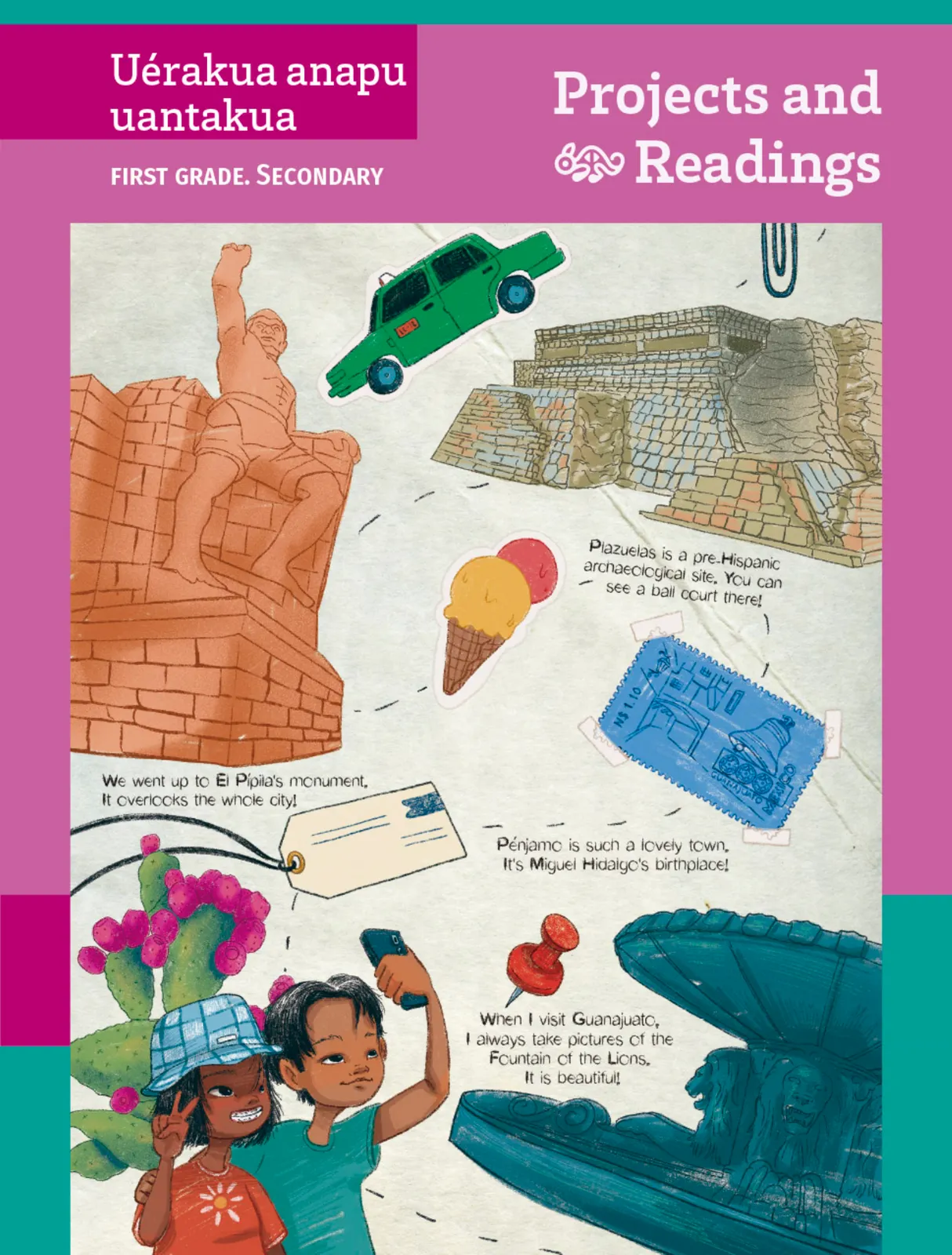
Página — Uerakua Anapu Uantakua Projects And Readings 1° Secundaria (pág. 131)
Solución no disponible aún
Esta página está en proceso de revisión.
Pídela y la resolveremos antes. Sin registro.
📝 Transcripción de la página (texto seleccionable) 1972 caracteres
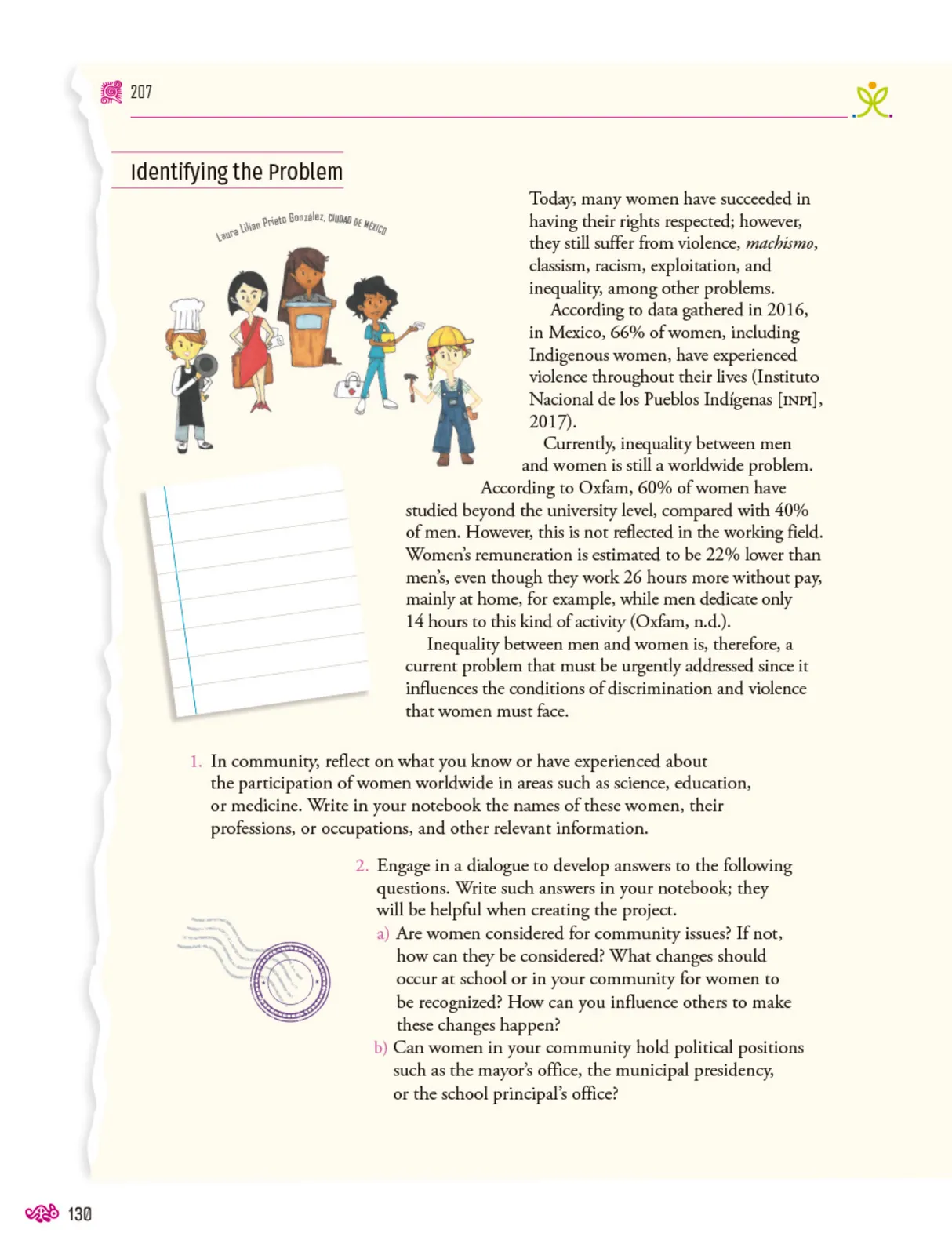
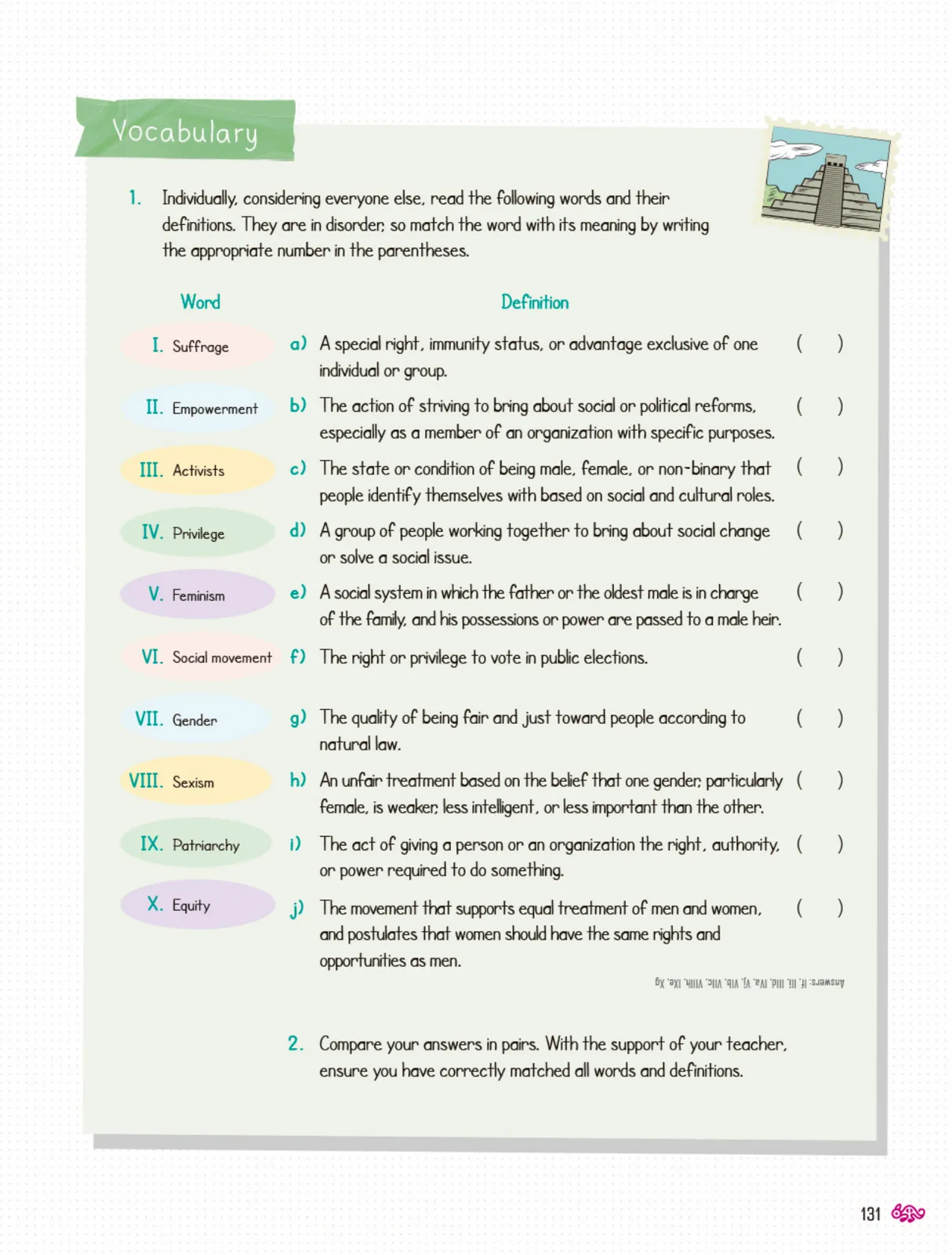
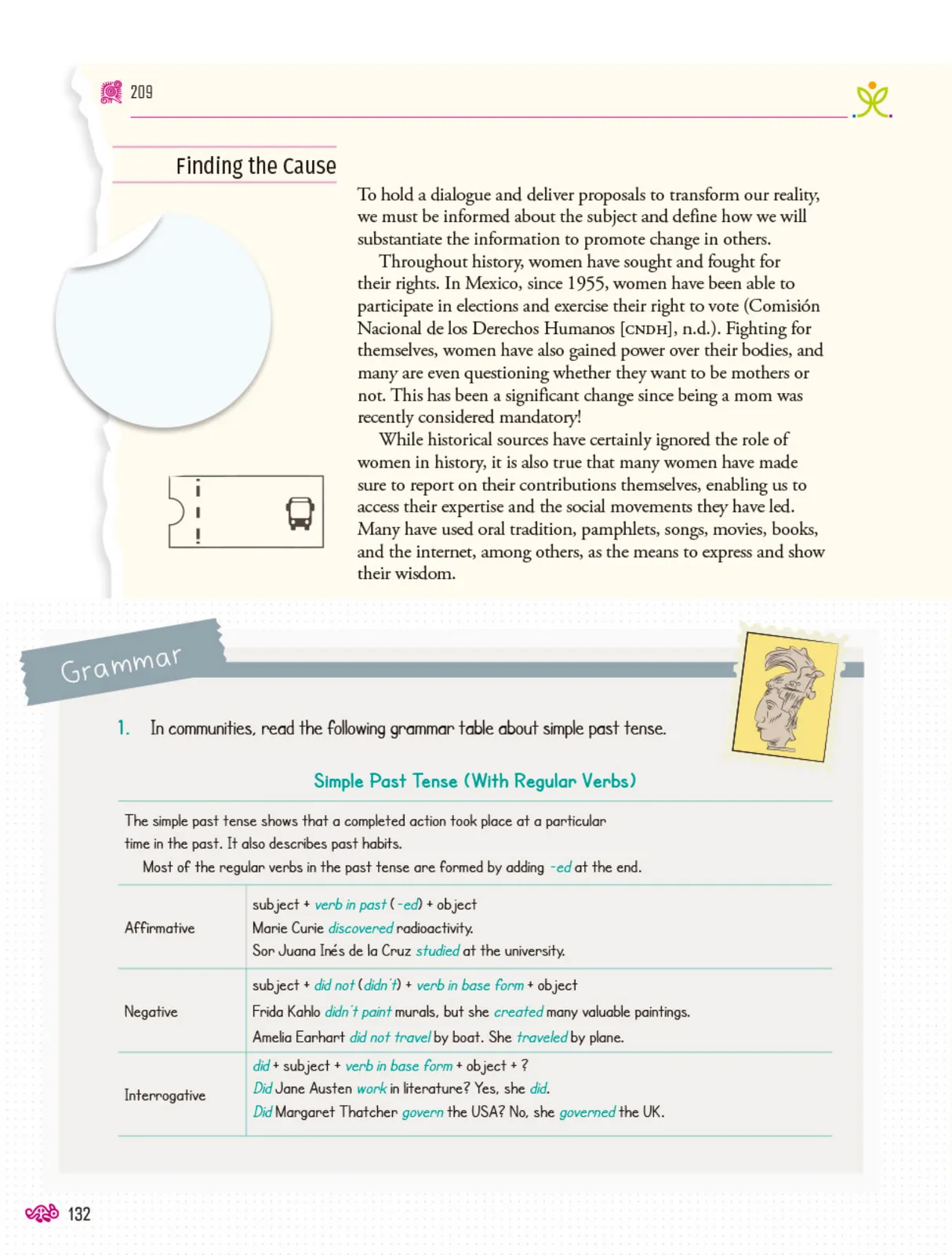
Identifying the Problem
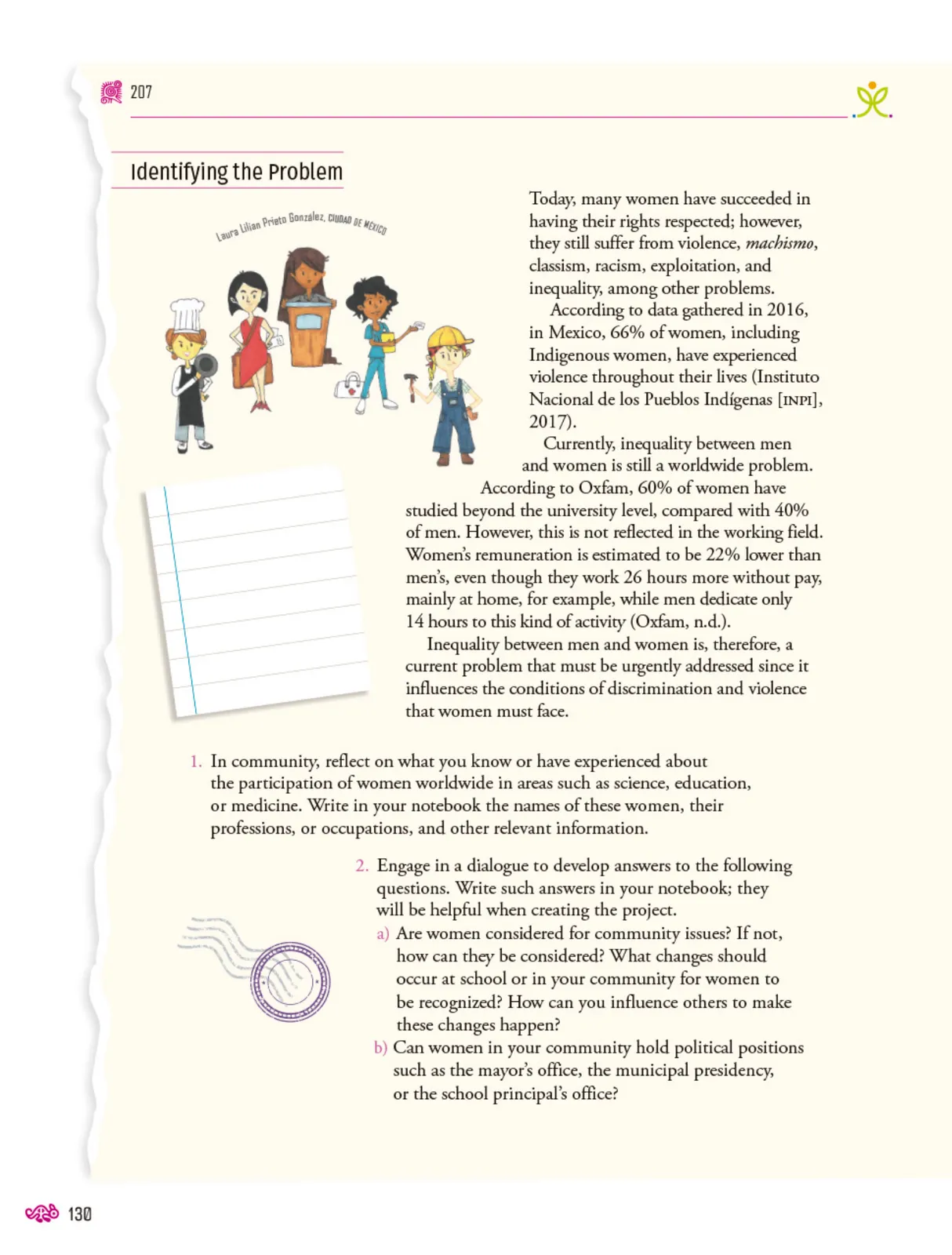
Today, many women have succeeded in having their rights respected; however,they still suffer from violence, machismo,classism, racism, exploitation, and inequality, among other problems.
According to data gathered in 2016,in Mexico, 66% of women, including Indigenous women, have experienced violence throughout their lives (Instituto Nacional de los Pueblos Indígenas [INpi],2017).
Currently, inequality between men and women is still a worldwide problem.
According to Oxfam, 60% of women have studied beyond the university level, compared with 40%of men. However, this is not reflected in the working field.Women's remuneration is estimated to be 22% lower than men's, even though they work 26 hours more without pay,mainly at home, for example, while men dedicate only 14 hours to this kind of activity (Oxfam, n.d.).
Inequality between men and women is, therefore, a current problem that must be urgently addressed since it influences the conditions of discrimination and violence that women must face.
In community, reflect on what you know or have experienced about the participation of women worldwide in areas such as science, education,or medicine. Write in your notebook the names of these women, their professions, or occupations, and other relevant information.
Engage in a dialogue to develop answers to the following questions. Write such answers in your notebook; they will be helpful when creating the project.
a) Are women considered for community issues? If not,how can they be considered? What changes should occur at school or in your community for women to be recognized? How can you influence others to make these changes happen?
b) Can women in your community hold political positions such as the mayor's office, the municipal presidency,or the school principal's office?
207
灾.


A
130
Otros libros recomendados
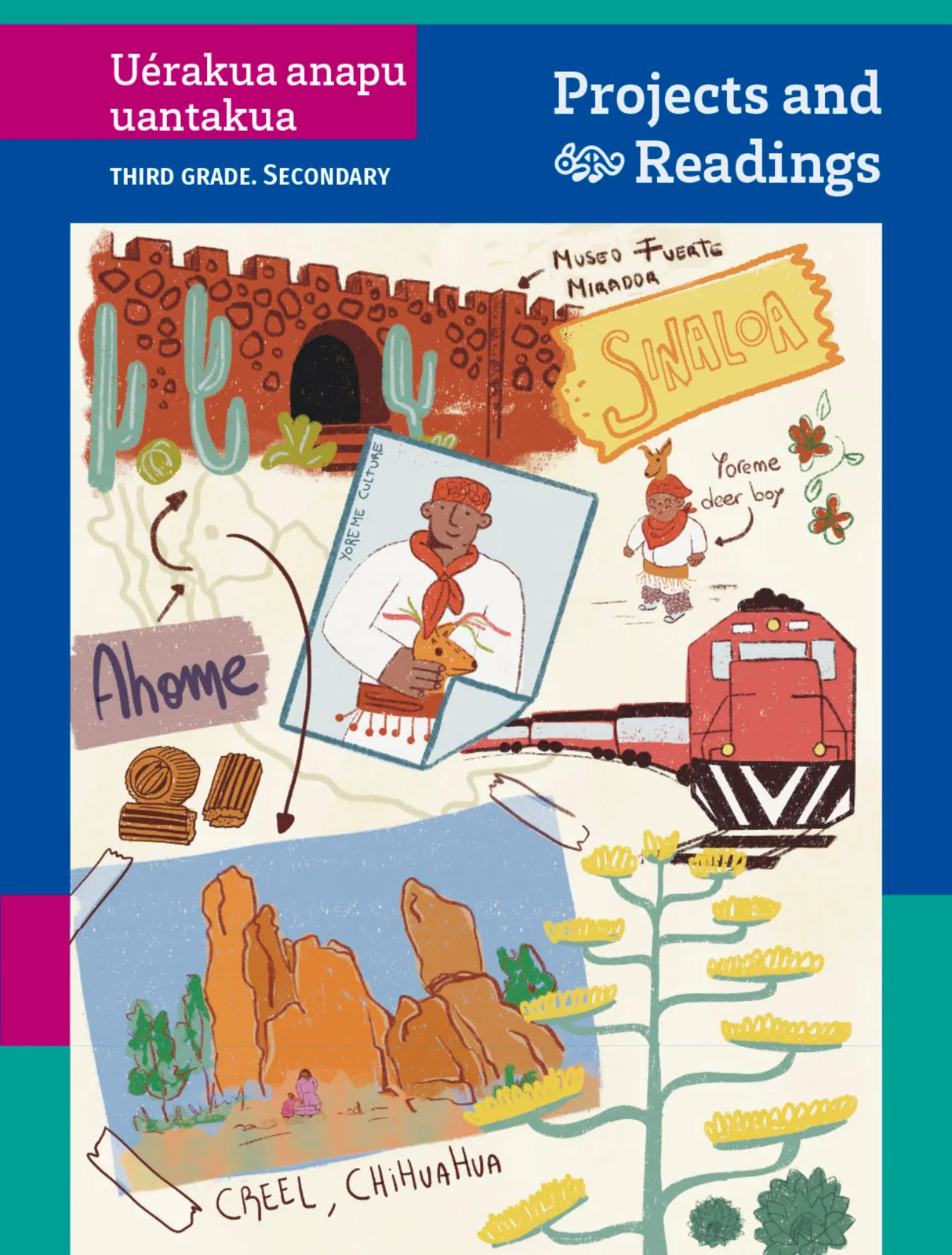
Uérakua anapu uantakua. Projects and Readings. Libro de Educación Secundaria Grado 3° Ciclo Escolar 2025 - 2026
SEP/CONALITEG
187 págs.
Uérakua anapu uantakua. Projects and Readings. Libro de Educación Secundaria Grado 2° Ciclo Escolar 2025 - 2026
SEP/CONALITEG
171 págs.
Colección Ximhai. De lo humano y lo comunitario. Libro de Educación Secundaria Grado 1° Ciclo Escolar 2025 - 2026
SEP/CONALITEG
259 págs.
Colección Ximhai. Nuestro libro de proyectos. Libro de Educación Secundaria Grado 1° Ciclo Escolar 2025 - 2026
SEP/CONALITEG
299 págs.
Un libro sin recetas para la maestra y el maestro. Fase 6. Libro de Educación Secundaria Grado 1°, 2°, 3° Ciclo Escolar 2025 - 2026
SEP/CONALITEG
202 págs.
Colección Ximhai. Saberes y pensamiento científico. Libro de Educación Secundaria Grado 1° Ciclo Escolar 2025 - 2026
SEP/CONALITEG
339 págs.
Colección Ximhai. Múltiples lenguajes. Libro de Educación Secundaria Grado 1° Ciclo Escolar 2025 - 2026
SEP/CONALITEG
163 págs.
Ciencias Naturales 9° · Secundaria Activa
MinEducación
318 págs.