
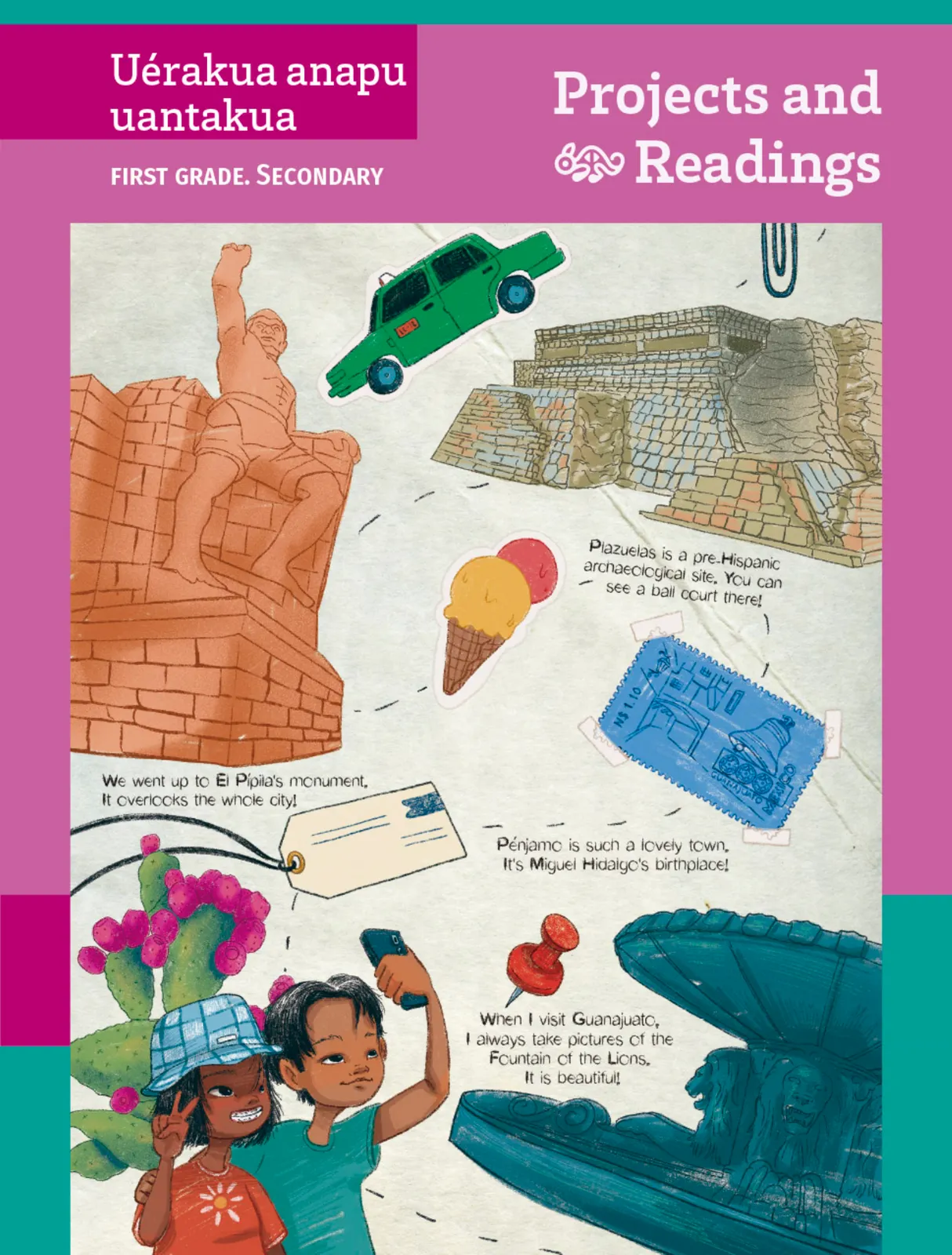
Página — Uerakua Anapu Uantakua Projects And Readings 1° Secundaria (pág. 50)
Solución no disponible aún
Esta página está en proceso de revisión.
Pídela y la resolveremos antes. Sin registro.
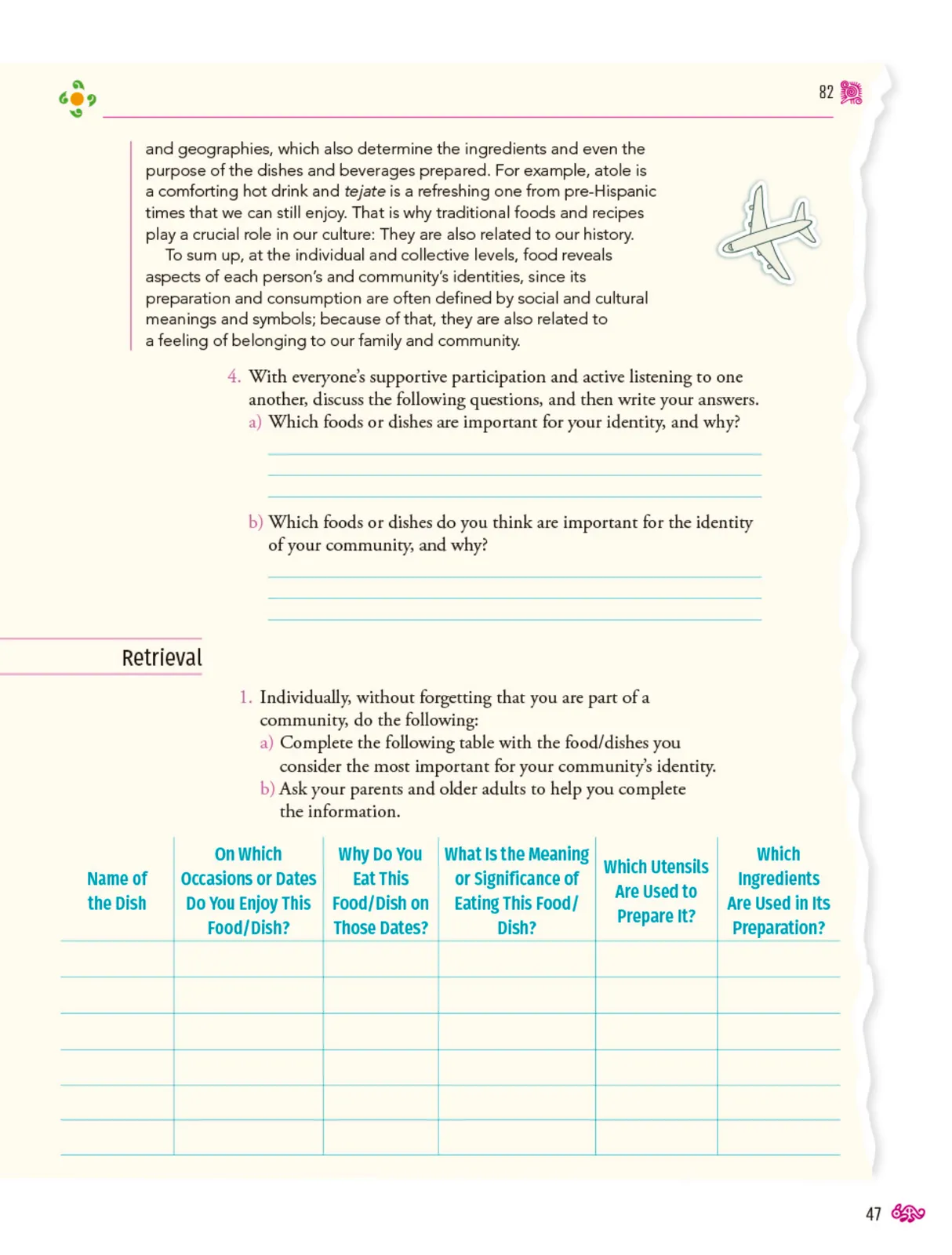
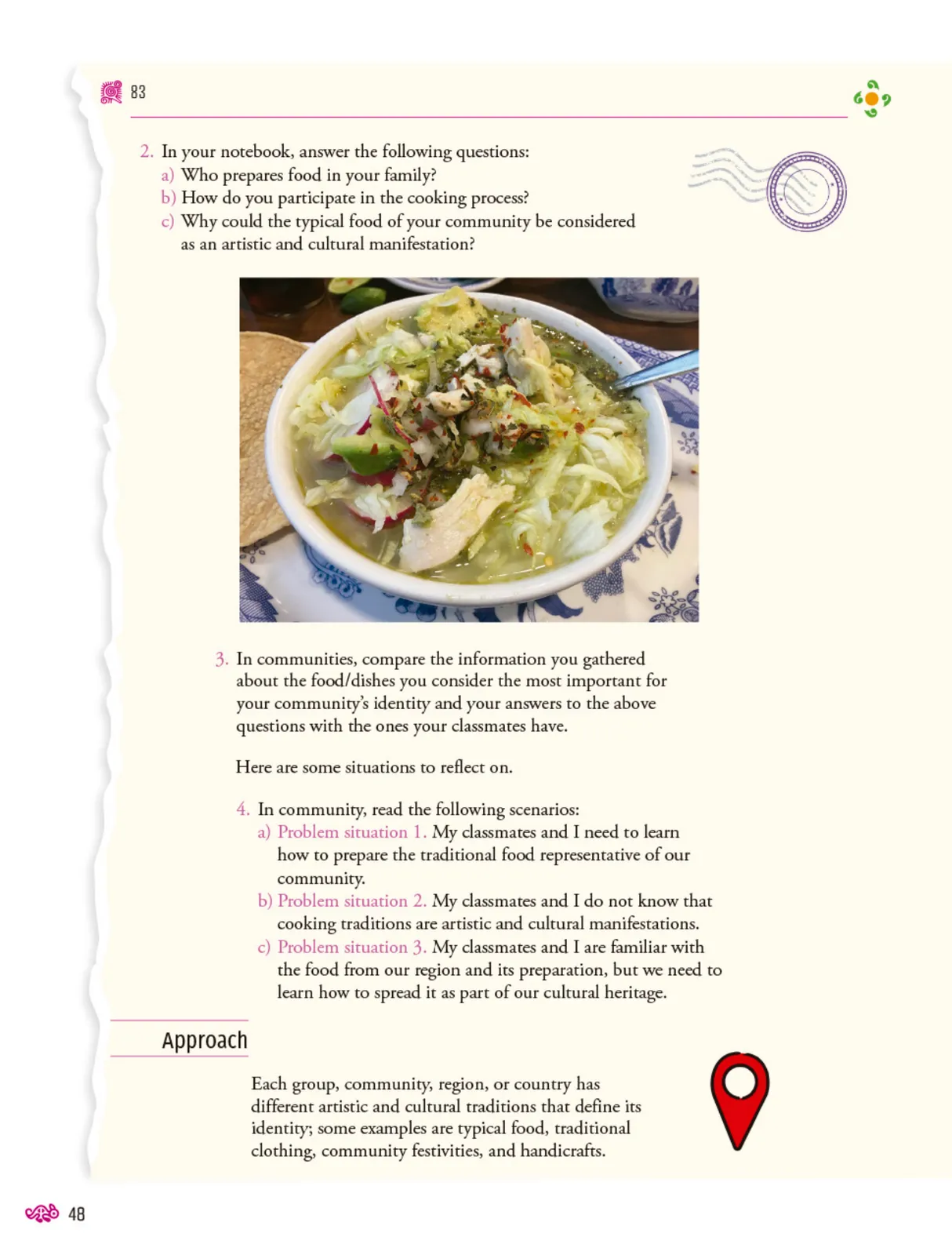
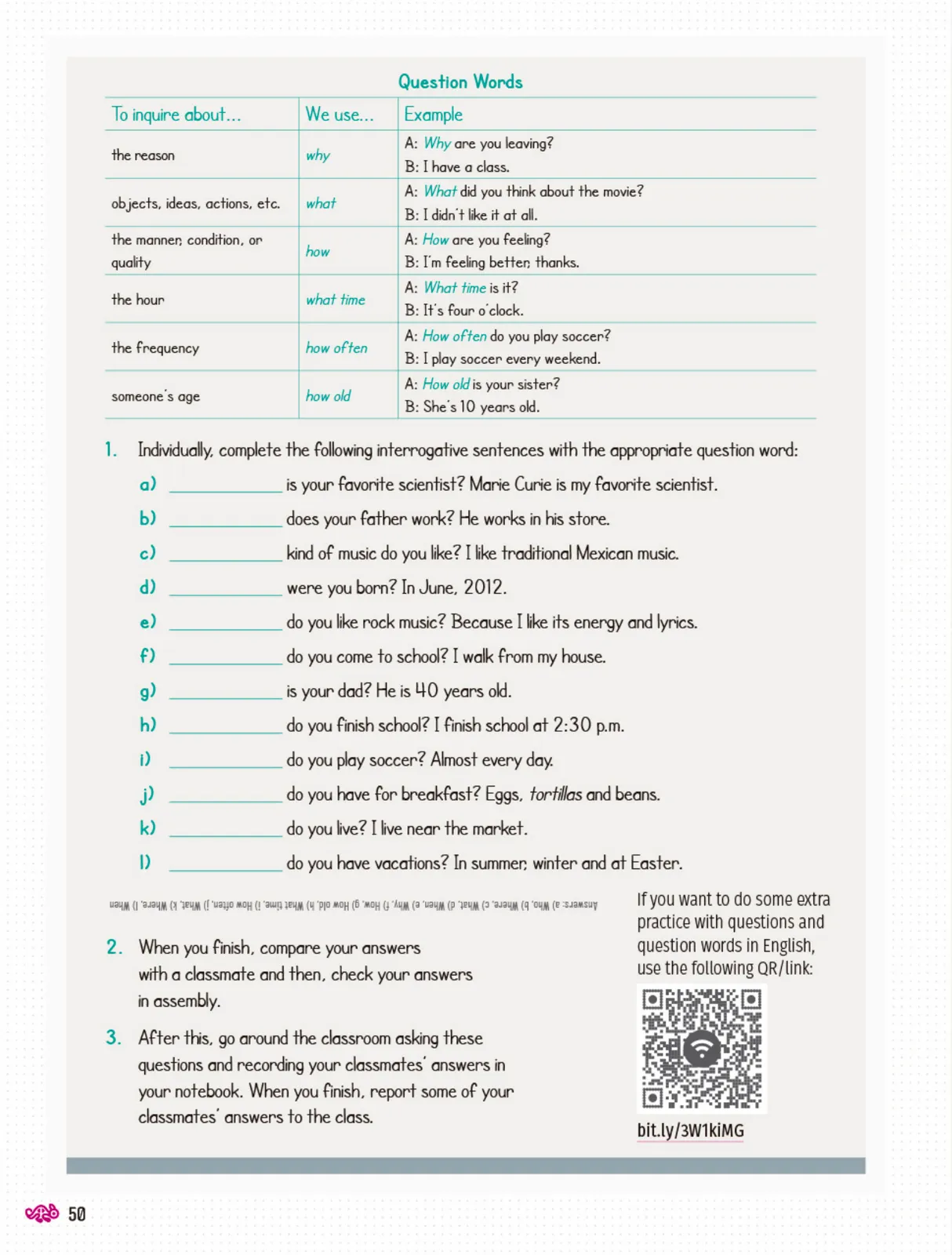
📝 Transcripción de la página (texto seleccionable) 2148 caracteres
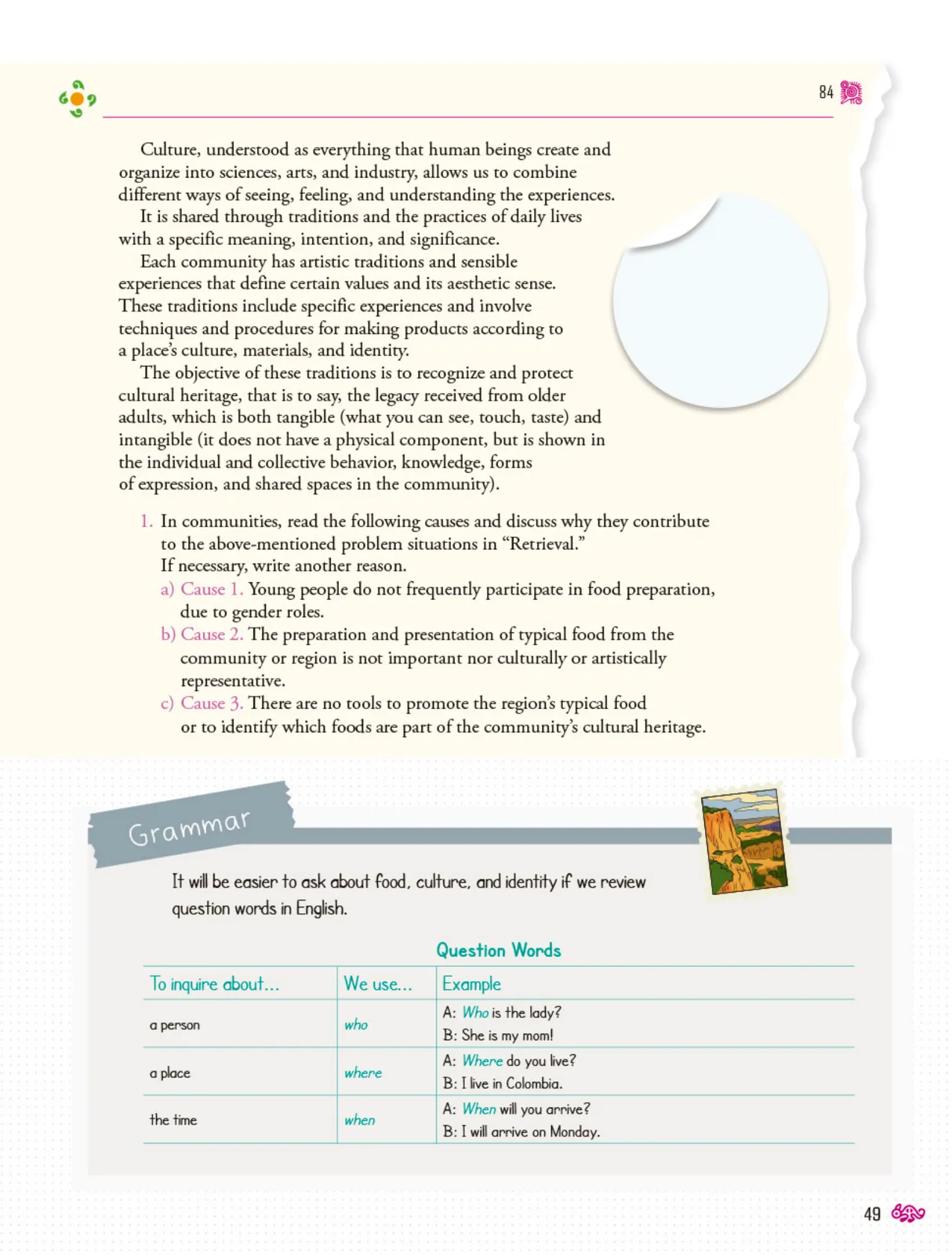
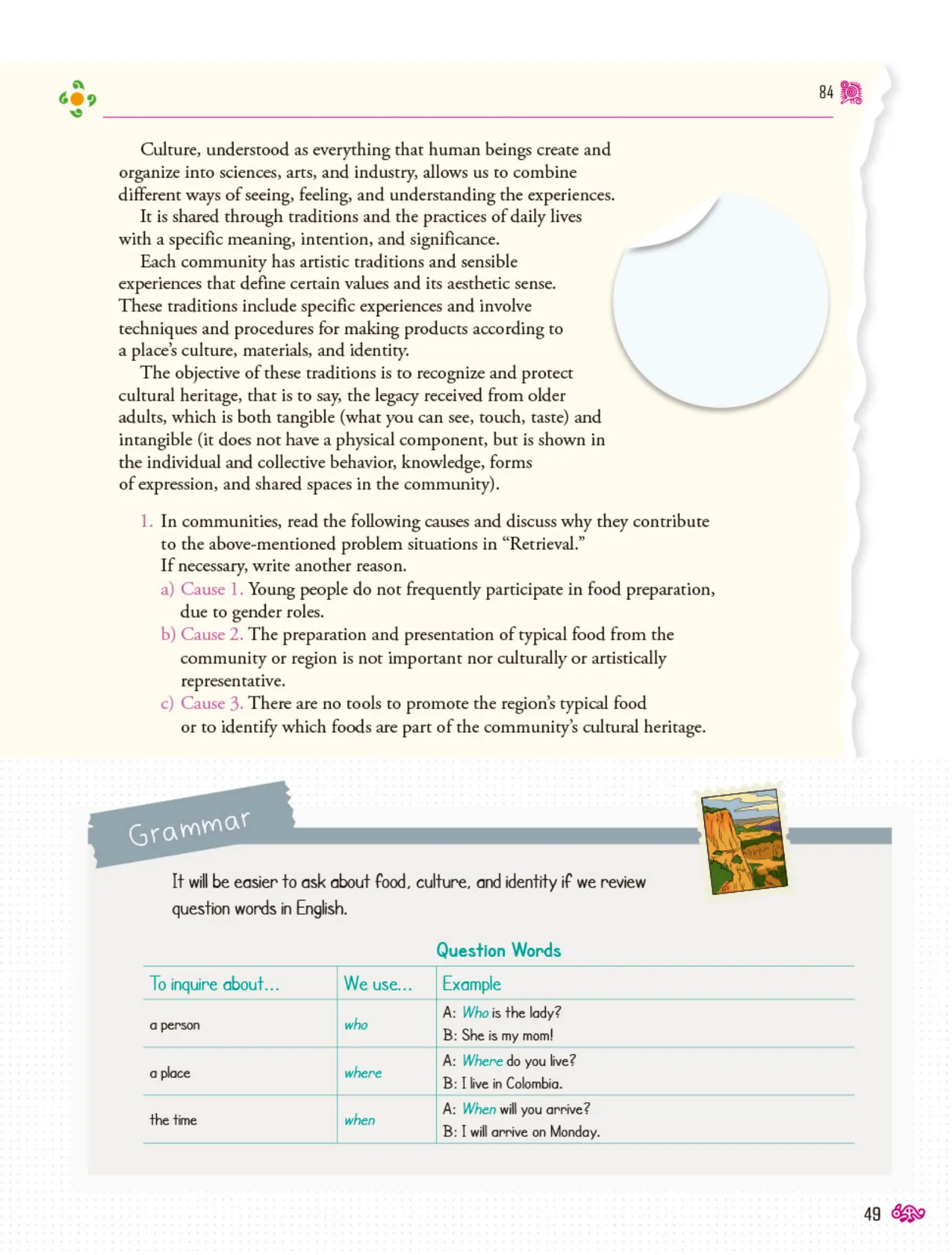
Culture, understood as everything that human beings create and organize into sciences, arts, and industry, allows us to combine different ways of seeing, feeling, and understanding the experiences
It is shared through traditions and the practices of daily lives with a specific meaning, intention, and significance.
Each community has artistic traditions and sensible experiences that define certain values and its aesthetic sense.These traditions include specific experiences and involve techniques and procedures for making products according to a place's culture, materials, and identity.
The objective of these traditions is to recognize and protect cultural heritage, that is to say, the legacy received from older adults, which is both tangible (what you can see, touch, taste) and intangible (it does not have a physical component, but is shown in the individual and collective behavior, knowledge, forms of expression, and shared spaces in the community).
- In communities, read the following causes and discuss why they contribute to the above-mentioned problem situations in "Retrieval."
If necessary, write another reason.
a) Cause 1. Young people do not frequently participate in food preparation,due to gender roles.
b) Cause 2. The preparation and presentation of typical food from the community or region is not important nor culturally or artistically representative.
c) Cause 3. There are no tools to promote the region's typical food or to identify which foods are part of the community's cultural heritage.
Grammar
It will be easier to ask about food, culture, and identity if we review question words in English.
,
84


Question Words
| To inquire about... | We use.... | Example |
| a penson | who | A: Who is the lady? B: She is my mom! |
| a place | where | A: Whenedo you live? B: I live in Colombia. |
| the time | when | A: When will you arrive? B: I will arrive on Monday. |
49
乐
Otros libros recomendados
Uérakua anapu uantakua. Projects and Readings. Libro de Educación Secundaria Grado 3° Ciclo Escolar 2025 - 2026
SEP/CONALITEG
187 págs.
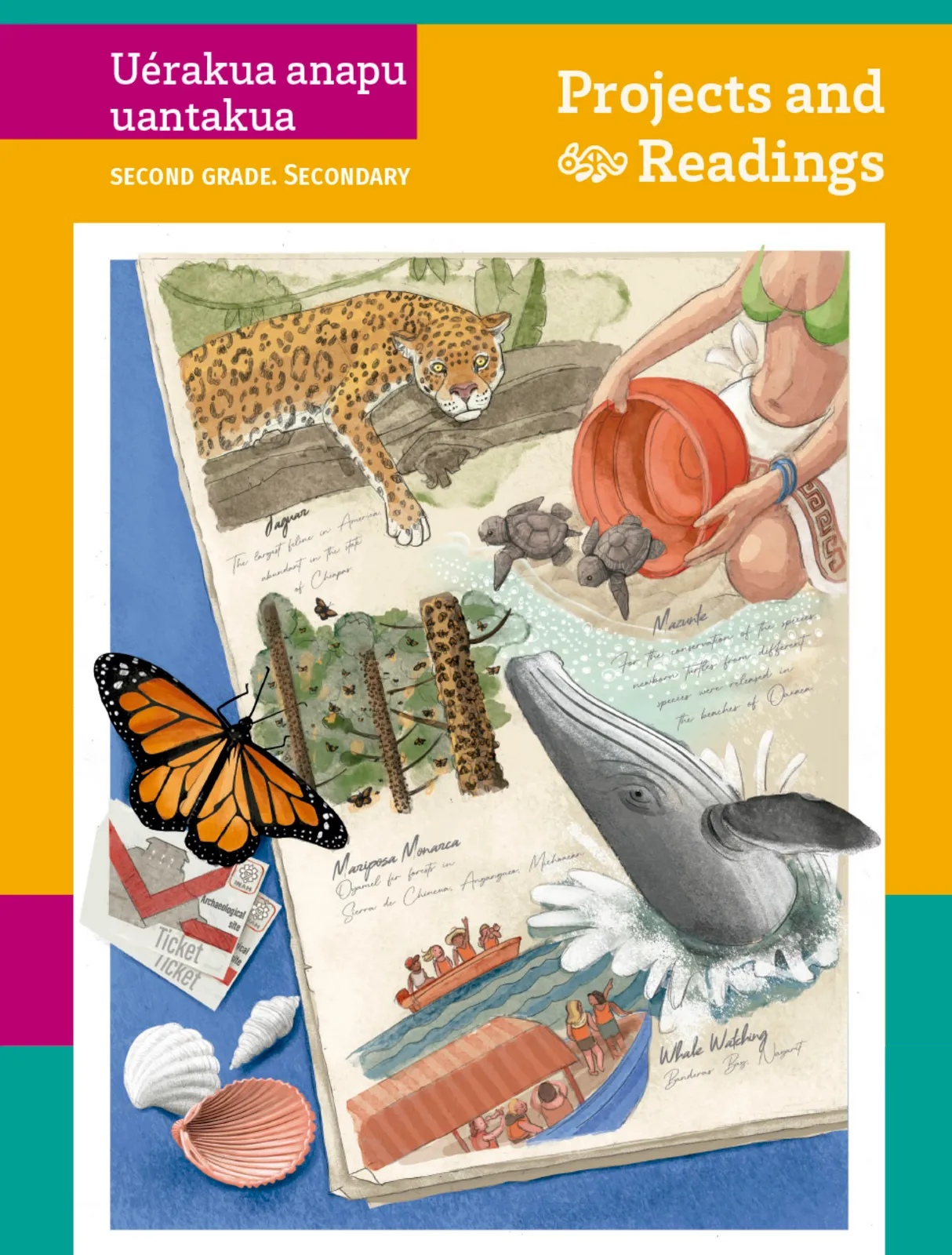
Uérakua anapu uantakua. Projects and Readings. Libro de Educación Secundaria Grado 2° Ciclo Escolar 2025 - 2026
SEP/CONALITEG
171 págs.
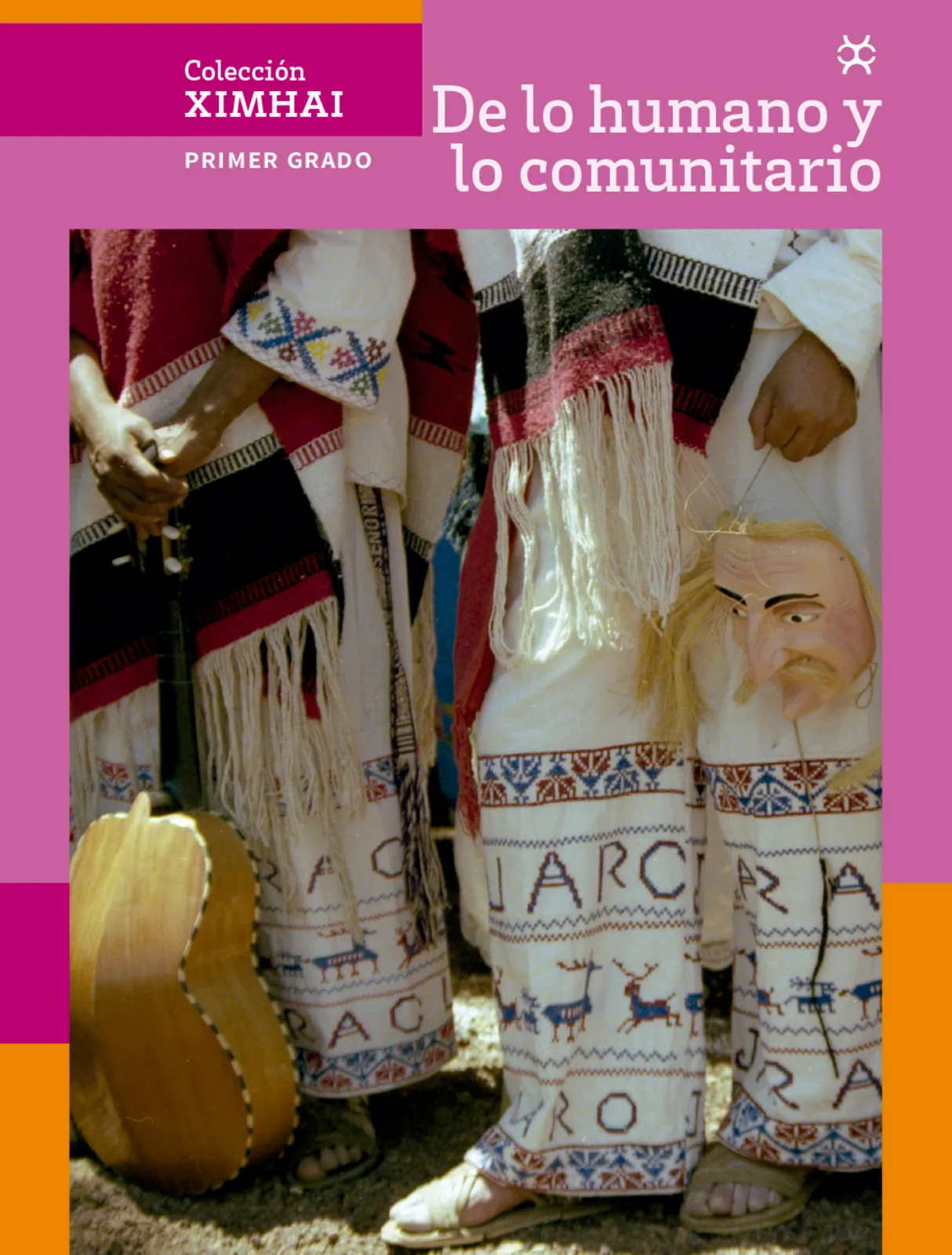
Colección Ximhai. De lo humano y lo comunitario. Libro de Educación Secundaria Grado 1° Ciclo Escolar 2025 - 2026
SEP/CONALITEG
259 págs.
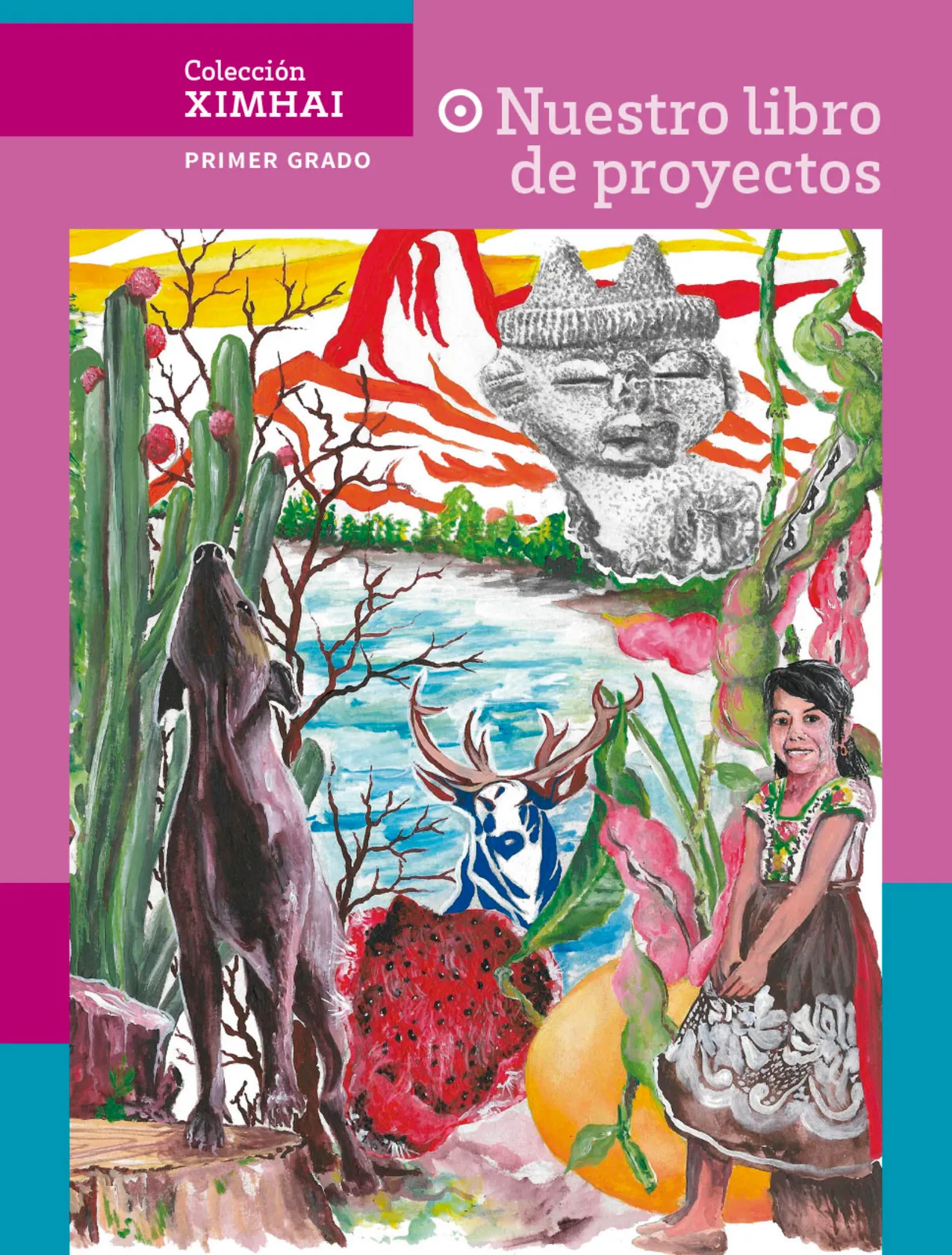
Colección Ximhai. Nuestro libro de proyectos. Libro de Educación Secundaria Grado 1° Ciclo Escolar 2025 - 2026
SEP/CONALITEG
299 págs.
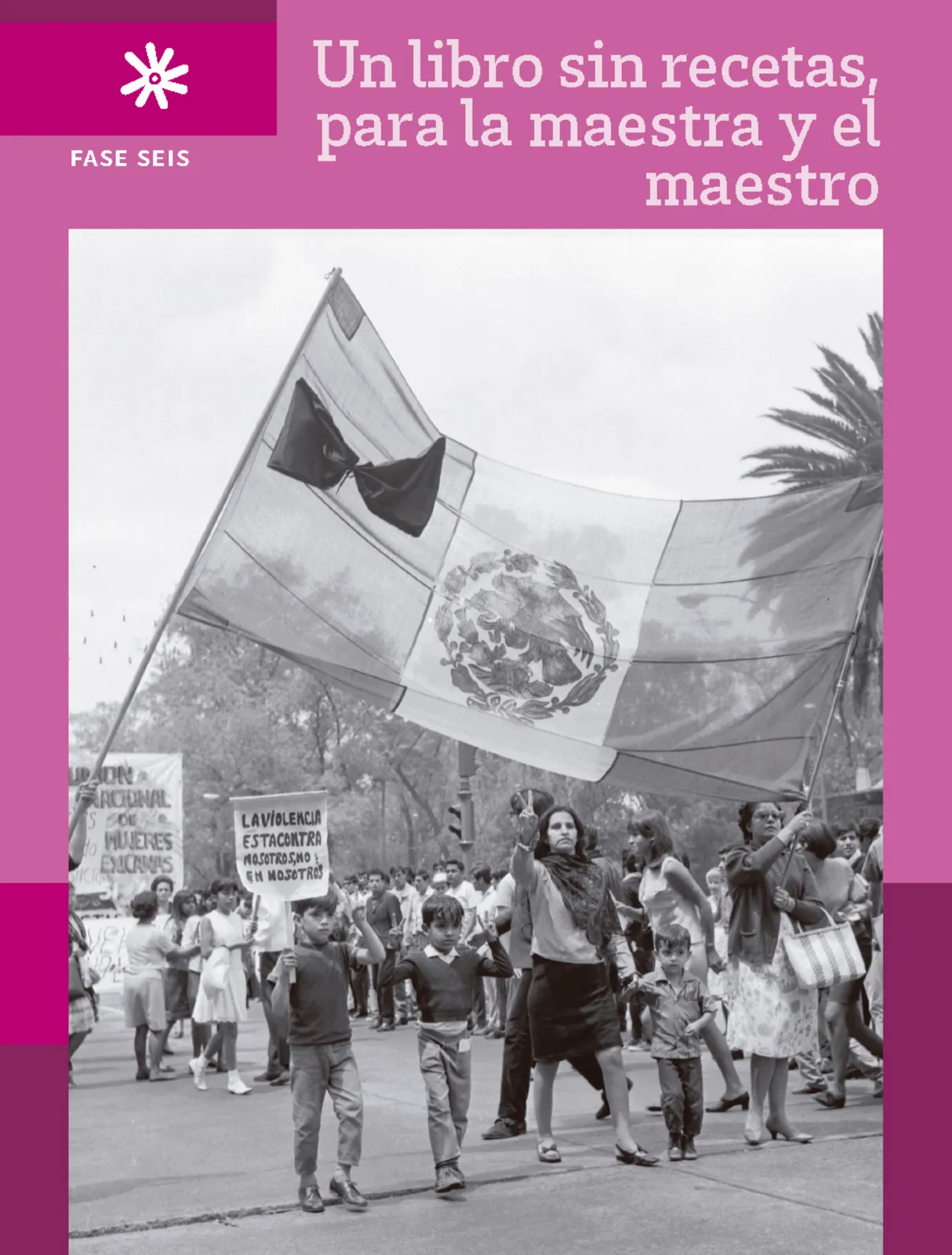
Un libro sin recetas para la maestra y el maestro. Fase 6. Libro de Educación Secundaria Grado 1°, 2°, 3° Ciclo Escolar 2025 - 2026
SEP/CONALITEG
202 págs.
Colección Ximhai. Saberes y pensamiento científico. Libro de Educación Secundaria Grado 1° Ciclo Escolar 2025 - 2026
SEP/CONALITEG
339 págs.
Colección Ximhai. Múltiples lenguajes. Libro de Educación Secundaria Grado 1° Ciclo Escolar 2025 - 2026
SEP/CONALITEG
163 págs.
Ciencias Naturales 9° · Secundaria Activa
MinEducación
318 págs.