
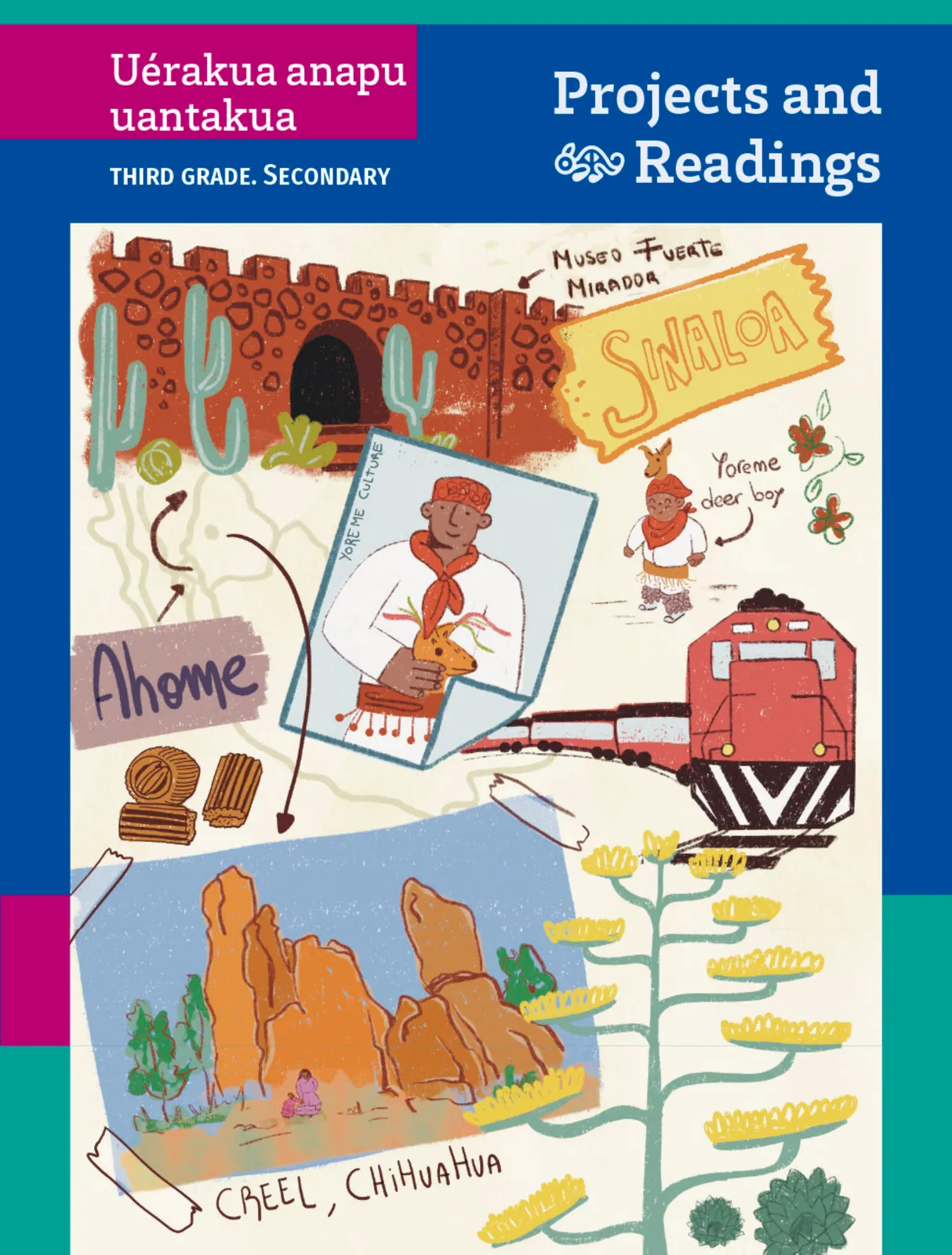
Página — Uerakua Anapu Uantakua Projects And Readings 3° Secundaria (pág. 43)
Solución no disponible aún
Esta página está en proceso de revisión.
Pídela y la resolveremos antes. Sin registro.
📝 Transcripción de la página (texto seleccionable) 2062 caracteres
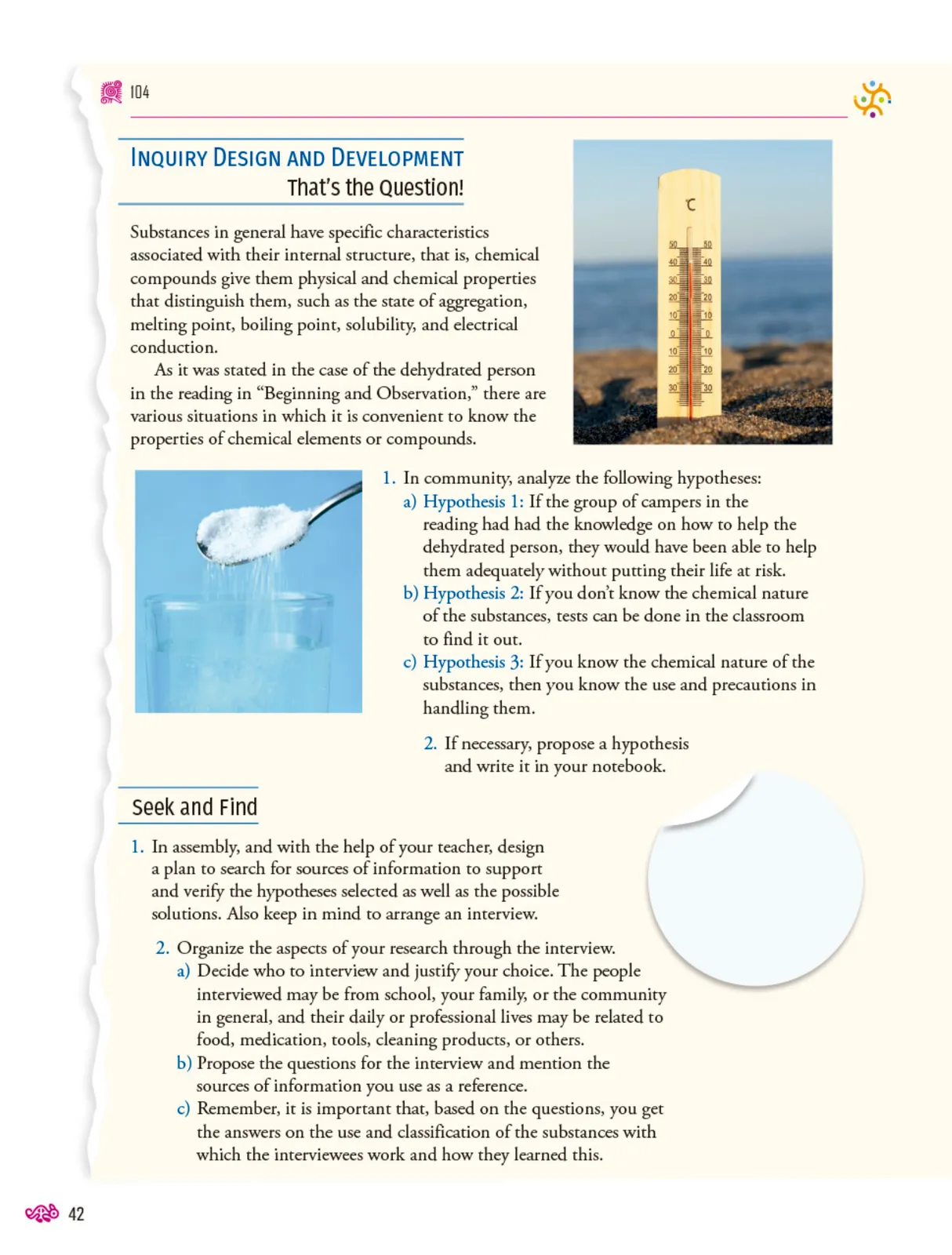
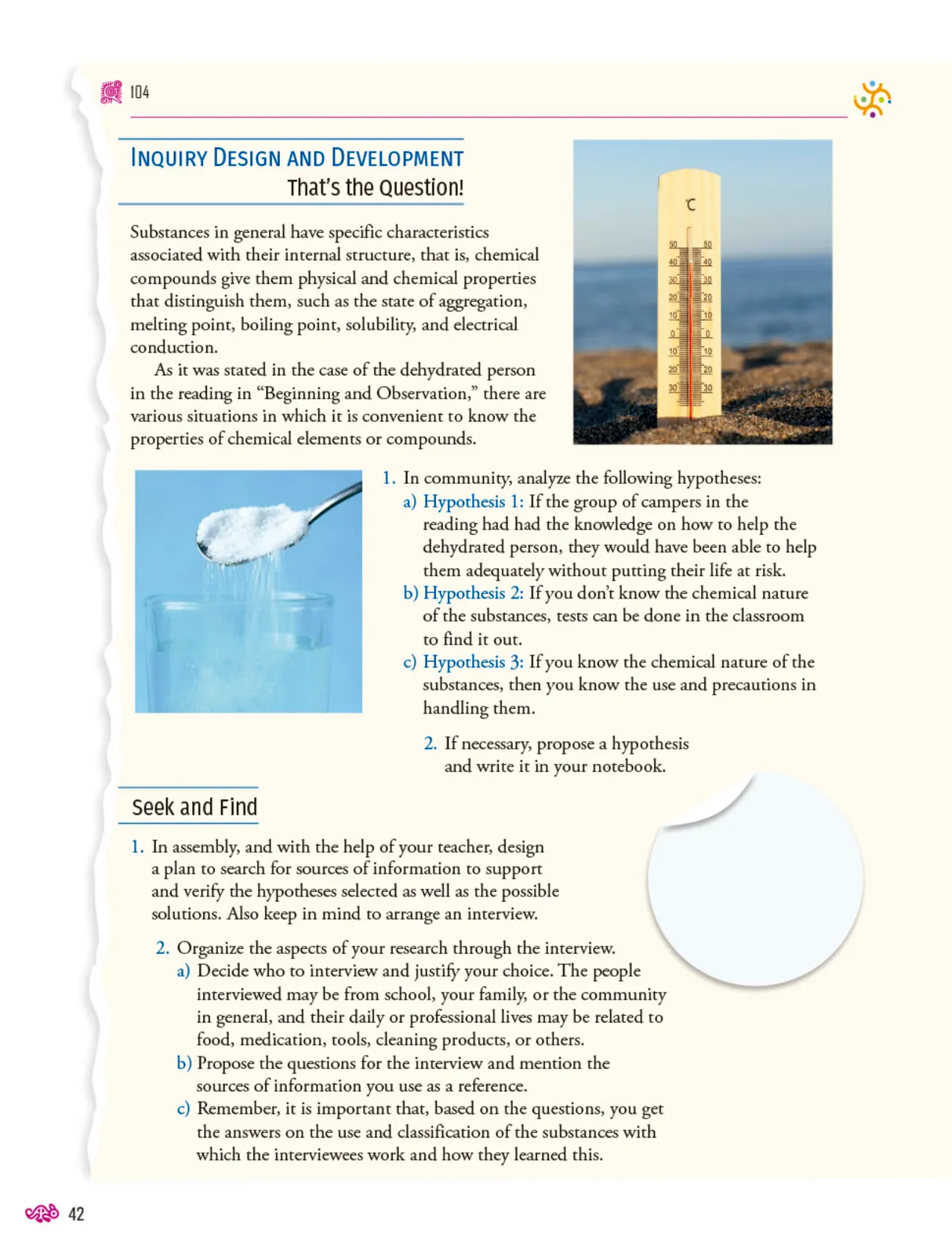
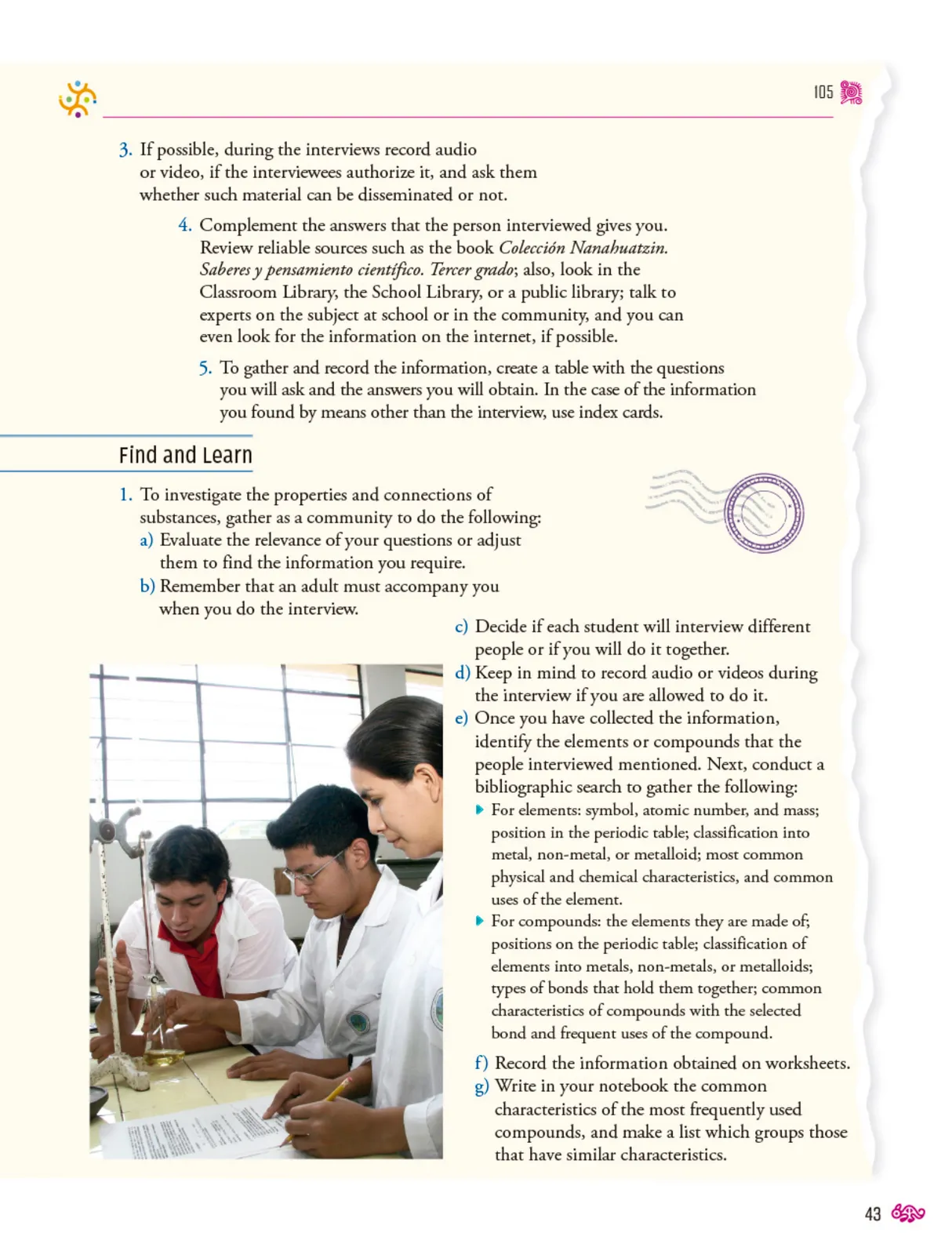
INQUIRY DESIGN AND DEVELOPMENT That's the Question!
Substances in general have specific characteristics associated with their internal structure, that is, chemical compounds give them physical and chemical properties that distinguish them, such as the state of aggregation,melting point, boiling point, solubility, and electrical conduction.
As it was stated in the case of the dehydrated person in the reading in "Beginning and Observation," there are various situations in which it is convenient to know the properties of chemical elements or compounds.
- In community, analyze the following hypotheses:
a) Hypothesis 1: If the group of campers in the reading had had the knowledge on how to help the dehydrated person, they would have been able to help them adequately without putting their life at risk.
b) Hypothesis 2: If you don't know the chemical nature of the substances, tests can be done in the classroom to find it out.
c) Hypothesis 3: If you know the chemical nature of the substances, then you know the use and precautions in handling them.
- If necessary, propose a hypothesis and write it in your notebook.
Seek and Find
In assembly, and with the help of your teacher, design a plan to search for sources of information to support and verify the hypotheses selected as well as the possible solutions. Also keep in mind to arrange an interview.
Organize the aspects of your research through the interview.
a) Decide who to interview and justify your choice. The people in general, and their daily or professional lives may be related to food, medication, tools, cleaning products, or others.
b) Propose the questions for the interview and mention the sources of information you use as a reference.
c)Remember, it is important that, based on the questions, you get the answers on the use and classification of the substances with which the interviewees work and how they learned this.
104
8


乐
42
Otros libros recomendados
Uérakua anapu uantakua. Projects and Readings. Libro de Educación Secundaria Grado 2° Ciclo Escolar 2025 - 2026
SEP/CONALITEG
171 págs.
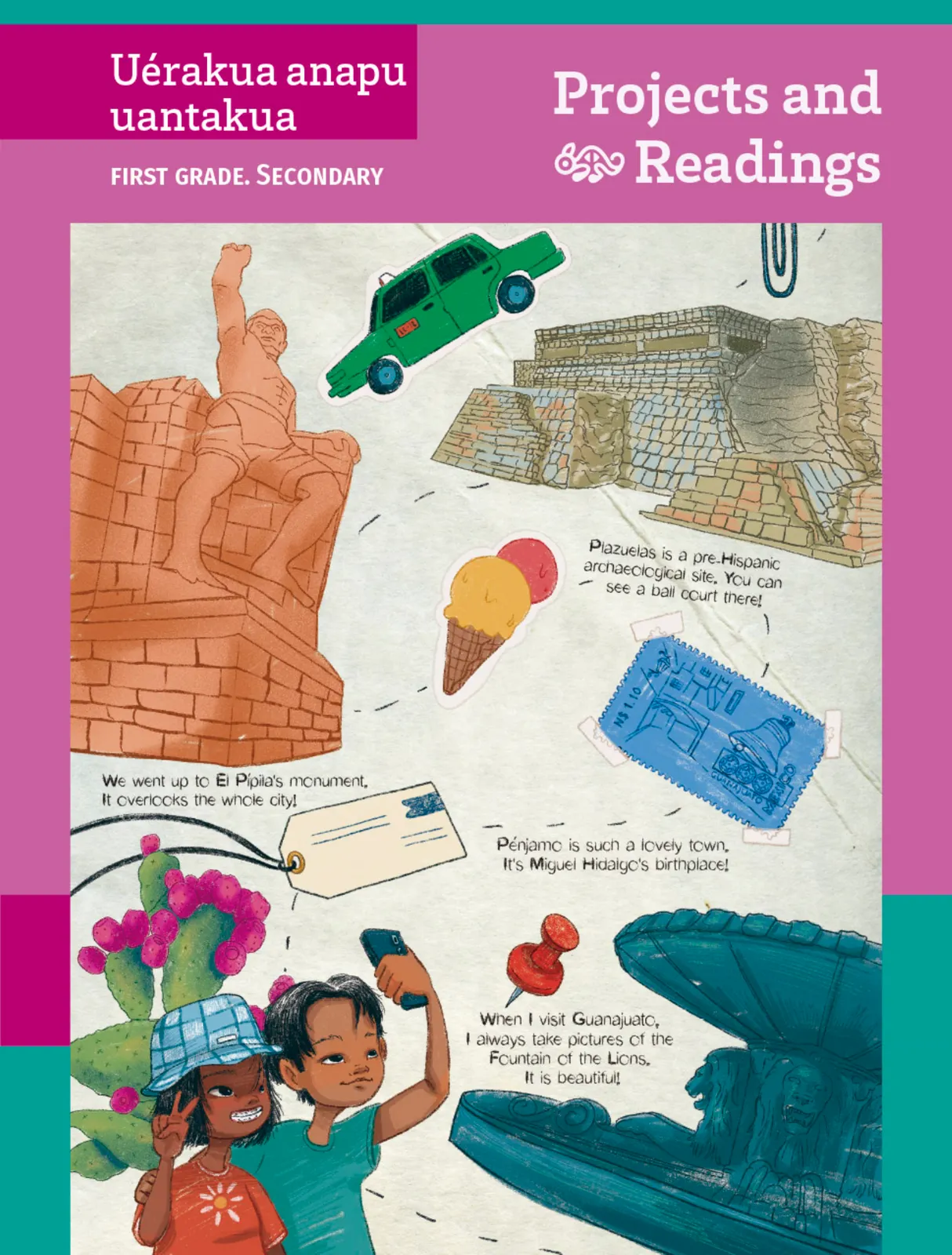
Uérakua anapu uantakua. Projects and Readings Libro de Educación Secundaria Grado 1° Ciclo Escolar 2025 - 2026
SEP/CONALITEG
187 págs.
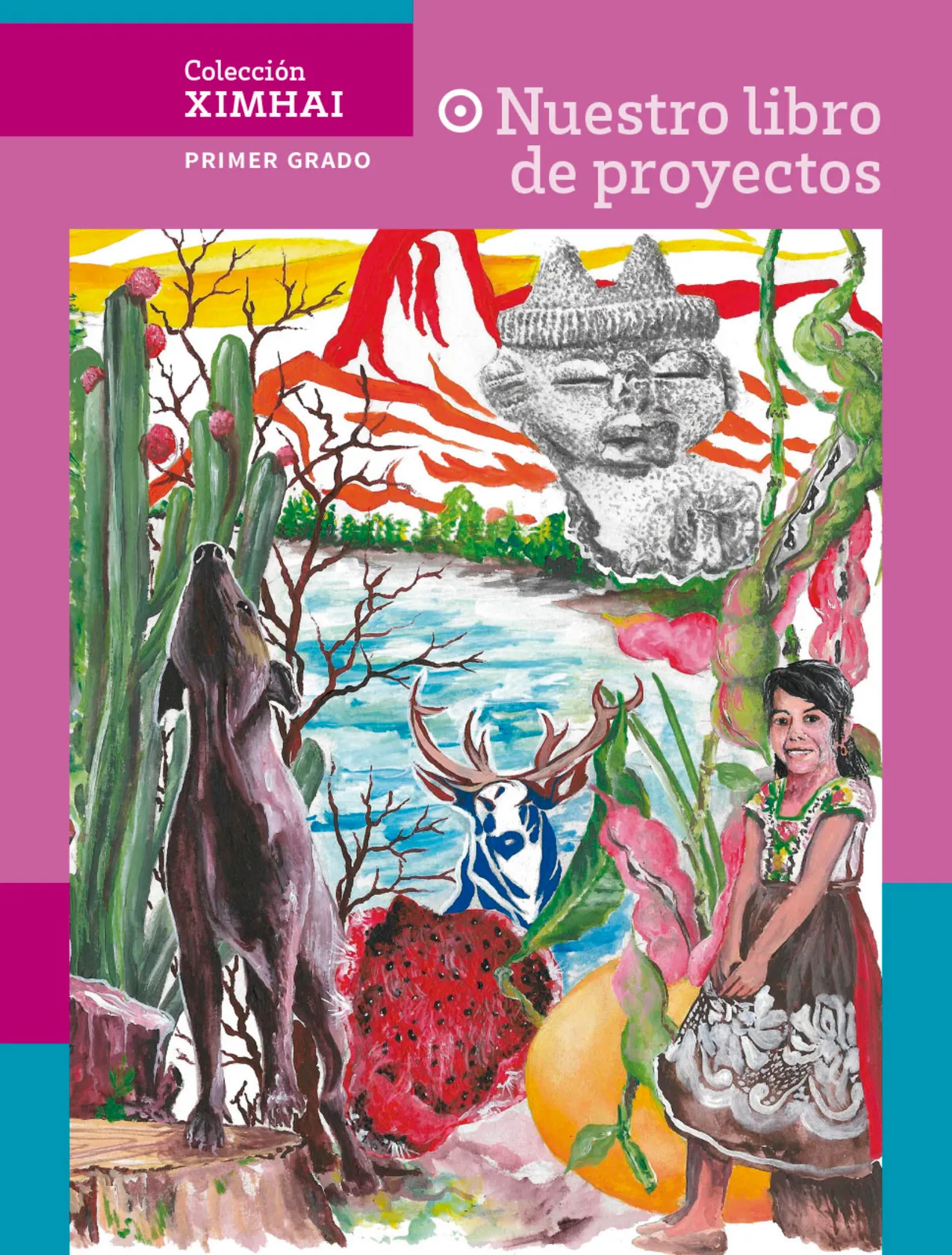
Colección Ximhai. Nuestro libro de proyectos. Libro de Educación Secundaria Grado 1° Ciclo Escolar 2025 - 2026
SEP/CONALITEG
299 págs.
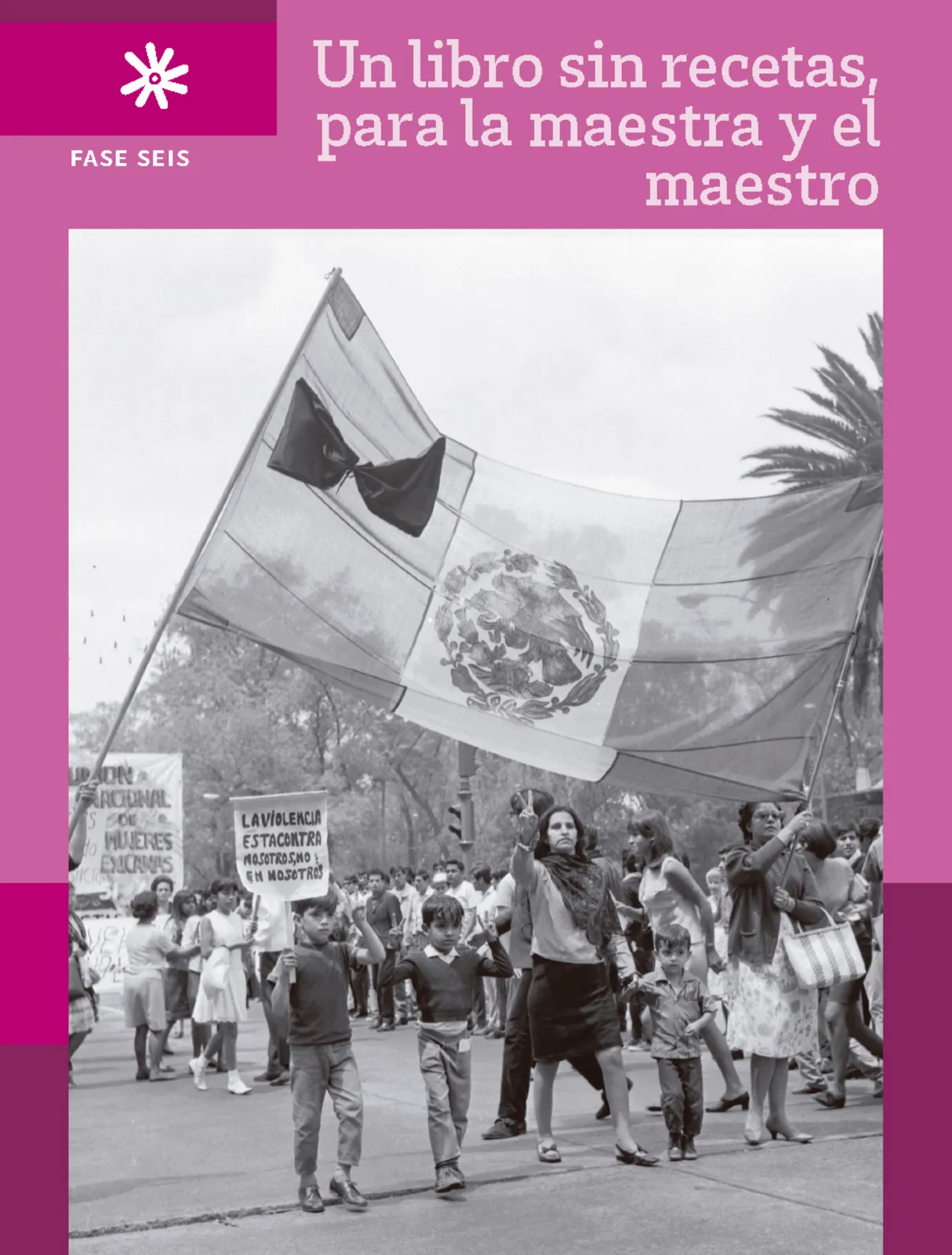
Un libro sin recetas para la maestra y el maestro. Fase 6. Libro de Educación Secundaria Grado 1°, 2°, 3° Ciclo Escolar 2025 - 2026
SEP/CONALITEG
202 págs.
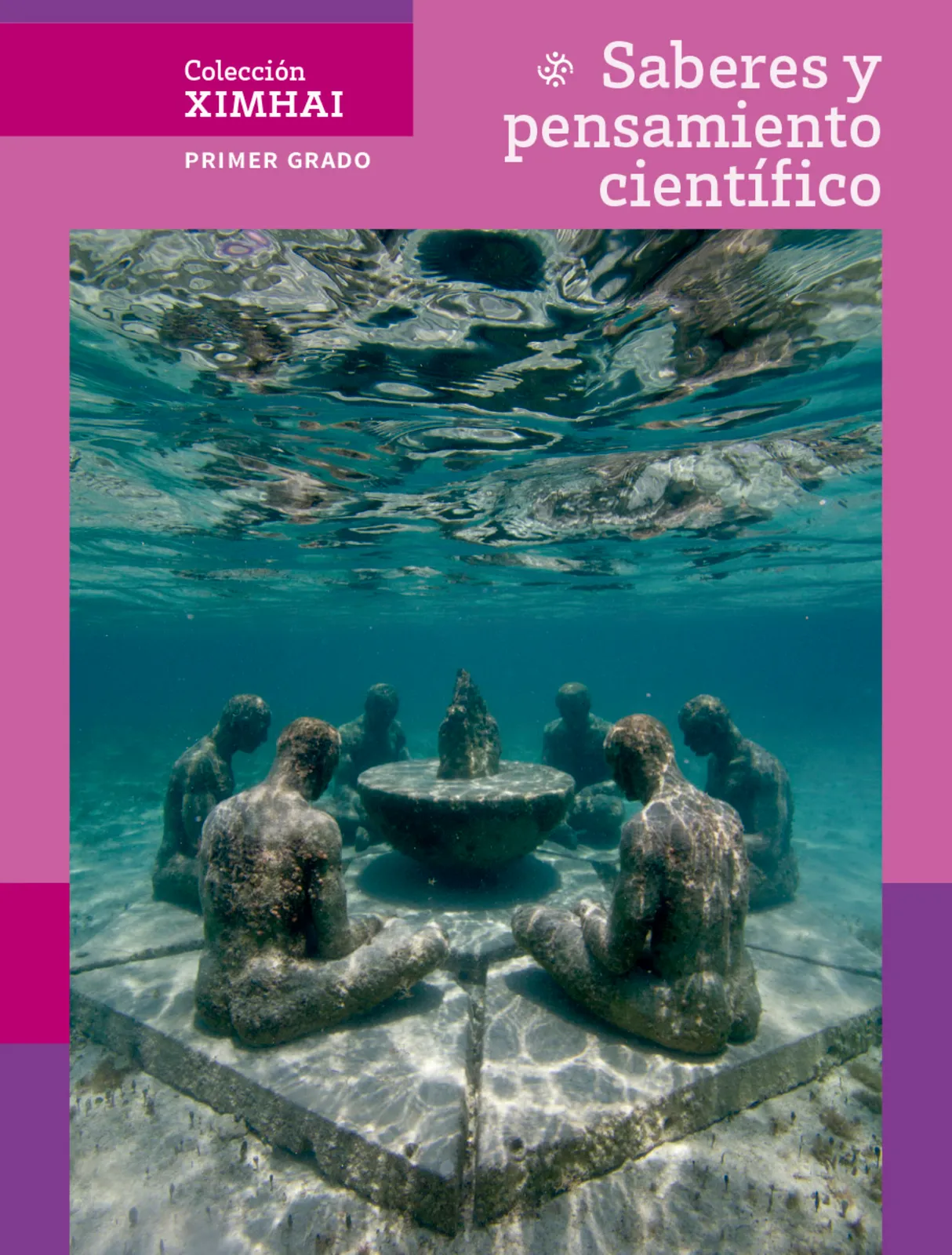
Colección Ximhai. Saberes y pensamiento científico. Libro de Educación Secundaria Grado 1° Ciclo Escolar 2025 - 2026
SEP/CONALITEG
339 págs.
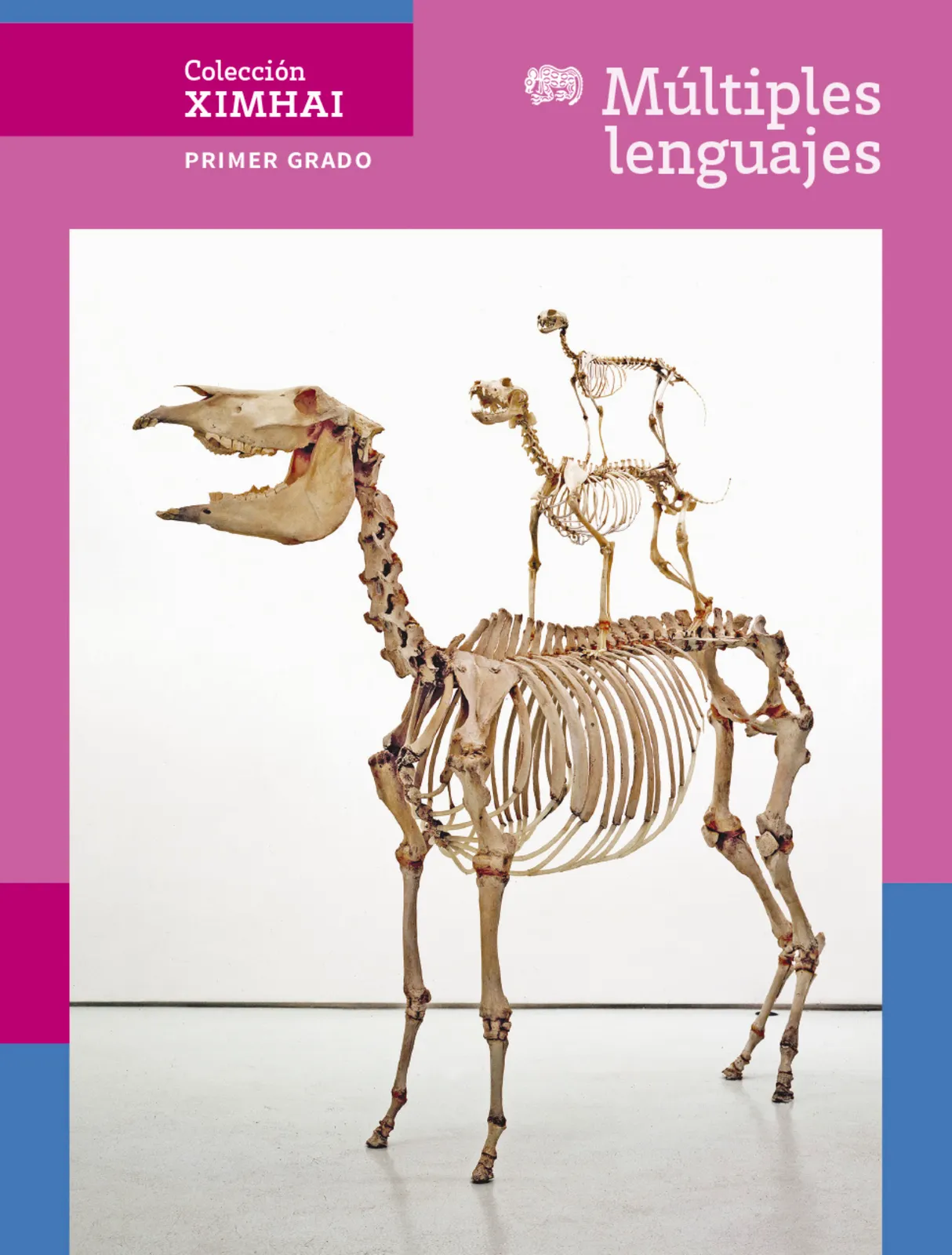
Colección Ximhai. Múltiples lenguajes. Libro de Educación Secundaria Grado 1° Ciclo Escolar 2025 - 2026
SEP/CONALITEG
163 págs.
Matematica 9° · Secundaria Activa
MinEducación
218 págs.
Ciencias Naturales 9° · Secundaria Activa
MinEducación
318 págs.