Saltar al contenido
MisLibrosTexto
Ad
Inglés – Quinto Básico | Cuaderno de Actividades MINEDUC – Descargar PDF · 2023
Libro de Inglés 5

MINEDUC

30/66

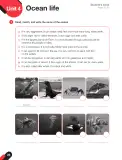
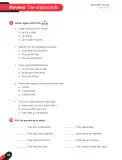
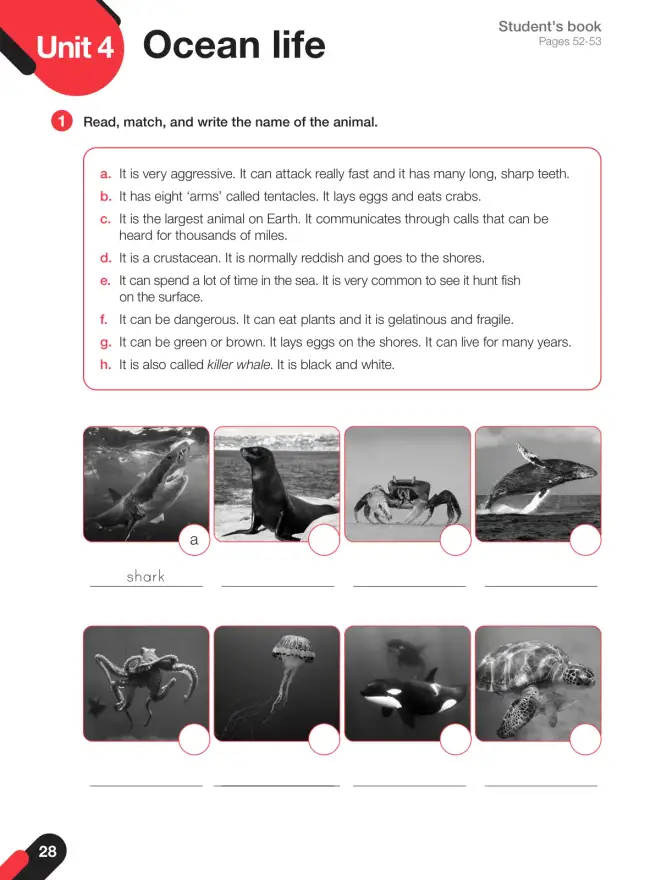
Ocean life: Read, match, and write the name of the animal

📄 ejercicios ingles 🎓 otro · 5° BASICA Chile 🇨🇱 CL 🗣 Español
Página 30
30 de 66
Página 30 de Inglés – Quinto Básico | Cuaderno de Actividades MINEDUC – Descargar PDF · 2023
Anterior Página 30 / 66 Siguiente

Respuesta rápida

a. shark; b. octopus; c. whale; d. crab; e. sea lion; f. jellyfish; g. turtle; h. orca.

📚 exercise ingles ⭐ Dificultad 1/5 ⏱ 6 min lectura

Solución — Página 30

Inglés – Quinto Básico | Cuaderno de Actividades MINEDUC – Descargar PDF · 2023

1
Ejercicio 1

Read, match, and write the name of the animal. / Lee, une y escribe el nombre del animal.

  1. Traduzco cada descripción y busco la palabra clave.
  2. Asocio la descripción con la imagen correspondiente.
  3. Escribo el nombre del animal en inglés sobre la línea.
a
Parte 1.a

"It is very aggressive. It can attack really fast and it has many long, sharp teeth." → Es muy agresivo, ataca rápido y tiene dientes largos y filosos.

Respuesta

shark (tiburón) — imagen 1.

b
Parte 1.b

"It has eight 'arms' called tentacles. It lays eggs and eats crabs." → Tiene ocho brazos llamados tentáculos, pone huevos y come cangrejos.

Respuesta

octopus (pulpo) — imagen 5.

c
Parte 1.c

"It is the largest animal on Earth. It communicates through calls that can be heard for thousands of miles." → Es el animal más grande del planeta y se comunica con cantos que se oyen a miles de kilómetros.

Respuesta

whale (ballena) — imagen 4.

d
Parte 1.d

"It is a crustacean. It is normally reddish and goes to the shores." → Es un crustáceo, normalmente rojizo, y va a la orilla.

Respuesta

crab (cangrejo) — imagen 3.

e
Parte 1.e

"It can spend a lot of time in the sea. It is very common to see it hunt fish on the surface." → Pasa mucho tiempo en el mar y es común verlo cazar peces en la superficie.

Respuesta

sea lion (lobo marino) — imagen 2.

f
Parte 1.f

"It can be dangerous. It can eat plants and it is gelatinous and fragile." → Puede ser peligroso, come plantas y es gelatinoso y frágil.

Respuesta

jellyfish (medusa) — imagen 6.

g
Parte 1.g

"It can be green or brown. It lays eggs on the shores. It can live for many years." → Puede ser verde o café, pone huevos en la orilla y vive muchos años.

Respuesta

turtle (tortuga marina) — imagen 8.

h
Parte 1.h

"It is also called killer whale. It is black and white." → También se le llama ballena asesina; es blanco y negro.

Respuesta

orca (orca) — imagen 7.
Contenido de la página

Unit 4 — Ocean life

1. Read, match, and write the name of the animal.

a. It is very aggressive. It can attack really fast and it has many long, sharp teeth.

b. It has eight 'arms' called tentacles. It lays eggs and eats crabs.

c. It is the largest animal on Earth. It communicates through calls that can be heard for thousands of miles.

d. It is a crustacean. It is normally reddish and goes to the shores.

e. It can spend a lot of time in the sea. It is very common to see it hunt fish on the surface.

f. It can be dangerous. It can eat plants and it is gelatinous and fragile.

g. It can be green or brown. It lays eggs on the shores. It can live for many years.

h. It is also called killer whale. It is black and white.

Imágenes

Fila 1: shark (a) · sea lion · crab · whale

Fila 2: octopus · jellyfish · orca · turtle

Tabla

# Descripción (palabra clave) Animal
a aggressive, sharp teeth shark
b eight tentacles, eats crabs octopus
c largest animal on Earth whale
d crustacean, reddish crab
e hunts fish on the surface sea lion
f gelatinous and fragile jellyfish
g lays eggs on the shores turtle
h killer whale, black and white orca

Glosario (10)

shark
tiburón; pez marino con dientes largos y filosos
octopus
pulpo; tiene ocho tentáculos y come cangrejos
whale
ballena; el animal más grande del planeta
crab
cangrejo; crustáceo rojizo que vive en la orilla
sea lion
lobo marino; caza peces en la superficie
jellyfish
medusa; animal gelatinoso y frágil
turtle
tortuga marina; pone huevos en la orilla
orca
orca; también llamada killer whale, es blanca y negra
tentacles
tentáculos; 'brazos' del pulpo
crustacean
crustáceo; animal con caparazón, como el cangrejo

Temas y conceptos clave

Ocean lifeAnimales marinosLectura y emparejamientosharkoctopuswhalecrabsea lionjellyfishturtleorcatentaclescrustacean
¿Te fue útil esta página?

Preguntas que la gente también hace

¿Cómo se dice tiburón, pulpo y ballena en inglés?
Consulta la solución completa arriba o explora el libro entero para temas relacionados.
¿Cuál es el animal más grande del planeta según la página?
Consulta la solución completa arriba o explora el libro entero para temas relacionados.
¿Qué animal marino es un crustáceo y vive en la orilla?
Consulta la solución completa arriba o explora el libro entero para temas relacionados.
📌 Antes de leer esto
  • • Vocabulario básico de animales
  • • Verbo to be (is / are)
  • • Adjetivos simples en inglés
Siguiente tema sugerido
Hábitats marinos y acciones en presente simple (swim, hunt, lay eggs)
📝 Transcripción de la página (texto seleccionable) 885 caracteres

Ocean life

Read, match, and write the name of the animal.

a. It is very aggressive. It can attack really fast and it has many long, sharp teeth.

b. It has eight'arms'called tentacles. It lays eggs and eats crabs.

C.It is the largest animal on Earth. It communicates through calls that can be heard for thousands of miles.

d. It is a crustacean. It is normally reddish and goes to the shores.

e.It can spend a lot of time in the sea. It is very common to see it hunt fish on the surface.

f. It can be dangerous. It can eat plants and it is gelatinous and fragile.

g. It can be green or brown. It lays eggs on the shores. It can live for many years.

h. It is also called killer whale. It is black and white.

shark

Unit 4

![](page=0,bbox=[150, 772, 380, 997])

![](page=0,bbox=[387, 772, 619, 1011])

![](page=0,bbox=[150, 1132, 1094, 1375])

Student's book Pages 52-53

28

Ad

Otros libros recomendados

Ver todos →
Ad

Usamos cookies propias y de terceros para personalizar contenido, mostrar publicidad y analizar el tráfico. Las cookies necesarias siempre están activas.