Saltar al contenido
MisLibrosTexto
Ad
Inglés – Quinto Básico | Texto del Estudiante MINEDUC – Descargar PDF · 2023
Libro de Inglés 5

MINEDUC

9/125

Student's materials: cómo usar tu libro de inglés

📄 introduccion ingles 🎓 otro · 5° BASICA Chile 🇨🇱 CL 🗣 Español
Página 9
9 de 125
Página 9 de Inglés – Quinto Básico | Texto del Estudiante MINEDUC – Descargar PDF · 2023
Anterior Página 9 / 125 Siguiente

Respuesta rápida

Secciones: Presentation (vocabulario), Unit goals (objetivos), Stop and think! (comprensión), Reflect! (vida diaria), Think back! (juego), Review (repaso). Animales: octopus, crab, seal, shark, turtle, orca, jellyfish, blue whale.

ingles ⭐ Dificultad 1/5 ⏱ 4 min lectura

Solución — Página 9

Inglés – Quinto Básico | Texto del Estudiante MINEDUC – Descargar PDF · 2023

1
Ejercicio 1

Read and match each section of the book with its description (Presentation, Unit goals, Stop and think!, Reflect!, Think back! and Review).

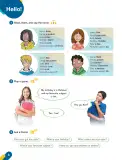
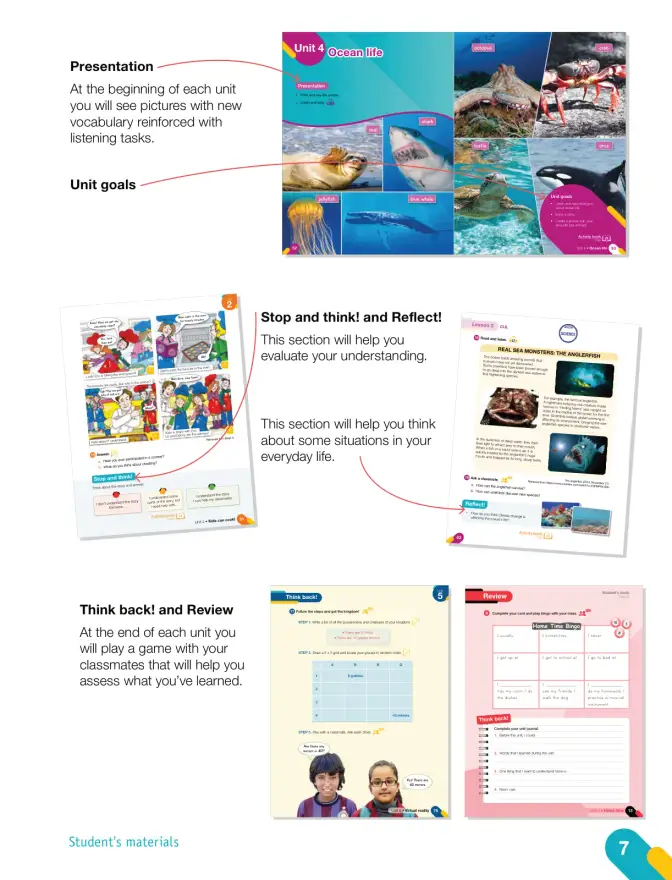
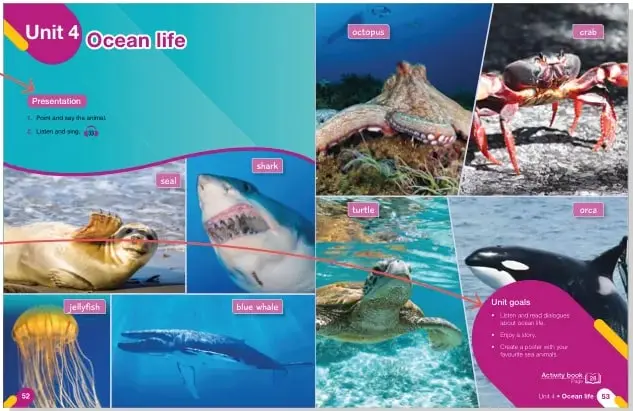
  1. Presentation: al inicio de cada unidad aparecen imágenes con vocabulario nuevo reforzado con tareas de escucha (listening tasks). Ejemplo: la Unidad 4 Ocean life muestra fotos de octopus, crab, seal, shark, turtle, orca, jellyfish, blue whale.
  2. Unit goals: los objetivos de la unidad se presentan en un recuadro. En la Unidad 4: identify ocean animals, describe ocean animals, write a story, talk about sea animals and their habitats.
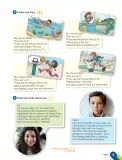
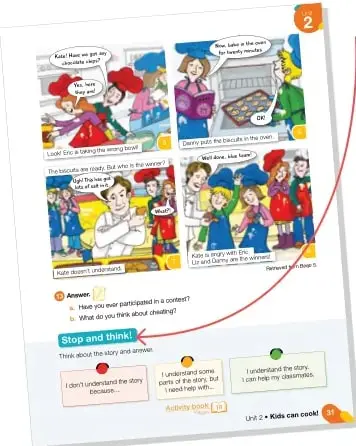
  3. Stop and think!: sección que ayuda a evaluar la comprensión de la historia leída (ej. Kida can cook!), con preguntas como What do you think about cheating?.
  4. Reflect!: invita a pensar en situaciones de la vida cotidiana. Ejemplo: How do you think climate change is affecting the ocean's life?.
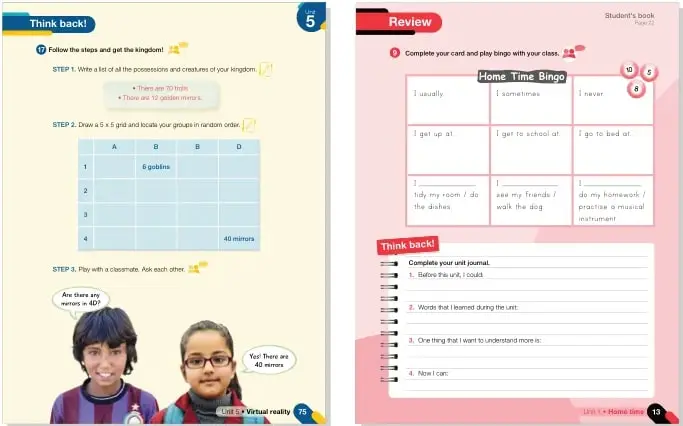
  5. Think back!: al final de la unidad se juega con los compañeros para evaluar lo aprendido (juego Follow the steps and get the kingdom!).
  6. Review: repaso final con Home Time Bingo y un diario de aprendizaje (Think back!).
Respuesta

Presentation → vocabulario nuevo; Unit goals → objetivos; Stop and think! → comprensión; Reflect! → vida cotidiana; Think back! → juego de repaso; Review → repaso final.
2
Ejercicio 2

Look at the Unit 4 'Ocean life' pictures and write the name of each animal.

  1. Observo las imágenes del recuadro superior derecho.
  2. Identifico cada animal con su etiqueta en inglés.
  3. Escribo los nombres.
Respuesta

octopus, crab, seal, shark, turtle, orca, jellyfish, blue whale.

3
Ejercicio 3

Read the Unit goals of Unit 4 and answer: What will you learn in this unit?

  1. Leo el recuadro Unit goals: identify ocean animals, describe ocean animals, write a story, talk about sea animals and their habitats.
  2. Traduzco: identificar animales del océano, describirlos, escribir una historia y hablar sobre animales marinos y sus hábitats.
Respuesta

A identificar y describir animales del océano, escribir una historia y hablar sobre animales marinos y sus hábitats.

Ad
4
Ejercicio 4

Reflect! How do you think climate change is affecting the ocean's life?

  1. Pienso en efectos del cambio climático: aumento de temperatura del agua, acidificación, blanqueamiento de corales.
  2. Relaciono con los animales de la unidad (ballenas, tortugas, orcas).
  3. Formulo una respuesta personal en inglés.

Respuesta orientativa: Climate change makes the ocean warmer and more acidic, so coral reefs die and many sea animals lose their food and homes. This affects whales, turtles and fish that live in the ocean.

Contenido de la página

Student's materials

Presentation

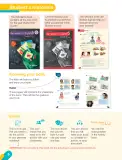
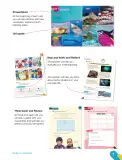
At the beginning of each unit you will see pictures with new vocabulary reinforced with listening tasks.

Unit goals

Los objetivos de cada unidad se presentan en un recuadro destacado.

Stop and think! and Reflect!

This section will help you evaluate your understanding.

This section will help you think about some situations in your everyday life.

Think back! and Review

At the end of each unit you will play a game with your classmates that will help you assess what you've learned.

Unit 4 – Ocean life (ejemplo)

Vocabulario: octopus, crab, seal, shark, turtle, orca, jellyfish, blue whale.

Unit goals: identify ocean animals; describe ocean animals; write a story; talk about sea animals and their habitats.

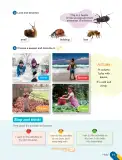
Lesson 2 – CLIL: Real sea monsters: the anglerfish

Read and listen. The ocean holds amazing creatures. Some live in the sunlight zone, others in the twilight zone, and some in the deep sea. The anglerfish lives in the deep sea and has a light on its head to attract prey. In the darkness of deep water, the anglerfish's light is the only light. It uses its sharp teeth to catch food. The anglerfish can swallow prey bigger than itself.

Ask a classmate: How can the anglerfish survive? What other sea creatures live in the deep sea?

Reflect!: How do you think climate change is affecting the ocean's life?

Think back! (juego)

Follow the steps and get the kingdom! STEP 1: Write a list of the possessions and creatures of your kingdom. STEP 2: Draw a 5 x 5 grid and locate your group's minions in order. STEP 3: Play with a classmate. Ask each other: Are there any minions in...? – Yes, there are 40 minions.

Review

  1. Complete your card and play bingo with your class. Home Time Bingo: usually, sometimes, never, get up at, get to school at, go to bed at, tidy my room / do the dishes, see my friends / walk the dog, do my homework / practise a musical instrument.

Think back!

  1. Complete your unit journal: Before the unit, I could...; Words that I learned during the unit...; One thing that I need to understand more is...; Now I can...

Ejemplos resueltos

Match each section of the book with its purpose.

Presentation → new vocabulary; Unit goals → learning objectives; Stop and think! → check understanding; Reflect! → everyday life situations; Think back! → game to assess learning; Review → final review.

Tabla

Section Purpose
Presentation New vocabulary with listening tasks
Unit goals Learning objectives of the unit
Stop and think! Evaluate understanding of the story
Reflect! Think about everyday life situations
Think back! Play a game to assess learning
Review Final review and bingo

Diagrama

mindmap
  root((Student's materials))
    Presentation
      New vocabulary
      Listening tasks
    Unit goals
      Objectives
    Stop and think!
      Check understanding
    Reflect!
      Everyday life
    Think back!
      Game
    Review
      Final practice

Glosario (14)

Presentation
Sección inicial de cada unidad con imágenes y vocabulario nuevo.
Unit goals
Objetivos de aprendizaje de la unidad.
Stop and think!
Sección para evaluar la comprensión de la historia.
Reflect!
Sección para reflexionar sobre situaciones de la vida cotidiana.
Think back!
Juego final de unidad para evaluar lo aprendido.
Review
Repaso final de la unidad.
octopus
pulpo
crab
cangrejo
seal
foca
shark
tiburón
turtle
tortuga
orca
orca
jellyfish
medusa
blue whale
ballena azul

Preguntas para practicar

How can the anglerfish survive in the deep sea?

The anglerfish has a light on its head to attract prey in the dark and sharp teeth to catch food. It can swallow prey bigger than itself.

What other sea creatures live in the deep sea?

Other deep-sea creatures include giant squid, viperfish and gulper eels. They have adapted to darkness and high pressure.

How do you think climate change is affecting the ocean's life?

Climate change warms the water, melts ice and makes the ocean more acidic. This damages coral reefs and affects the food chain of whales, turtles and fish.

Temas y conceptos clave

Guía de uso del libroSecciones del texto escolarVocabulario de animales marinosPresentationUnit goalsStop and think!Reflect!Think back!ReviewOcean life

Fuentes y referencias

  • National Geographic
  • BBC
¿Te fue útil esta página?

Figuras de la página (3)

Página de la Unidad 4 'Ocean life' con fotos de octopus, crab, seal, shark, turtle, orca, jellyfish y blue whale, y recuadro de Unit goals.
Figura 1 image
Página de historieta 'Kida can cook!' con sección Stop and think! y opciones de autoevaluación.
Figura 2 image
Lección 2 CLIL 'Real sea monsters: the anglerfish' con texto informativo y sección Reflect!.
Figura 3 image

Preguntas que la gente también hace

¿Qué secciones tiene el libro de inglés de 5° básico?
Consulta la solución completa arriba o explora el libro entero para temas relacionados.
¿Cómo se llaman los animales marinos en inglés?
Consulta la solución completa arriba o explora el libro entero para temas relacionados.
¿Qué son los Unit goals en un libro de inglés?
Consulta la solución completa arriba o explora el libro entero para temas relacionados.
📌 Antes de leer esto
  • • Lectura básica en inglés
  • • Reconocimiento de imágenes y vocabulario simple
Siguiente tema sugerido
Unit 4 Ocean life: vocabulario y presentación de animales marinos
📝 Transcripción de la página (texto seleccionable) 585 caracteres

Presentation

At the beginning of each unit you will see pictures with new vocabulary reinforced with listening tasks.

Unit goals

Think back! and Review

At the end of each unit you will play a game with your classmates that will help you assess what you've learned.

Stop and think! and Reflect!This section will help you evaluate your understanding.

This section will help you think about some situations in your everyday life.

![](page=0,bbox=[109, 531, 465, 977])

![](page=0,bbox=[510, 55, 1143, 466])

![](page=0,bbox=[490, 1062, 1173, 1488])

Student's materials

7

Ad

Páginas cercanas

Otros libros recomendados

Ver todos →
Ad

Usamos cookies propias y de terceros para personalizar contenido, mostrar publicidad y analizar el tráfico. Las cookies necesarias siempre están activas.