Saltar al contenido
MisLibrosTexto
Ad
Ingles 2° · Bgu 2 Ingles 2024 · 2024
Libro de Inglés 2 BGU

Ministerio de Educación del Ecuador

17/34

How can we find a balance between social media and well-being?

📄 teoria ingles 🎓 bachillerato · 2° BGU Ecuador 🇪🇨 EC 🗣 Español
Página 17
17 de 34
Página 17 de Ingles 2° · Bgu 2 Ingles 2024 · 2024
Anterior Página 17 / 34 Siguiente
📚 theory ingles ⭐⭐⭐ Dificultad 3/5 ⏱ 2 min lectura

Solución — Página 17

Ingles 2° · Bgu 2 Ingles 2024 · 2024

1
Ejercicio 1

How can we find a balance between social media and well-being?

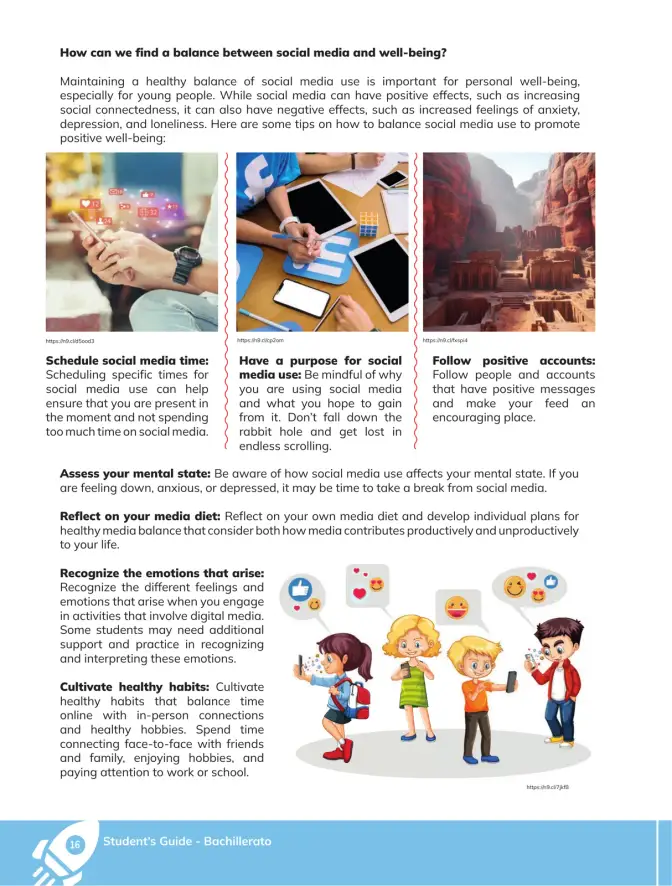
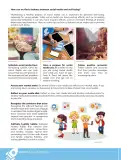
Maintaining a healthy balance of social media use is important for personal well-being, especially for young people. While social media can have positive effects, such as increasing social connectedness, it can also have negative effects, such as increased feelings of anxiety, depression, and loneliness. Here are some tips on how to balance social media use to promote positive well-being:

1
Ejercicio 1

Schedule social media time

Scheduling specific times for social media use can help ensure that you are present in the moment and not spending too much time on social media.

2
Ejercicio 2

Have a purpose for social media use

Be mindful of why you are using social media and what you hope to gain from it. Don't fall down the rabbit hole and get lost in endless scrolling.

Ad
3
Ejercicio 3

Follow positive accounts

Follow people and accounts that have positive messages and make your feed an encouraging place.

4
Ejercicio 4

Assess your mental state

Be aware of how social media use affects your mental state. If you are feeling down, anxious, or depressed, it may be time to take a break from social media.

5
Ejercicio 5

Reflect on your media diet

Reflect on your own media diet and develop individual plans for healthy media balance that consider both how media contributes productively and unproductively to your life.

Ad
6
Ejercicio 6

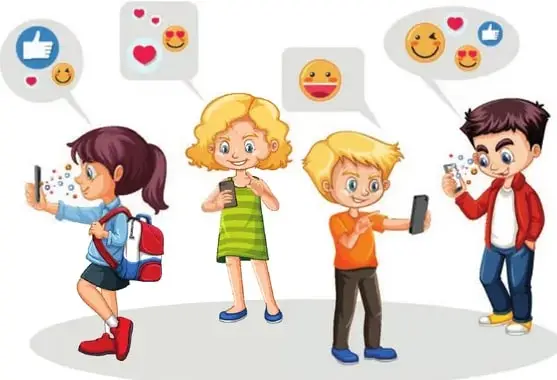
Recognize the emotions that arise

Recognize the different feelings and emotions that arise when you engage in activities that involve digital media. Some students may need additional support and practice in recognizing and interpreting these emotions.

7
Ejercicio 7

Cultivate healthy habits

Cultivate healthy habits that balance time online with in-person connections and healthy hobbies. Spend time connecting face-to-face with friends and family, enjoying hobbies, and paying attention to work or school.

Preguntas abiertas

1
Ejercicio 1

** Which of these 7 strategies do you find most useful for yourself?

Respuesta orientativa: Respuesta personal; debe seleccionar una y justificar.

Ad
2
Ejercicio 2

** How could you start applying one of these tips this week?

Respuesta orientativa: Respuesta personal con plan concreto (ej.: limitar tiempo de pantalla a 1 hora diaria).

Diagrama 1

Estrategias para equilibrar uso de redes sociales y bienestar.

mindmap
  root((Balance Social Media and Well-Being))
    Schedule time
    Have a purpose
    Follow positive accounts
    Assess mental state
    Reflect on media diet
    Recognize emotions
    Cultivate healthy habits

Tablas

# Consejo Idea clave
1 Schedule social media time Programar horarios específicos.
2 Have a purpose Saber para qué se usa.
3 Follow positive accounts Cultivar un feed alentador.
4 Assess your mental state Reconocer cuándo descansar.
5 Reflect on your media diet Evaluar contenido consumido.
6 Recognize emotions Identificar reacciones emocionales.
7 Cultivate healthy habits Combinar online con offline.

Glosario

  • schedule: Programar / horario: organizar el tiempo.
  • mindful: Consciente, atento: con intención y conciencia.
  • rabbit hole: Madriguera de conejo: situación en la que uno se pierde indefinidamente en algo.
  • media diet: Dieta mediática: conjunto de medios que se consumen regularmente.
  • in-person: En persona, cara a cara, presencial.

Fuentes

Contenido de la página

How can we find a balance between social media and well-being?

Maintaining a healthy balance of social media use is important for personal well-being, especially for young people. While social media can have positive effects, such as increasing social connectedness, it can also have negative effects, such as increased feelings of anxiety, depression, and loneliness. Here are some tips on how to balance social media use to promote positive well-being:

1. Schedule social media time

Scheduling specific times for social media use can help ensure that you are present in the moment and not spending too much time on social media.

2. Have a purpose for social media use

Be mindful of why you are using social media and what you hope to gain from it. Don't fall down the rabbit hole and get lost in endless scrolling.

3. Follow positive accounts

Follow people and accounts that have positive messages and make your feed an encouraging place.

4. Assess your mental state

Be aware of how social media use affects your mental state. If you are feeling down, anxious, or depressed, it may be time to take a break from social media.

5. Reflect on your media diet

Reflect on your own media diet and develop individual plans for healthy media balance that consider both how media contributes productively and unproductively to your life.

6. Recognize the emotions that arise

Recognize the different feelings and emotions that arise when you engage in activities that involve digital media. Some students may need additional support and practice in recognizing and interpreting these emotions.

7. Cultivate healthy habits

Cultivate healthy habits that balance time online with in-person connections and healthy hobbies. Spend time connecting face-to-face with friends and family, enjoying hobbies, and paying attention to work or school.

Tabla

# Consejo Idea clave
1 Schedule social media time Programar horarios específicos.
2 Have a purpose Saber para qué se usa.
3 Follow positive accounts Cultivar un feed alentador.
4 Assess your mental state Reconocer cuándo descansar.
5 Reflect on your media diet Evaluar contenido consumido.
6 Recognize emotions Identificar reacciones emocionales.
7 Cultivate healthy habits Combinar online con offline.

Diagrama

mindmap
  root((Balance Social Media and Well-Being))
    Schedule time
    Have a purpose
    Follow positive accounts
    Assess mental state
    Reflect on media diet
    Recognize emotions
    Cultivate healthy habits

Glosario (5)

schedule
Programar / horario: organizar el tiempo.
mindful
Consciente, atento: con intención y conciencia.
rabbit hole
Madriguera de conejo: situación en la que uno se pierde indefinidamente en algo.
media diet
Dieta mediática: conjunto de medios que se consumen regularmente.
in-person
En persona, cara a cara, presencial.

Preguntas para practicar

Which of these 7 strategies do you find most useful for yourself?

Respuesta personal; debe seleccionar una y justificar.

How could you start applying one of these tips this week?

Respuesta personal con plan concreto (ej.: limitar tiempo de pantalla a 1 hora diaria).

Temas y conceptos clave

balance digitalsalud mentalhábitos saludablesconsejoswell-beingbalanceschedulepurposepositive accountsmedia dietmental statehealthy habits
¿Te fue útil esta página?

Figuras de la página (4)

Ilustración de un reloj de arena junto a un smartphone con notificaciones, simbolizando programar tiempo.
Figura 1 image
Ilustración de un calendario y libreta con un dispositivo móvil, simbolizando propósito y planificación.
Figura 2 image
Ilustración de un teléfono con corazones y emojis positivos saliendo, simbolizando cuentas positivas.
Figura 3 image
Ilustración de una persona sonriente con emojis flotando junto a un smartphone.
Figura 4 image

Preguntas que la gente también hace

Which of these 7 strategies do you find most useful for yourself?
Consulta la solución completa arriba o explora el libro entero para temas relacionados.
How could you start applying one of these tips this week?
Consulta la solución completa arriba o explora el libro entero para temas relacionados.
📌 Antes de leer esto
  • • Ver pág. 15: Texto introductorio sobre efectos de redes sociales.
  • • Ver pág. 16: Organizador gráfico que el estudiante ya completó.
  • • Ver pág. 18: Continuación con actividades.
Siguiente tema sugerido
True/False sobre balance digital + Identifying Fake News + Project
📝 Transcripción de la página (texto seleccionable) 1958 caracteres

How can we find a balance between social media and well-being?

Maintaining a healthy balance of social media use is important for personal well-being, especially for young people. While social media can have positive effects, such as increasing social connectedness, it can also have negative effects, such as increased feelings of anxiety, depression, and loneliness. Here are some tips on how to balance social media use to promote

positive well-being:

https://n9.cl/d500d3

Schedule social media time: Scheduling specific times for social media use can help ensure that you are present in the moment and not spending too much time on social media.

https://n9.cl/cp2om

Have a purpose for social media use: Be mindful of why you are using social media and what you hope to gain from it. Don't fall down the rabbit hole and get lost in

https://n9.cl/fxspia.

Follow positive accounts: Follow people and accounts that have positive messages and make your feed an encouraging place.

endless scrolling.

Assess your mental state: Be aware of how social media use affects your mental state. If you are feeling down, anxious, or depressed, it may be time to take a break from social media.

Reflect on your media diet: Reflect on your own media diet and develop individual plans for healthy media balance that consider both how media contributes productively and unproductively to your life.

Recognize the emotions that arise: Recognize the different feelings and O emotions that arise when you engage . O in activities that involve digital media. Some students may need additional support and practice in recognizing and interpreting these emotions.

o 95

Cultivate healthy habits: Cultivate healthy habits that balance time online with in-person connections and healthy hobbies. Spend time connecting face-to-face with friends and family, enjoying hobbies, and paying attention to work or school.

https:/n9.c/7ikf8

(16) Student's Guide - Bachillerato

Ad

Otros libros recomendados

Ver todos →
Ad

Usamos cookies propias y de terceros para personalizar contenido, mostrar publicidad y analizar el tráfico. Las cookies necesarias siempre están activas.