Ejercicio 1
Contenido de la página (lectura y comprensión)
La página muestra seis fichas descriptivas en inglés sobre civilizaciones antiguas. Se transcricen y explican:
 MisLibrosTexto
Prueba nacional
TransformarPor universidad (27)
 ESPE — Universidad de las Fuerzas Armadas ESPE
 ESPOCH — Escuela Superior Politécnica de Chimborazo
 ESPOL — Escuela Superior Politécnica del Litoral IKIAM — Universidad Regional Amazónica Ikiam
 UCE — Universidad Central del Ecuador
 UCUENCA — Universidad de Cuenca UEA — Universidad Estatal Amazónica
 UEB — Universidad Estatal de Bolívar
 UG — Universidad de Guayaquil
 ULEAM — Universidad Laica Eloy Alfaro de Manabí
 UNACH — Universidad Nacional de Chimborazo
 UNAE — Universidad Nacional de Educación
 UNEMI — Universidad Estatal de Milagro
 UNESUM — Universidad Estatal del Sur de Manabí UNL — Universidad Nacional de Loja
 UPEC — Universidad Politécnica Estatal del Carchi
 UPSE — Universidad Estatal Península de Santa Elena UTA — Universidad Técnica de Ambato UTB — Universidad Técnica de Babahoyo UTC — Universidad Técnica de Cotopaxi
 UTELVT — Universidad Técnica Luis Vargas Torres de Esmeraldas
 UTEQ — Universidad Técnica Estatal de Quevedo
 UTM — Universidad Técnica de Manabí UTMACH — Universidad Técnica de Machala UTN — Universidad Técnica del Norte MisLibrosTexto
Mesopotamia (4000 a.C.) es la más antigua, Roma (753 a.C.) la más reciente; separación: 4000 − 753 = 3247 años. Egipto: 3100 a.C.; Maya: 2000 a.C.; China: 1600 a.C.; Grecia: 800 a.C.
Ingles 2° · 2024
La página muestra seis fichas descriptivas en inglés sobre civilizaciones antiguas. Se transcricen y explican:
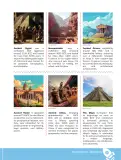
La página resume seis civilizaciones antiguas con su fecha de inicio, ubicación y aportes culturales clave, en inglés para práctica de lectura.
Ordena las civilizaciones de la más antigua a la más reciente según su fecha de aparición.
Mesopotamia → Egipto → Maya → China → Grecia → Roma.
Calcula cuántos años antes de Cristo separan a Mesopotamia de Roma.
3247 años antes de Roma.
Ancient Egypt was a civilization that appeared around 3100 BCE and lasted for more than 3,000 years. It was in the northeastern region of Africa and was known for its pyramids, hieroglyphics, and pharaohs.
Mesopotamia was a civilization that emerged around 4000 BCE and lasted for more than 3,000 years. It settled in the region that is now Iraq and was known for its invention of writing, the wheel, and the plow.
Ancient Greece, originating around 800 BCE, had a remarkable history spanning over a millennium. Situated in what is now modern-day Greece, it gained renown for its contributions to philosophy, art, and architectural achievements.
Ancient Rome: It appeared around 753 BCE, Ancient Rome endured for over a millennium. Its geographical location, now Italy, was celebrated for its advancements in engineering, legal systems, and military power.
Ancient China, emerging approximately in 1600 BCE, left an indelible mark over a history spanning more than 3,000 years in what we now recognize as China. It was recognized for seminal inventions like paper, gunpowder, and the compass.
The Maya civilization had its beginnings as early as 2000 BCE and maintained a dominant presence in Mesoamerica for over three millennia until the Spanish arrival in 1519 AD. Organized into influential city-states, the Maya's legacy is celebrated for its advanced achievements in written language, mathematics, art, architecture, and astronomy.
| Civilization | Approx. Start | Location | Key Contributions |
|---|---|---|---|
| Mesopotamia | 4000 BCE | Modern-day Iraq | Writing, the wheel, the plow |
| Ancient Egypt | 3100 BCE | NE Africa | Pyramids, hieroglyphics, pharaohs |
| The Maya | 2000 BCE | Mesoamerica | Written language, math, astronomy |
| Ancient China | 1600 BCE | Modern-day China | Paper, gunpowder, the compass |
| Ancient Greece | 800 BCE | Modern-day Greece | Philosophy, art, architecture |
| Ancient Rome | 753 BCE | Modern-day Italy | Engineering, legal systems, military |
timeline
    title Ancient Civilizations Timeline (BCE)
    4000 BCE : Mesopotamia
    3100 BCE : Ancient Egypt
    2000 BCE : The Maya
    1600 BCE : Ancient China
    800 BCE : Ancient Greece
    753 BCE : Ancient Rome
4000 - 753 = 3247
Which civilization is the oldest according to the text? (¿Cuál es la civilización más antigua según el texto?)
Mesopotamia is the oldest civilization, emerging around 4000 BCE, older than Ancient Egypt (3100 BCE) and the Maya (2000 BCE).
What inventions are associated with Ancient China and Mesopotamia?
Ancient China is known for paper, gunpowder, and the compass; Mesopotamia for the invention of writing, the wheel, and the plow.
Compare Ancient Greece and Ancient Rome: how long did each last and where were they located?
Both lasted over a millennium. Ancient Greece was in modern-day Greece and was known for philosophy, art, and architecture; Ancient Rome was in modern-day Italy and was known for engineering, legal systems, and military power.
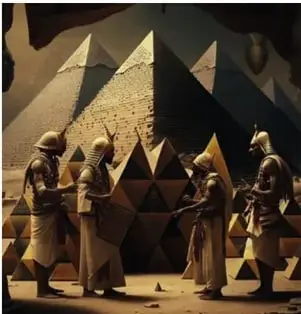
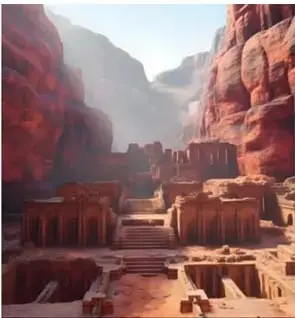



Ancient Egypt was a civilization that appeared around 3100 BCE and lasted for more than 3,000 years. It was in the northeastern region of Africa and was known for its pyramids, hieroglyphics, and pharaohs.
https:/in9.cl/fxspid
Mesopotamia was a civilization that emerged around 4000 BCE and lasted for more than 3,000 years. It settled in the region that is now Iraq and was known for its invention of writing, the wheel, and the plow.
https:/in9.cV/biqlh
Ancient Greece, originating around 800 BCE, had a remarkable history spanning over a millennium. Situated in what is now modern-day Greece, it gained renown for its contributions to philosophy, art, and architectural achievements.
Ancient Rome: lt appeared around 753 BCE, Ancient Rome endured for over a millennium. lts geographical location, now Italy, was celebrated for its advancements in engineering, legal systems, and military power.
Ancient China, emerging approximately in 1600 BCE, left an indelible mark over a_ history spanning
more than 3,000 years in what we now recognize as China. It was recognized for seminal inventions like paper, gunpowder, and the compass.
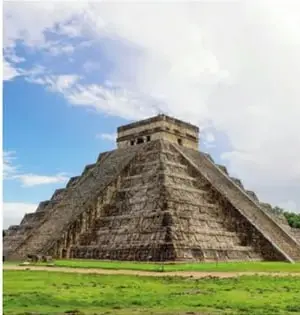
The Maya civilization had its beginnings as early as 2000 BCE and maintained a dominant presence in Mesoamerica for over three millennia until the Spanish arrival in 1519 AD. Organized into influential city-states, the Maya's legacy is celebrated for its advanced achievements in written language, mathematics, art, architecture, and astronomy.

Lengua y Literatura 2 BGU · 2025
Ministerio de Educación del Ecuador
70 págs.

Fisica 1° · 2024
Ministerio de Educación del Ecuador
274 págs.

Ingles 1° · 2024
Ministerio de Educación del Ecuador
34 págs.

Quimica 1° · 2024
Ministerio de Educación del Ecuador
210 págs.

Emprendimiento y Gestion 1° · 2019
Ministerio de Educación del Ecuador
208 págs.

Educacion Ciudadania 1° · 2024
Ministerio de Educación del Ecuador
194 págs.

Biologia 1° · 2024
Ministerio de Educación del Ecuador
98 págs.

Historia 2° · 2024
Ministerio de Educación del Ecuador
386 págs.
Usamos cookies propias y de terceros para personalizar contenido, mostrar publicidad y analizar el tráfico. Las cookies necesarias siempre están activas.