
















Saltar al contenido
MisLibrosTexto
Ad
Ingles 2° · 2024
Libro de Inglés 2 EGB

Ministerio de Educación del Ecuador

24/48

Quiz: The friends' jungle adventure + Language use (present tense)

📄 ejercicios ingles 🎓 primaria · 2° EGB Ecuador 🇪🇨 EC 🗣 Español
Página 24
24 de 48
Página 24 de Ingles 2° · 2024
Anterior Página 24 / 48 Siguiente

Respuesta rápida

3-b (River and steep hill); 4-b (Work together and help each other); 5-c (Beautiful birds); 6-b (Surprised and overjoyed); 7-c (Take pictures of the beautiful birds); 8-Yesterday. Language use: go/work/help están en presente simple.

📚 exercise ingles ⭐⭐ Dificultad 2/5 ⏱ 6 min lectura

Solución — Página 24

Ingles 2° · 2024

3
Ejercicio 3

Enunciado (traducido): ¿Qué obstáculos encuentran los amigos en la selva? a) Desierto y cuevas · b) Río y colina empinada · c) Caramelos y juguetes · d) Robots y monstruos

  1. En la historia, los amigos viajan por un entorno natural tipo selva.
  2. Los obstáculos típicos de una selva son elementos naturales como ríos y colinas, no desiertos (eso es desierto) ni objetos irreales como caramelos, juguetes o robots.
  3. La opción b) "River and steep hill" describe correctamente dos obstáculos naturales propios de una selva.

Respuesta

b) River and steep hill (río y colina empinada).

4
Ejercicio 4

Enunciado (traducido): ¿Cómo superan los amigos los obstáculos? a) Se rinden y se van a casa · b) Trabajan juntos y se ayudan mutuamente · c) Se pierden en la selva · d) Encuentran un atajo

  1. La opción b) menciona "work together and help each other", que aparece textualmente en el recuadro "Check this" de la página: "They work together and help each other overcome the obstacles."
  2. La opción a) contradice el espíritu de la aventura.
  3. Las opciones c) y d) no se mencionan en el texto de apoyo.

Respuesta

b) They work together and help each other (trabajan juntos y se ayudan mutuamente).

5
Ejercicio 5

Enunciado (traducido): ¿Cuál es la sorpresa especial que encuentran los amigos en la selva? a) Un cofre del tesoro escondido · b) Flores coloridas · c) Hermosos pájaros · d) Animales salvajes

  1. La pregunta 6 de la página habla de "the beautiful birds" (los hermosos pájaros), lo que indica que los pájaros son la sorpresa especial.
  2. Otras opciones como el cofre del tesoro, las flores o los animales salvajes no aparecen mencionadas en las actividades siguientes.

Respuesta

c) Beautiful birds (hermosos pájaros).

Ad
6
Ejercicio 6

Enunciado (traducido): ¿Cómo se sienten los amigos cuando ven a los hermosos pájaros? a) Enojados · b) Sorprendidos y eufóricos · c) Aburridos · d) Tristes

  1. Ver animales hermosos y sorprendentes en una aventura provoca emociones positivas.
  2. "Surprised and overjoyed" = sorprendidos y llenos de alegría, coherente con la reacción esperada.
  3. Enojo, aburrimiento o tristeza no encajan con el descubrimiento de una sorpresa agradable.

Respuesta

b) Surprised and overjoyed (sorprendidos y eufóricos).

7
Ejercicio 7

Enunciado (traducido): ¿Qué hacen los amigos para recordar la aventura? a) Nada, la olvidan · b) Escriben una historia larga · c) Toman fotos de los hermosos pájaros · d) Comparten el secreto con todos

  1. En las preguntas anteriores, la sorpresa especial son los hermosos pájaros (ejercicio 5).
  2. Tomar fotos es una forma común y lógica de recordar un descubrimiento visual como los pájaros.
  3. Las opciones a), b) y d) no son coherentes con lo planteado en la historia.

Respuesta

c) Take pictures of the beautiful birds (toman fotos de los hermosos pájaros).

8
Ejercicio 8

Enunciado (traducido): Encierra en un círculo: ¿Cuándo ocurre la historia? Hoy (Today) · Mañana (tomorrow) · Ayer (yesterday)

  1. La historia relata una aventura que ya ocurrió, por lo que se narra en pasado.
  2. Sin embargo, la sección "Check this" muestra los verbos en presente simple: "go", "work", "help", y la pregunta 8 pide decidir cuándo ocurre la historia.
  3. Dado que la historia es una narración de una aventura ya vivida, la opción más adecuada es "yesterday" (ayer).

Language use (Análisis de verbos)

Enunciado (traducido): Discute los verbos en negrita de la historia. ¿Son presentes? ¿Hablan del pasado? ¿Son del futuro?

  1. Los verbos en negrita del recuadro "Check this" son: go, work, help.
  2. Todos aparecen en presente simple (voz afirmativa):
    • "They always go..." → presente simple de go (ir).
    • "They work together..." → presente simple de work (trabajar).
    • "and help each other..." → presente simple de help (ayudar).
  3. En presente simple, la tercera persona del singular lleva -s: He goes, He works, He helps. En plural (they) no llevan -s.
  4. El adverbio "always" (siempre) es un marcador típico de hábitos en presente simple.
  5. Conclusión: los verbos en negrita están en PRESENTE, describen hábitos o verdades generales, no el pasado ni el futuro.

Respuesta orientativa: Los verbos en negrita (go, work, help) están en presente simple. Describen el hábito de los amigos ("siempre van a la selva"), no acciones pasadas ni futuras.


Check this — Análisis gramatical

Frase Verbo Tiempo verbal Función
They always go to the jungle... go (ir) Presente simple Hábito recurrente
They work together... work (trabajar) Presente simple Acción habitual
and help each other... help (ayudar) Presente simple Acción habitual

Regla: Presente simple = sujeto + verbo en infinitivo (sin -s si el sujeto es plural). Con he/she/it se agrega -s/-es al verbo.

Respuesta: Los verbos están en presente simple; expresan hábitos.

Respuesta

Yesterday (ayer).

Contenido de la página

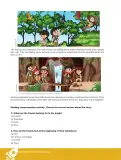
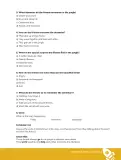
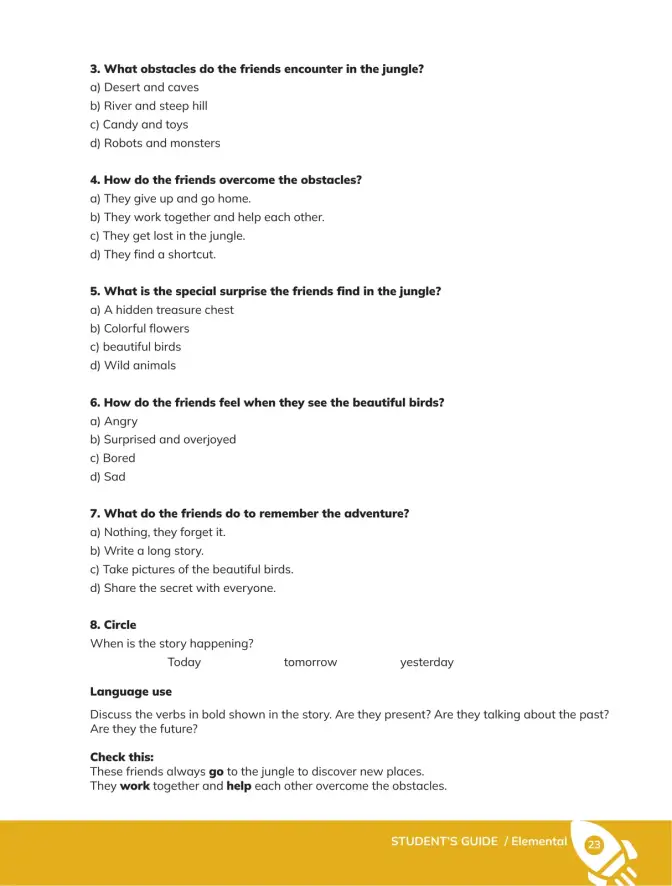
3. What obstacles do the friends encounter in the jungle? a) Desert and caves · b) River and steep hill · c) Candy and toys · d) Robots and monsters

4. How do the friends overcome the obstacles? a) They give up and go home. · b) They work together and help each other. · c) They get lost in the jungle. · d) They find a shortcut.

5. What is the special surprise the friends find in the jungle? a) A hidden treasure chest · b) Colorful flowers · c) beautiful birds · d) Wild animals

6. How do the friends feel when they see the beautiful birds? a) Angry · b) Surprised and overjoyed · c) Bored · d) Sad

7. What do the friends do to remember the adventure? a) Nothing, they forget it. · b) Write a long story. · c) Take pictures of the beautiful birds. · d) Share the secret with everyone.

8. Circle: When is the story happening? — Today / tomorrow / yesterday

Language use: Discuss the verbs in bold shown in the story. Are they present? Are they talking about the past? Are they the future?

Check this: These friends always go to the jungle to discover new places. They work together and help each other overcome the obstacles.


STUDENT'S GUIDE / Elemental — página 23.

Ejemplos resueltos

Completa con el presente simple: She ______ (go) to school every day.

  1. Sujeto: "She" (tercera persona singular).
  2. Aplicamos la regla: se añade -s al verbo.
  3. "go" + "s" = "goes". Resultado: She goes to school every day.

Fórmulas y ecuaciones

Presente simple (afirmativo): sujeto + verbo en infinitivo (añadir -s/-es con he/she/it)

Glosario (5)

Obstacle
Algo que impide o dificulta el avance (ej.: un río o una colina empinada).
Overcome
Superar un problema o dificultad.
Surprise
Algo inesperado que causa admiración o alegría.
Overjoyed
Extremadamente feliz, lleno de alegría.
Present simple
Tiempo verbal en inglés para hábitos y verdades generales (I/you/we/they + verbo; he/she/it + verbo con -s).

Temas y conceptos clave

Comprensión lectora en inglés (reading comprehension)Present simple tenseMarcadores de tiempo (time markers)Vocabulario de aventura y naturalezaPresent simple tenseObstacles (obstáculos)Work together (trabajar juntos)Overcome (superar)Time markers: today / yesterday / tomorrowAdverb of frequency: always
¿Te fue útil esta página?

Figuras de la página (1)

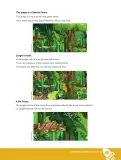
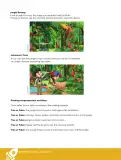
Figura 1 de Ingles 2° · 2024
Figura 1 image

Preguntas que la gente también hace

¿Cómo se forma el presente simple en inglés con verbos regulares?
Consulta la solución completa arriba o explora el libro entero para temas relacionados.
¿Qué diferencia hay entre presente simple y pasado simple en inglés?
Consulta la solución completa arriba o explora el libro entero para temas relacionados.
¿Cómo se preguntan los verbos en presente simple en inglés?
Consulta la solución completa arriba o explora el libro entero para temas relacionados.
📌 Antes de leer esto
  • • Alfabetización en inglés (letras y vocabulario básico)
  • • Conocer verbos comunes: go, work, help
  • • Diferenciar conceptos de tiempo: today, yesterday, tomorrow
Siguiente tema sugerido
Past simple: verbos irregulares y regulares en inglés para narrar aventuras pasadas.
📝 Transcripción de la página (texto seleccionable) 1141 caracteres
  1. What obstacles do the friends encounter in the jungle? a) Desert and caves

b) River and steep hill

c) Candy and toys

d) Robots and monsters

  1. How do the friends overcome the obstacles? a) They give up and go home.

b) They work together and help each other.

c) They get lost in the jungle.

d) They find a shortcut.

  1. What is the special surprise the friends find in the jungle? a) A hidden treasure chest

b) Colorful flowers

c) beautiful birds

d) Wild animals

  1. How do the friends feel when they see the beautiful birds? a) Angry

b) Surprised and overjoyed

c) Bored

d) Sad

  1. What do the friends do to remember the adventure? a) Nothing, they forget it.

b) Write a long story.

c) Take pictures of the beautiful birds.

d) Share the secret with everyone.

  1. Circle When is the story happening? Today tomorrow yesterday

Language use

Discuss the verbs in bold shown in the story. Are they present? Are they talking about the past? Are they the future?

Check this: These friends always go to the jungle to discover new places. They work together and help each other overcome the obstacles.

STUDENT’S GUIDE / Elemental

Ad

Otros libros recomendados

Ver todos →
Ad

Usamos cookies propias y de terceros para personalizar contenido, mostrar publicidad y analizar el tráfico. Las cookies necesarias siempre están activas.