

















Ejercicio 1
Ad
Retrieval and Approach: Literary Creations and Critical Commentary
📄 ejercicios lengua-y-literatura 🎓 otro · 1° TELESECUNDARIA México 🇲🇽 MX 🗣 Español
Respuesta rápida
Tabla autor-obra-género completada; comentario crítico con género, personajes, atmósfera, temas, recursos y contexto; tabla de doble entrada problema-causa.
📚 exercise lengua-y-literatura ⭐⭐ Dificultad 2/5 ⏱ 8 min lectura
Solución — Página 42
Uérakua anapu uantakua. Projects and Readings. Libro de Educación Telesecundaria Grado 1° Ciclo Escolar 2025 - 2026
Ejercicio 1
In communities, discuss the literary creations you have read...
Respuesta orientativa: En comunidades, los estudiantes comparten creaciones literarias que han leído o escuchado. Ejemplos: Caperucita Roja (cuento, autor anónimo), Romeo y Julieta (teatro, William Shakespeare), Veinte poemas de amor y una canción desesperada (poesía, Pablo Neruda).
Ejercicio 2
Using the following table as a reference, record the information...
| Author | Literary Work | Literary Genre |
|---|---|---|
| William Shakespeare | Romeo y Julieta | Teatro (tragedia) |
| Pablo Neruda | Veinte poemas de amor... | Poesía (lírica) |
| Anónimo | Caperucita Roja | Cuento (narrativa) |
Ad
Ejercicio 3
Individually, without forgetting you are part of a community...
a) Selecciona una creación literaria y búscala en la biblioteca escolar, de aula, pública o en internet.
b) Lee y escribe un comentario crítico. Elementos:
- Literary genre / Género literario: narrativo, lírico o dramático.
- Characters / Personajes: protagonistas y secundarios.
- Atmosphere / Atmósfera: emocional y física del relato.
- Topics / Temas: amor, muerte, justicia, libertad.
- Literary resources / Recursos literarios: metáfora, símil, hipérbole, personificación.
- Historical context / Contexto histórico: época y sociedad en que se escribió.
c) En asamblea, lean sus comentarios críticos.
Approach
Ejercicio 1
After listening to your critical commentaries, in assembly, discuss...
a) ¿Qué obras o autores te interesan? Ejemplo: novela de aventuras y Julio Verne.
b) ¿Qué recursos literarios se repitieron más? Ejemplo: la metáfora y la personificación.
c) ¿Cómo usarías tu comentario crítico para fomentar la lectura? Compartirlo en voz alta, recomendarlo y motivar a otros.
d) ¿Qué problemas enfrentarías al promover la lectura? Falta de tiempo, acceso limitado a libros o desinterés.
Ejercicio 2
In communities, draw in your notebook a double-entry table...
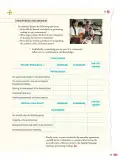
| Problema potencial | Causa probable |
|---|---|
| Poco interés por leer | Falta de hábito y de modelos lectores |
| Escasez de libros | Recursos limitados en la comunidad |
| Falta de tiempo | Actividades escolares y laborales |
| Desconocimiento de obras | No hay difusión ni biblioteca accesible |
Contenido de la página
Retrieval
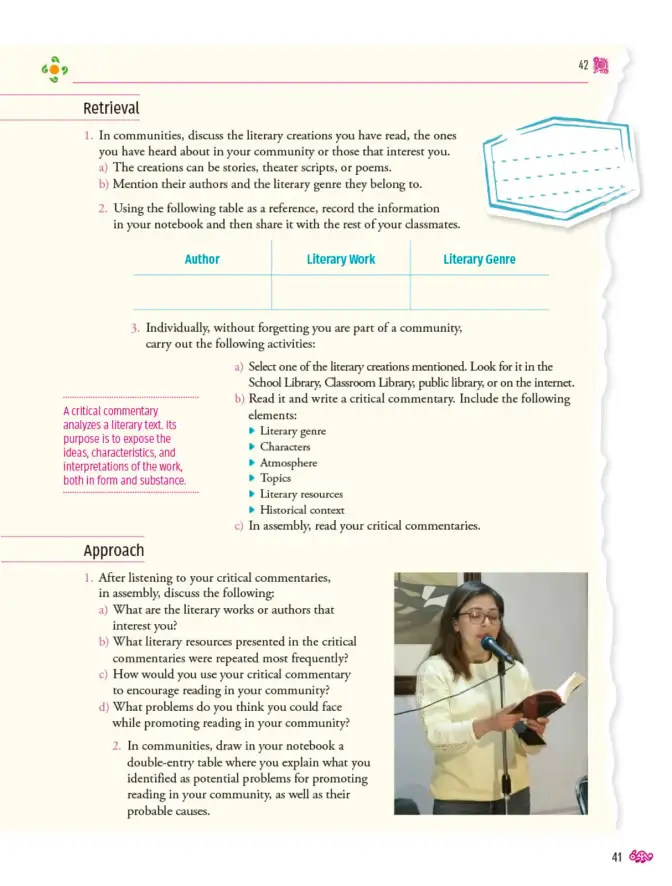
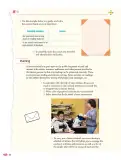
In communities, discuss the literary creations you have read, the ones you have heard about in your community or those that interest you. a) The creations can be stories, theater scripts, or poems. b) Mention their authors and the literary genre they belong to.
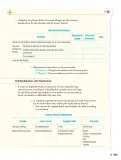
Using the following table as a reference, record the information in your notebook and then share it with the rest of your classmates.
| Author | Literary Work | Literary Genre |
|---|---|---|
- Individually, without forgetting you are part of a community, carry out the following activities:
a) Select one of the literary creations mentioned. Look for it in the School Library, Classroom Library, public library, or on the internet.
b) Read it and write a critical commentary. Include the following elements:
- Literary genre
- Characters
- Atmosphere
- Topics
- Literary resources
- Historical context c) In assembly, read your critical commentaries.
A critical commentary analyzes a literary text. Its purpose is to expose the ideas, characteristics, and interpretations of the work, both in form and substance.
Approach
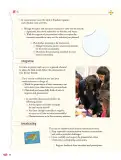
After listening to your critical commentaries, in assembly, discuss the following: a) What are the literary works or authors that interest you? b) What literary resources presented in the critical commentaries were repeated most frequently? c) How would you use your critical commentary to encourage reading in your community? d) What problems do you think you could face while promoting reading in your community?
In communities, draw in your notebook a double-entry table where you explain what you identified as potential problems for promoting reading in your community, as well as their probable causes.
Ejemplos resueltos
Registrar en una tabla autor, obra y género literario.
| Author | Literary Work | Literary Genre |
|---|---|---|
| William Shakespeare | Romeo y Julieta | Teatro |
| Pablo Neruda | Veinte poemas de amor... | Poesía |
| Anónimo | Caperucita Roja | Cuento |
Tablas (2)
| Author | Literary Work | Literary Genre |
|---|---|---|
| Problema potencial | Causa probable |
|---|---|
| Poco interés por leer | Falta de hábito |
| Escasez de libros | Recursos limitados |
| Falta de tiempo | Actividades escolares |
Glosario (4)
- Critical commentary
- Análisis de un texto literario que expone ideas, características e interpretaciones de la obra, en forma y fondo.
- Literary genre
- Categoría que clasifica las obras literarias: narrativo, lírico o dramático.
- Atmosphere
- Clima emocional o ambiente que rodea la acción de una obra literaria.
- Literary resources
- Herramientas del lenguaje literario como metáfora, símil o personificación.
Preguntas para practicar
What are the literary works or authors that interest you?
Las novelas de aventuras de Julio Verne y los cuentos de Edgar Allan Poe, porque combinan imaginación y suspenso.
What literary resources presented in the critical commentaries were repeated most frequently?
La metáfora y la personificación fueron los recursos más repetidos en los comentarios.
How would you use your critical commentary to encourage reading in your community?
Compartiría mi comentario en voz alta, recomendaría la obra y organizaría un círculo de lectura.
What problems do you think you could face while promoting reading in your community?
La falta de tiempo, el acceso limitado a libros y el desinterés de algunos vecinos.
Temas y conceptos clave
Creaciones literariasComentario críticoPromoción de la lecturaGénero literarioPersonajesAtmósferaTemasRecursos literariosContexto histórico
¿Te fue útil esta página?
Figuras de la página (2)

Figura 1 image
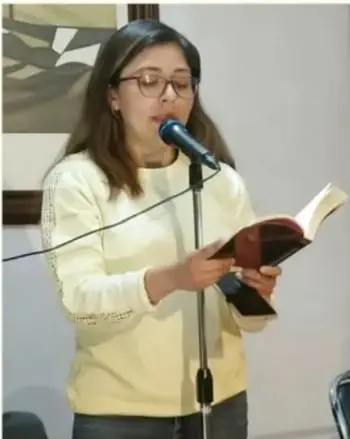
Figura 2 image
Preguntas que la gente también hace
¿Qué es un comentario crítico y cuáles son sus elementos?
Consulta la solución completa arriba o explora el libro entero para temas relacionados.
¿Cómo se clasifican las obras literarias por género?
Consulta la solución completa arriba o explora el libro entero para temas relacionados.
¿Qué estrategias existen para fomentar la lectura en la comunidad?
Consulta la solución completa arriba o explora el libro entero para temas relacionados.
📌 Antes de leer esto
- • Conocer los géneros literarios básicos
- • Identificar personajes y temas en un texto
- • Manejar tablas de registro
Siguiente tema sugerido
Elaboración de reseñas y comentarios críticos de textos literarios
📝 Transcripción de la página (texto seleccionable) 1904 caracteres
Retrieval
- In communities, discuss the literary creations you have read, the ones you have heard about in your community or those that interest you.a) The creations can be stories, theater scripts, or poems.
b) Mention their authors and the literary genre they belong to.
Using the following table as a reference, record the information in your notebook and then share it with the rest of your classmates.
Individually, without forgetting you are part of a community,carry out the following activities:
a) Select one of the literary creations mentioned. Look for it in the School Library, Classroom Library, public library, or on the internet.
A critical commentary analyzes a literary text. Its purpose is to expose the ideas, characteristics, and interpretations of the work,both in form and substance.
b) Read it and write a critical commentary. Include the following elements:
Literary genre
Characters
Atmosphere
Topics
Literary resources
Historical context
c) In assembly, read your critical commentaries.
Approach
- After listening to your critical commentaries,in assembly, discuss the following:
a) What are the literary works or authors that interest you?
b) What literary resources presented in the critical commentaries were repeated most frequently?
How would you use your critical commentary to encourage reading in your community?
d) What problems do you think you could face while promoting reading in your community?
- In communities, draw in your notebook a double-entry table where you explain what you identified as potential problems for promoting reading in your community, as well as their probable causes.
42

| Author | Literary Work | Literary Genre |

41
Ad
Otros libros recomendados
Historia del pueblo mexicano. Multigrado Libro de Educación Telesecundaria Grado 1° Ciclo Escolar 2025 - 2026
SEP/CONALITEG
331 págs.
Colección Ximhai. Lenguajes. Libro de Educación Telesecundaria Grado 1° Ciclo Escolar 2025 - 2026
SEP/CONALITEG
323 págs.
Colección Ximhai. Ética, naturaleza y sociedades. Libro de Educación Telesecundaria Grado 1° Ciclo Escolar 2025 - 2026
SEP/CONALITEG
355 págs.
Uérakua anapu uantakua. Projects and Readings. Libro de Educación Telesecundaria Grado 3° Ciclo Escolar 2025 - 2026
SEP/CONALITEG
187 págs.
Uérakua anapu uantakua. Projects and Readings. Libro de Educación Telesecundaria Grado 2° Ciclo Escolar 2025 - 2026
SEP/CONALITEG
171 págs.
Colección Ximhai. De lo humano y lo comunitario. Libro de Educación Telesecundaria Grado 1° Ciclo Escolar 2025 - 2026
SEP/CONALITEG
259 págs.
Colección Ximhai. Nuestro libro de Proyectos. Tomo II. Libro de Educación Telesecundaria Grado 1° Ciclo Escolar 2025 - 2026
SEP/CONALITEG
267 págs.
Un libro sin recetas para la maestra y el maestro. Fase 6. Libro de Educación Telesecundaria Grado 1°, 2°, 3° Ciclo Escolar 2025 - 2026
SEP/CONALITEG
203 págs.
Ad