Saltar al contenido
MisLibrosTexto
Ad
Inglés – Séptimo Básico | Student’s Book MINEDUC – Descargar PDF · 2024
Libro de Inglés 7

MINEDUC

12/82

Self-evaluation and Speaking: This Is Me!

📄 ejercicios ingles 🎓 otro · 7° BASICA Chile 🇨🇱 CL 🗣 Español
Página 12
12 de 82
Página 12 de Inglés – Séptimo Básico | Student’s Book MINEDUC – Descargar PDF · 2024
Anterior Página 12 / 82 Siguiente

Respuesta rápida

  1. Tabla de autoevaluación completada. 2.a. Practicar más y repartir mejor las tareas. 2.b. Practicar juntos y dar retroalimentación positiva. 2.c. Sí, porque compartimos ideas y aprendimos. Speaking: conclusiones sobre respeto y empatía.
📚 exercise ingles ⭐ Dificultad 1/5 ⏱ 5 min lectura

Solución — Página 12

Inglés – Séptimo Básico | Student’s Book MINEDUC – Descargar PDF · 2024

1
Ejercicio 1

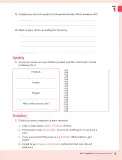
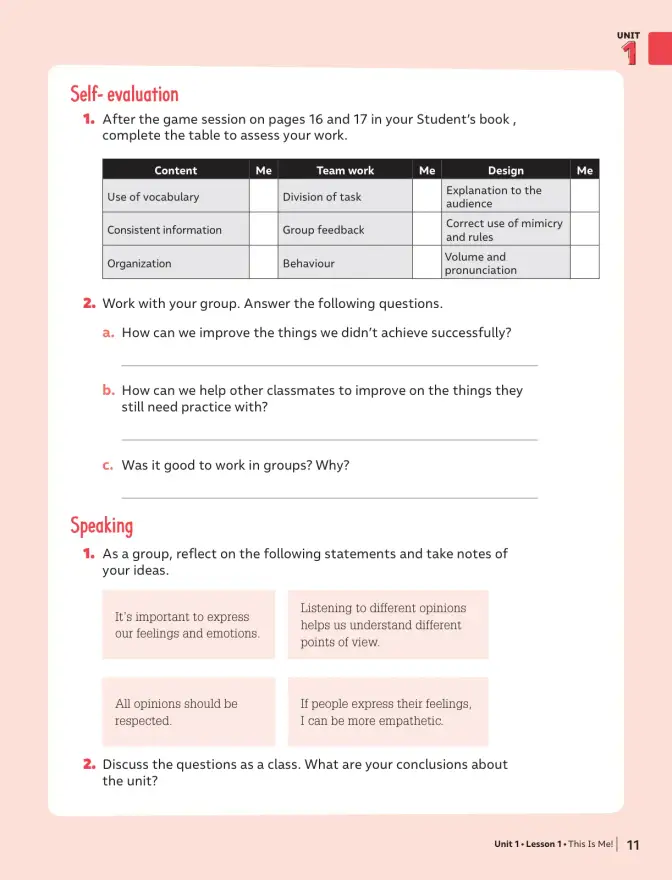
After the game session on pages 16 and 17 in your Student's book, complete the table to assess your work.

  1. Lee cada criterio de la tabla y asígnate una nota (por ejemplo: Excellent, Good, Needs improvement) en la columna "Me".
  2. Para "Content": evalúa tu uso de vocabulario, la consistencia de la información y la organización de tus ideas.
  3. Para "Team work": evalúa la división de tareas, la retroalimentación grupal y tu comportamiento.
  4. Para "Design": evalúa la explicación al público, el uso correcto de mímicas y reglas, y el volumen y la pronunciación.
Respuesta

Tabla completada con una autoevaluación honesta en cada criterio (ejemplo: Good, Excellent, Needs improvement).
2
Ejercicio 2

Work with your group. Answer the following questions.

a
Parte 2.a

How can we improve the things we didn't achieve successfully?

  1. Identifica qué aspecto no se logró (por ejemplo, la organización).
  2. Propón una acción concreta: practicar más, repartir mejor las tareas o pedir ayuda al profesor.
  3. Comprométete a aplicarla en la próxima actividad.
Respuesta

We can improve by practicing more, dividing tasks better, and asking for feedback from our teacher.

b
Parte 2.b

How can we help other classmates to improve on the things they still need practice with?

  1. Detecta en qué necesita ayuda el compañero (por ejemplo, pronunciación).
  2. Ofrece apoyo concreto: practicar juntos, dar ejemplos o explicar con paciencia.
  3. Anima y da retroalimentación positiva.
Respuesta

We can help by practicing together, giving examples, and offering positive feedback.

c
Parte 2.c

Was it good to work in groups? Why?

  1. Reflexiona sobre las ventajas del trabajo grupal.
  2. Menciona que se comparten ideas, se reparten tareas y se aprende de los demás.
  3. Concluye si fue positivo o no.

Speaking

Respuesta

Yes, it was good because we shared ideas, divided tasks, and learned from each other.

1
Ejercicio 1

As a group, reflect on the following statements and take notes of your ideas.

  1. Lee cada afirmación y comenta con tu grupo si están de acuerdo.
  2. Toma notas de las ideas principales.
  3. Prepara ejemplos o experiencias personales.

Respuesta orientativa:

  • It's important to express our feelings and emotions: Yes, because it helps us feel better and understand each other.
  • All opinions should be respected: Yes, because everyone has the right to think differently.
  • Listening to different opinions helps us understand different points of view: Yes, it opens our minds.
  • If people express their feelings, I can be more empathetic: Yes, because I can understand how they feel.
Ad
2
Ejercicio 2

Discuss the questions as a class. What are your conclusions about the unit?

  1. Comparte tus notas con la clase.
  2. Escucha las conclusiones de otros grupos.
  3. Lleguen a una conclusión común sobre la unidad.

Respuesta orientativa: We conclude that expressing our feelings and respecting others' opinions help us work better as a team and understand each other.

Contenido de la página

Self-evaluation

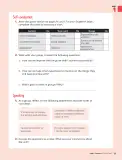
  1. After the game session on pages 16 and 17 in your Student's book, complete the table to assess your work.
Content Me Team work Me Design Me
Use of vocabulary Division of task Explanation to the audience
Consistent information Group feedback Correct use of mimicry and rules
Organization Behaviour Volume and pronunciation
  1. Work with your group. Answer the following questions.

a. How can we improve the things we didn't achieve successfully?

b. How can we help other classmates to improve on the things they still need practice with?

c. Was it good to work in groups? Why?

Speaking

  1. As a group, reflect on the following statements and take notes of your ideas.
  • It's important to express our feelings and emotions.
  • All opinions should be respected.
  • Listening to different opinions helps us understand different points of view.
  • If people express their feelings, I can be more empathetic.
  1. Discuss the questions as a class. What are your conclusions about the unit?

Tabla

Content Me Team work Me Design Me
Use of vocabulary Division of task Explanation to the audience
Consistent information Group feedback Correct use of mimicry and rules
Organization Behaviour Volume and pronunciation

Glosario (5)

Self-evaluation
Evaluación que uno hace de su propio trabajo o desempeño.
Team work
Trabajo en equipo, colaboración entre varias personas.
Feedback
Retroalimentación, comentarios sobre el desempeño.
Mimicry
Mímica, expresión con gestos.
Empathetic
Empático, que comprende los sentimientos de los demás.

Preguntas para practicar

How can we improve the things we didn't achieve successfully?

We can improve by practicing more, dividing tasks better, and asking for feedback from our teacher.

How can we help other classmates to improve on the things they still need practice with?

We can help by practicing together, giving examples, and offering positive feedback.

Was it good to work in groups? Why?

Yes, it was good because we shared ideas, divided tasks, and learned from each other.

What are your conclusions about the unit?

We conclude that expressing our feelings and respecting others' opinions help us work better as a team and understand each other.

Temas y conceptos clave

AutoevaluaciónTrabajo en equipoExpresión oralEmociones y opinionesSelf-evaluationTeam workContentDesignFeelingsEmpathyRespect
¿Te fue útil esta página?

Preguntas que la gente también hace

¿Cómo se dice 'autoevaluación' en inglés?
Consulta la solución completa arriba o explora el libro entero para temas relacionados.
¿Qué es el trabajo en equipo en inglés?
Consulta la solución completa arriba o explora el libro entero para temas relacionados.
¿Cómo expresar emociones en inglés para niños?
Consulta la solución completa arriba o explora el libro entero para temas relacionados.
📌 Antes de leer esto
  • • Vocabulario básico sobre emociones y opiniones
  • • Estructuras para dar opiniones en inglés (I think, I believe)
  • • Haber participado en la sesión de juego de las páginas 16 y 17
Siguiente tema sugerido
Unit 1 Lesson 2: My Family and Friends
📝 Transcripción de la página (texto seleccionable) 1336 caracteres

Self-evaluation

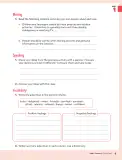
  1. After the game session on pages 16 and 17 in your Student's book,complete the table to assess your work.

  2. Work with your group. Answer the following questions.

a. How can we improve the things we didn't achieve successfully?

b.How can we help other classmates to improve on the things they still need practice with?

C. Was it good to work in groups? Why?

Speaking

  1. As a group, reflect on the following statements and take notes of your ideas.

It's important to express our feelings and emotions.

All opinions should be respected.

Listening to different opinions helps us understand different points of view.

If people express their feelings,I can be more empathetic.

2.Discuss the questions as a class. What are your conclusions about the unit?

UNIT

ContentMeTeam workMeDesignMe
Use of vocabularyDivision of taskExplanation to the audience
Consistent informationGroup feedbackCorrect use of mimicry and rules
OrganizationBehaviourVolume and pronunciation

Unit 1· Lesson 1·This Is Me!

11

Ad

Páginas cercanas

Otros libros recomendados

Ver todos →
Ad

Usamos cookies propias y de terceros para personalizar contenido, mostrar publicidad y analizar el tráfico. Las cookies necesarias siempre están activas.