

















Grammar Reference: Past Simple, Sequencing Words y Past Continuous
Respuesta rápida
Past simple: did/didn't + verbo base. Sequencing: first, next, then, after that, finally. Past continuous: was/were + verbo-ing.
Solución — Página 71
Inglés – Séptimo Básico | Student’s Book MINEDUC – Descargar PDF · 2024
Paso 1: Past Simple — Affirmative
Se usa el verbo en pasado (regular con -ed o irregular) para todas las personas.
| Sujeto | Verbo | Complemento |
|---|---|---|
| I / He / She / It / We / You / They | camped | near a stream. |
Respuesta orientativa: I camped near a stream. / They camped near a stream.
Paso 2: Past Simple — Negative
Se usa el auxiliar did not (didn't) + verbo en forma base para verbos regulares e irregulares.
\text{Sujeto} + \text{did not (didn't)} + \text{verbo base}
| Sujeto | Auxiliar | Verbo base | Complemento |
|---|---|---|---|
| I / He / She / It / We / You / They | did not (didn't) | see | him. |
Respuesta orientativa: I did not see him. / She didn't see him.
Paso 3: Past Simple — Questions
Se usa el auxiliar did al inicio, el sujeto y el verbo principal siempre en forma base.
\text{When} + \text{did} + \text{sujeto} + \text{verbo base} + \text{complemento}?
| Wh- | Auxiliar | Sujeto | Verbo base | Complemento |
|---|---|---|---|---|
| When | did | I / you / he / she / it / we / they | arrive | at Swan Hill? |
Respuesta orientativa: When did you arrive at Swan Hill?
Paso 4: Past Simple — Short Answers
Se responde con Yes/No + sujeto + did/didn't.
| Pregunta | Respuesta corta |
|---|---|
| Did you go camping last night? | No, I did not (didn't). / Yes, I did. |
| Did she feel sad yesterday? | No, she did not (didn't). / Yes, she did. |
Respuesta orientativa: Yes, I did. / No, she didn't.
Paso 5: Sequencing Words
Se usan first, then, next, after that, finally para ordenar eventos. Llevan coma después, excepto then.
Ejemplo con Charles Darwin:
- First, the Beagle left Plymouth in England on December 27, 1831. Charles Darwin was not a good traveler.
- Next, at Chiloé Island in Chile, Darwin saw a volcanic eruption on Mount Osorno.
- Then in February 1832, Darwin saw the Brazilian rainforests.
- After that, Darwin observed giant turtles on the Galapagos Islands. He even jumped on one's back.
- Finally, he published On the Origin of Species in 1859.
Respuesta orientativa: El orden cronológico correcto es: first (salida de Plymouth, 1831), next (Chiloé, erupción del Osorno), then (febrero 1832, selvas de Brasil), after that (tortugas gigantes en Galápagos), finally (publicación en 1859).
Paso 6: Past Continuous — Use
Se usa para acciones largas o en desarrollo en el pasado.
\text{They were laughing and singing.}
Respuesta orientativa: Indica acciones con mayor duración en el pasado.
Paso 7: Past Continuous — Form
Se forma con was/were + participio presente (verbo-ing).
\text{Sujeto} + \text{was/were} + \text{verbo-ing}
Affirmative and Negative
| Sujeto | Auxiliar | Negativo | Verbo-ing | Complemento |
|---|---|---|---|---|
| I / He / She / It | was | was not (wasn't) | driving | the family home. |
| We / You / They | were | were not (weren't) | driving | the family home. |
Respuesta orientativa: I was driving the family home. / They weren't driving the family home.
Paso 8: Past Continuous — Questions
\text{Why} + \text{was/were} + \text{sujeto} + \text{verbo-ing} + \text{complemento}?
| Wh- | Auxiliar | Sujeto | Verbo-ing | Complemento |
|---|---|---|---|---|
| Why | was | I / he / she / it | carrying | Erin? |
| Why | were | we / you / they | carrying | Erin? |
Respuesta orientativa: Why was she carrying Erin? / Why were they carrying Erin?
Paso 9: Past Continuous — Short Answers
| Pregunta | Respuesta corta |
|---|---|
| Were you watching TV yesterday? | Yes, I was. / No, I was not (wasn't). |
| Was she watching TV yesterday? | No, they were not (weren't). / Yes, they were. |
Respuesta orientativa: Yes, I was. / No, they weren't.
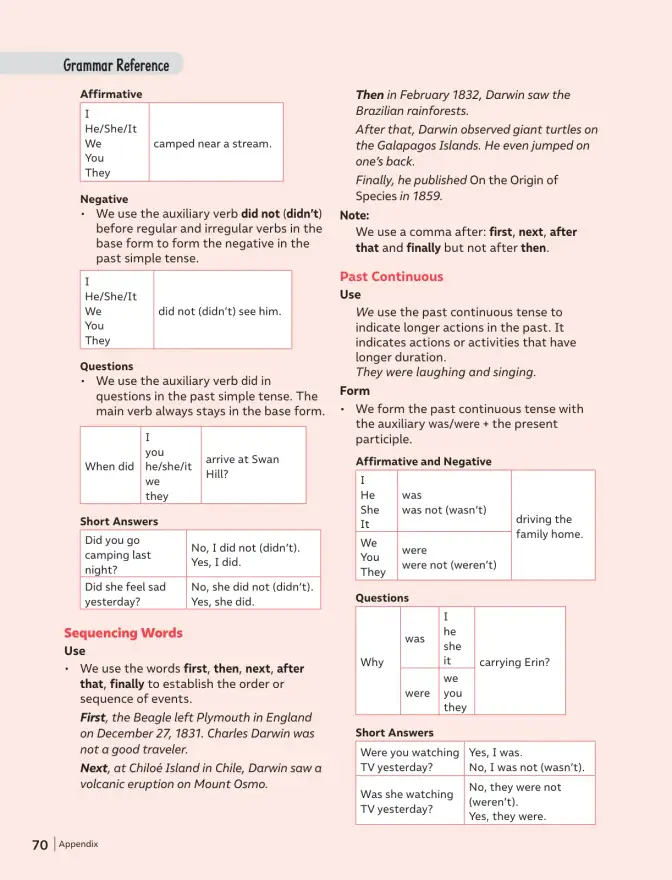
Contenido de la página
Grammar Reference
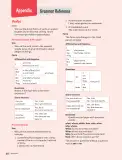
Affirmative
| Sujeto | Verbo | Complemento |
|---|---|---|
| I / He / She / It / We / You / They | camped | near a stream. |
Negative
We use the auxiliary verb did not (didn't) before regular and irregular verbs in the base form to form the negative in the past simple tense.
| Sujeto | Auxiliar + verbo | Complemento |
|---|---|---|
| I / He / She / It / We / You / They | did not (didn't) see | him. |
Questions
We use the auxiliary verb did in questions in the past simple tense. The main verb always stays in the base form.
| Wh- | Auxiliar | Sujeto | Verbo base | Complemento |
|---|---|---|---|---|
| When | did | I / you / he / she / it / we / they | arrive | at Swan Hill? |
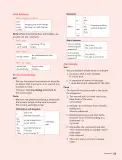
Short Answers
| Pregunta | Respuesta |
|---|---|
| Did you go camping last night? | No, I did not (didn't). / Yes, I did. |
| Did she feel sad yesterday? | No, she did not (didn't). / Yes, she did. |
Sequencing Words
Use
We use the words first, then, next, after that, finally to establish the order or sequence of events.
First, the Beagle left Plymouth in England on December 27, 1831. Charles Darwin was not a good traveler.
Next, at Chiloé Island in Chile, Darwin saw a volcanic eruption on Mount Osorno.
Then in February 1832, Darwin saw the Brazilian rainforests.
After that, Darwin observed giant turtles on the Galapagos Islands. He even jumped on one's back.
Finally, he published On the Origin of Species in 1859.
Note
We use a comma after: first, next, after that and finally but not after then.
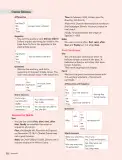
Past Continuous
Use
We use the past continuous tense to indicate longer actions in the past. It indicates actions or activities that have longer duration.
They were laughing and singing.
Form
We form the past continuous tense with the auxiliary was/were + the present participle.
Affirmative and Negative
| Sujeto | Auxiliar | Negativo | Verbo-ing | Complemento |
|---|---|---|---|---|
| I / He / She / It | was | was not (wasn't) | driving | the family home. |
| We / You / They | were | were not (weren't) | driving | the family home. |
Questions
| Wh- | Auxiliar | Sujeto | Verbo-ing | Complemento |
|---|---|---|---|---|
| Why | was | I / he / she / it | carrying | Erin? |
| Why | were | we / you / they | carrying | Erin? |
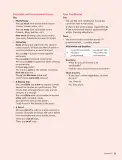
Short Answers
| Pregunta | Respuesta |
|---|---|
| Were you watching TV yesterday? | Yes, I was. / No, I was not (wasn't). |
| Was she watching TV yesterday? | No, they were not (weren't). / Yes, they were. |
Ejemplos resueltos
Forma el negativo de: He saw him.
Se usa did not (didn't) + verbo base: He did not (didn't) see him.
Forma la pregunta: you / arrive / at Swan Hill
Se usa did + sujeto + verbo base: When did you arrive at Swan Hill?
Ordena: Darwin / Galapagos / giant turtles
After that, Darwin observed giant turtles on the Galapagos Islands.
Forma el past continuous: They / laugh and sing
They were laughing and singing.
Tablas (7)
| Sujeto | Verbo | Complemento |
|---|---|---|
| I / He / She / It / We / You / They | camped | near a stream. |
| Sujeto | Auxiliar + verbo | Complemento |
|---|---|---|
| I / He / She / It / We / You / They | did not (didn't) see | him. |
| Wh- | Auxiliar | Sujeto | Verbo base | Complemento |
|---|---|---|---|---|
| When | did | I / you / he / she / it / we / they | arrive | at Swan Hill? |
| Pregunta | Respuesta |
|---|---|
| Did you go camping last night? | No, I did not (didn't). / Yes, I did. |
| Did she feel sad yesterday? | No, she did not (didn't). / Yes, she did. |
| Sujeto | Auxiliar | Negativo | Verbo-ing | Complemento |
|---|---|---|---|---|
| I / He / She / It | was | was not (wasn't) | driving | the family home. |
| We / You / They | were | were not (weren't) | driving | the family home. |
| Wh- | Auxiliar | Sujeto | Verbo-ing | Complemento |
|---|---|---|---|---|
| Why | was | I / he / she / it | carrying | Erin? |
| Why | were | we / you / they | carrying | Erin? |
| Pregunta | Respuesta |
|---|---|
| Were you watching TV yesterday? | Yes, I was. / No, I was not (wasn't). |
| Was she watching TV yesterday? | No, they were not (weren't). / Yes, they were. |
Diagrama
timeline
    title Secuencia de eventos de Charles Darwin
    1831 : First, the Beagle left Plymouth
    1832 : Next, volcanic eruption at Chiloé Island
    1832 : Then, Brazilian rainforests
    1835 : After that, giant turtles in Galapagos
    1859 : Finally, published On the Origin of Species
Fórmulas y ecuaciones
Past simple negative: did not (didn't) + verbo base
Past simple question: did + sujeto + verbo base
Past continuous: was/were + verbo-ing
\text{Sujeto} + \text{did not (didn't)} + \text{verbo base}
\text{When} + \text{did} + \text{sujeto} + \text{verbo base} + \text{complemento}?
\text{Sujeto} + \text{was/were} + \text{verbo-ing}
\text{Why} + \text{was/were} + \text{sujeto} + \text{verbo-ing} + \text{complemento}?
Glosario (5)
- auxiliary verb
- Verbo auxiliar que ayuda a formar tiempos verbales (did, was, were).
- base form
- Forma base del verbo, sin conjugación (see, arrive, camp).
- present participle
- Participio presente, forma del verbo terminada en -ing.
- sequencing words
- Palabras que ordenan eventos: first, then, next, after that, finally.
- short answer
- Respuesta corta afirmativa o negativa con auxiliar.
Preguntas para practicar
¿Cuál es la diferencia entre past simple y past continuous?
El past simple expresa acciones terminadas y puntuales, mientras que el past continuous describe acciones en desarrollo o de mayor duración en el pasado. A menudo se combinan: una acción larga en past continuous es interrumpida por una acción corta en past simple.
¿Por qué se usa coma después de *first, next, after that* y *finally*, pero no después de *then*?
Por convención ortográfica del inglés, los conectores de secuencia que abren o cierran una enumeración llevan coma. *Then* funciona como adverbio de transición breve y normalmente no la requiere.
Temas y conceptos clave
Fuentes y referencias
- Ministerio de Educación de Chile (MINEDUC), Student's Book Inglés 7º Básico
Preguntas que la gente también hace
¿Cómo se forma el past simple en inglés?
¿Cuál es la diferencia entre past simple y past continuous?
¿Qué son las sequencing words y cómo se usan?
- • Verbo to be en presente y pasado
- • Formación del presente continuo
- • Verbos regulares e irregulares en pasado
📝 Transcripción de la página (texto seleccionable) 2595 caracteres
Grammar Reference
Negative
We use the auxiliary verb did not (didn't)before regular and irregular verbs in the base form to form the negative in the past simple tense.
Questions
questions in the past simple tense. The main verb always stays in the base form.
Sequencing Words
Use
We use the words first, then, next, after that, finally to establish the order or sequence of events.
First, the Beagle left Plymouth in England on December 27, 1831. Charles Darwin was not a good traveler.
Next, at Chiloé Island in Chile, Darwin saw a volcanic eruption on Mount Osmo.
Then in February 1832, Darwin saw the Brazilian rainforests.
After that, Darwin observed giant turtles on the Galapagos Islands. He even jumped on one's back.
Finally, he published On the Origin of Species in 1859.
Note:
We use a comma after: first, next, after that and finally but not after then.
Past Continuous
Use
We use the past continuous tense to indicate longer actions in the past. It indicates actions or activities that have longer duration.
They were laughing and singing.
Form
· We form the past continuous tense with the auxiliary was/were + the present participle.
Affirmative
| I He/She/It We You They | camped near a stream. |
| 1 He/She/It We You They | did not (didn't) see him. |
We use the auxiliary verb did in
| When did | 1 you he/she/it we they | |
| arrive at Swan Hill!? |
Short Answers
| Did you go camping last night? | No, I did not (didn't). Yes, I did. |
| Did she feel sad yesterday? | No, she did not (didn't). Yes, she did. |
Affirmative and Negative
| I He She It | was was not (wasn't) | driving the family home. |
| We You They | were were not (weren't) |
Questions
| Why | was | I he she it | carrying Erin? |
| were | we you they |
Short Answers
| Were you watching TV yesterday? | Yes, I was. No, I was not (wasn't). |
| Was she watching TV yesterday? | No, they were not (weren't). Yes, they were. |
70
Appendix
Otros libros recomendados

Matemática – Séptimo Básico | Texto del Estudiante MINEDUC – Descargar PDF · 2024
MINEDUC
146 págs.
Inglés – Séptimo Básico | Student’s Book MINEDUC – Descargar PDF · 2024
MINEDUC
162 págs.
Inglés – Séptimo Básico | Student’s Book MINEDUC – Descargar PDF · 2024
MINEDUC
162 págs.

Inglés – Séptimo Básico | Student’s Book MINEDUC – Descargar PDF · 2024
MINEDUC
136 págs.
Ciencias Naturales – Séptimo Básico | Texto del Estudiante MINEDUC – Descargar PDF · 2024
MINEDUC
178 págs.
Ciencias Naturales – Séptimo Básico | Texto del Estudiante MINEDUC – Descargar PDF · 2024
MINEDUC
162 págs.
Ciencias Naturales – Séptimo Básico | Texto del Estudiante MINEDUC – Descargar PDF · 2024
MINEDUC
178 págs.
Historia, Geografía y Ciencias Sociales – Séptimo Básico | Texto del Estudiante MINEDUC – Descargar PDF · 2024
MINEDUC
146 págs.