Saltar al contenido
MisLibrosTexto
Ad
Inglés – Séptimo Básico | Student’s Book MINEDUC – Descargar PDF · 2024
Libro de Inglés 7

MINEDUC

72/82

Countable and Uncountable Nouns / Zero Conditional

📄 teoria ingles 🎓 otro · 7° BASICA Chile 🇨🇱 CL 🗣 Español
Página 72
72 de 82
Página 72 de Inglés – Séptimo Básico | Student’s Book MINEDUC – Descargar PDF · 2024
Anterior Página 72 / 82 Siguiente

Respuesta rápida

  1. If there is an earthquake, I stay calm and move to a safe place. 2) We survive if we move to high ground. 3) Yes, they do. / No, they don't. 4) If a pandemic spreads, people get sick. If we don't contaminate, we protect the environment. 5) much + incontables, many + contables. 6) some en afirmativas/ofrecimientos, any en preguntas/negativas. 7) a little + incontables, a few + contables. 8) a lot of + contables e incontables.
📚 theory ingles ⭐⭐ Dificultad 2/5 ⏱ 6 min lectura

Solución — Página 72

Inglés – Séptimo Básico | Student’s Book MINEDUC – Descargar PDF · 2024

1
Ejercicio 1

Responde: What do you do if there is an earthquake? (¿Qué haces si hay un terremoto?)

  1. Identifico la estructura: es una pregunta en zero conditional (if + presente simple, presente simple).
  2. La respuesta debe usar presente simple en ambas partes, porque expresa una situación real y habitual.
  3. Formulo la respuesta con acciones concretas de seguridad.
Respuesta

If there is an earthquake, I stay calm and move to a safe place, away from windows and heavy objects.

2
Ejercicio 2

Responde: How do we survive if there is a tsunami? (¿Cómo sobrevivimos si hay un tsunami?)

  1. Reconozco el zero conditional: condición real (tsunami) y resultado real (sobrevivir).
  2. Uso presente simple en la cláusula con if y en la cláusula principal.
  3. Incluyo acciones de evacuación.
Respuesta

We survive if we move quickly to high ground and follow the tsunami evacuation signs.

3
Ejercicio 3

Responde con short answers: If you don't water vegetables, do they survive?

  1. La pregunta es de sí/no en zero conditional.
  2. La respuesta corta afirmativa se forma con Yes, + pronombre + do/does.
  3. La respuesta corta negativa se forma con No, + pronombre + don't/doesn't.
Respuesta

Yes, they do. / No, they don't.

Ad
4
Ejercicio 4

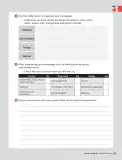
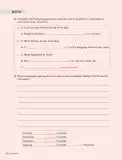
Completa el cuadro Affirmative and Negative del zero conditional.

  1. Estructura afirmativa: If + presente simple, + presente simple.
  2. Estructura negativa: If + presente simple negativo, + presente simple negativo.
  3. Uno las columnas del cuadro según la imagen.
Respuesta
If ... ...
If a pandemic spreads, people get sick.
If we don't contaminate, we protect the environment.
5
Ejercicio 5

Explica la diferencia entre much y many con ejemplos.

  1. Much se usa con sustantivos incontables (money, bread, water).
  2. Many se usa con sustantivos contables en plural (friends, bags, bottles).
  3. Ejemplos: How much birthday cake do you want? / How many friends do you want to invite?
Respuesta

Much* acompaña a incontables y many a contables plurales.

6
Ejercicio 6

Explica cuándo se usa some y cuándo any.

  1. Some se usa en oraciones afirmativas y en preguntas cuando se ofrece o se pide algo.
  2. Any se usa en preguntas y oraciones negativas.
  3. Ejemplos: Is there any soda? / Yes, there is some in the kitchen, but there isn't any popcorn. / Would you like some more tea?
Respuesta

Some* en afirmativas y ofrecimientos; any en preguntas y negativas.

Ad
7
Ejercicio 7

Explica la diferencia entre a little y a few.

  1. A little se usa con sustantivos incontables y expresa una cantidad pequeña pero suficiente.
  2. A few se usa con sustantivos contables en plural y expresa un número pequeño pero suficiente.
  3. Ejemplos: Sprinkle them with a little glitter. / I only invited a few friends to the party.
Respuesta

A little* + incontables; a few + contables plurales.

8
Ejercicio 8

Explica el uso de a lot of.

  1. A lot of indica una cantidad o número grande.
  2. Se usa antes de sustantivos contables e incontables.
  3. Ejemplos: There are a lot of chips. / There is a lot of soda.
Respuesta

A lot of* sirve para contables e incontables con idea de cantidad grande.

Contenido de la página

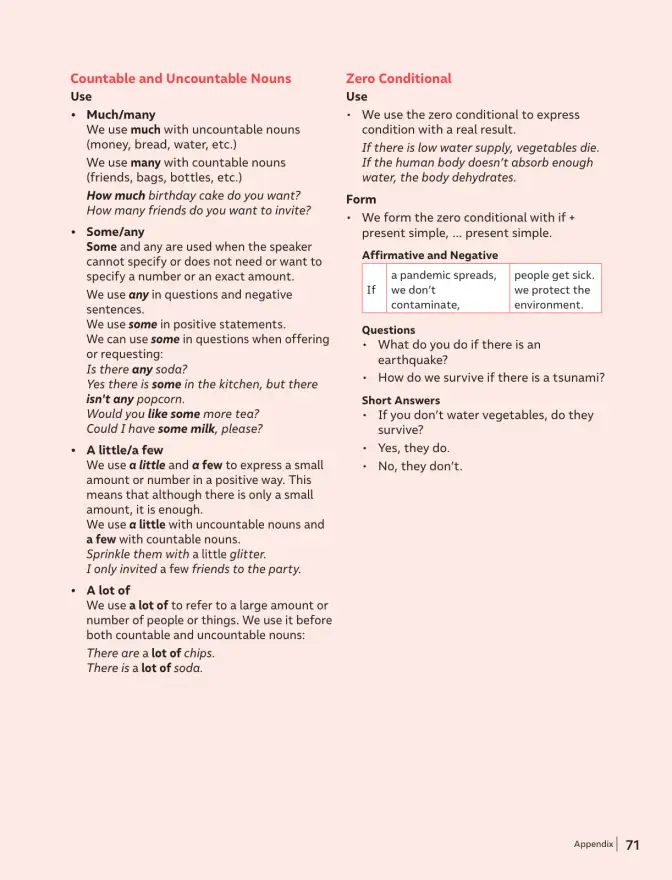
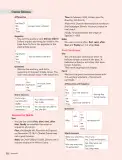
Countable and Uncountable Nouns

Use

Much/many

We use much with uncountable nouns (money, bread, water, etc.).

We use many with countable nouns (friends, bags, bottles, etc.).

How much birthday cake do you want?

How many friends do you want to invite?

Some/any

Some and any are used when the speaker cannot specify or does not need or want to specify a number or an exact amount.

We use any in questions and negative sentences.

We use some in positive statements.

We can use some in questions when offering or requesting:

Is there any soda?

Yes, there is some in the kitchen, but there isn't any popcorn.

Would you like some more tea?

Could I have some milk, please?

A little/a few

We use a little and a few to express a small amount or number in a positive way. This means that although there is only a small amount, it is enough.

We use a little with uncountable nouns and a few with countable nouns.

Sprinkle them with a little glitter.

I only invited a few friends to the party.

A lot of

We use a lot of to refer to a large amount or number of people or things. We use it before both countable and uncountable nouns:

There are a lot of chips.

There is a lot of soda.

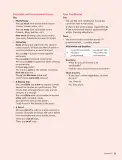
Zero Conditional

Use

We use the zero conditional to express condition with a real result.

If there is low water supply, vegetables die.

If the human body doesn't absorb enough water, the body dehydrates.

Form

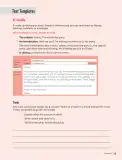
We form the zero conditional with if + present simple, ... present simple.

Affirmative and Negative

If ... ...
If a pandemic spreads, people get sick.
If we don't contaminate, we protect the environment.

Questions

  • What do you do if there is an earthquake?
  • How do we survive if there is a tsunami?

Short Answers

  • If you don't water vegetables, do they survive?
  • Yes, they do.
  • No, they don't.

Appendix 71
Ejemplos resueltos

Completa con much o many: How ___ birthday cake do you want?

Birthday cake es incontable, por lo tanto se usa much: How much birthday cake do you want?

Completa con some o any: Is there ___ soda? Yes, there is ___ in the kitchen.

En pregunta se usa any: Is there any soda? En afirmativa se usa some: Yes, there is some in the kitchen.

Completa con a little o a few: I only invited ___ friends to the party.

Friends es contable plural, por lo tanto se usa a few: I only invited a few friends to the party.

Forma el zero conditional: If there ___ (be) low water supply, vegetables ___ (die).

El zero conditional usa presente simple en ambas cláusulas: If there is low water supply, vegetables die.

Tablas (2)

If ... ...
If a pandemic spreads, people get sick.
If we don't contaminate, we protect the environment.
Cuantificador Tipo de sustantivo Ejemplo
much incontable How much birthday cake do you want?
many contable plural How many friends do you want to invite?
some contable e incontable (afirmativas/ofrecimientos) Would you like some more tea?
any contable e incontable (preguntas/negativas) Is there any soda?
a little incontable Sprinkle them with a little glitter.
a few contable plural I only invited a few friends to the party.
a lot of contable e incontable There are a lot of chips. / There is a lot of soda.

Diagrama

graph TD
A[Countable and Uncountable Nouns] --> B[Much / Many]
A --> C[Some / Any]
A --> D[A little / A few]
A --> E[A lot of]
B --> B1[much + incontables]
B --> B2[many + contables]
C --> C1[some: afirmativas y ofrecimientos]
C --> C2[any: preguntas y negativas]
D --> D1[a little + incontables]
D --> D2[a few + contables]
E --> E1[a lot of + contables e incontables]
F[Zero Conditional] --> G[Use: condicion con resultado real]
F --> H[Form: if + presente simple, presente simple]
H --> I[Affirmative and Negative]
H --> J[Questions]
H --> K[Short Answers]

Glosario (10)

countable noun
Sustantivo contable: se puede contar y tiene forma plural (friends, bags, bottles).
uncountable noun
Sustantivo incontable: no se cuenta por unidades y no suele tener plural (money, bread, water).
much
Cuantificador que se usa con sustantivos incontables.
many
Cuantificador que se usa con sustantivos contables en plural.
some
Cuantificador usado en oraciones afirmativas y en ofrecimientos o peticiones.
any
Cuantificador usado en preguntas y oraciones negativas.
a little
Cantidad pequeña pero suficiente; se usa con incontables.
a few
Número pequeño pero suficiente; se usa con contables plurales.
a lot of
Cantidad o número grande; se usa con contables e incontables.
zero conditional
Condicional que expresa condiciones reales con if + presente simple, presente simple.

Preguntas para practicar

What do you do if there is an earthquake?

If there is an earthquake, I stay calm and move to a safe place, away from windows and heavy objects.

How do we survive if there is a tsunami?

We survive if we move quickly to high ground and follow the tsunami evacuation signs.

Temas y conceptos clave

Countable and Uncountable NounsMuch/manySome/anyA little/a fewA lot ofZero Conditionalsustantivos contablessustantivos incontablescuantificadorescondicional ceropresente simpleif clause
¿Te fue útil esta página?

Preguntas que la gente también hace

¿Cuándo se usa much y cuándo many en inglés?
Consulta la solución completa arriba o explora el libro entero para temas relacionados.
¿Cuál es la diferencia entre some y any?
Consulta la solución completa arriba o explora el libro entero para temas relacionados.
¿Cómo se forma el zero conditional en inglés?
Consulta la solución completa arriba o explora el libro entero para temas relacionados.
📌 Antes de leer esto
  • • Reconocer sustantivos en inglés
  • • Formar oraciones en presente simple
  • • Distinguir singular y plural
Siguiente tema sugerido
First conditional (if + presente simple, will + verbo)
📝 Transcripción de la página (texto seleccionable) 1910 caracteres

Countable and Uncountable Nouns Use

Much/many

We use much with uncountable nouns (money, bread, water, etc.)

We use many with countable nouns (friends, bags, bottles, etc.)

How much birthday cake do you want?How many friends do you want to invite?

Some/any

Some and any are used when the speaker cannot specify or does not need or want to specify a number or an exact amount.

We use any in questions and negative sentences.

We use some in positive statements.

We can use some in questions when offering or requesting:

Is there any soda?

Yes there is some in the kitchen, but there isn't any popcorn.

Would you like some more tea?

Could I have some milk, please?

A little/a few

We use a little and a few to express a small amount or number in a positive way. This means that although there is only a small amount, it is enough.

We use a little with uncountable nouns and a few with countable nouns.

Sprinkle them with a little glitter.

I only invited a few friends to the party.

A lot of

We use a lot of to refer to a large amount or number of people or things. We use it before both countable and uncountable nouns:

There are a lot of chips.

There is a lot of soda.

Zero Conditional

Use

We use the zero conditional to express condition with a real result.

If there is low water supply, vegetables die.If the human body doesn't absorb enough water, the body dehydrates.

Form

We form the zero conditional with if +present simple, ... present simple.

Questions

What do you do if there is an earthquake?

•How do we survive if there is a tsunami?

Short Answers

• If you don't water vegetables, do they survive?

• Yes, they do.

• No, they don't.

Affirmative and Negative

Ifa pandemic spreads, we don't contaminate,people get sick. we protect the environment.

Appendix

71
Ad

Otros libros recomendados

Ver todos →
Ad

Usamos cookies propias y de terceros para personalizar contenido, mostrar publicidad y analizar el tráfico. Las cookies necesarias siempre están activas.