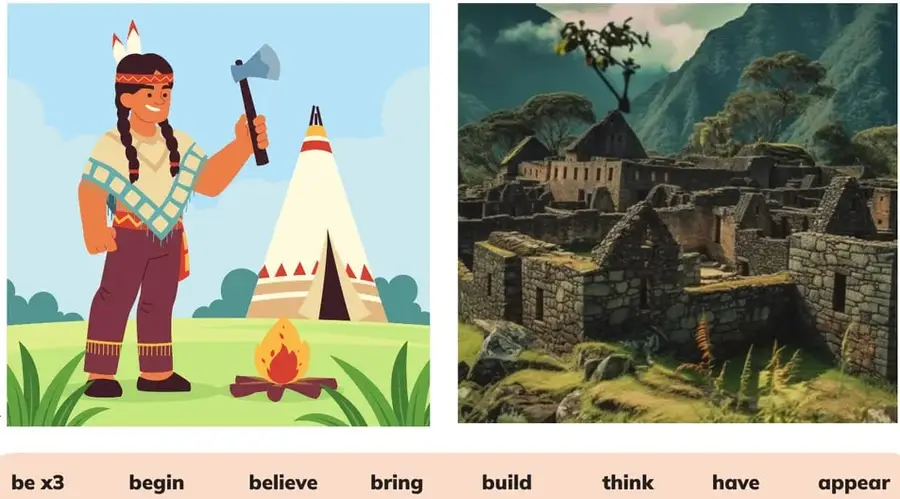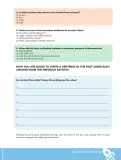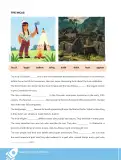
















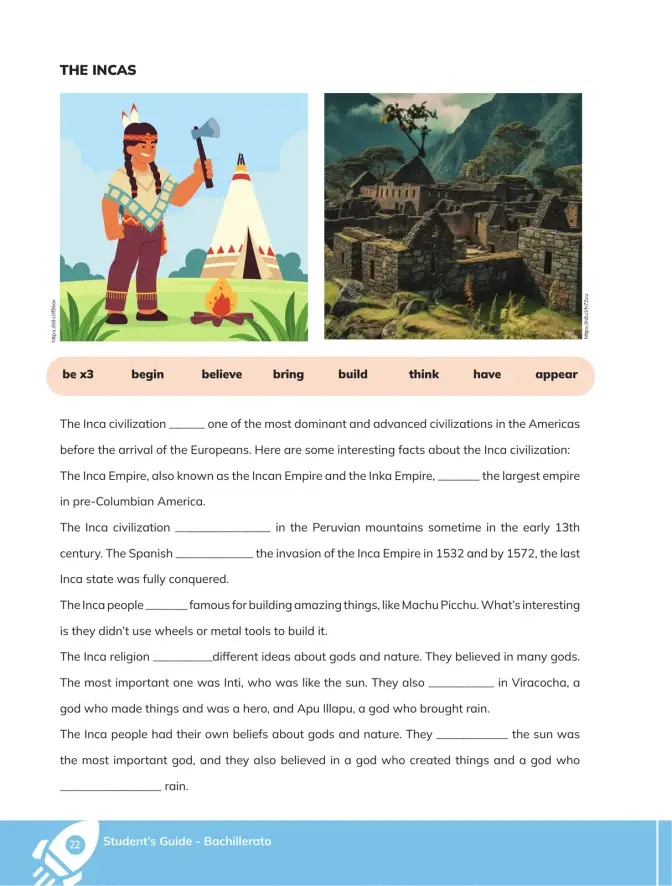
Completa las oraciones con los verbos del recuadro en su forma correcta (pasado simple): be x3, begin, believe, bring, build, think, have, appear.
"The Inca civilization _____ one of the most dominant and advanced civilizations in the Americas before the arrival of the Europeans."
- El sujeto es "The Inca civilization" (tercera persona del singular).
- Se necesita el verbo be en pasado: was / were.
- La civilización es singular → was.
was
"The Inca Empire, also known as the Incan Empire and the Inka Empire, _____ the largest empire in pre-Columbian America."
- Sujeto singular: "The Inca Empire".
- Verbo be en pasado, singular → was.
was
"The Inca civilization _____ in the Peruvian mountains sometime in the early 13th century."
- La acción es "comenzar" → verbo begin.
- Pasado simple de begin → began.
began
"The Spanish _____ the invasion of the Inca Empire in 1532 and by 1572, the last Inca state was fully conquered."
- Significado: "iniciar la invasión" → begin.
- Sujeto plural (The Spanish) en pasado → began.
began
"The Inca people _____ famous for building amazing things, like Machu Picchu."
- "Eran famosos" → verbo be.
- Sujeto plural (people) en pasado → were.
were
"The Inca religion _____ different ideas about gods and nature."
- Significado: "tenía diferentes ideas" → verbo have.
- Sujeto singular en pasado → had.
had
"They also _____ in Viracocha, a god who made things and was a hero..."
- "Creían en" → verbo believe.
- Sujeto plural (they) en pasado → believed.
believed
"They _____ the sun was the most important god..."
- "Pensaban que" → verbo think.
- Sujeto plural en pasado → thought.
thought
"...and a god who _____ rain."
- "Traía lluvia" → verbo bring.
- Sujeto singular (a god) en pasado → brought.
Nota: el verbo build (construir) del recuadro corresponde al hecho ya expresado "famous for building amazing things" (gerundio). Las formas was, were cubren los tres usos de be (2 usos singulares + 1 plural).
Respuesta: was, was, began, began, were, had, believed, thought, brought.
brought