















Saltar al contenido
MisLibrosTexto
Ad
Ingles 10° · 2024
Libro de Inglés 10 EGB

Ministerio de Educación del Ecuador

16/50

Modal verbs for rules and norms in the classroom

📄 teoria ingles 🎓 secundaria · 10° EGB Ecuador 🇪🇨 EC 🗣 Español
Página 16
16 de 50
Página 16 de Ingles 10° · 2024
Anterior Página 16 / 50 Siguiente

Respuesta rápida

  1. should/ought to = recomendación; must = obligación; need to = necesidad; can't = permiso negado. 2) must; need to/have to; Can...can; should; can't. 3) Reglas propuestas con should, must, need to, have to, can/can't.
📚 theory ingles ⭐⭐ Dificultad 2/5 ⏱ 5 min lectura

Solución — Página 16

Ingles 10° · 2024

1
Ejercicio 1

Señala la función de los verbos modales en cada oración de ejemplo: obligación, necesidad, permiso o recomendación.

  1. You should always be respectful to your classmates. → should expresa recomendación (consejo).
  2. Students must follow the classroom rules. → must expresa obligación fuerte.
  3. We ought to listen to the teacher's instructions. → ought to expresa recomendación / deber moral.
  4. You need to raise your hand before speaking. → need to expresa necesidad.
  5. You can't talk in class without permission. → can't expresa falta de permiso (prohibición).

Respuesta

should/ought to = recomendación; must = obligación; need to = necesidad; can't = permiso negado.

2
Ejercicio 2

Completa con el modal adecuado: should, must, have to, need to, can / can't.

  1. Students ______ respect their teachers.
  2. You ______ raise your hand before speaking.
  3. ______ I go to the bathroom? — Yes, you ______.
  4. We ______ not interrupt when someone else is talking.
  5. You ______ talk in class without permission.

Paso a paso:

  1. Respetar a los profesores es una obligación fuerte → must.
  2. Levantar la mano es una necesidad → need to (o have to).
  3. Preguntar permiso → Can; respuesta positiva → can.
  4. Interrumpir es algo que no se debe hacer → should (We should not interrupt...).
  5. Hablar sin permiso no está permitido → can't.

Respuesta
  1. must 2) need to / have to 3) Can ... can 4) should 5) can't
3
Ejercicio 3

(Project)

Enunciado: Create some rules or norms for the class or the school that can help have better relationships with others. Present it to the class and teacher and use your creativity to draw or write the new rules.

Propuesta de reglas (con modales):

  1. We should always greet each other with a smile.
  2. Students must listen respectfully when someone is speaking.
  3. You need to raise your hand before speaking.
  4. You have to arrive on time to every class.
  5. We should not interrupt the teacher's instructions.
  6. You can ask for help whenever you need it.
  7. We must keep the classroom clean and organized.
  8. You can't use your phone during the lesson.

Respuesta orientativa: El proyecto se presenta con 6–8 reglas escritas en inglés usando los modales estudiados, acompañadas de un cartel o dibujo ilustrativo que muestre cada norma.

Contenido de la página

FOR EXAMPLE:

  • Raise your hand before speaking.
  • Always listen respectfully to others.
  • Don't interrupt when someone else is talking.

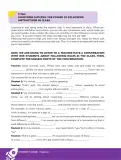
Modal verbs, such as "should," "must," "have to," "need to," and "can," are used to express necessity, obligation, or permission. They are commonly used to transmit social norms or rules in a more polite or nuanced way.

FOR EXAMPLE:

  • You should always be respectful to your classmates.
  • Students must follow the classroom rules.
  • We ought to listen to the teacher's instructions.
  • You need to raise your hand before speaking.
  • You can't talk in class without permission.

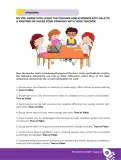
Project:

Create some rules or norms for the class or the school that can help have better relationships with others. Present it to the class and teacher and use your creativity to draw or write the new rules.

Ejemplos resueltos

Explica la función del modal en: Students must follow the classroom rules.

  1. Sujeto: Students. 2. Modal: must = obligación fuerte. 3. Verbo base: follow. Traducción: Los estudiantes deben seguir las reglas del aula.

Tabla

Modal Función Ejemplo
should / ought to Recomendación You should be respectful.
must Obligación fuerte Students must follow the rules.
have to Obligación externa You have to arrive on time.
need to Necesidad You need to raise your hand.
can Permiso You can ask for help.
can't Prohibición You can't talk without permission.

Fórmulas y ecuaciones

sujeto + should/must/need to/ought to + verbo base + complemento

Glosario (5)

modal verb
Verbo auxiliar que expresa obligación, necesidad, permiso o recomendación (should, must, can, need to).
obligation
Obligación de hacer algo; se expresa con must, have to.
necessity
Necesidad de realizar una acción; se expresa con need to.
permission
Autorización para hacer algo; se expresa con can / can't.
norms
Normas o reglas de convivencia que regulan el comportamiento en un grupo.

Preguntas para practicar

¿Por qué se usan los verbos modales para expresar normas y no solo el imperativo?

Porque los modales permiten expresar obligación, recomendación o permiso de forma más educada y matizada que el imperativo, que suena más directo o brusco.

Proyecto: crea reglas de clase con modales y preséntalas.

Ej.: You should respect your classmates; Students must arrive on time; You need to raise your hand; You can't talk without permission.

Temas y conceptos clave

Verbos modales para expresar reglas y normasProyecto de creación de normas de aulashouldmusthave toneed toought tocan / can'tobligationnecessitypermission

Fuentes y referencias

  • https://n9.cl/r8kcy
  • https://n9.cl/mrlif
¿Te fue útil esta página?

Figuras de la página (1)

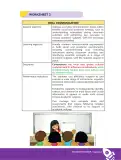
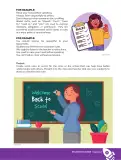
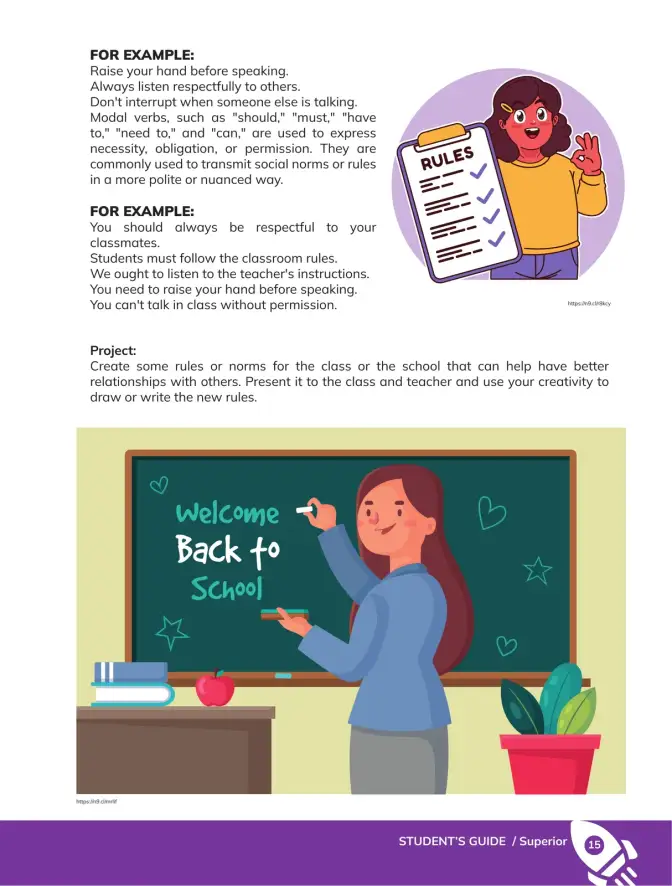
Ilustración de una profesora escribiendo 'Welcome Back to School' en una pizarra verde, con libros, una manzana y una planta.
Figura 2 image

Preguntas que la gente también hace

¿Para qué sirven los verbos modales en inglés?
Consulta la solución completa arriba o explora el libro entero para temas relacionados.
¿Cuál es la diferencia entre must y have to?
Consulta la solución completa arriba o explora el libro entero para temas relacionados.
¿Cómo expresar permiso y prohibición en inglés?
Consulta la solución completa arriba o explora el libro entero para temas relacionados.
📌 Antes de leer esto
  • • Conocer el presente simple
  • • Haber visto verbos auxiliares
  • • Vocabulario básico de aula y cortesía
Siguiente tema sugerido
Ejercicios de transformación con verbos modales y debate sobre normas escolares
📝 Transcripción de la página (texto seleccionable) 877 caracteres

FOR EXAMPLE:

Raise your hand before speaking.

Always listen respectfully to others.

Don't interrupt when someone else is talking. Modal verbs, such as "should," "must," "have to," "need to," and "can," are used to express necessity, obligation, or permission. They are commonly used to transmit social norms or rules in a more polite or nuanced way.

FOR EXAMPLE:

You should always be respectful to your classmates.

Students must follow the classroom rules.

We ought to listen to the teacher's instructions. You need to raise your hand before speaking. You can't talk in class without permission. petpsn9cirGkey

Project:

Create some rules or norms for the class or the school that can help have better relationships with others. Present it to the class and teacher and use your creativity to draw or write the new rules.

https://n9.cl/mrtif

STUDENT"S GUIDE / Superior

Ad

Otros libros recomendados

Ver todos →
Ad

Usamos cookies propias y de terceros para personalizar contenido, mostrar publicidad y analizar el tráfico. Las cookies necesarias siempre están activas.