













Saltar al contenido
MisLibrosTexto
Ad
Ingles 9° · 2024
Libro de Inglés 9 EGB

Ministerio de Educación del Ecuador

10/50

Gestos culturales: significados y actividad de expresión oral

📄 ejercicios ingles 🎓 secundaria · 9° EGB Ecuador 🇪🇨 EC 🗣 Español
Página 10
10 de 50
Página 10 de Ingles 9° · 2024
Anterior Página 10 / 50 Siguiente

Respuesta rápida

Finger snap = llamar la atención (EE. UU.); crossed fingers = buena suerte o mentira; raised foot = gesto ofensivo (Oriente Medio y Asia). Actividad oral: describir gestos propios con significado en inglés.

📚 exercise ingles ⭐⭐ Dificultad 2/5 ⏱ 5 min lectura

Solución — Página 10

Ingles 9° · 2024

1
Ejercicio 1

Describe el significado de los tres gestos culturales presentados en la página.

a
Parte 1.a

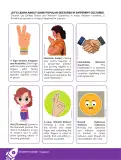
Finger Snap (United States)

Snapping the fingers is often used to get someone's attention or to emphasize a point in American culture.

Traducción: Chasquear los dedos se usa frecuentemente para llamar la atención de alguien o para enfatizar un punto en la cultura estadounidense.

Respuesta

En EE. UU., chasquear los dedos sirve para llamar la atención o dar énfasis a una idea.

b
Parte 1.b

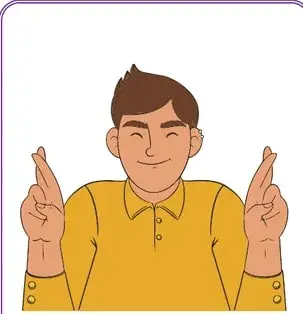
Crossed Fingers (Various Cultures)

Crossing the fingers is a superstitious gesture believed to bring good luck or to indicate that someone is lying.

Traducción: Cruzar los dedos es un gesto supersticioso que se cree trae buena suerte o indica que alguien está mintiendo.

Respuesta

En varias culturas, cruzar los dedos significa desear buena suerte o avisar que alguien miente.

c
Parte 1.c

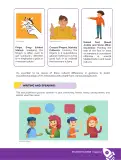
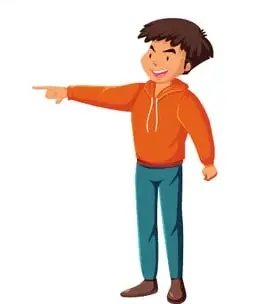
Raised Foot (Saudi Arabia and Some Other Countries)

Pointing the sole of the foot or shoe at someone is considered offensive in several Middle Eastern and Asian cultures.

Traducción: Señalar la suela del pie o el zapato hacia alguien se considera ofensivo en varias culturas de Oriente Medio y Asia.

Respuesta

En Arabia Saudita y otros países de Oriente Medio y Asia, mostrar la suela del pie hacia alguien es ofensivo.
2
Ejercicio 2

Comprender la idea principal: "It's essential to be aware of these cultural differences in gestures to avoid misunderstandings when interacting with people from various backgrounds."

  1. Es esencial conocer las diferencias culturales en los gestos.
  2. El objetivo es evitar malentendidos.
  3. La situación de aplicación es interactuar con personas de distintos orígenes culturales.
Respuesta

Debemos ser conscientes de las diferencias culturales en los gestos para evitar malentendidos al comunicarnos con personas de distintos orígenes.

3
Ejercicio 3

(Writing and Speaking)

"Talk about different gestures common in your community, friends, family, among others, and explain what they mean."

  1. Piensa en al menos tres gestos usados en tu comunidad, familia o grupo de amigos.
  2. Para cada gesto, explica en inglés qué significa y en qué situación se usa.
  3. Estructura tu respuesta: "In my community, people often [gesture]... It means... We use it when..."
  4. Añade una comparación con un gesto de otra cultura para mostrar conciencia intercultural.

Respuesta orientativa: In my community, people often greet each other with a handshake; it means hello and respect, and we use it when we meet someone. My friends and I give a high-five to celebrate good news, which means congratulations. In my family, we wave goodbye when someone leaves the house. These gestures show friendliness, but some gestures, like showing the sole of the foot, would be rude in other countries, so we must be careful when we meet people from different cultures.

Contenido de la página

Finger Snap (United States)

Snapping the fingers is often used to get someone's attention or to emphasize a point in American culture.

Crossed Fingers (Various Cultures)

Crossing the fingers is a superstitious gesture believed to bring good luck or to indicate that someone is lying.

Raised Foot (Saudi Arabia and Some Other Countries)

Pointing the sole of the foot or shoe at someone is considered offensive in several Middle Eastern and Asian cultures.

It's essential to be aware of these cultural differences in gestures to avoid misunderstandings when interacting with people from various backgrounds.

WRITING AND SPEAKING:

Talk about different gestures common in your community, friends, family, among others, and explain what they mean.

STUDENT'S GUIDE / Superior

Ejemplos resueltos

Explica qué significa el gesto 'crossed fingers' y cuándo se usa.

Crossing the fingers is a superstitious gesture believed to bring good luck or to indicate that someone is lying. Se usa cuando se desea buena suerte o cuando se quiere avisar que alguien miente.

¿Por qué el gesto 'raised foot' es problemático en algunas culturas?

Because pointing the sole of the foot or shoe at someone is considered offensive in several Middle Eastern and Asian cultures, including Saudi Arabia.

Tabla

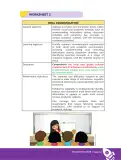
Gesto País/Cultura Significado
Finger Snap United States Llamar la atención o enfatizar un punto
Crossed Fingers Various cultures Buena suerte o que alguien miente
Raised Foot Saudi Arabia y otros Ofensivo: señalar con la suela del pie o zapato

Glosario (6)

Finger snap
Chasquear los dedos; gesto usado para llamar la atención o enfatizar un punto.
Crossed fingers
Dedos cruzados; gesto supersticioso que representa buena suerte o que alguien miente.
Raised foot
Pie levantado; señalar con la suela del pie o zapato hacia alguien.
Offensive
Ofensivo, que causa ofensa o agrado.
Misunderstanding
Malentendido, comprensión errónea de algo.
Superstitious
Supersticioso, relacionado con creencias sin fundamento.

Preguntas para practicar

What gestures are common in your community and what do they mean?

In my community, people greet each other with a handshake, which means hello and respect; we give a high-five to celebrate, which means congratulations; and we wave goodbye when someone leaves.

Why is it essential to be aware of cultural differences in gestures?

Because being aware of these cultural differences helps us avoid misunderstandings when interacting with people from various backgrounds.

Temas y conceptos clave

Gestos culturales en diferentes paísesComunicación no verbalDiferencias culturales y malentendidosWriting and Speaking: gestos de la comunidadFinger SnapCrossed FingersRaised Footcultural awarenessmisunderstandingsnon-verbal communication

Fuentes y referencias

  • https://hn9.cl/zq2pj
  • https://acortar.link/U9syOf
  • https://acortar.link/9c1V8i
¿Te fue útil esta página?

Figuras de la página (3)

Persona con los dedos cruzados (Crossed Fingers, varias culturas).
Figura 2 image
Persona señalando con el pie levantado (Raised Foot, Arabia Saudita y otros países).
Figura 3 image
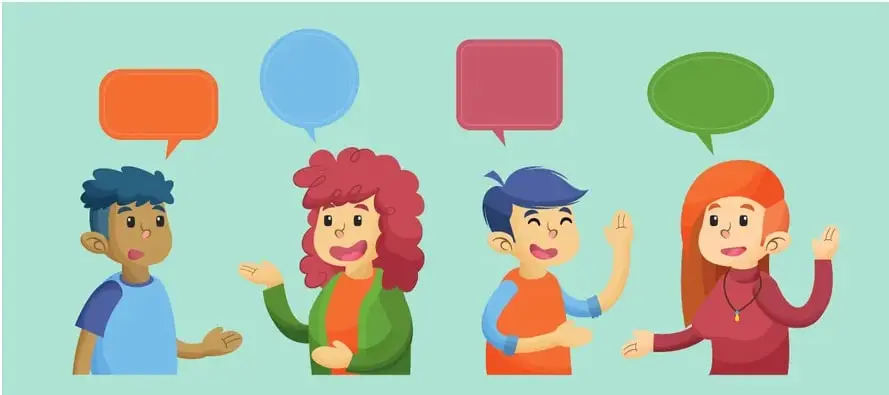
Cuatro jóvenes conversando con globos de diálogo, actividad de Writing and Speaking.
Figura 4 image

Preguntas que la gente también hace

¿Qué significa chasquear los dedos en la cultura estadounidense?
Consulta la solución completa arriba o explora el libro entero para temas relacionados.
¿Por qué mostrar la suela del pie es ofensivo en algunas culturas?
Consulta la solución completa arriba o explora el libro entero para temas relacionados.
¿Por qué es importante conocer los gestos de otras culturas al comunicarse?
Consulta la solución completa arriba o explora el libro entero para temas relacionados.
📌 Antes de leer esto
  • • Vocabulario básico en inglés sobre partes del cuerpo (fingers, foot, sole, shoe)
  • • Comprensión lectora de textos cortos en inglés
  • • Noción de expresiones y gestos cotidianos
Siguiente tema sugerido
Más actividades de expresión oral y escrita sobre tradiciones y costumbres culturales
📝 Transcripción de la página (texto seleccionable) 901 caracteres

https://n9.cl/zq2pj

Finger Snap (United States): Snapping the fingers is often used to get someone's attention or to emphasize a point in American culture.

https:/lacortarlink/U9syOf

Crossed Fingers (Various Cultures): Crossing the fingers is a superstitious gesture believed to bring good luck or to indicate that someone is lying.

htips.//acortarlink/rdviTE

Raised Foot (Saudi Arabia and Some Other Countries): Pointing the sole of the foot or shoe at someone is considered offensive in several Middle Eastern and Asian cultures.

It's essential to be aware of these cultural differences in gestures to avoid misunderstandings when interacting with people from various backgrounds.

WRITING AND SPEAKING:

Talk about different gestures common in your community, friends, family, among others, and

explain what they mean.

3 f

https://acortar-link/9c1V8i

mip

Gi &

STUDENT’S GUIDE / Superior

Ad

Páginas cercanas

Otros libros recomendados

Ver todos →
Ad

Usamos cookies propias y de terceros para personalizar contenido, mostrar publicidad y analizar el tráfico. Las cookies necesarias siempre están activas.