Saltar al contenido
MisLibrosTexto
Ad

Retrieval: Artistic Expressions of My Community and Their Health Benefits

📄 ejercicios ingles 🎓 otro · 1° TELESECUNDARIA México 🇲🇽 MX 🗣 Español
Página 12
12 de 187
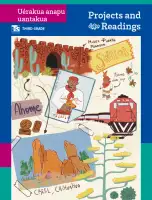
Página 12 de Uérakua anapu uantakua. Projects and Readings.  Libro de Educación Telesecundaria Grado 1°  Ciclo Escolar 2025 - 2026
Anterior Página 12 / 187 Siguiente

Respuesta rápida

  1. Investigar expresiones artísticas locales. 2. Beneficios físicos y mentales del arte. 3. Entrevista: a) danzas, música, artesanías; b) grupos independientes; c) adultos y jóvenes; d) sí, en fiestas y ferias. 4. Clasificar por tipo, organizador, participantes y ocasión.
📚 exercise ingles ⭐⭐ Dificultad 2/5 ⏱ 8 min lectura

Solución — Página 12

Uérakua anapu uantakua. Projects and Readings. Libro de Educación Telesecundaria Grado 1° Ciclo Escolar 2025 - 2026

1
Ejercicio 1

In collaboration, research the most representative artistic expressions of your community. Consult books at the local library or, if possible, reliable sources on the internet.

  1. Identifiquen las expresiones artísticas de su comunidad: danzas, música, artesanías, pintura, bordado, alfarería, tejido, etc.
  2. Consulten la biblioteca local o fuentes confiables de internet (INEGI, Secretaría de Cultura, portales municipales).
  3. Registren cada expresión con su nombre, origen y ocasión en que se practica.

Respuesta orientativa: En una comunidad de Oaxaca, por ejemplo, las expresiones más representativas pueden ser la danza de la pluma, la música de banda, el tejido de tapetes y la alfarería. Se documentan con fichas que incluyen nombre, participantes y fecha de la celebración.

2
Ejercicio 2

In those same sources, investigate how artistic activities benefit physical and mental health.

  1. Busquen estudios o artículos que relacionen arte y salud.
  2. Clasifiquen los beneficios en físicos (coordinación, motricidad, resistencia) y mentales (reducción del estrés, autoestima, expresión emocional).
  3. Elaboren un cuadro de doble entrada con los hallazgos.

Respuesta orientativa: La danza mejora la coordinación y la condición física; la música y la pintura reducen el estrés y la ansiedad, y favorecen la expresión de emociones. Participar en actividades artísticas comunitarias fortalece la autoestima y el sentido de pertenencia.

3
Ejercicio 3

Individually, in the company of an adult, interview a person from your community to learn about the artistic activities that take place there. Write your answers in your notebook.

a
Parte 3.a

What artistic activities are characteristic of your community or are carried out in the community?

Respuesta orientativa: Las actividades características suelen ser danzas tradicionales, música regional, bordado, tejido, alfarería y pintura. Se realizan en fiestas patronales, ferias y talleres comunitarios.

b
Parte 3.b

Are these artistic activities organized by a government authority or by independent groups? Why?

Respuesta orientativa: Generalmente son organizadas por grupos independientes, como comités de vecinos o familias de artesanos, aunque a veces reciben apoyo de la autoridad municipal. La organización independiente responde a la tradición y a la iniciativa de la propia comunidad.

c
Parte 3.c

Who are their leading participants: children, young people, or adults? Why?

Respuesta orientativa: Participan principalmente adultos y jóvenes, porque son quienes conservan y transmiten la tradición. En algunas comunidades también se incorporan niños mediante talleres escolares.

d
Parte 3.d

Are there any presentations or exhibitions for the benefit of the community?

Respuesta orientativa: Sí, se realizan presentaciones en fiestas patronales, ferias del pueblo y exposiciones artesanales. Estas actividades fortalecen la convivencia y la economía local.

Ad
4
Ejercicio 4

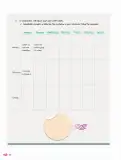
Classify the information you obtained by the common elements you identify; use worksheets.

  1. Revisen las respuestas de la entrevista y busquen elementos comunes: tipo de arte, organizadores, participantes y ocasión.
  2. Elaboren una tabla o esquema en la hoja de trabajo.
  3. Compartan la clasificación con el grupo.

Respuesta orientativa: Los elementos comunes suelen ser el tipo de expresión (danza, música, artesanía), quién la organiza (grupos independientes o autoridad), quiénes participan (adultos, jóvenes, niños) y en qué ocasión se presenta (fiestas, ferias, talleres).

Contenido de la página

Problematic situations

Problematic situation Description
Problematic situation 1 Lack of knowledge about the benefits of artistic works for our physical and mental health.
Problematic situation 2 Lack of promotion of the artistic and cultural heritage of the community, as well as the benefits that it brings to the physical and mental well-being of the people.
Problematic situation 3 Ignorance about the role art plays in releasing emotions and its importance in the development of creativity and imagination as part of healthy living habits.

Retrieval

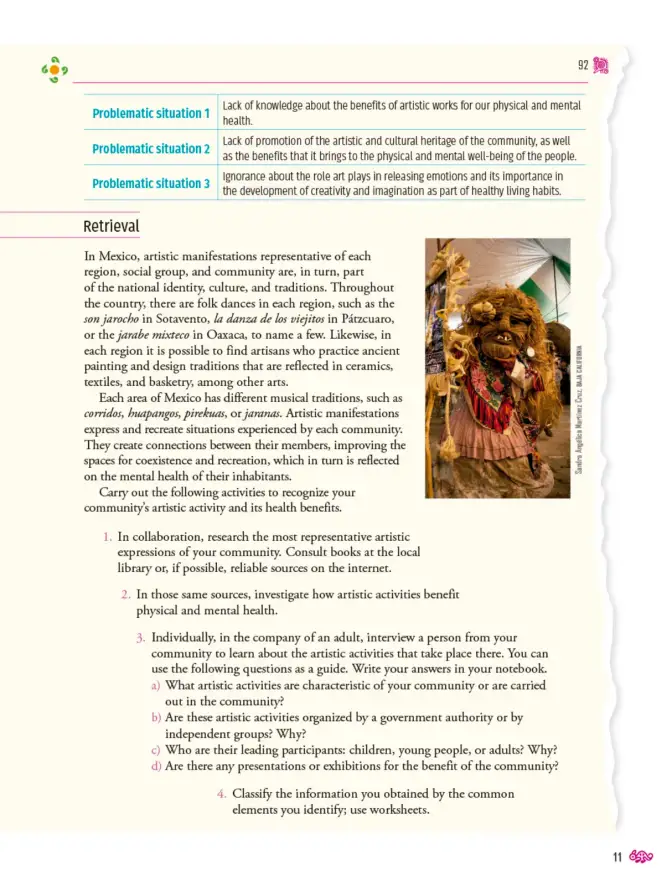
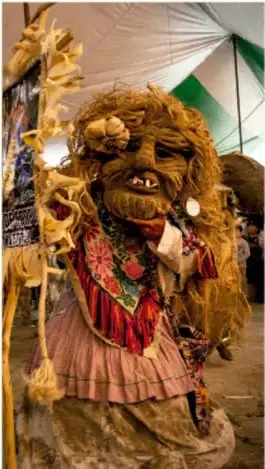
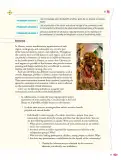
In Mexico, artistic manifestations representative of each region, social group, and community are, in turn, part of the national identity, culture, and traditions. Throughout the country, there are folk dances in each region, such as the son jarocho in Sotavento, la danza de los viejitos in Pátzcuaro, or the jarabe mixteco in Oaxaca, to name a few. Likewise, in each region it is possible to find artisans who practice ancient painting and design traditions that are reflected in ceramics, textiles, and basketry, among other arts.

Each area of Mexico has different musical traditions, such as corridos, huapangos, pirekuas, or jaranas. Artistic manifestations express and recreate situations experienced by each community. They create connections between their members, improving the spaces for coexistence and recreation, which in turn is reflected on the mental health of their inhabitants.

Carry out the following activities to recognize your community's artistic activity and its health benefits.

  1. In collaboration, research the most representative artistic expressions of your community. Consult books at the local library or, if possible, reliable sources on the internet.
  2. In those same sources, investigate how artistic activities benefit physical and mental health.
  3. Individually, in the company of an adult, interview a person from your community to learn about the artistic activities that take place there. You can use the following questions as a guide. Write your answers in your notebook. a) What artistic activities are characteristic of your community or are carried out in the community? b) Are these artistic activities organized by a government authority or by independent groups? Why? c) Who are their leading participants: children, young people, or adults? Why? d) Are there any presentations or exhibitions for the benefit of the community?
  4. Classify the information you obtained by the common elements you identify; use worksheets.

Tabla

Problematic situation Description
Problematic situation 1 Lack of knowledge about the benefits of artistic works for our physical and mental health.
Problematic situation 2 Lack of promotion of the artistic and cultural heritage of the community, as well as the benefits that it brings to the physical and mental well-being of the people.
Problematic situation 3 Ignorance about the role art plays in releasing emotions and its importance in the development of creativity and imagination as part of healthy living habits.

Glosario (8)

son jarocho
Género musical y danza tradicional de la región de Sotavento, Veracruz.
danza de los viejitos
Danza tradicional purépecha de Pátzcuaro, Michoacán, en la que los bailarines usan máscaras de ancianos.
jarabe mixteco
Danza tradicional de la región mixteca de Oaxaca.
corrido
Composición musical narrativa popular en México.
huapango
Género musical y danza de la Huasteca.
pirekua
Canto tradicional purépecha de Michoacán.
jarana
Instrumento de cuerda y también danza tradicional de Yucatán y Veracruz.
artisan
Persona que elabora objetos artesanales con técnicas tradicionales.

Preguntas para practicar

What artistic activities are characteristic of your community or are carried out in the community?

Las actividades características suelen ser danzas tradicionales, música regional, bordado, tejido, alfarería y pintura. Se realizan en fiestas patronales, ferias y talleres comunitarios.

Are these artistic activities organized by a government authority or by independent groups? Why?

Generalmente son organizadas por grupos independientes, como comités de vecinos o familias de artesanos, aunque a veces reciben apoyo de la autoridad municipal. La organización independiente responde a la tradición y a la iniciativa de la propia comunidad.

Who are their leading participants: children, young people, or adults? Why?

Participan principalmente adultos y jóvenes, porque son quienes conservan y transmiten la tradición. En algunas comunidades también se incorporan niños mediante talleres escolares.

Are there any presentations or exhibitions for the benefit of the community?

Sí, se realizan presentaciones en fiestas patronales, ferias del pueblo y exposiciones artesanales. Estas actividades fortalecen la convivencia y la economía local.

Temas y conceptos clave

Manifestaciones artísticas de MéxicoArte y salud física y mentalPatrimonio cultural comunitarioidentidad nacionaldanzas folclóricasartesaníamúsica tradicionalsalud mentalconvivencia

Fuentes y referencias

  • Biblioteca local
  • Fuentes confiables de internet (Secretaría de Cultura, INEGI)
¿Te fue útil esta página?

Figuras de la página (1)

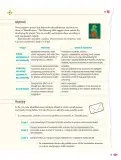
Fotografía de una persona con máscara y atuendo tradicional de la danza de los viejitos, con textil bordado y sombrero, en un entorno de fiesta. Crédito: Sandra Angélica Martínez Cruz, Baja California.
Figura 1 image

Preguntas que la gente también hace

¿Cuáles son las manifestaciones artísticas más representativas de México?
Consulta la solución completa arriba o explora el libro entero para temas relacionados.
¿Cómo benefician las actividades artísticas a la salud física y mental?
Consulta la solución completa arriba o explora el libro entero para temas relacionados.
¿Qué danzas y músicas tradicionales existen en las regiones de México?
Consulta la solución completa arriba o explora el libro entero para temas relacionados.
📌 Antes de leer esto
  • • Vocabulario básico en inglés sobre arte y comunidad
  • • Identificación de tradiciones y costumbres locales
  • • Uso de fuentes de consulta
Siguiente tema sugerido
Presentación oral de las expresiones artísticas de la comunidad
📝 Transcripción de la página (texto seleccionable) 2639 caracteres

Retrieval

In Mexico, artistic manifestations representative of each region, social group, and community are, in turn, part of the national identity, culture, and traditions. Throughout the country, there are folk dances in each region, such as the son jarocho in Sotavento, la danza de los viejitos in Pátzcuaro,or the jarabe mixteco in Oaxaca, to name a few. Likewise, in each region it is possible to find artisans who practice ancient painting and design traditions that are reflected in ceramics,textiles, and basketry, among other arts.

Each area of Mexico has different musical traditions, such as corridos, huapangos, pirekuas, or jaranas. Artistic manifestations express and recreate situations experienced by each community.They create connections between their members, improving the spaces for coexistence and recreation, which in turn is reflected on the mental health of their inhabitants.

Carry out the following activities to recognize your community's artistic activity and its health benefits.

  1. In collaboration, research the most representative artistic expressions of your community. Consult books at the local library or, if possible, reliable sources on the internet.

  2. In those same sources, investigate how artistic activities benefit physical and mental health.

  3. Individually, in the company of an adult, interview a person from your community to learn about the artistic activities that take place there. You can use the following questions as a guide. Write your answers in your notebook.a)What artistic activities are characteristic of your community or are carried out in the community?

b) Are these artistic activities organized by a government authority or by independent groups? Why?

c Who are their leading participants: children, young people, or adults? Why?d) Are there any presentations or exhibitions for the benefit of the community?

4..Classify the information you obtained by the common elements you identify; use worksheets.

92

Problematic situation 1Lack of knowledge about the benefits of artistic works for our physical and mental health.
Problematic situation 2Lack of promotion of the artistic and cultural heritage of the community, as well as the benefits that it brings to the physical and mental well-being of the people.
Problematic situation 3Ignorance about the role art plays in releasing emotions and its importance in the development of creativity and imagination as part of healthy living habits.

![](page=0,bbox=[766, 428, 1031, 897])

11

8
Ad

Páginas cercanas

Otros libros recomendados

Ver todos →
Ad

Usamos cookies propias y de terceros para personalizar contenido, mostrar publicidad y analizar el tráfico. Las cookies necesarias siempre están activas.