
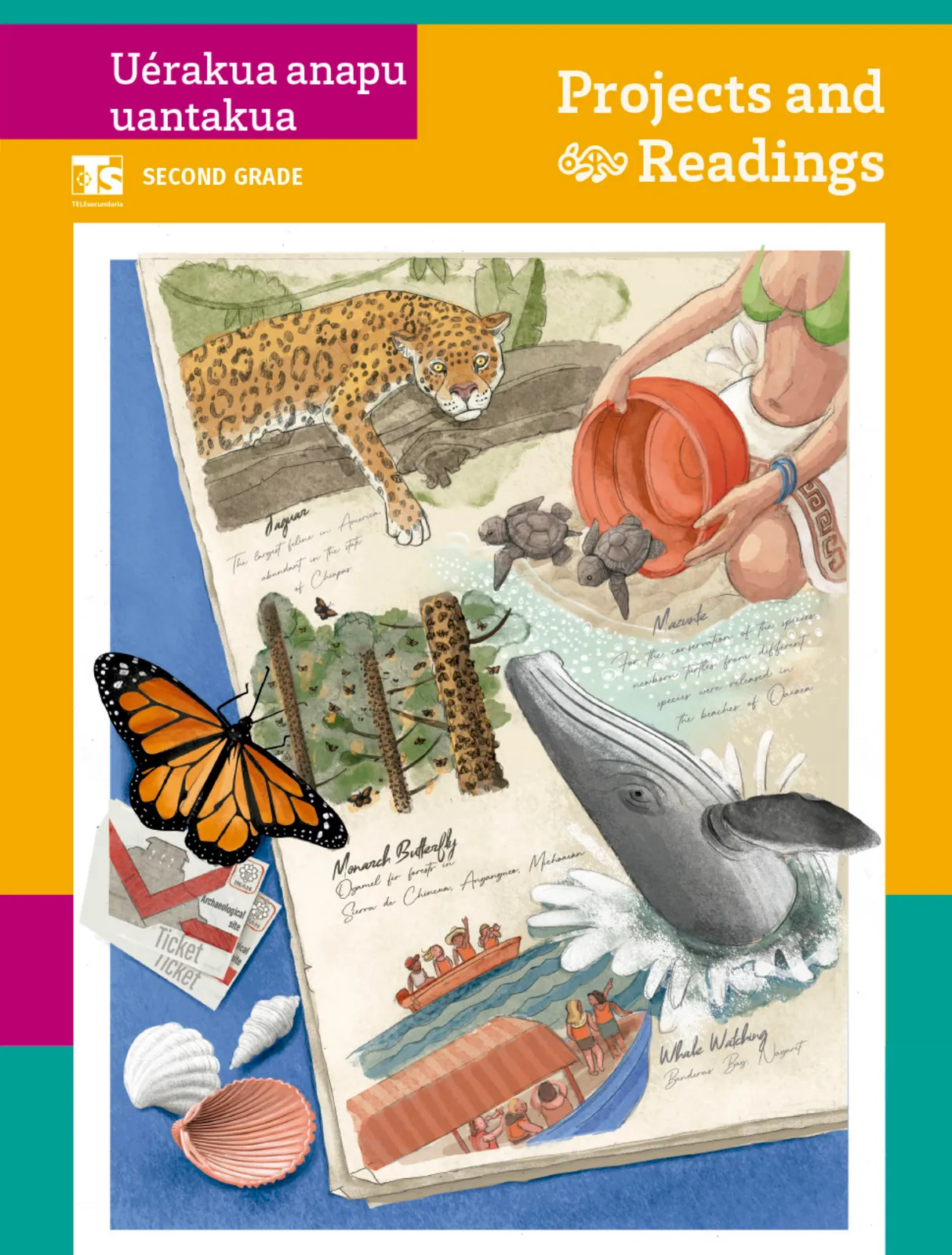
Página — Uerakua Anapu Uantakua Projects And Readings 2 (pág. 17)
Solución no disponible aún
Esta página está en proceso de revisión.
Pídela y la resolveremos antes. Sin registro.
📝 Transcripción de la página (texto seleccionable) 1828 caracteres
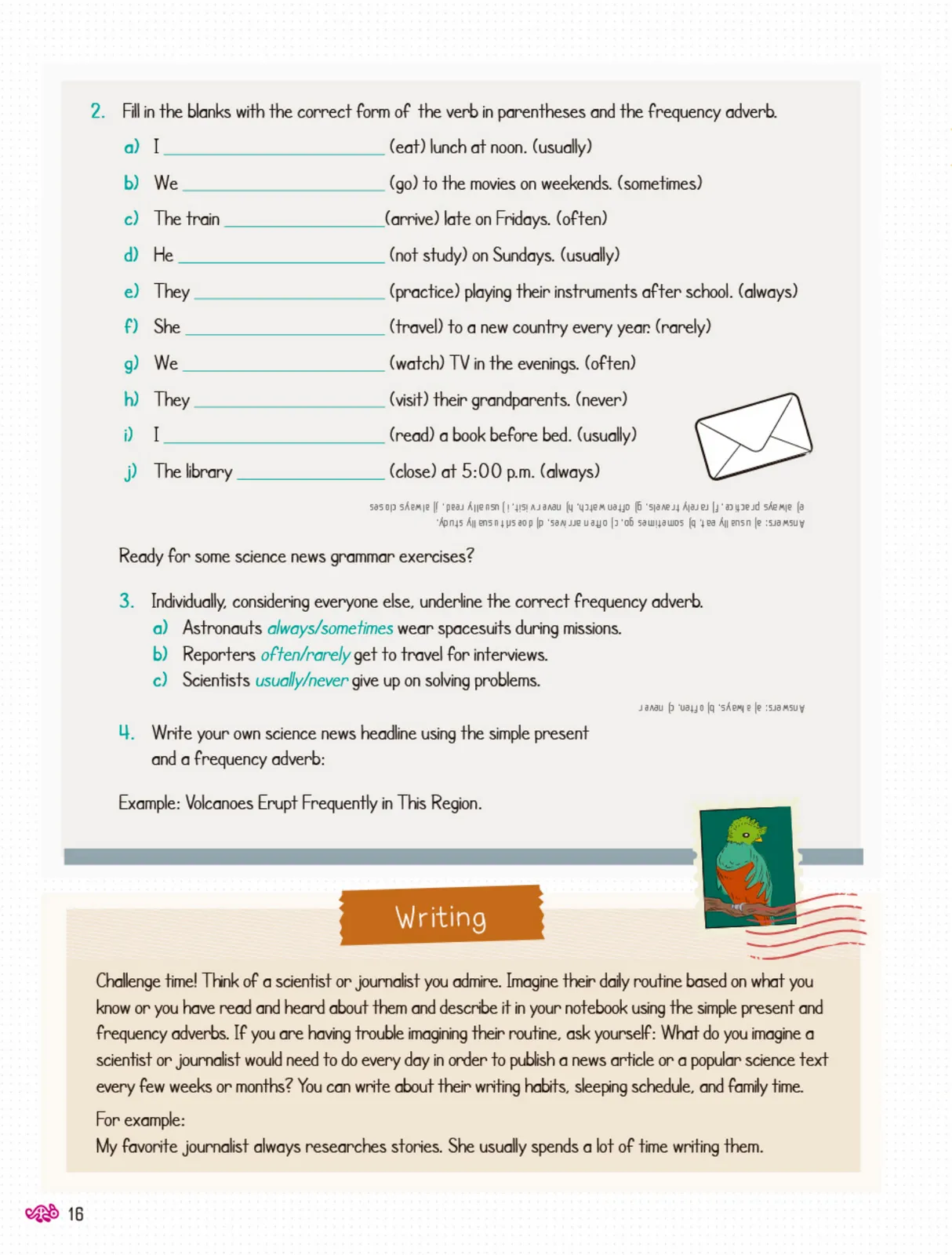
- Fillin the blanks with the correct form of the venb in parentheses and the frequency adverb.
a)I (eat) lunch at noon.(usually)
b) We (go) to the movies on weekends. (sometimes)
c)The train (arrive) late on Fridays. (often)
d)He (not study)on Sundays.(usually)
e) They (practice) playing their instruments after school.(always)
f) She (travel) to a new country every year: (rarely)
g) We_(watch) TV in the evenings. (often)
h) They (visit) their grandparents. (never)
i)(read)a book before bed.(usually)
j) The library (close) at 5:00 p.m.(always)
s Ans ensns a ps e aoo saaosea ensn samuy
Ready for some science news grammar exercises?
- Individually, considering everyone else, underline the correct frequency adverb.
a) Astronauts always/sometimes wear spacesuits during missions.
b) Reporters often/rarely get to travel for interviews.
c) Scientists usually/never give up on solving problems.
4Write your own science news headline using the simple present and a frequency adverb:
Example: Volcanoes Erupt Frequently in This Region.
Writing
anauto asenesamsuy
Challenge time! Think of a scientist or journalist you admire. Imagine their daily routine based on what you know or you have read and heard about them and describe it in your notebook using the simple present and frequency adverbs. If you are having trouble imagining their routine, ask yourself: What do you imagine a scientist or jounnalist would need to do every day in order to publish a news article or a popular science text every few weeks or months? You can wnite about their writing habits, sleeping schedule, and family time.For example:
My favorite journalist always researches stories. She usually spends a lot of time writing them.


4
16
Otros libros recomendados
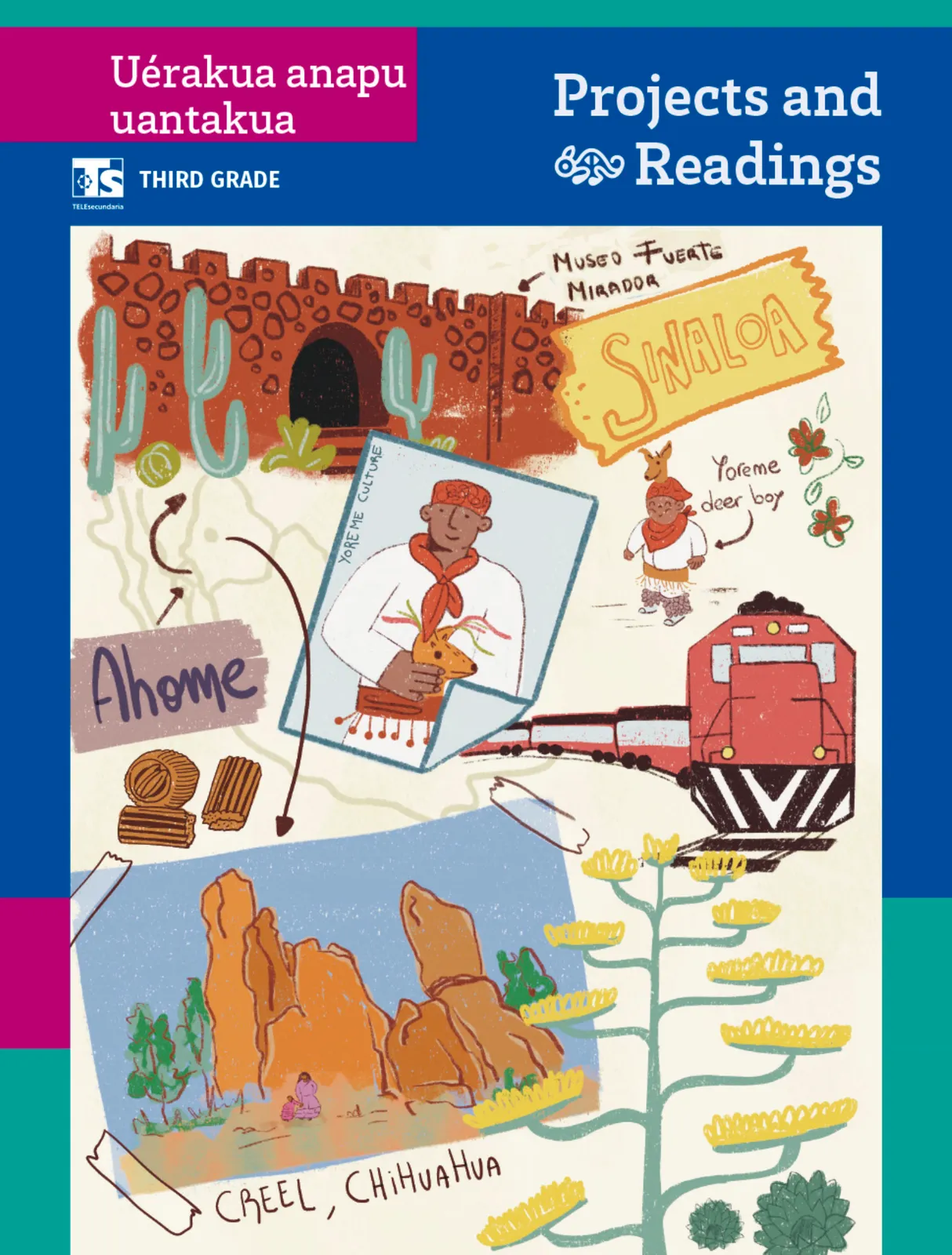
Uérakua anapu uantakua. Projects and Readings. Libro de Educación Telesecundaria Grado 3° Ciclo Escolar 2025 - 2026
SEP/CONALITEG
187 págs.
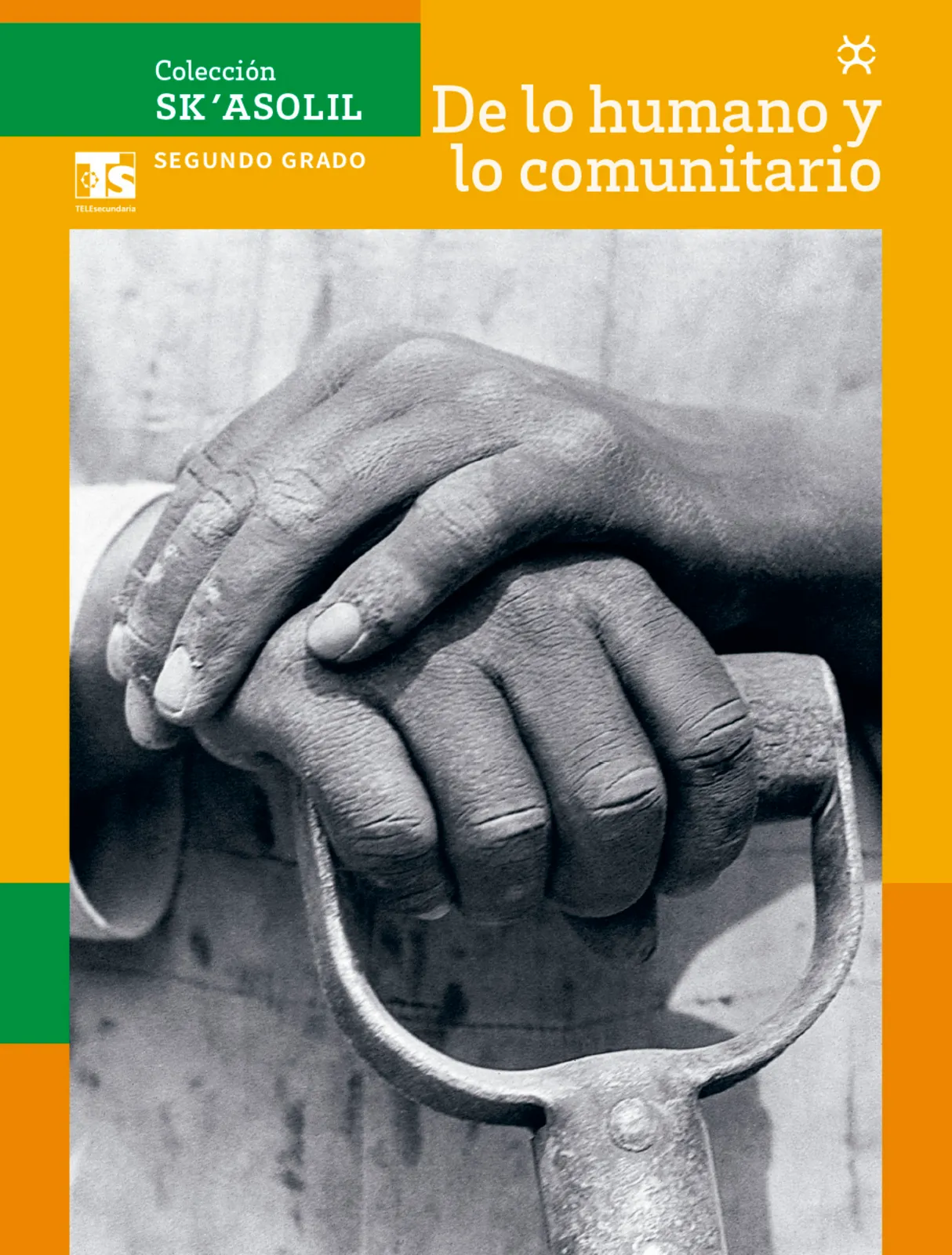
Colección Sk´asolil. De lo humano y lo comunitario. Libro de Educación Telesecundaria Grado 2° Ciclo Escolar 2025 - 2026
SEP/CONALITEG
259 págs.
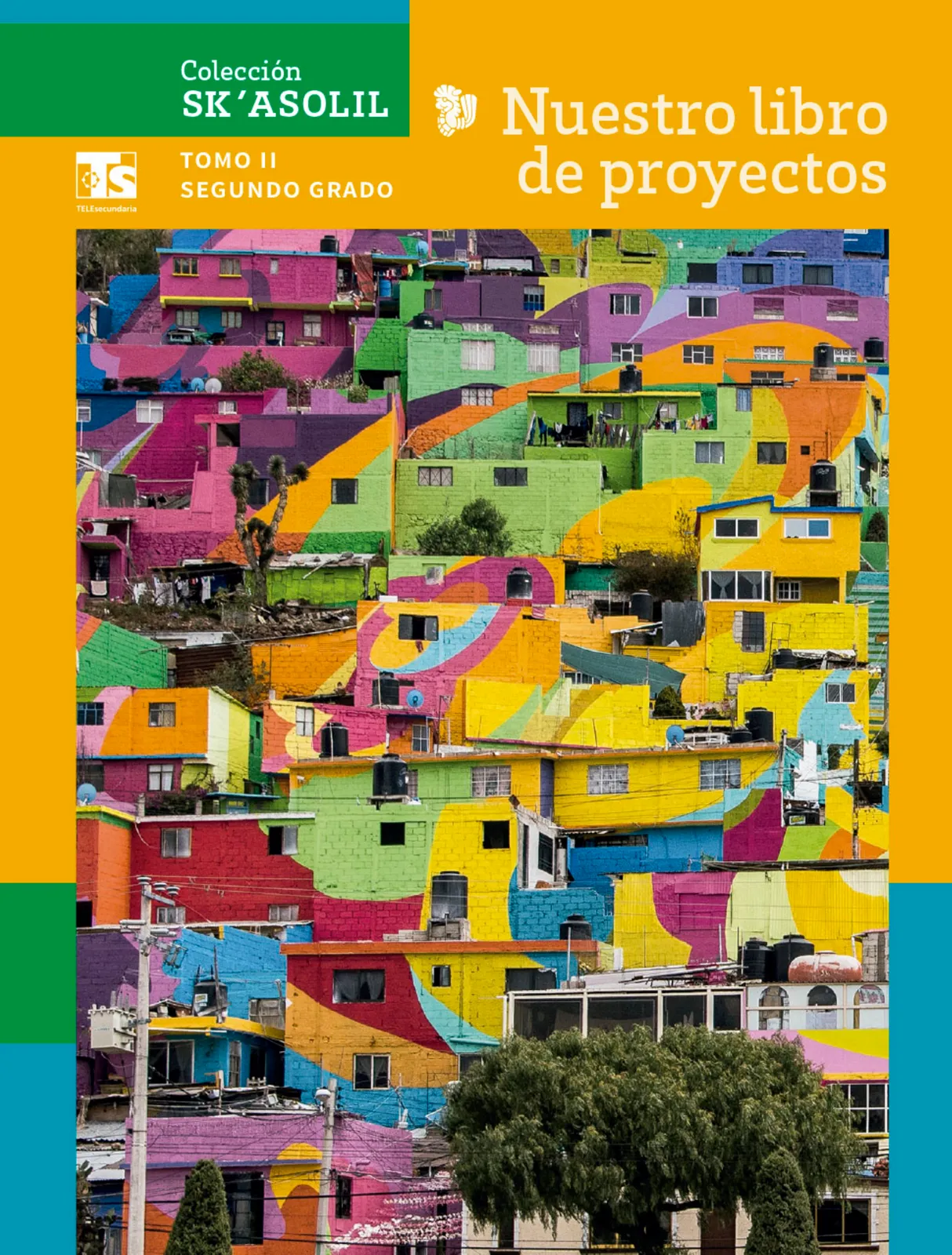
Colección Sk´asolil. Nuestro libro de Proyectos. Tomo II. Libro de Educación Telesecundaria Grado 2° Ciclo Escolar 2025 - 2026
SEP/CONALITEG
259 págs.
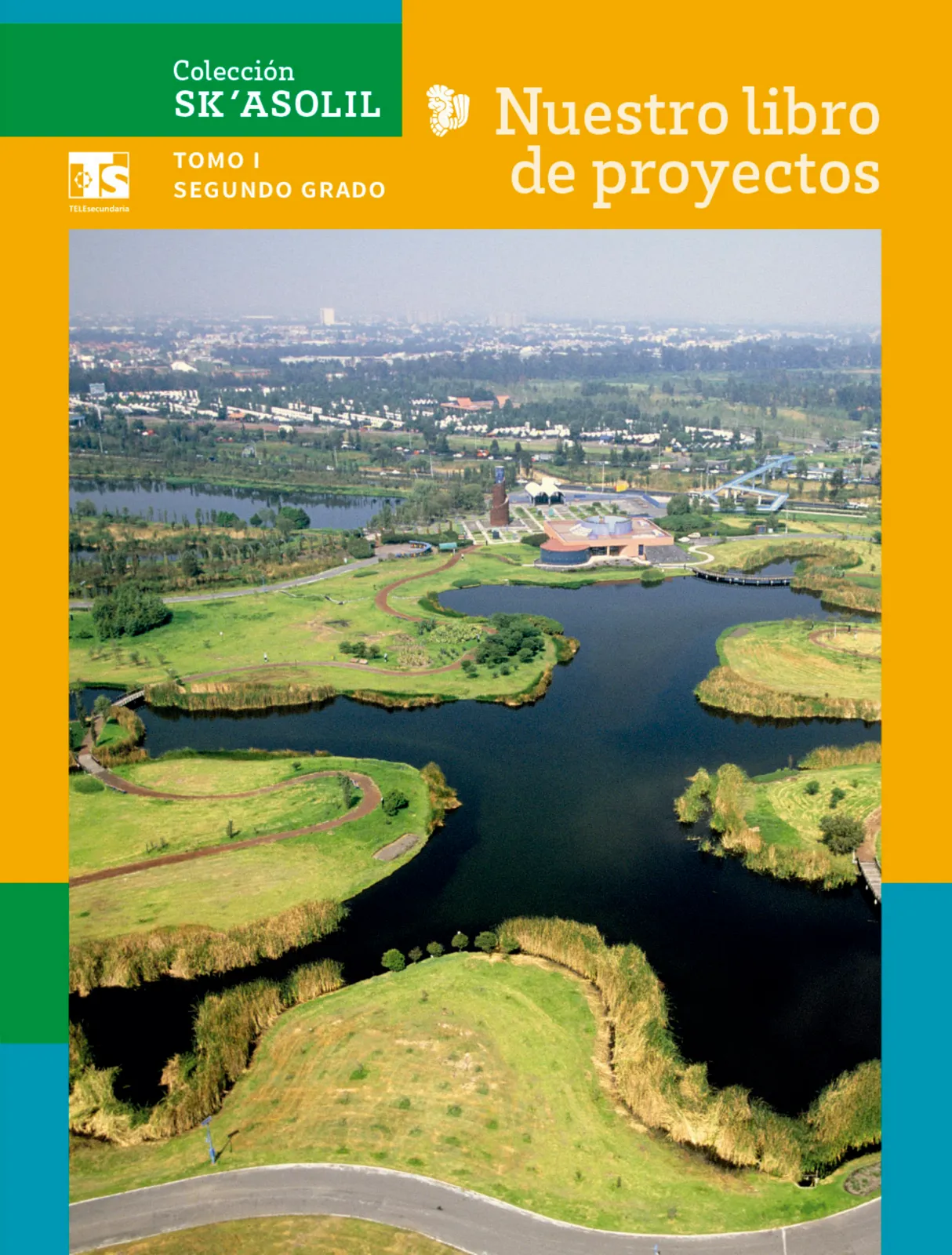
Colección Sk´asolil. Nuestro libro de Proyectos. Tomo I. Libro de Educación Telesecundaria Grado 2° Ciclo Escolar 2025 - 2026
SEP/CONALITEG
291 págs.
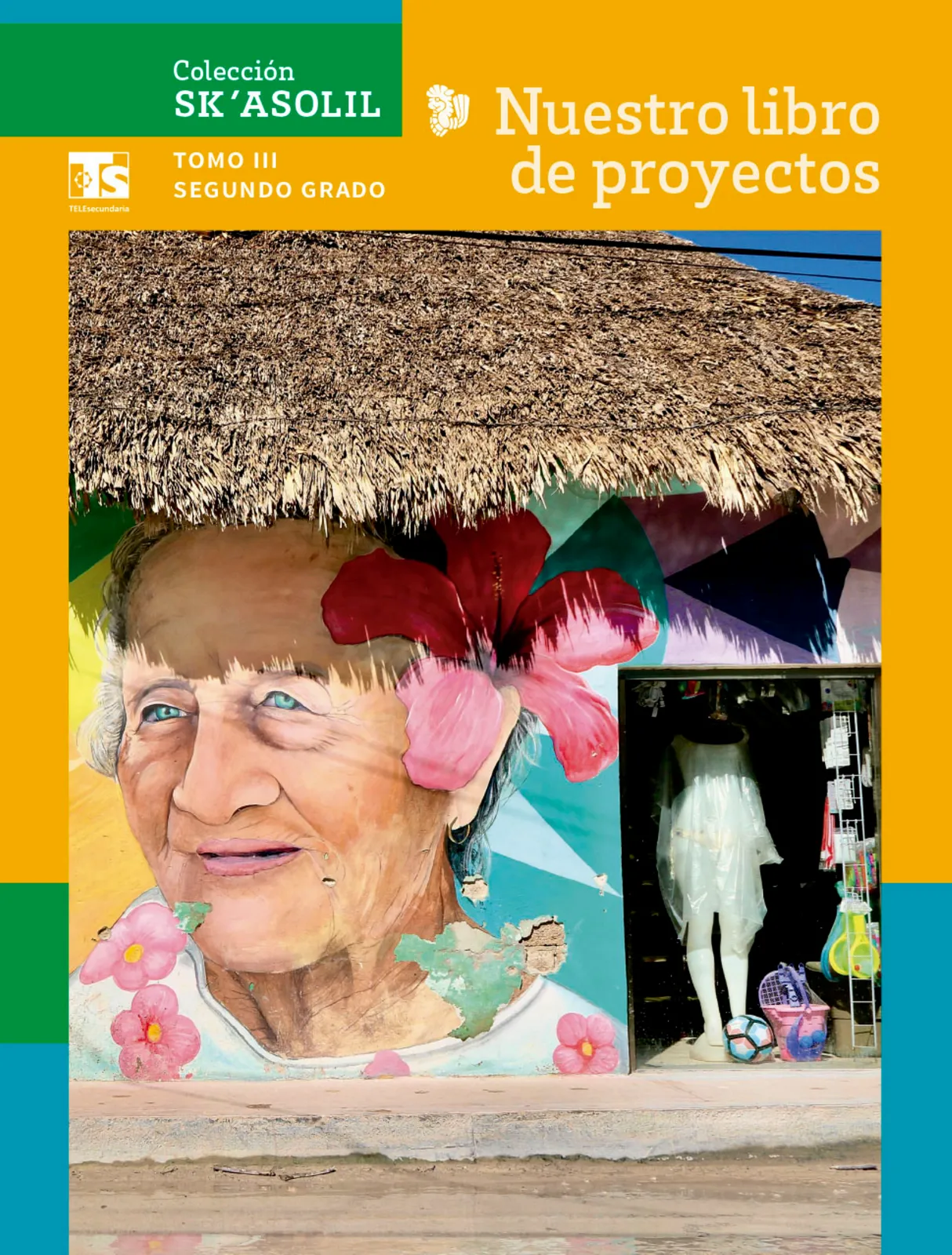
Colección Sk´asolil. Nuestro libro de Proyectos. Tomo III. Libro de Educación Telesecundaria Grado 2° Ciclo Escolar 2025 - 2026
SEP/CONALITEG
291 págs.
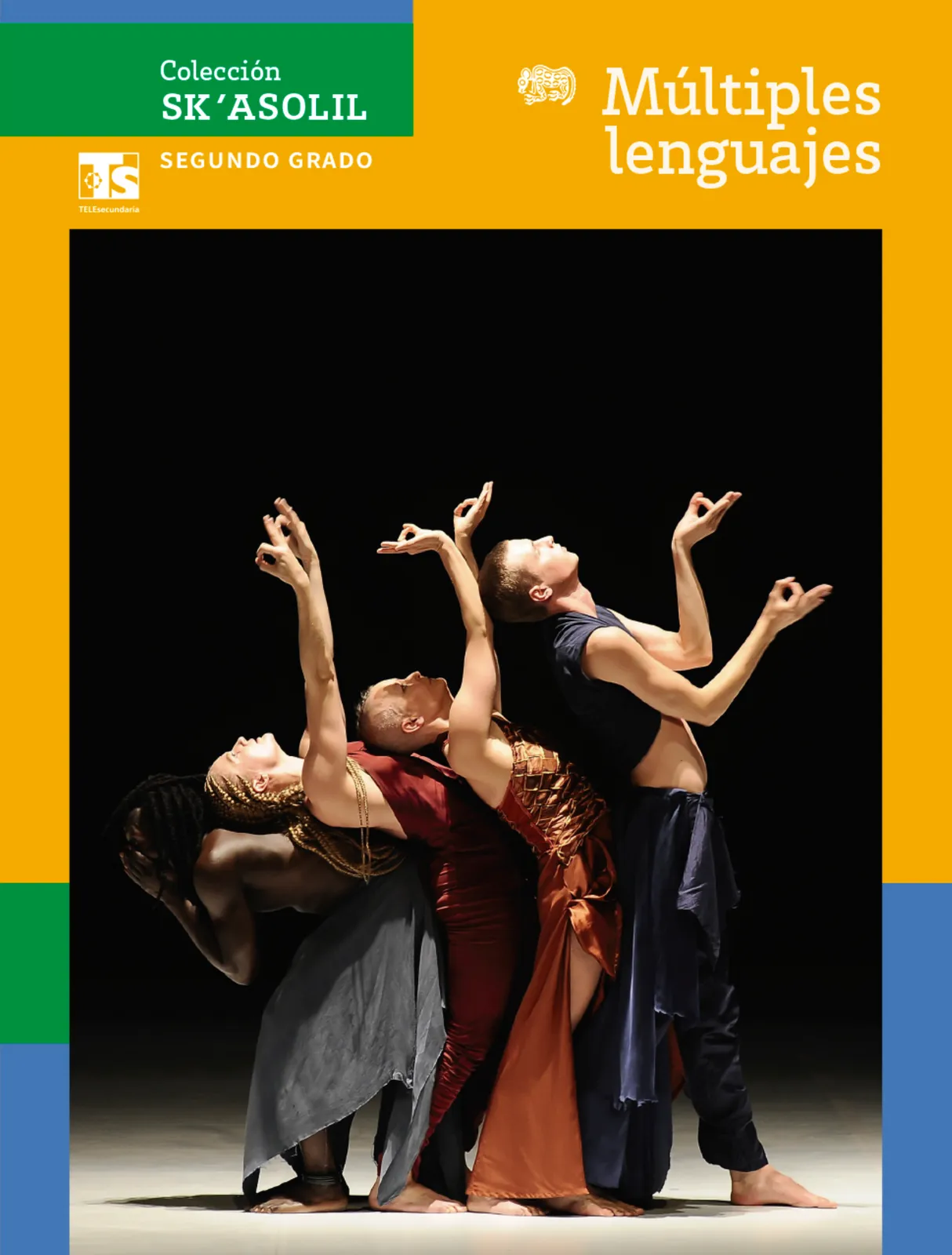
Colección Sk´asolil. Múltiples lenguajes. Libro de Educación Telesecundaria Grado 2° Ciclo Escolar 2025 - 2026
SEP/CONALITEG
163 págs.
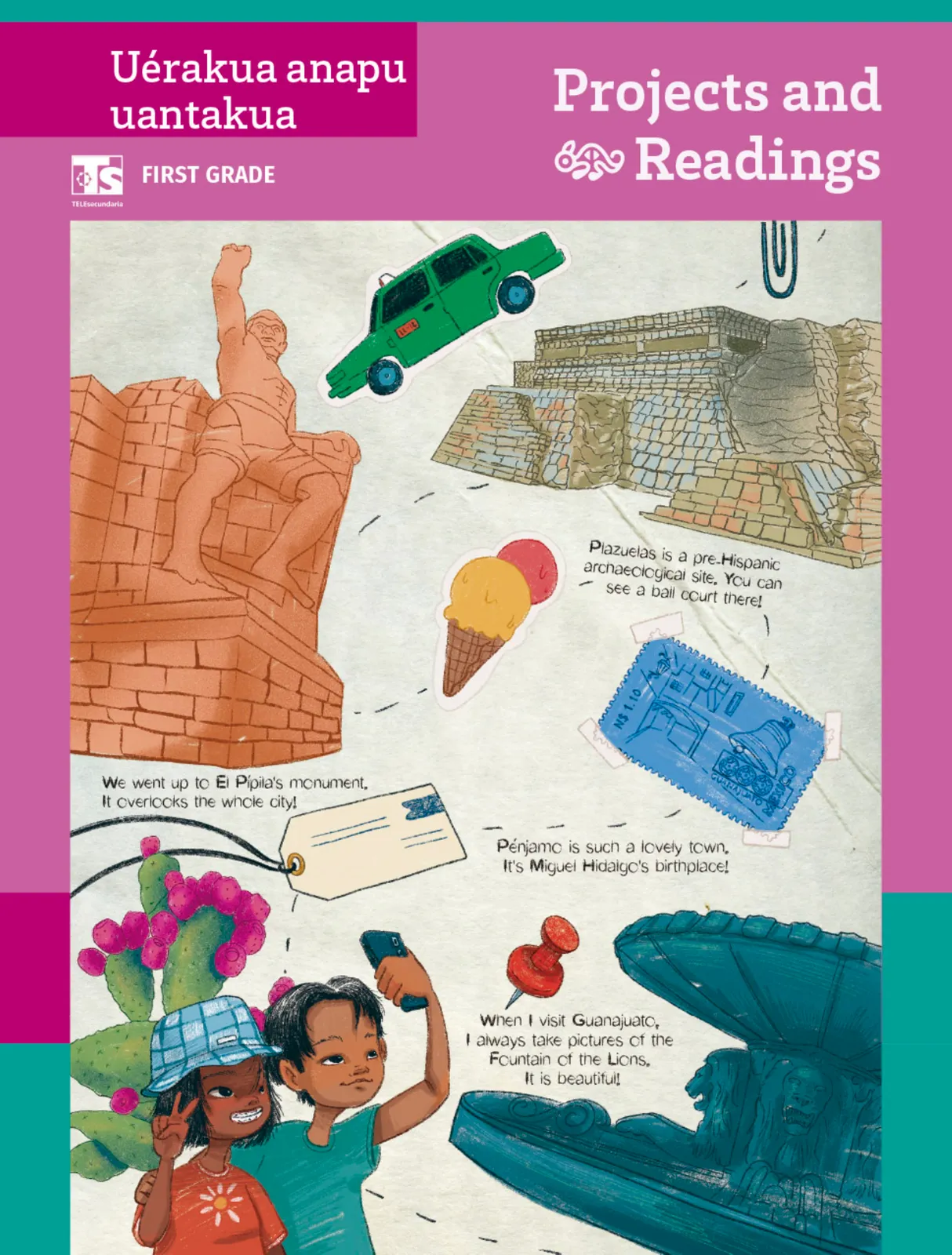
Uérakua anapu uantakua. Projects and Readings. Libro de Educación Telesecundaria Grado 1° Ciclo Escolar 2025 - 2026
SEP/CONALITEG
187 págs.
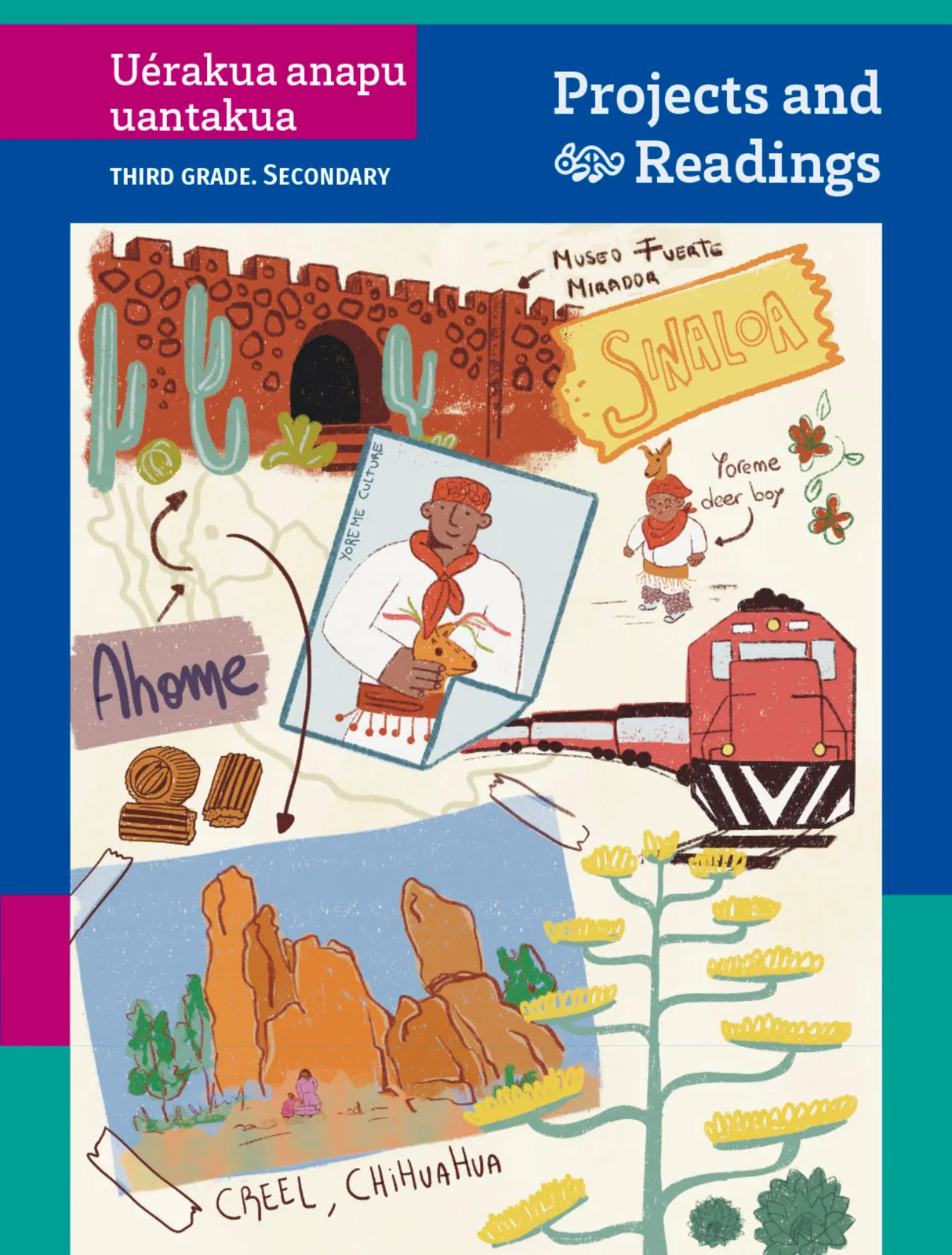
Uérakua anapu uantakua. Projects and Readings. Libro de Educación Secundaria Grado 3° Ciclo Escolar 2025 - 2026
SEP/CONALITEG
187 págs.