Saltar al contenido
MisLibrosTexto
Ad

Approach and Planning: Causes of Diverse Opinions on Information

📄 ejercicios ingles 🎓 otro · 2° TELESECUNDARIA México 🇲🇽 MX 🗣 Español
Página 15
15 de 171
Página 15 de Uérakua anapu uantakua. Projects and Readings.  Libro de Educación Telesecundaria Grado 2°  Ciclo Escolar 2025 - 2026
Anterior Página 15 / 171 Siguiente

Respuesta rápida

  1. Tabla comparada y ajustada. 2. La memoria colectiva se construye con relatos compartidos y validados. a) Sesgo mediático. b) Falta de evidencia y verificación. c) Desinformación intencional y sesgos cognitivos. Planning: objetivos modificados y medios propuestos.
📚 exercise ingles ⭐⭐ Dificultad 2/5 ⏱ 8 min lectura

Solución — Página 15

Uérakua anapu uantakua. Projects and Readings. Libro de Educación Telesecundaria Grado 2° Ciclo Escolar 2025 - 2026

1
Ejercicio 1

Compare your table with your classmates' and, with the support of your teacher, modify them as required.

  1. Revisa tu tabla individual y compárala con la de tus compañeros.
  2. Identifica diferencias en los datos, fuentes o interpretaciones.
  3. Con ayuda del docente, ajusta tu tabla incorporando los aportes del grupo.
Respuesta

Tabla comparada y modificada según la retroalimentación del grupo y del docente.

2
Ejercicio 2

Read the contents on popular scientific texts and news articles in Colección Sk'asolil. Múltiples lenguajes. Segundo grado and Colección Sk'asolil. Lenguajes. Segundo grado. Reflect on their relationship with the construction of collective memory.

  1. Lee los textos científicos y noticias indicados.
  2. Identifica cómo esos textos presentan hechos y opiniones.
  3. Reflexiona: la memoria colectiva se construye cuando una comunidad comparte, discute y valida relatos sobre su pasado y presente.
  4. Los medios y textos científicos influyen en qué se recuerda y cómo se interpreta.

Respuesta: Los textos leídos muestran que la memoria colectiva se forma a partir de relatos compartidos; los medios y la ciencia aportan versiones que la comunidad acepta o cuestiona.

Approach

It's time to explore some of the reasons why there is a great diversity of opinions on the same topic and different positions regarding the truthfulness, usefulness, or importance of the information that a community receives.

In classroom community, select one possible cause of the difference in positions or perspectives on the same event and, if necessary, with the help of your teacher, think of other possible causes.

a
Parte 2.a

Cause 1

The information given by the media is biased, that is, it only presents the perspective of the broadcasting media. Most people consider this position as true and do not assume a critical stance towards it.

Respuesta

El sesgo mediático hace que la audiencia reciba una sola versión de los hechos, lo que genera opiniones divididas y falta de pensamiento crítico.

b
Parte 2.b

Cause 2

There is a great deal of information gathered with no scientific evidence to support it. In addition, it is not verified or contrasted with reliable sources, because of its immediacy and the lack of time to verify it in specialized sources.

Respuesta

La inmediatez y la falta de verificación en fuentes confiables producen información sin respaldo científico, lo que alimenta opiniones diversas y poco fundamentadas.

c
Parte 2.c

Cause 3

Another cause could be... (Write it in your notebook.)

Respuesta orientativa: Otra causa es la desinformación intencional o fake news, difundida para manipular la opinión pública. También influyen los sesgos cognitivos, como el sesgo de confirmación, que lleva a aceptar solo lo que coincide con nuestras creencias previas.

Planning

In assembly, read and analyze the following objectives, as well as the means to achieve them. With the support of your teacher, modify what you think could be improved. If you consider it necessary, write in your notebook a different objective and the means to achieve it.

Respuesta orientativa: En asamblea, se leen los objetivos del proyecto y los medios para lograrlos. Se sugiere modificarlos para que sean medibles y alcanzables; por ejemplo, cambiar "leer textos" por "leer y analizar tres textos científicos y dos noticias, identificando sesgos". Si se considera necesario, se escribe un objetivo alternativo en el cuaderno, como "promover el pensamiento crítico mediante el contraste de fuentes confiables".

Contenido de la página

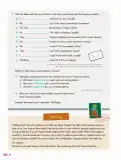
c) Compare your table with your classmates' and, with the support of your teacher, modify them as required.

  1. In order to strengthen your knowledge, read the contents on popular scientific texts and news articles in Colección Sk'asolil. Múltiples lenguajes. Segundo grado and Colección Sk'asolil. Lenguajes. Segundo grado. Reflect on their relationship with the construction of collective memory.

Approach

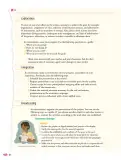
It's time to explore some of the reasons why there is a great diversity of opinions on the same topic and different positions regarding the truthfulness, usefulness, or importance of the information that a community receives.

In classroom community, select one possible cause of the difference in positions or perspectives on the same event and, if necessary, with the help of your teacher, think of other possible causes.

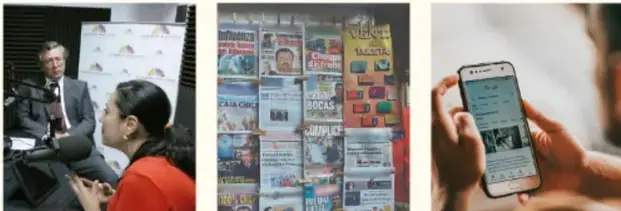
a) Cause 1. The information given by the media is biased, that is, it only presents the perspective of the broadcasting media. Most people consider this position as true and do not assume a critical stance towards it.

b) Cause 2. There is a great deal of information gathered with no scientific evidence to support it. In addition, it is not verified or contrasted with reliable sources, because of its immediacy and the lack of time to verify it in specialized sources.

c) Cause 3. Another cause could be... (Write it in your notebook.)

Planning

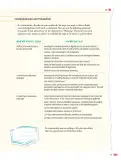
In assembly, read and analyze the following objectives, as well as the means to achieve them. With the support of your teacher, modify what you think could be improved. If you consider it necessary, write in your notebook a different objective and the means to achieve it.

Glosario (5)

biased
sesgado, que presenta solo una perspectiva
evidence
evidencia, prueba que respalda una afirmación
reliable sources
fuentes confiables, de credibilidad comprobada
collective memory
memoria colectiva, recuerdos compartidos por una comunidad
critical stance
postura crítica, actitud de cuestionamiento

Preguntas para practicar

What is the relationship between scientific texts and news articles with the construction of collective memory?

Scientific texts and news articles provide narratives that communities use to remember and interpret events. When these sources are shared and discussed, they become part of collective memory, shaping what a society recalls and how it understands its past.

What other causes could explain the diversity of opinions on the same topic?

Other causes include intentional disinformation (fake news), cognitive biases such as confirmation bias, cultural and ideological differences, and the influence of social media algorithms that create echo chambers.

Temas y conceptos clave

Diversidad de opinionesSesgo mediáticoEvidencia científicaMemoria colectivaPlanificación de proyectosSesgoEvidencia científicaMemoria colectivaPensamiento críticoFuentes confiables

Fuentes y referencias

  • Colección Sk'asolil. Múltiples lenguajes. Segundo grado
  • Colección Sk'asolil. Lenguajes. Segundo grado
¿Te fue útil esta página?

Figuras de la página (2)

Nota adhesiva con líneas para escribir, con esquinas naranjas.
Figura 1 image
Tres fotografías: una entrevista o conferencia de prensa, un puesto de revistas con periódicos, y una persona usando un teléfono inteligente.
Figura 2 image

Preguntas que la gente también hace

¿Por qué hay tantas opiniones diferentes sobre un mismo tema?
Consulta la solución completa arriba o explora el libro entero para temas relacionados.
¿Cómo influyen los medios de comunicación en la memoria colectiva?
Consulta la solución completa arriba o explora el libro entero para temas relacionados.
¿Qué es el sesgo de confirmación y cómo afecta la información que recibimos?
Consulta la solución completa arriba o explora el libro entero para temas relacionados.
📌 Antes de leer esto
  • • Comprensión lectora en inglés
  • • Nociones básicas sobre medios de comunicación
  • • Habilidad para comparar y contrastar información
Siguiente tema sugerido
Evaluación de fuentes de información y verificación de noticias
📝 Transcripción de la página (texto seleccionable) 1749 caracteres

Compare your table with your classmates'and, with the support of your teacher, modify them as required.

  1. In order to strengthen your knowledge, read the contents on popular scientific texts and news articles in Colección Sk'asolil.Multiples lenguajes. Segundo grado and Colección Sk'asolil.Lenguajes. Segundo grado. Reflect on their relationship with the construction of collective memory.

Approach

It's time to explore some of the reasons why there is a great diversity of opinions on the same topic and different positions regarding the truthfulness, usefulness, or importance of the information that a community receives.

In classroom community, select one possible cause of the difference in positions or perspectives on the same event and, if necessary, with the help of your teacher, think of other possible causes.

a) Cause 1. The information given by the media is biased, that is,it only presents the perspective of the broadcasting media. Most people consider this position as true and do not assume a critical stance towards it.

b) Cause 2. There is a great deal of information gathered with no scientific evidence to support it. In addition, it is not verified or contrasted with reliable sources, because of its immediacy and the lack of time to verify it in specialized sources.

c) Cause 3. Another cause could be... (Write it in your notebook.)

Planning

In assembly, read and analyze the following objectives, as well as the means to achieve them. With the support of your teacher, modify what you think could be improved. If you consider it necessary, write in your notebook a different objective and the means to achieve it.

36

![](page=0,bbox=[859, 157, 1153, 530])

![](page=0,bbox=[287, 1034, 908, 1245])

乐

14

Ad

Otros libros recomendados

Ver todos →
Ad

Usamos cookies propias y de terceros para personalizar contenido, mostrar publicidad y analizar el tráfico. Las cookies necesarias siempre están activas.