















Saltar al contenido
MisLibrosTexto
Ad

Modal Verbs: Structure and Practice

📄 ejercicios ingles 🎓 secundaria · 2° Secundaria México 🇲🇽 MX 🗣 Español
Página 151
151 de 171
Página 151 de Uérakua anapu uantakua. Projects and Readings.  Libro de Educación Secundaria Grado 2°  Ciclo Escolar 2025 - 2026
Anterior Página 151 / 171 Siguiente

Respuesta rápida

a) mustn't; b) would; c) May; d) Can; e) shouldn't; f) wouldn't; g) may not

📚 exercise ingles ⭐⭐ Dificultad 2/5 ⏱ 6 min lectura

Solución — Página 151

Uérakua anapu uantakua. Projects and Readings. Libro de Educación Secundaria Grado 2° Ciclo Escolar 2025 - 2026

2
Ejercicio 2

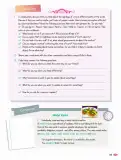
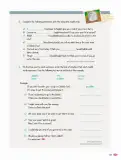
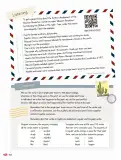
Select from the box the correct modal verbs and write them on the lines to complete the sentences. You can't repeat any option.

Opciones: may, can, should, would, must, may not, can't, shouldn't, wouldn't, mustn't.

a
Parte 2.a

If you want to be healthy, you ______ smoke or drink alcohol.

  1. Se da un consejo fuerte/prohibición por salud.
  2. El modal que expresa prohibición es mustn't.
Respuesta

mustn't

b
Parte 2.b

What ______ you say if I told you that I love you?

  1. Es una condicional hipotética (second conditional).
  2. El modal para hipótesis es would.
Respuesta

would

c
Parte 2.c

Teacher: ______ I come in? I was in the bathroom.

  1. Se pide permiso formal.
  2. El modal de permiso formal es may.
Respuesta

May

d
Parte 2.d

______ you play any instrument like the guitar or the violin?

  1. Se pregunta por una habilidad.
  2. El modal de habilidad es can.
Respuesta

Can

e
Parte 2.e

I think you ______ eat so much sugar if you want to lose weight.

  1. Se da una recomendación negativa.
  2. El modal de consejo negativo es shouldn't.
Respuesta

shouldn't

f
Parte 2.f

I ______ do that if I were you, it's very dangerous.

  1. Condicional hipotética con if I were you.
  2. El modal negativo hipotético es wouldn't.
Respuesta

wouldn't

g
Parte 2.g

You can take pictures inside the church, but you ______ use the flash.

  1. Se expresa prohibición.
  2. El modal de prohibición es mustn't... pero ya se usó en (a).
  3. La opción restante que expresa prohibición es may not.
Respuesta

may not
Contenido de la página

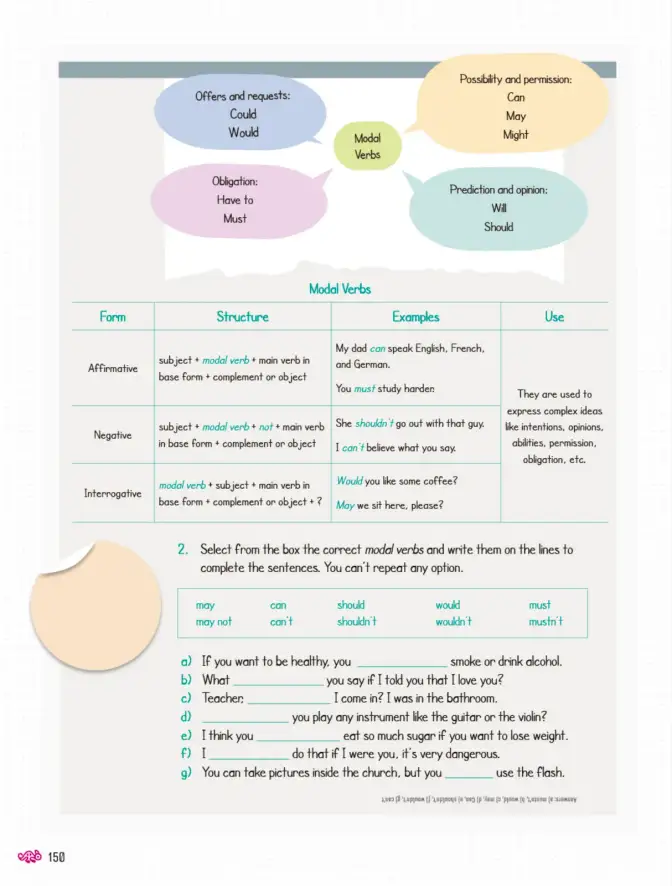
Modal Verbs

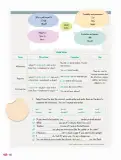
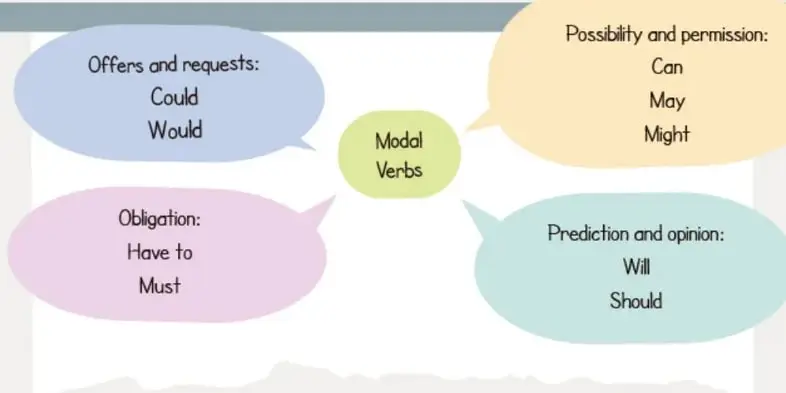
Mapa de usos

  • Offers and requests: Could, Would
  • Possibility and permission: Can, May, Might
  • Obligation: Have to, Must
  • Prediction and opinion: Will, Should

Modal Verbs (tabla)

Form Structure Examples Use
Affirmative subject + modal verb + main verb in base form + complement or object My dad can speak English, French, and German. / You must study harder. They are used to express complex ideas like intentions, opinions, abilities, permission, obligation, etc.
Negative subject + modal verb + not + main verb in base form + complement or object She shouldn't go out with that guy. / I can't believe what you say. (misma)
Interrogative modal verb + subject + main verb in base form + complement or object + ? Would you like some coffee? / May we sit here, please? (misma)

2. Select from the box the correct modal verbs and write them on the lines to complete the sentences. You can't repeat any option.

Box: may, can, should, would, must, may not, can't, shouldn't, wouldn't, mustn't

a) If you want to be healthy, you ______ smoke or drink alcohol. b) What ______ you say if I told you that I love you? c) Teacher: ______ I come in? I was in the bathroom. d) ______ you play any instrument like the guitar or the violin? e) I think you ______ eat so much sugar if you want to lose weight. f) I ______ do that if I were you, it's very dangerous. g) You can take pictures inside the church, but you ______ use the flash.

Ejemplos resueltos

My dad ___ speak English, French, and German.

Habilidad → can: My dad can speak English, French, and German.

She ___ go out with that guy.

Consejo negativo → shouldn't: She shouldn't go out with that guy.

___ you like some coffee?

Oferta → Would: Would you like some coffee?

Tabla

Form Structure Examples Use
Affirmative subject + modal verb + main verb in base form + complement or object My dad can speak English, French, and German. / You must study harder. They are used to express complex ideas like intentions, opinions, abilities, permission, obligation, etc.
Negative subject + modal verb + not + main verb in base form + complement or object She shouldn't go out with that guy. / I can't believe what you say. (misma)
Interrogative modal verb + subject + main verb in base form + complement or object + ? Would you like some coffee? / May we sit here, please? (misma)

Diagrama

mindmap
  root((Modal Verbs))
    Offers and requests
      Could
      Would
    Possibility and permission
      Can
      May
      Might
    Obligation
      Have to
      Must
    Prediction and opinion
      Will
      Should

Fórmulas y ecuaciones

subject + modal verb + main verb (base form) + complement

subject + modal verb + not + main verb (base form) + complement

modal verb + subject + main verb (base form) + complement + ?

Glosario (5)

modal verb
Verbo auxiliar que expresa posibilidad, permiso, obligación, habilidad o consejo (can, may, must, should, would).
base form
Forma infinitiva del verbo sin 'to' (speak, study, go).
permission
Permiso para hacer algo.
obligation
Obligación o deber de hacer algo.
prohibition
Prohibición de hacer algo (mustn't, may not).

Temas y conceptos clave

Modal VerbsGrammar structuresPermission and obligationmodal verbbase formaffirmativenegativeinterrogativepermissionobligationabilityprediction
¿Te fue útil esta página?

Figuras de la página (2)

Mapa conceptual con cuatro burbujas alrededor del concepto central 'Modal Verbs': Offers and requests (Could, Would), Possibility and permission (Can, May, Might), Obligation (Have to, Must), Prediction and opinion (Will, Should).
Figura 1 image
Recuadro con las opciones de verbos modales para el ejercicio 2.
Figura 2 image

Preguntas que la gente también hace

¿Cuáles son los verbos modales en inglés y para qué sirven?
Consulta la solución completa arriba o explora el libro entero para temas relacionados.
¿Cuál es la diferencia entre must y should?
Consulta la solución completa arriba o explora el libro entero para temas relacionados.
¿Cómo se forma la negativa con verbos modales?
Consulta la solución completa arriba o explora el libro entero para temas relacionados.
📌 Antes de leer esto
  • • Presente simple
  • • Sujeto y verbo en forma base
  • • Vocabulario básico de acciones cotidianas
Siguiente tema sugerido
Modal verbs in past: could, had to, should have
📝 Transcripción de la página (texto seleccionable) 1526 caracteres
  1. Select from the box the correct modal verbs and write them on the lines to complete the sentences. You can't repeat any option.

a)If you want to be healthy, you smoke or drink alcohol.b)what you say if I told you that I love you?c)Teacher,I come in? I was in the bathroom.d)you play any instrument like the guitar or the violin?e)I think you eat so much sugar if you want to lose weight.f)I do that if I were you, it's very dangerous.g)You can take pictures inside the church, but you use the flash.

ueupnofpnosaee=pnomsess

![](page=0,bbox=[265, 109, 1051, 502])

Modal Verbs

FormStructureExamplesUse
Affirmativesubject + modal verb + main venb in base form + complement or objectMy dad can speak English, French, and German. You must study hardenThey are used to express complex ideas like intentions, opinions, abilities, permission, obligation, etc.
Negativesubject + modal verb + not + main verb in base fonm + complement or objectShe shouldn't go out with that guy. I can'f believe what you say.
Interrogativemodal venb+ subject + main venb in base form + complement or object + ?Would you like some coffee? May we sit here, please?

![](page=0,bbox=[51, 972, 295, 1216])

may can shoud would must may not can't shouldn't wouldn't mustn't

150

Ad

Otros libros recomendados

Ver todos →
Ad

Usamos cookies propias y de terceros para personalizar contenido, mostrar publicidad y analizar el tráfico. Las cookies necesarias siempre están activas.