















Saltar al contenido
MisLibrosTexto
Ad

True or False about ancient agriculture and Speaking interview

📄 ejercicios ingles 🎓 otro · 1° TELESECUNDARIA México 🇲🇽 MX 🗣 Español
Página 158
158 de 187
Página 158 de Uérakua anapu uantakua. Projects and Readings.  Libro de Educación Telesecundaria Grado 1°  Ciclo Escolar 2025 - 2026
Anterior Página 158 / 187 Siguiente

Respuesta rápida

2.a F, 2.b T, 2.c F, 2.d T, 2.e F. Speaking: entrevista con preguntas usando like, love, hate, dislike.

📚 exercise ingles ⭐⭐ Dificultad 2/5 ⏱ 8 min lectura

Solución — Página 158

Uérakua anapu uantakua. Projects and Readings. Libro de Educación Telesecundaria Grado 1° Ciclo Escolar 2025 - 2026

2
Ejercicio 2

Mark the following sentences with T for true or F for false.

  1. Leer cada enunciado y contrastarlo con la información del texto sobre agricultura mesoamericana.
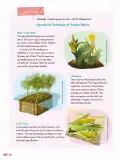
  2. Identificar palabras clave: Egyptian, Mayans, Aztecs, Zapotecs, 2,600 years ago, ventilation system, chinampas, mold and fungi.
  3. Decidir T o F según corresponda.
a
Parte 2.a

Egyptian cultures practiced the agricultural techniques described in the text.

  1. El texto describe técnicas agrícolas de culturas mesoamericanas (mayas, aztecas, zapotecas), no egipcias.
  2. Las técnicas mencionadas (chinampas, secado del maíz) son propias de Mesoamérica.
Respuesta

F (False)

b
Parte 2.b

The Mayans, Aztecs, and Zapotecs used crop fields as a cultivation system 2,600 years ago.

  1. El texto indica que estas culturas usaban campos de cultivo como sistema agrícola hace aproximadamente 2,600 años.
  2. La afirmación coincide con la información del texto.
Respuesta

T (True)

c
Parte 2.c

The natives didn't dry corn using a ventilation system.

  1. El texto describe que los nativos secaban el maíz mediante un sistema de ventilación.
  2. La afirmación niega ese hecho, por lo que es falsa.
Respuesta

F (False)

d
Parte 2.d

They built chinampas in crop fields.

  1. Las chinampas eran islas artificiales construidas en lagos y zonas de cultivo.
  2. El texto menciona su construcción en campos de cultivo.
Respuesta

T (True)

e
Parte 2.e

Mold and fungi didn't affect corn if it was not dried.

  1. El texto señala que el moho y los hongos afectaban el maíz que no se secaba adecuadamente.
  2. La afirmación contradice esa información.
Respuesta

F (False)

3
Ejercicio 3

Compare your answers with your classmates.

  1. Reunirse en parejas o equipos.
  2. Comparar las respuestas de los enunciados 2.a a 2.e.
  3. Justificar cada respuesta citando la parte del texto que la sustenta.

Respuesta orientativa: Al comparar, se verifica que las respuestas correctas son F, T, F, T, F. Es importante explicar por qué cada enunciado es verdadero o falso usando evidencia del texto.

Speaking

1
Ejercicio 1

In communities, interview someone who, in the past, participated in food-making process in your community. Include the verbs like, love, hate, and dislike in your questions to explore the interviewer's feelings and opinions about the production process they used.

  1. Elegir a una persona de la comunidad que haya participado en la elaboración de alimentos.
  2. Formular preguntas que incluyan like, love, hate, dislike.
  3. Registrar las respuestas.

Respuesta orientativa (ejemplo de entrevista):

  • a) When did you last work in the food-making process? I last worked in the food-making process two years ago.
  • b) What aspects of it did you like the most? I loved grinding the corn and I liked cooking with my family.
  • c) What ingredients or techniques did you enjoy using the most? I enjoyed using the metate and the comal; I loved making tortillas.
Ad
2
Ejercicio 2

Ask at least three other questions and share your results with other classmates.

  1. Añadir tres preguntas adicionales, por ejemplo:
    • Did you dislike any part of the process?
    • What did you hate about the old techniques?
    • Would you like to teach this process to new generations?
  2. Compartir los resultados con los compañeros.

Respuesta orientativa: Las preguntas adicionales permiten explorar más a fondo los sentimientos y opiniones del entrevistado. Al compartir, se comparan respuestas y se practica la expresión oral en inglés.

Contenido de la página

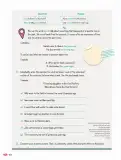
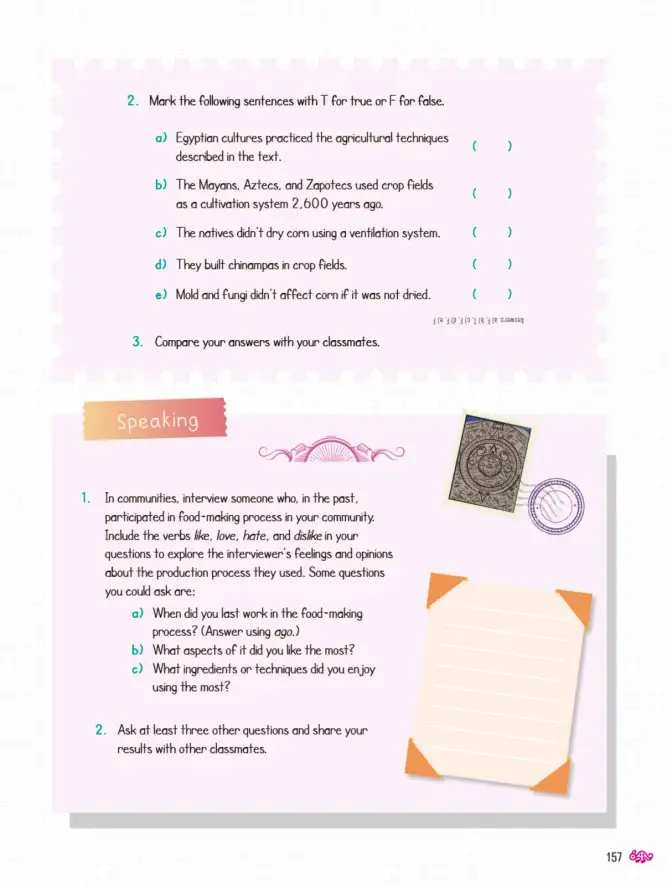
2. Mark the following sentences with T for true or F for false.

a) Egyptian cultures practiced the agricultural techniques described in the text. ( )

b) The Mayans, Aztecs, and Zapotecs used crop fields as a cultivation system 2,600 years ago. ( )

c) The natives didn't dry corn using a ventilation system. ( )

d) They built chinampas in crop fields. ( )

e) Mold and fungi didn't affect corn if it was not dried. ( )

Answers: a) F, b) T, c) F, d) T, e) F

3. Compare your answers with your classmates.

Speaking

  1. In communities, interview someone who, in the past, participated in food-making process in your community. Include the verbs like, love, hate, and dislike in your questions to explore the interviewer's feelings and opinions about the production process they used. Some questions you could ask are:

a) When did you last work in the food-making process? (Answer using ago.)

b) What aspects of it did you like the most?

c) What ingredients or techniques did you enjoy using the most?

  1. Ask at least three other questions and share your results with other classmates.

Glosario (6)

crop fields
campos de cultivo
chinampas
islas artificiales de cultivo usadas en Mesoamérica
ventilation system
sistema de ventilación para secar el maíz
mold
moho
fungi
hongos
food-making process
proceso de elaboración de alimentos

Preguntas para practicar

What agricultural techniques did the Mayans, Aztecs, and Zapotecs use?

They used crop fields and chinampas, and dried corn with a ventilation system.

Why was it important to dry corn?

To prevent mold and fungi from affecting it.

Temas y conceptos clave

Agricultura mesoamericanaComprensión lectoraEntrevista oralTrue/Falsechinampascrop fieldsventilation systemlike/love/hate/dislikefood-making process
¿Te fue útil esta página?

Figuras de la página (2)

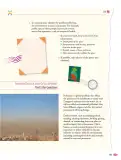
Sello postal con imagen de una deidad prehispánica
Figura 1 image
Hoja de papel con esquinas naranjas para escribir notas
Figura 2 image

Preguntas que la gente también hace

¿Qué técnicas agrícolas usaban los mayas, aztecas y zapotecas?
Consulta la solución completa arriba o explora el libro entero para temas relacionados.
¿Cómo se secaba el maíz en la época prehispánica?
Consulta la solución completa arriba o explora el libro entero para temas relacionados.
¿Cómo hacer una entrevista en inglés sobre procesos de alimentos?
Consulta la solución completa arriba o explora el libro entero para temas relacionados.
📌 Antes de leer esto
  • • Vocabulario básico de agricultura en inglés
  • • Uso de like, love, hate, dislike
  • • Comprensión de textos informativos en inglés
Siguiente tema sugerido
Writing: descripción de procesos de elaboración de alimentos
📝 Transcripción de la página (texto seleccionable) 1120 caracteres

2. Mark the following sentences with T for true or Ffor false.

a)Egyptian cultures practiced the agricultural techniques described in the text.

b) The Mayans, Aztecs, and Zapotecs used crop fields as a cultivation system 2,600 years ago.

c) The natives didn't dry corn using a ventilation system.

d) They built chinampas in crop fields.

e) Mold and fungi didn't affect corn if it was not dried.

3. Compare your answers with your classmates.

Speaking

  1. In communities, interview someone who, in the past,participated in food-making process in your community.Include the verbs like, love, hate, and dislike in your questions to explore the interviewer's feelings and opinions about the production process they used. Some questions you could ask are:

a) When did you last work in the food-making process?(Answer using ago.)

b) What aspects of it did you like the most?

c)What ingredients or techniques did you enjoy using the most?

  1. Ask at least three other questions and share your results with other classmates.

![](page=0,bbox=[724, 740, 1093, 1461])

![](page=0,bbox=[463, 783, 731, 834])

1578

Ad

Otros libros recomendados

Ver todos →
Ad

Usamos cookies propias y de terceros para personalizar contenido, mostrar publicidad y analizar el tráfico. Las cookies necesarias siempre están activas.