















Saltar al contenido
MisLibrosTexto
Ad

Agricultural Techniques of Ancient Mexico: Milpa, Chinampas and Sun-Drying

📄 teoria ingles 🎓 otro · 1° TELESECUNDARIA México 🇲🇽 MX 🗣 Español
Página 157
157 de 187
Página 157 de Uérakua anapu uantakua. Projects and Readings.  Libro de Educación Telesecundaria Grado 1°  Ciclo Escolar 2025 - 2026
Anterior Página 157 / 187 Siguiente

Respuesta rápida

Milpa: policultivo sostenible de maíz, frijol y calabacín. Chinampas: islas artificiales en lagos. Sun-Drying: secado del maíz al sol para reducir humedad y evitar hongos.

📚 theory ingles ⭐⭐ Dificultad 2/5 ⏱ 6 min lectura

Solución — Página 157

Uérakua anapu uantakua. Projects and Readings. Libro de Educación Telesecundaria Grado 1° Ciclo Escolar 2025 - 2026

1
Ejercicio 1

Individually, considering everyone else, read the following text: Agricultural Techniques of Ancient Mexico.

  1. Lectura individual del texto. Se identifican tres técnicas agrícolas: Milpa, Chinampas y Sun-Drying.
  2. Se reconoce el propósito del texto: describir técnicas agrícolas sostenibles del México antiguo.
  3. Se localiza información clave: antigüedad (más de 2,600 años), cultivos (maíz, frijol, calabacín, chile) y beneficios (sostenibilidad, humedad del suelo, protección contra hongos).

Respuesta orientativa: El texto describe tres técnicas agrícolas mesoamericanas. La milpa combinaba maíz, frijol y calabacín en un mismo terreno; las chinampas eran islas artificiales en lagos; y el secado al sol reducía la humedad del maíz tras la cosecha.

a
Parte 1.a

Milpa (Crop-field)

  1. Técnica usada hace más de 2,600 años por mayas, aztecas, zapotecas y otras culturas mesoamericanas.
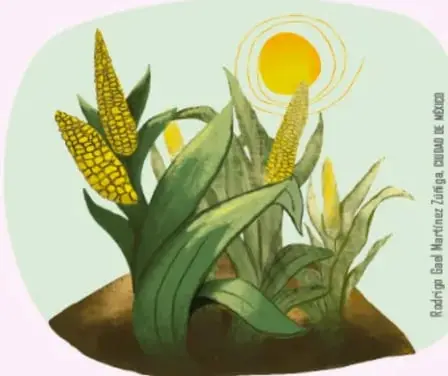
  2. Consistía en el cultivo simultáneo de maíz, frijol y calabacín en la misma parcela.
  3. Era sostenible porque el maíz aportaba nutrientes al frijol y el calabacín cubría el suelo y conservaba la humedad.
Respuesta

La milpa es un sistema de policultivo sostenible con maíz, frijol y calabacín.

b
Parte 1.b

Chinampas

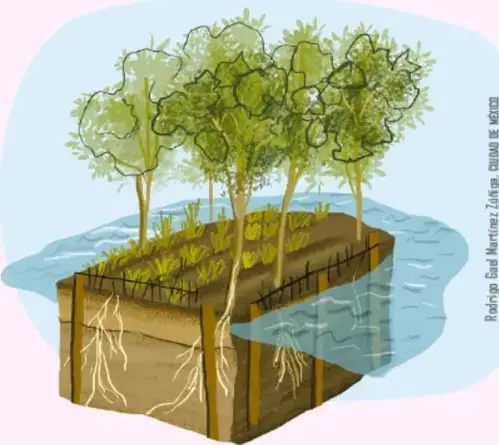
  1. Eran islas artificiales construidas en lagos y lagunas con lodo, vegetación y juncos.
  2. Se usaban para cultivar alimentos como maíz, frijol y chile.
  3. Aprovechaban los recursos acuáticos para la producción agrícola.
Respuesta

Las chinampas eran islas artificiales fértiles que aprovechaban los recursos acuáticos.

c
Parte 1.c

Sun-Drying

  1. Se usaba principalmente con el maíz después de la cosecha.
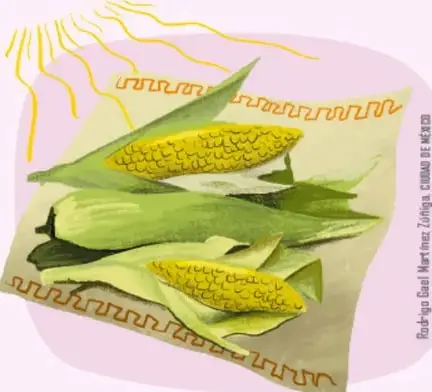
  2. El maíz se dejaba al sol para reducir su contenido de humedad.
  3. Se extendía en zonas soleadas y bien ventiladas, lo que también lo protegía de moho y hongos.
Respuesta

El secado al sol reduce la humedad del maíz y evita infecciones por hongos.
Contenido de la página

Reading

1. Individually, considering everyone else, read the following text:

Agricultural Techniques of Ancient Mexico

Milpa (Crop-field)

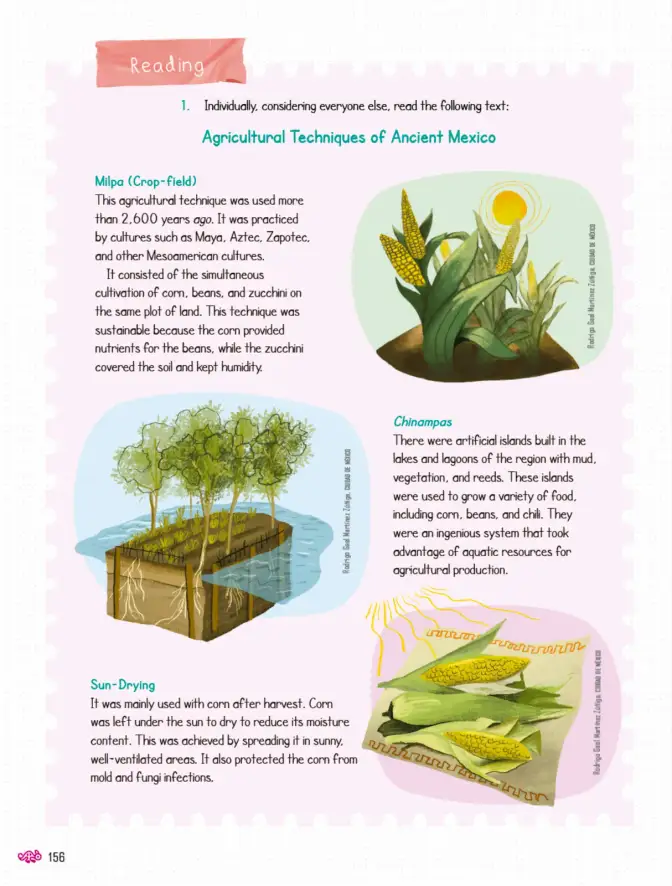
This agricultural technique was used more than 2,600 years ago. It was practiced by cultures such as Maya, Aztec, Zapotec, and other Mesoamerican cultures.

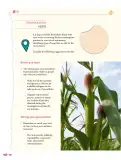
It consisted of the simultaneous cultivation of corn, beans, and zucchini on the same plot of land. This technique was sustainable because the corn provided nutrients for the beans, while the zucchini covered the soil and kept humidity.

Chinampas

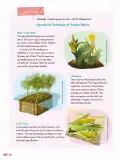
There were artificial islands built in the lakes and lagoons of the region with mud, vegetation, and reeds. These islands were used to grow a variety of food, including corn, beans, and chili. They were an ingenious system that took advantage of aquatic resources for agricultural production.

Sun-Drying

It was mainly used with corn after harvest. Corn was left under the sun to dry to reduce its moisture content. This was achieved by spreading it in sunny, well-ventilated areas. It also protected the corn from mold and fungi infections.

Tabla

Técnica Descripción Cultivos Beneficio
Milpa Cultivo simultáneo en la misma parcela Maíz, frijol, calabacín Sostenible; el maíz nutre al frijol y el calabacín conserva la humedad
Chinampas Islas artificiales en lagos y lagunas Maíz, frijol, chile Aprovecha recursos acuáticos
Sun-Drying Secado al sol tras la cosecha Maíz Reduce humedad y evita hongos

Diagrama

mindmap
  root((Agricultural Techniques of Ancient Mexico))
    Milpa
      More than 2,600 years ago
      Maya, Aztec, Zapotec
      Corn, beans, zucchini
      Sustainable
    Chinampas
      Artificial islands
      Mud, vegetation, reeds
      Corn, beans, chili
      Aquatic resources
    Sun-Drying
      Corn after harvest
      Reduce moisture
      Sunny, well-ventilated areas
      Protects from mold and fungi

Glosario (8)

Milpa
Sistema agrícola mesoamericano de policultivo que combina maíz, frijol y calabacín en una misma parcela.
Crop-field
Campo de cultivo; terreno destinado a la siembra.
Chinampas
Islas artificiales construidas en lagos y lagunas con lodo, vegetación y juncos para cultivar alimentos.
Sun-Drying
Secado al sol; técnica para reducir la humedad del maíz tras la cosecha.
Sustainable
Sostenible; que se puede mantener sin agotar los recursos.
Moisture content
Contenido de humedad de un producto.
Mesoamerican
Relativo a Mesoamérica, región cultural de México y Centroamérica.
Reeds
Juncos; plantas acuáticas usadas en la construcción de chinampas.

Preguntas para practicar

What was the Milpa and why was it sustainable?

The Milpa was a simultaneous cultivation of corn, beans, and zucchini on the same plot. It was sustainable because corn provided nutrients for beans, while zucchini covered the soil and kept humidity.

How did the Chinampas work?

The Chinampas were artificial islands built in lakes and lagoons with mud, vegetation, and reeds. They were used to grow corn, beans, and chili, taking advantage of aquatic resources.

What was the purpose of Sun-Drying?

Sun-Drying was used mainly with corn after harvest to reduce its moisture content. It also protected the corn from mold and fungi infections.

Temas y conceptos clave

Técnicas agrícolas del México antiguoMilpaChinampasSecado al solSostenibilidadMilpaChinampasSun-DryingMesoamerican culturesSustainable agricultureCrop-fieldArtificial islandsMoisture content
¿Te fue útil esta página?

Figuras de la página (3)

Ilustración de plantas de maíz con mazorcas y sol al fondo, representando la milpa.
Figura 1 image
Ilustración de una chinampa: isla artificial con árboles y cultivos sobre el agua.
Figura 2 image
Ilustración de mazorcas de maíz secándose al sol sobre una superficie.
Figura 3 image

Preguntas que la gente también hace

¿Qué es la milpa y por qué era sostenible?
Consulta la solución completa arriba o explora el libro entero para temas relacionados.
¿Cómo funcionaban las chinampas en el México antiguo?
Consulta la solución completa arriba o explora el libro entero para temas relacionados.
¿Para qué se usaba el secado al sol del maíz?
Consulta la solución completa arriba o explora el libro entero para temas relacionados.
📌 Antes de leer esto
  • • Vocabulario básico en inglés sobre agricultura y cultivos
  • • Conocimiento general de las culturas mesoamericanas
  • • Comprensión de textos informativos en inglés
Siguiente tema sugerido
Reading comprehension activities about ancient agricultural techniques
📝 Transcripción de la página (texto seleccionable) 1229 caracteres

Reading

1. Individually, considering everyone else, read the following text:Agricultural Techniques of Ancient Mexico

Milpa (Crop-field)

This agricultural technique was used more than 2,600 years ago. It was practiced by cultures such as Maya, Aztec, Zapotec,and other Mesoamerican cultures.

It consisted of the simultaneous cultivation of corn, beans, and zucchini on the same plot of land. This technique was sustainable because the corn provided nutrients for the beans, while the zucchini covered the soil and kept humidity.

Sun-Drying

It was mainly used with corn after harvest. Corn was left under the sun to dry to reduce its moisture content. This was achieved by spreading it in sunny,well-ventilated areas. It also protected the corn from mold and fungi infections.

Chinampas

There were artificial islands built in the lakes and lagoons of the region with mud,vegetation, and reeds. These islands were used to grow a variety of food,including corn, beans, and chili. They were an ingenious system that took advantage of aquatic resources for agricultural production.

![](page=0,bbox=[631, 312, 1079, 688])

![](page=0,bbox=[134, 714, 633, 1159])

![](page=0,bbox=[655, 1060, 1087, 1452])

乐

156

Ad

Otros libros recomendados

Ver todos →
Ad

Usamos cookies propias y de terceros para personalizar contenido, mostrar publicidad y analizar el tráfico. Las cookies necesarias siempre están activas.