















Saltar al contenido
MisLibrosTexto
Ad

Reading: Ancient Aztec Floating Gardens (Chinampas)

📄 ejercicios ingles 🎓 otro · 2° TELESECUNDARIA México 🇲🇽 MX 🗣 Español
Página 110
110 de 171
Página 110 de Uérakua anapu uantakua. Projects and Readings.  Libro de Educación Telesecundaria Grado 2°  Ciclo Escolar 2025 - 2026
Anterior Página 110 / 171 Siguiente

Respuesta rápida

  1. Lectura: chinampas = huertos flotantes aztecas; 200,000 habitantes; 300x30 pies; 22,000 acres; 7 cosechas/año; destruidas en 1519 por Cortés. 2. Cuadro compare/contrast completado.
📚 exercise ingles ⭐⭐ Dificultad 2/5 ⏱ 8 min lectura

Solución — Página 110

Uérakua anapu uantakua. Projects and Readings. Libro de Educación Telesecundaria Grado 2° Ciclo Escolar 2025 - 2026

1
Ejercicio 1

Individually, read the following text: Ancient Aztec Floating Gardens That Fed 200,000, Destroyed by Spanish in 1519, Called Chinampas.

  1. El texto describe que México (Ciudad de México) era antes una isla que alimentaba a 200,000 habitantes mediante huertos flotantes llamados chinampas.
  2. Durante el Imperio azteca, 200,000 personas vivían en una isla en medio de un lago en Tenochtitlan, hoy Ciudad de México; era la ciudad más grande y mejor alimentada del mundo, rodeada de agua.
  3. Cada jardín medía 300 pies de largo por 30 pies de ancho (300 \times 30 = 9000 \, \text{ft}^{2}).
  4. Para construir un jardín, los trabajadores tejían varas formando una balsa gigante y apilaban lodo del fondo del lago hasta crear una capa de suelo de tres pies de grosor.
  5. Los jardines rectangulares se anclaban al lago con sauces plantados en las esquinas y se rodeaban de canales para que pasaran canoas con trabajadores y materiales.
  6. La red de jardines se extendía por 22,000 acres sobre la superficie del lago; se cultivaban juntos maíz, frijol, calabaza, tomates, chiles y flores, con siete cosechas por año.
  7. En 1519 fueron descubiertos por Cortés y los españoles, quienes documentaron la ciudad autosuficiente antes de ordenar la destrucción de las chinampas.
Respuesta

Lectura completada; ideas principales: chinampas = huertos flotantes, 200,000 habitantes, 300 x 30 pies, 22,000 acres, 7 cosechas/año, destruidas en 1519.
2
Ejercicio 2

Now, draw the following table in your notebook, comparing and contrasting the information you got from the previous reading and the one from "Floating Gardens" at the beginning of the lesson.

  1. Identifico los datos del texto de esta página: origen azteca, Tenochtitlan, 200,000 habitantes, 300 x 30 pies, 22,000 acres, 7 cosechas, destrucción en 1519 por Cortés.
  2. Comparo con el texto "Floating Gardens" del inicio de la lección (mismo tema de huertos flotantes).
  3. Agrupo semejanzas (tema, técnica de construcción, cultivos) y diferencias (detalles, cifras, enfoque).
Compare (Things That Are Similar) Contrast (Things That Are Different)
Ambos textos tratan sobre las chinampas o huertos flotantes de los aztecas. El texto de esta página da cifras exactas: 200,000 habitantes, 300 x 30 pies, 22,000 acres.
Describen que se construían con lodo del fondo del lago sobre balsas de varas. "Floating Gardens" se enfoca más en la descripción general; este texto menciona a Cortés y la destrucción en 1519.
Mencionan los cultivos: maíz, frijol, calabaza, tomate, chile y flores. Este texto indica siete cosechas por año; el otro puede no mencionar ese dato.
Explican que los canales permitían el paso de canoas. Este texto menciona los sauces en las esquinas como anclaje; el otro puede describirlo de otra forma.
Respuesta

Cuadro comparativo completado (ver tabla).

Contenido de la página

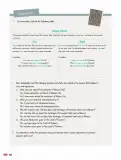
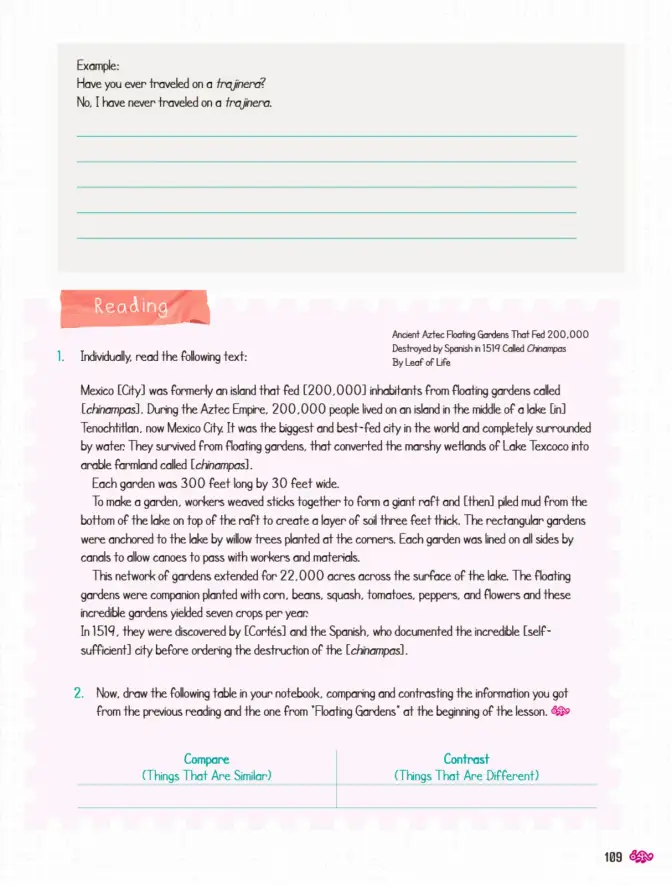
Example: Have you ever traveled on a trajinera? No, I have never traveled on a trajinera.


Reading

1. Individually, read the following text:

Ancient Aztec Floating Gardens That Fed 200,000, Destroyed by Spanish in 1519, Called Chinampas By Leaf of Life

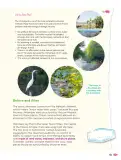
Mexico [City] was formerly an island that fed [200,000] inhabitants from floating gardens called [chinampas]. During the Aztec Empire, 200,000 people lived on an island in the middle of a lake [in] Tenochtitlan, now Mexico City. It was the biggest and best-fed city in the world and completely surrounded by water: They survived from floating gardens, that converted the marshy wetlands of Lake Texcoco into arable farmland called [chinampas].

Each garden was 300 feet long by 30 feet wide.

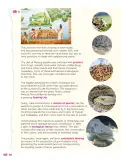
To make a garden, workers weaved sticks together to form a giant raft and [then] piled mud from the bottom of the lake on top of the raft to create a layer of soil three feet thick. The rectangular gardens were anchored to the lake by willow trees planted at the corners. Each garden was lined on all sides by canals to allow canoes to pass with workers and materials.

This network of gardens extended for 22,000 acres across the surface of the lake. The floating gardens were companion planted with corn, beans, squash, tomatoes, peppers, and flowers and these incredible gardens yielded seven crops per year.

In 1519, they were discovered by [Cortés] and the Spanish, who documented the incredible [self-sufficient] city before ordering the destruction of the [chinampas].

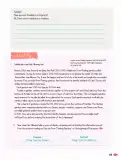
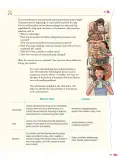
2. Now, draw the following table in your notebook, comparing and contrasting the information you got from the previous reading and the one from "Floating Gardens" at the beginning of the lesson.

Compare (Things That Are Similar) Contrast (Things That Are Different)

Ejemplos resueltos

Have you ever traveled on a trajinera?

No, I have never traveled on a trajinera.

Tabla

Compare (Things That Are Similar) Contrast (Things That Are Different)
Ambos textos tratan sobre las chinampas o huertos flotantes de los aztecas. El texto de esta página da cifras exactas: 200,000 habitantes, 300 x 30 pies, 22,000 acres.
Describen que se construían con lodo del fondo del lago sobre balsas de varas. "Floating Gardens" se enfoca más en la descripción general; este texto menciona a Cortés y la destrucción en 1519.
Mencionan los cultivos: maíz, frijol, calabaza, tomate, chile y flores. Este texto indica siete cosechas por año; el otro puede no mencionar ese dato.
Explican que los canales permitían el paso de canoas. Este texto menciona los sauces en las esquinas como anclaje; el otro puede describirlo de otra forma.

Fórmulas y ecuaciones

300 \times 30 = 9000 \, \text{ft}^{2}

Glosario (9)

chinampas
Huertos flotantes construidos por los aztecas sobre balsas de varas y lodo en lagos.
floating gardens
Jardines flotantes; traducción al inglés de chinampas.
marshy wetlands
Humedales pantanosos.
arable farmland
Tierra cultivable.
raft
Balsa.
anchored
Anclado, sujeto.
canals
Canales.
yielded
Produjeron, rindieron.
self-sufficient
Autosuficiente.

Preguntas para practicar

What were the chinampas?

They were floating gardens built by the Aztecs on rafts of sticks and mud in Lake Texcoco.

How many people did the chinampas feed?

They fed 200,000 inhabitants of Tenochtitlan.

Who destroyed the chinampas and when?

Cortés and the Spanish destroyed them in 1519.

Temas y conceptos clave

Lectura en inglésHistoria aztecaChinampasComparar y contrastarchinampasfloating gardensTenochtitlancomparecontrastever/never

Fuentes y referencias

  • Leaf of Life
¿Te fue útil esta página?

Preguntas que la gente también hace

¿Qué eran las chinampas aztecas?
Consulta la solución completa arriba o explora el libro entero para temas relacionados.
¿Cuántos habitantes alimentaban las chinampas?
Consulta la solución completa arriba o explora el libro entero para temas relacionados.
¿Quién destruyó las chinampas y cuándo?
Consulta la solución completa arriba o explora el libro entero para temas relacionados.
📌 Antes de leer esto
  • • Vocabulario básico en inglés
  • • Comprensión lectora
  • • Uso de tablas comparativas
Siguiente tema sugerido
Writing: describing past events using 'ever/never'
📝 Transcripción de la página (texto seleccionable) 1902 caracteres

Example:Have you ever traveled on a trajinera?No, I have never traveled on a trajinera.

Reading

1. Individually, read the following text:

Ancient Aztec Floating Gardens That Fed 200,000Destroyed by Spanish in 1519 Called Chinampas By Leaf of Life

Mexico [City] was formerly an island that fed [200,O00] inhabitants from floating gardens called [chinampas]. During the Aztec Empine, 200,O00 people lived on an island in the middle of a lake [in]Tenochtitlan, now Mexico City. It was the biggest and best-fed city in the world and completely surrounded by water: They survived from floating gardens, that converted the marshy wetlands of Lake Texcoco into arable farmland called [chinampas].

Each garden was 300 feet long by 30 feet wide.

To make a garden, workers weaved sticks together to form a giant raft and [then] piled mud from the bottom of the lake on top of the raft to create a layer of soil three feet thick. The rectangular gardens were anchored to the lake by willow trees planted at the corners. Each garden was lined on all sides by canals to allow canoes to pass with workers and materials.

This network of gardens extended for 22,O0O acres across the surface of the lake. The floating gardens were companion planted with corn, beans, squash, tomatoes, peppers, and flowers and these incredible gandens yielded seven crops per year:

In 1519, they were discovered by [Cortés] and the Spanish, who documented the incredible [selfsufficient] city before ordering the destruction of the [chinampas].

  1. Now, draw the following table in your notebook, comparing and contrasting the information you got from the previous reading and the one from "Floating Gardens"at the beginning of the lesson. 8
(Things That Are Similar) Compare
(Things That Are Different) Contrast

109

80

Ad

Otros libros recomendados

Ver todos →
Ad

Usamos cookies propias y de terceros para personalizar contenido, mostrar publicidad y analizar el tráfico. Las cookies necesarias siempre están activas.