















Saltar al contenido
MisLibrosTexto
Ad

Present Perfect: Ever y Never

📄 ejercicios ingles 🎓 otro · 2° TELESECUNDARIA México 🇲🇽 MX 🗣 Español
Página 109
109 de 171
Página 109 de Uérakua anapu uantakua. Projects and Readings.  Libro de Educación Telesecundaria Grado 2°  Ciclo Escolar 2025 - 2026
Anterior Página 109 / 171 Siguiente

Respuesta rápida

1.a Yes, I have visited... / No, I have never visited...; 1.b Yes, I have heard... / No, I have never heard...; 1.c Yes, she has told... / No, she has never told...; 1.d Yes, we have gone... / No, we have never gone...; 2. Cinco preguntas con ever y respuestas con never.

📚 exercise ingles ⭐⭐ Dificultad 2/5 ⏱ 10 min lectura

Solución — Página 109

Uérakua anapu uantakua. Projects and Readings. Libro de Educación Telesecundaria Grado 2° Ciclo Escolar 2025 - 2026

1
Ejercicio 1

Read the following questions carefully, and underline the answer that applies to your own experience.

a
Parte 1.a

Have you ever visited the southeast of Mexico City?

  1. La pregunta usa ever entre el auxiliar have y el verbo en participio visited.
  2. Si la experiencia ocurrió: Yes, I have visited the southeast of Mexico City.
  3. Si nunca ocurrió: No, I have never visited the southeast of Mexico City.
Respuesta

Yes, I have visited the southeast of Mexico City. / No, I have never visited the southeast of Mexico City.

b
Parte 1.b

Have you ever heard of chinampas before?

  1. Heard es el participio pasado de hear.
  2. Respuesta afirmativa: Yes, I have heard of chinampas before.
  3. Respuesta negativa: No, I have never heard of chinampas before.
Respuesta

Yes, I have heard of chinampas before. / No, I have never heard of chinampas before.

c
Parte 1.c

Has the teacher ever told you about the heritages of humanity that exist in Mexico?

  1. Con she se usa el auxiliar has.
  2. Afirmativa: Yes, she has told me about the heritages of humanity that exist in Mexico.
  3. Negativa: No, she has never told me about the heritages of humanity that exist in Mexico.
Respuesta

Yes, she has told me about the heritages of humanity that exist in Mexico. / No, she has never told me about the heritages of humanity that exist in Mexico.

d
Parte 1.d

Has your family ever gone to the Land of Flowers?

  1. Gone es el participio pasado de go.
  2. Afirmativa: Yes, we have gone to the Land of Flowers.
  3. Negativa: No, we have never gone to the Land of Flowers.
Respuesta

Yes, we have gone to the Land of Flowers. / No, we have never gone to the Land of Flowers.
2
Ejercicio 2

In communities, make five questions using ever and ask them to some classmates to practice answers with never.

  1. Have you ever eaten a traditional Mexican dish?
  2. Have you ever visited a museum in your city?
  3. Have you ever seen a chinampa in Xochimilco?
  4. Have you ever read a book about Mexican history?
  5. Have you ever traveled to another state?

Respuesta orientativa: Las respuestas con never siguen la estructura: sujeto + have/has + never + participio pasado + complemento. Ejemplo: No, I have never eaten a traditional Mexican dish.

Contenido de la página

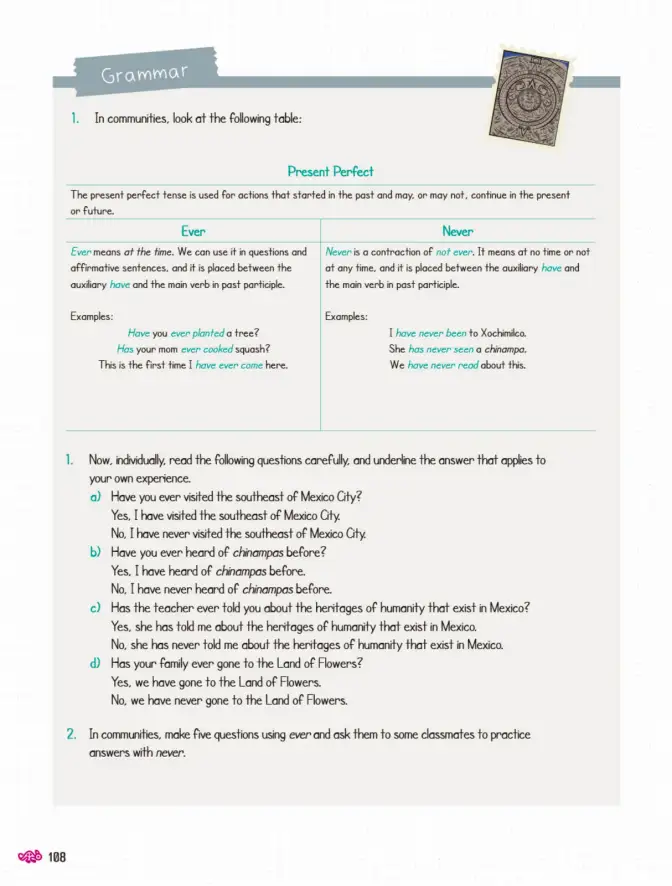
Grammar

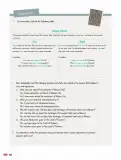
1. In communities, look at the following table:

Present Perfect

The present perfect tense is used for actions that started in the past and may, or may not, continue in the present or future.

Ever Never
Ever means at the time. We can use it in questions and affirmative sentences, and it is placed between the auxiliary have and the main verb in past participle. Never is a contraction of not ever. It means at no time or not at any time, and it is placed between the auxiliary have and the main verb in past participle.
Examples:
Have you ever planted a tree?
Has your mom ever cooked squash?
This is the first time I have ever come here.
Examples:
I have never been to Xochimilco.
She has never seen a chinampa.
We have never read about this.

1. Now, individually, read the following questions carefully, and underline the answer that applies to your own experience.

a) Have you ever visited the southeast of Mexico City? Yes, I have visited the southeast of Mexico City. No, I have never visited the southeast of Mexico City.

b) Have you ever heard of chinampas before? Yes, I have heard of chinampas before. No, I have never heard of chinampas before.

c) Has the teacher ever told you about the heritages of humanity that exist in Mexico? Yes, she has told me about the heritages of humanity that exist in Mexico. No, she has never told me about the heritages of humanity that exist in Mexico.

d) Has your family ever gone to the Land of Flowers? Yes, we have gone to the Land of Flowers. No, we have never gone to the Land of Flowers.
2. In communities, make five questions using ever and ask them to some classmates to practice answers with never.

Ejemplos resueltos

Have you ever planted a tree?

Yes, I have planted a tree. / No, I have never planted a tree.

Has your mom ever cooked squash?

Yes, she has cooked squash. / No, she has never cooked squash.

Tabla

Ever Never
Ever means at the time. We can use it in questions and affirmative sentences, and it is placed between the auxiliary have and the main verb in past participle. Never is a contraction of not ever. It means at no time or not at any time, and it is placed between the auxiliary have and the main verb in past participle.
Examples:
Have you ever planted a tree?
Has your mom ever cooked squash?
This is the first time I have ever come here.
Examples:
I have never been to Xochimilco.
She has never seen a chinampa.
We have never read about this.

Glosario (5)

Ever
En algún momento; se usa en preguntas y oraciones afirmativas.
Never
Nunca; contracción de not ever.
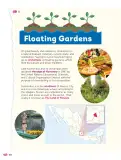
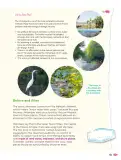
Chinampa
Sistema agrícola tradicional mexicano de cultivo sobre el agua.
Heritage
Patrimonio, herencia cultural.
Land of Flowers
Tierra de las Flores, nombre poético de Xochimilco.

Preguntas para practicar

Have you ever visited the southeast of Mexico City?

Yes, I have visited the southeast of Mexico City. / No, I have never visited the southeast of Mexico City.

Have you ever heard of chinampas before?

Yes, I have heard of chinampas before. / No, I have never heard of chinampas before.

Has the teacher ever told you about the heritages of humanity that exist in Mexico?

Yes, she has told me about the heritages of humanity that exist in Mexico. / No, she has never told me about the heritages of humanity that exist in Mexico.

Has your family ever gone to the Land of Flowers?

Yes, we have gone to the Land of Flowers. / No, we have never gone to the Land of Flowers.
Temas y conceptos clave

Present PerfectEver y NeverPresent perfectEverNeverHave/has + participio pasadoExperiencias de vida
¿Te fue útil esta página?

Preguntas que la gente también hace

¿Cómo se usa ever y never en present perfect?
Consulta la solución completa arriba o explora el libro entero para temas relacionados.
¿Cuál es la diferencia entre ever y never?
Consulta la solución completa arriba o explora el libro entero para temas relacionados.
¿Cómo se forman preguntas con ever en inglés?
Consulta la solución completa arriba o explora el libro entero para temas relacionados.
📌 Antes de leer esto
  • • Verbo auxiliar have/has
  • • Participio pasado de verbos regulares e irregulares
  • • Estructura de preguntas en inglés
Siguiente tema sugerido
Present perfect con already, yet, just
📝 Transcripción de la página (texto seleccionable) 1761 caracteres

Grammar

1. In communities, look at the following table:

Present Perfect

The present penfect tense is used for actions that stanted in the past and may, or may not, continue in the present or future.

Now, individually, read the following questions carefully, and underline the answer that applies to your own expenience.

a) Have you ever visited the southeast of Mexico City?Yes, I have visited the southeast of Mexico City.No, I have never visited the southeast of Mexico City.

b)Have you ever heard of chinampas before?Yes, I have heard of chinampas before.No, I have never heard of chinampas before.

c)Has the teacher ever told you about the henitages of humanity that exist in Mexico?Yes, she has told me about the heritages of humanity that exist in Mexico.No, she has never told me about the heritages of humanity that exist in Mexico.

d)Has your family ever gone to the Land of Flowers?Yes, we have gone to the Land of Flowers.No, we have never gone to the Land of Flowers.
2.]In communities, make five questions using ever and ask them to some classmates to practice answers with never.

EverNever
Ever means at the fime. We can use it in questions and affirmative sentences, and it is placed between the auxiliary have and the main verb in past panticiple. Examples: Have you ever planteda tree? Has your mom ever cooked squash? This is the finst time I have ever come here.Never is a contraction of not ever. It means at no time or not at any time, and it is placed between the auxiliary have and the main venb in past panticiple. Examples: I have never been to Xochimilco. She has never seen a chinampa. We have never read about this.

108

Ad

Otros libros recomendados

Ver todos →
Ad

Usamos cookies propias y de terceros para personalizar contenido, mostrar publicidad y analizar el tráfico. Las cookies necesarias siempre están activas.