
















Saltar al contenido
MisLibrosTexto
Ad

Speaking: UFOs y Modal Verbs

📄 ejercicios ingles 🎓 otro · 2° TELESECUNDARIA México 🇲🇽 MX 🗣 Español
Página 150
150 de 171
Página 150 de Uérakua anapu uantakua. Projects and Readings.  Libro de Educación Telesecundaria Grado 2°  Ciclo Escolar 2025 - 2026
Anterior Página 150 / 171 Siguiente

Respuesta rápida

1.a) I would take a photo; I'd be a little afraid. 1.b) I agree. 1.c) I don't think so; governments should investigate. 1.d) Yes, it would be amazing and scary. 1.e) Yes, it is likely. 3.a) I agree. 3.b) I don't think so. 3.c) In my opinion... 3.d) Because... 3.e) What do you think about...?

📚 exercise ingles ⭐⭐ Dificultad 2/5 ⏱ 8 min lectura

Solución — Página 150

Uérakua anapu uantakua. Projects and Readings. Libro de Educación Telesecundaria Grado 2° Ciclo Escolar 2025 - 2026

1
Ejercicio 1

En comunidades, discutan qué piensan sobre los avistamientos de ovnis en distintas partes del mundo. ¿Son reales o trucos de la mente? ¿Cómo afecta la estimulación externa a la percepción humana? Respondan usando I think so, I don't think so, I agree, I do not agree.

a
Parte 1.a

What would you do if you saw a UFO? Would you be afraid of it?

Respuesta orientativa: If I saw a UFO, I would take a photo and tell an adult. I think I would be a little afraid because it is something unknown.

b
Parte 1.b

Do you agree that UFO sightings can be misinterpretations of Earth objects?

Respuesta orientativa: I agree. Many sightings are just planes, drones, balloons or satellites that people confuse at night.

c
Parte 1.c

Do you think UFOs are real? If so, what should governments do about this matter?

Respuesta orientativa: I don't think so. But if they were real, governments should investigate seriously and share information with scientists.

d
Parte 1.d

Can you imagine yourself contacting the crew of a UFO? How would it be?

Respuesta orientativa: Yes, I can imagine it. It would be amazing and scary at the same time; I would try to communicate with signs.

e
Parte 1.e

Based on the reading about human perception, do you think it is likely to mistake an Earth object for an alien ship?

Respuesta orientativa: Yes, it is likely. Our brain can misinterpret lights and shapes, especially when we are tired or excited.


2
Ejercicio 2

Share your conclusions with the other communities and listen respectfully to them.

Respuesta orientativa: Al compartir, se deben usar frases como In my opinion..., I agree with you..., That's a good point... y escuchar sin interrumpir.

3
Ejercicio 3

Respondan colectivamente:

a
Parte 3.a

What do you say when you think the same way as your friend?

Respuesta

I agree with you. / I think so too.

b
Parte 3.b

What do you say when you think differently?

Respuesta

I don't think so. / I disagree. / I see it differently.

c
Parte 3.c

What expression is used to give an opinion about something?

Respuesta

In my opinion... / I think... / I believe...

d
Parte 3.d

What do you say when you want to explain a reason for something?

Respuesta

Because... / The reason is... / That's why...

e
Parte 3.e

How do you ask for someone's opinion?

Grammar: Modal Verbs

  1. Lee y ten en cuenta la información.

Un modal verb es un tipo especial de auxiliar que se usa junto con la forma base del verbo principal para expresar situaciones específicas como permiso, posibilidad, obligación, petición y ofrecimiento. Los principales verbos modales son: can, may, might, could, should, would, will, have to, must.

Para oraciones negativas, se agrega not al modal:

You should not listen to music so loud.

Respuesta orientativa: Los verbos modales no cambian de forma según la persona (no llevan -s en tercera persona) y van seguidos del verbo en forma base sin to (excepto have to).

Respuesta

What do you think about...? / Do you agree? / What's your opinion?

Contenido de la página

Speaking

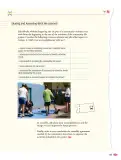
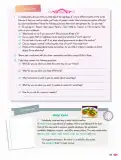
  1. In communities, discuss what you think about the sightings of UFOs in different parts of the world. Discuss if they are real or maybe just tricks of people's minds. How is human perception affected by external stimulation? Read the following questions that start with phrases like "Do you think" or "Do you agree." Answer them using I think so, I don't think so, I agree, or I do not agree. Take notes in your notebook.

a) What would you do if you saw a UFO? Would you be afraid of it?

b) Do you agree that UFO sightings can be misinterpretations of Earth objects?

c) Do you think UFOs are real? If so, what should governments do about this matter?

d) Can you imagine yourself contacting the crew of a UFO? How would it be?

e) Based on the reading about human perception, do you think it is likely to mistake an Earth object for an alien ship?

  1. Share your conclusions with the other communities and listen respectfully to them.

  2. Collectively, answer the following questions:

a) What do you say when you think the same way as your friend?

b) What do you say when you think differently?

c) What expression is used to give an opinion about something?

d) What do you say when you want to explain a reason for something?

e) How do you ask for someone's opinion?

Grammar

Modal Verbs

  1. Individually, read and keep in mind this information.

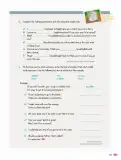
A modal verb is a special kind of auxiliary that is used along with the base form of the main verb to express specific situations, like permission, possibility, obligation, request, and offer; among others. The main modal verbs are can, may, might, could, should, would, will, have to, and must.

For negative sentences, the word not is added to the modal:

You should not listen to music so loud.

Ejemplos resueltos

You should not listen to music so loud.

Oración negativa con verbo modal: should + not + verbo en forma base (listen).

Glosario (5)

modal verb
Verbo auxiliar especial que se usa con la forma base del verbo principal para expresar permiso, posibilidad, obligación, petición u ofrecimiento.
sighting
Avistamiento; acción de ver algo, especialmente algo inusual.
misinterpretation
Mala interpretación; confusión al entender algo.
perception
Percepción; forma en que el cerebro interpreta la información de los sentidos.
crew
Tripulación; grupo de personas que operan una nave.

Preguntas para practicar

What would you do if you saw a UFO?

I would take a photo and tell an adult.

Do you agree that UFO sightings can be misinterpretations of Earth objects?

I agree; many are planes, drones or satellites.

Do you think UFOs are real?

I don't think so, but governments should investigate.

Can you imagine yourself contacting the crew of a UFO?

Yes, it would be amazing and scary.

Do you think it is likely to mistake an Earth object for an alien ship?

Yes, our brain can misinterpret lights and shapes.

Temas y conceptos clave

Speaking: UFOs y percepciónGrammar: Modal VerbsVerbos modalesExpresiones de opiniónPercepción humanaAvistamientos de ovnis
¿Te fue útil esta página?

Figuras de la página (2)

Adorno decorativo con cintas rosas y moradas.
Figura 1 image
Sello postal con un platillo volador y un ovni.
Figura 2 image

Preguntas que la gente también hace

¿Qué son los verbos modales en inglés y para qué sirven?
Consulta la solución completa arriba o explora el libro entero para temas relacionados.
¿Cómo se da una opinión en inglés de forma educada?
Consulta la solución completa arriba o explora el libro entero para temas relacionados.
¿Cómo se forma el negativo de un verbo modal?
Consulta la solución completa arriba o explora el libro entero para temas relacionados.
📌 Antes de leer esto
  • • Verbo to be en presente
  • • Verbos en forma base
  • • Vocabulario básico de opiniones
Siguiente tema sugerido
Uso de can, may, might, could, should, would, will, have to y must en oraciones afirmativas y negativas
📝 Transcripción de la página (texto seleccionable) 1851 caracteres

Speaking

ST2

In communities, discuss what you think about the sightings of uFos in different parts of the world.Discuss if they are real or maybe just tricks of people's minds. How is human perception affected by external stimulation? Read the following questions that start with phrases like"Do you think"or'Do you agree."Answer them using I think so, I don't think so, I agree, or I do not agree. Take notes in your notebook.

a) What would you do if you saw a UFo? Would you be afraid of it?

b)Do you agree that UFo sightings can be misinterpretations of Earth objects?

c)Do you think UFos are real? If so, what should governments do about this matter?

d)Can you imagine yourself contacting the crew of a uFo? How would it be?

e)Based on the reading about human perception, do you think it is likely to mistake an Earth object for an alien ship?

  1. Share your conclusions with the other communities and listen respectfull to them.

  2. Collectively, answer the following questions:

a) What do you say when you think the same way as your friend?

b)What do you say when you think differently?

c)What expression is used to give an opinion about something?

d)What do you say when you want to explain a reason for something?

e)How do you ask for someone's opinion?

Grammar

Modal Verbs

  1. Individually, read and keep in mind this information.

A modal verb is a special kind of auxiliary that is used along with the base form of the main verb to express specific situations, like permission,possibility, obligation, request, and offer; among others. The main modal verbs are can, may, might, could, should, would, wil, have to, and must.

For negative sentences, the word not is added to the modal:You should not listen to music so loud.

![](page=0,bbox=[822, 1057, 974, 1174])

![](page=0,bbox=[979, 1056, 1137, 1210])

149

8

Ad

Otros libros recomendados

Ver todos →
Ad

Usamos cookies propias y de terceros para personalizar contenido, mostrar publicidad y analizar el tráfico. Las cookies necesarias siempre están activas.