


















Página — Ingles 7 (pág. 106)
Solución no disponible aún
Esta página está en proceso de revisión.
Pídela y la resolveremos antes. Sin registro.
📝 Transcripción de la página (texto seleccionable) 3763 caracteres
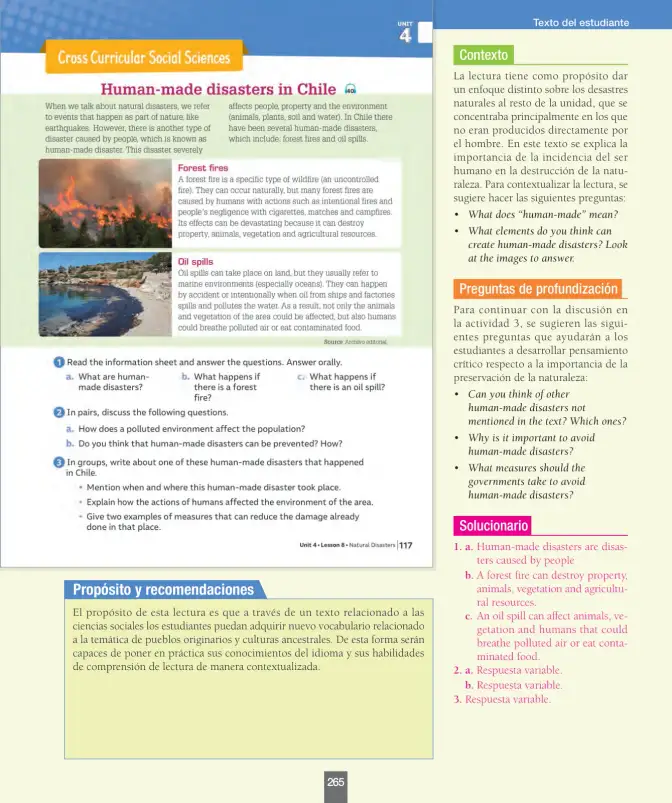
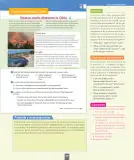
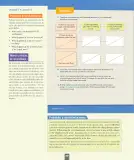
Cross Curricular Social Sciences
Human-made disasters in Chile 40
When we talk about natural disasters, we refer to events that happen as part of nature, like earthquakes. However, there is another type of disaster caused by people, which is known as human-made disaster. This disaster severely
Forest fires
A forest fire is a specific type of wildfire (an uncontrolled fire). They can occur naturally, but many forest fires are caused by humans with actions such as intentional fires and people's negligence with cigarettes, matches and campfires.Its effects can be devastating because it can destroy property, animals, vegetation and agricultural resources.
Dil spills
Oil spills can take place on land, but they usually refer to marine environments (especially oceans). They can happen by accident or intentionally when oil from ships and factories spills and pollutes the water. As a result, not only the animals and vegetation of the area could be affected, but also humans could breathe polluted air or eat contaminated food.
affects people property and the environment (animals, plants, soil and water). In Chile there have been several human-made disasters,which include: forest fires and oil spills
Source: Archivo editortal
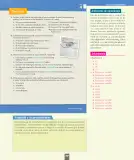
Read the information sheet and answer the questions. Answer orally.
a.What are humanmade disasters?
b. What happens if there is a forest fire?
In pairs, discuss the following questions.
cWhat happens if there is an oil spill?
a. How does a polluted environment affect the population?
b. Do you think that human-made disasters can be prevented? How?
③In groups, write about one of these human-made disasters that happened in Chile.
Mention when and where this human-made disaster took place.
Explain how the actions of humans affected the environment of the area.
Give two examples of measures that can reduce the damage already done in that place.
Unit 4-Lesson 8- Natural Disasters117
Propósito y recomendaciones
El propósito de esta lectura es que a través de un texto relacionado a las ciencias sociales los estudiantes puedan adquirir nuevo vocabulario relacionado a la temática de pueblos originarios y culturas ancestrales. De esta forma serán capaces de poner en práctica sus conocimientos del idioma y sus habilidades de comprensión de lectura de manera contextualizada.
Contexto
La lectura tiene como propósito dar un enfoque distinto sobre los desastres naturales al resto de la unidad, que se concentraba principalmente en los que no eran producidos directamente por el hombre. En este texto se explica la importancia de la incidencia del ser humano en la destrucción de la naturaleza. Para contextualizar la lectura, se sugiere hacer las siguientes preguntas:
• What does “human-made”mean?
, What elements do you think can create human-made disasters? Look at the images to answer.
Preguntas de profundización
Para continuar con la discusión en la actividad 3, se sugieren las siguientes preguntas que ayudarán a los estudiantes a desarrollar pensamiento crítico respecto a la importancia de la preservación de la naturaleza:
• Can you think of other human-made disasters not mentioned in the text? Which ones?
Why is it important to avoid human-made disasters?
What measures should the governments take to avoid human-made disasters?
Solucionario
- a. Human-made disasters are disasters caused by people
b. A forest fire can destroy property,animals, vegetation and agricultural resources.
c. An oil spill can affect animals, vegetation and humans that could breathe polluted air or eat contaminated food.
- a. Respuesta variable.
b. Respuesta variable.
- Respuesta variable.
UNIT 4
Texto del estudiante

265
Otros libros recomendados

Matemática – Séptimo Básico | Texto del Estudiante MINEDUC – Descargar PDF · 2024
MINEDUC
146 págs.

Inglés – Séptimo Básico | Student’s Book MINEDUC – Descargar PDF · 2024
MINEDUC
82 págs.
Inglés – Séptimo Básico | Student’s Book MINEDUC – Descargar PDF · 2024
MINEDUC
162 págs.

Inglés – Séptimo Básico | Student’s Book MINEDUC – Descargar PDF · 2024
MINEDUC
136 págs.
Ciencias Naturales – Séptimo Básico | Texto del Estudiante MINEDUC – Descargar PDF · 2024
MINEDUC
178 págs.
Ciencias Naturales – Séptimo Básico | Texto del Estudiante MINEDUC – Descargar PDF · 2024
MINEDUC
162 págs.
Ciencias Naturales – Séptimo Básico | Texto del Estudiante MINEDUC – Descargar PDF · 2024
MINEDUC
178 págs.
Historia, Geografía y Ciencias Sociales – Séptimo Básico | Texto del Estudiante MINEDUC – Descargar PDF · 2024
MINEDUC
146 págs.