















Saltar al contenido
MisLibrosTexto
Ad

Segunda Guerra Mundial: reflexión sobre conflictos armados y vocabulario

📄 ejercicios historia 🎓 bachillerato · 3° Secundaria México 🇲🇽 MX 🗣 Español
Página 130
130 de 187
Página 130 de Uérakua anapu uantakua. Projects and Readings.  Libro de Educación Secundaria Grado 3°  Ciclo Escolar 2025 - 2026
Anterior Página 130 / 187 Siguiente

Respuesta rápida

  1. Reflexiones personales sobre invasión, derechos humanos y paz. 2. Axis Powers; Allied Powers; First World War; Treaty of Versailles; nationalism; manipulate.
📚 exercise historia ⭐⭐ Dificultad 2/5 ⏱ 8 min lectura

Solución — Página 130

Uérakua anapu uantakua. Projects and Readings. Libro de Educación Secundaria Grado 3° Ciclo Escolar 2025 - 2026

1
Ejercicio 1

Responde las preguntas de reflexión sobre conflictos armados.

a
Parte 1.a

Pregunta: How would you feel if you woke up one day and your country was being invaded? How would you react?

Respuesta orientativa: Me sentiría con miedo, incertidumbre y tristeza por la pérdida de seguridad y de seres queridos. Reaccionaría buscando información confiable, protegiendo a mi familia y participando de forma pacífica y solidaria para ayudar a los afectados.

b
Parte 1.b

Pregunta: What consequences do you think the military invasion has had on the daily lives of people in Ukraine?

Respuesta orientativa: La invasión ha provocado desplazamientos forzados, separación de familias, interrupción de clases y trabajos, escasez de alimentos y servicios básicos, además de daños psicológicos y pérdidas humanas.

c
Parte 1.c

Pregunta: What reasons could a country have for invading another?

Respuesta orientativa: Ambición territorial, control de recursos naturales, intereses geopolíticos, diferencias ideológicas o justificaciones de seguridad nacional. Ninguna razón justifica violar la soberanía y los derechos humanos de otro pueblo.

d
Parte 1.d

Pregunta: What do you think the response of the international community should be regarding this situation?

Respuesta orientativa: Debe ser una respuesta coordinada basada en el derecho internacional: condenar la agresión, aplicar sanciones, brindar ayuda humanitaria y promover negociaciones diplomáticas para lograr la paz.

e
Parte 1.e

Pregunta: How do you think human rights, especially of teenagers, are affected? How could they be protected?

Respuesta orientativa: Los adolescentes pierden su derecho a la educación, a la salud, a la recreación y a vivir sin violencia. Se protegen garantizando corredores humanitarios, apoyo psicosocial, escuelas seguras y denunciando toda violación ante organismos internacionales.

f
Parte 1.f

Pregunta: What measures should be taken to prevent future invasions and armed conflicts?

Respuesta orientativa: Fortalecer el diálogo diplomático, el desarme, la educación para la paz, el respeto al derecho internacional y la cooperación económica entre naciones.

g
Parte 1.g

Pregunta: How could the world population be aware of the crisis in Ukraine?

Respuesta orientativa: A través de medios de comunicación veraces, redes sociales, campañas de organismos internacionales y testimonios de quienes viven el conflicto, verificando siempre las fuentes.


2
Ejercicio 2

Completa los espacios con las palabras o frases correctas.

  1. Identifico el tema: la Segunda Guerra Mundial y sus causas.
  2. Relaciono cada espacio con el vocabulario histórico: bandos, tratado, ideología y acción sobre la opinión.
  3. Verifico la concordancia gramatical y el sentido histórico de cada término.
Respuesta
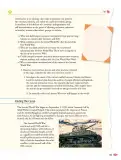
  • The Second World War pitted the Axis Powers, led by Germany, Italy, and Japan, against the Allied Powers, including the United Kingdom, the United States, and the Soviet Union.
  • One significant cause was the unresolved resentment from the First World War; Germany felt humiliated by the Treaty of Versailles, which placed harsh penalties on them.
  • Another cause was the rise of extreme nationalism that glorifies one's nation.
  • Leaders like Adolf Hitler used propaganda to manipulate public opinion.

Contenido de la página

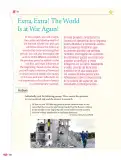
a) How would you feel if you woke up one day and your country was being invaded? How would you react?

b) What consequences do you think the military invasion has had on the daily lives of people in Ukraine?

c) What reasons could a country have for invading another?

d) What do you think the response of the international community should be regarding this situation?

e) How do you think human rights, especially of teenagers, are affected? How could they be protected?

f) What measures should be taken to prevent future invasions and armed conflicts?

g) How could the world population be aware of the crisis in Ukraine?

Just like the armed conflict between Ukraine and Russia today, there have been other wars between nations throughout history. In particular, the 20th century saw two major conflicts, the First World War (1914-1918) and the Second World War (1939-1945). Although not all countries were involved, the disputes had repercussions in various territories and social sectors.

During the period between the two conflicts, called the Interwar Period, various events and processes occurred, generating an atmosphere that ultimately led to the Second World War, mainly between two groups: the Axis Powers and the Allies. In this project, you will investigate these events.

Vocabulary

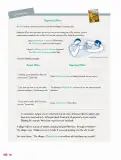
Individually, considering everyone else, fill in the blanks with the correct words or phrases.

The Second World War, considered the deadliest conflict in human history, erupted in 1939. This global war pitted the __________________, led by Germany, Italy, and Japan, against the __________________, including the United Kingdom, the United States, and the Soviet Union. Several factors contributed to the outbreak of the war: One significant cause was the unresolved resentment from the __________________, the previous major world war. Germany, mainly, felt humiliated by the __________________, which placed harsh penalties on them. Another cause of the war was the rise of extreme __________________ that glorifies one's nation and prioritizes its interests above all others. Leaders like Adolf Hitler in Germany used propaganda to __________________ public opinion, stirring up hatred and a desire for conquest.

Glosario (5)

Axis Powers
Potencias del Eje, alianza liderada por Alemania, Italia y Japón durante la Segunda Guerra Mundial.
Allied Powers
Aliados, coalición formada por Reino Unido, Estados Unidos, Unión Soviética y otros países.
Treaty of Versailles
Tratado de Versalles, acuerdo de paz de 1919 que impuso duras condiciones a Alemania.
nationalism
Nacionalismo, ideología que exalta la propia nación por encima de las demás.
propaganda
Propaganda, difusión de ideas para influir en la opinión pública.

Preguntas para practicar

How would you feel if your country was being invaded?

Me sentiría con miedo e incertidumbre, y reaccionaría buscando protección y ayuda pacífica.

What consequences has the invasion had on Ukrainians?

Desplazamiento, pérdida de vidas, interrupción educativa y escasez de servicios básicos.

How could human rights of teenagers be protected?

Con corredores humanitarios, apoyo psicosocial y denuncia internacional.

Temas y conceptos clave

Conflictos armados contemporáneosGuerras mundiales del siglo XXVocabulario histórico en inglésInvasiónDerechos humanosPotencias del EjeAliadosTratado de VersallesNacionalismoPropaganda
¿Te fue útil esta página?

Figuras de la página (2)

Número de página 185 con un pequeño ícono decorativo.
Figura 1 image
Forma circular blanca que enmarca el texto de contexto histórico.
Figura 2 image

Preguntas que la gente también hace

¿Cuáles fueron las causas de la Segunda Guerra Mundial?
Consulta la solución completa arriba o explora el libro entero para temas relacionados.
¿Qué consecuencias tiene una invasión militar en la vida diaria?
Consulta la solución completa arriba o explora el libro entero para temas relacionados.
¿Cómo se protegen los derechos humanos en conflictos armados?
Consulta la solución completa arriba o explora el libro entero para temas relacionados.
📌 Antes de leer esto
  • • Conocimiento básico de las guerras mundiales
  • • Vocabulario en inglés sobre historia y conflictos
Siguiente tema sugerido
El periodo de entreguerras y el ascenso de los regímenes totalitarios
📝 Transcripción de la página (texto seleccionable) 2193 caracteres

a) How would you feel if you woke up one day and your country was being invaded? How would you react?

b) What consequences do you think the military invasion has had on the daily lives of people in Ukraine?

c) What reasons could a country have for invading another?

d) What do you think the response of the international community should be regarding this situation?

?) How do you think human rights, especially of teenagers, are affected? How could they be protected?

f) What measures should be taken to prevent future invasions and armed conflicts?

g) How could the world population be aware of the crisis in Ukraine?

Just like the armed conflict between Ukraine and Russia today,there have been other wars between nations throughout history. In particular, the 20th century saw two major conflicts, the First World War (1914-1918) and the Second World War (1939-1945). Although not all countries were involved, the disputes had repercussions in various territories and social sectors.

During the period between the two conflicts, called the Interwar Period, various events and processes occurred, generating an atmosphere that ultimately led to the Second World War, mainly between two groups: the Axis Powers and the Allies. In this project,you will investigate these events.

Vocabulary

Individually, considering everyone else, fill in the blanks with the correct wonds or phrases.

The Second World War; considered the deadliest conflict in human history, erupted in 1939.This global war pitted the led by Genmany, Italy, and Japan,against the including the United Kingdom, the United States, and the Soviet Union. Several factors contributed to the outbreak of the wan: One significant cause was the unresolved resentment from the the previous major wonld war Germany, mainly, felt humiliated by the which placed harsh penalties on them. Another cause of the war was the rise of extreme that glorifies one's nation and prionitizes its interests above all others. Leaders like Adolf Hitler in Germany used propaganda to public opinion, stinning up hatred and a desire for conquest.

災

185

![](page=0,bbox=[833, 198, 1121, 490])

![](page=0,bbox=[814, 957, 1018, 1064])

129

Ad

Otros libros recomendados

Ver todos →
Ad

Usamos cookies propias y de terceros para personalizar contenido, mostrar publicidad y analizar el tráfico. Las cookies necesarias siempre están activas.