













Saltar al contenido
MisLibrosTexto
Ad

Following Through / Recording the Experience: línea de tiempo de comunidades indígenas y afromexicanas

📄 ejercicios estudios-sociales 🎓 otro · 1° TELESECUNDARIA México 🇲🇽 MX 🗣 Español
Página 146
146 de 187
Página 146 de Uérakua anapu uantakua. Projects and Readings.  Libro de Educación Telesecundaria Grado 1°  Ciclo Escolar 2025 - 2026
Anterior Página 146 / 187 Siguiente

Respuesta rápida

Línea de tiempo con hechos fechados de comunidades indígenas y afromexicanas; exposición con carteles; buzón con respuestas a 4.a–4.d sobre conocimiento previo, difusión, participación comunitaria y actividades en espacios públicos.

📚 exercise estudios-sociales ⭐⭐ Dificultad 2/5 ⏱ 6 min lectura

Solución — Página 146

Uérakua anapu uantakua. Projects and Readings. Libro de Educación Telesecundaria Grado 1° Ciclo Escolar 2025 - 2026

1
Ejercicio 1

With the information gathered in the ethnographic sheets, create a timeline that you will show to your school community.

  1. Reúne los datos de las fichas etnográficas: fechas, pueblo o comunidad, hecho histórico y características principales.
  2. Ordena los hechos del más antiguo al más reciente.
  3. Elige una escala temporal (por siglos o por décadas) y traza una línea horizontal.
  4. Ubica cada hecho con un punto, su fecha y una frase breve; añade una imagen o símbolo.
  5. Revisa que cada momento histórico tenga sus características principales identificadas.
Respuesta

Línea de tiempo cronológica con al menos 5 hechos, cada uno con fecha, comunidad y características principales.

2
Ejercicio 2

With the help of your teacher, prepare a suitable space to present the timeline, where it can stay for a few days, and create some signs or posters to promote it.

  1. Solicita al docente un espacio escolar (pasillo, biblioteca o patio) donde la línea de tiempo pueda permanecer varios días.
  2. Verifica que el lugar sea visible, seguro y protegido del viento o la lluvia.
  3. Diseña carteles con título llamativo, fecha, lugar y una frase que invite a visitar la exposición.
  4. Coloca los carteles en puntos de alto tránsito de la escuela.
Respuesta

Espacio asignado con la línea de tiempo montada y al menos dos carteles de promoción elaborados.

3
Ejercicio 3

Establish the parts of the timeline that every student will explain, and study the information.

  1. Dividan la línea de tiempo en tantas secciones como estudiantes participen.
  2. Asigna a cada estudiante una sección y las fechas que le corresponden.
  3. Cada estudiante investiga y redacta un guion breve de 1 a 2 minutos.
  4. Realicen un ensayo general para ajustar tiempos y aclarar dudas.
Respuesta

Reparto de secciones por estudiante con guion breve y ensayo realizado.

Ad
4
Ejercicio 4

After the presentation is done, create a mailbox to collect suggestions of the audience about the following matters:

a
Parte 4.a

Did you previously know this information? Why?

Respuesta orientativa: La mayoría de los asistentes suele conocer solo fragmentos de la historia indígena y afromexicana, porque estos temas aparecen poco en los medios y en los programas escolares. El buzón permite registrar qué sabían antes y por qué, y así valorar el aporte de la exposición.

b
Parte 4.b

How can you contribute to the acknowledgement and the diffusion of the Indigenous and Afro-Mexican communities' history?

Respuesta orientativa: Se puede contribuir difundiendo la información en redes sociales, periódicos murales, radio escolar y pláticas con la familia. También reconociendo sus aportes culturales, lingüísticos y gastronómicos en la vida cotidiana, y evitando estereotipos o burlas hacia estas comunidades.

c
Parte 4.c

Besides the school community, what other people could participate in the recovery of the history of the Indigenous and Afro-Mexican communities?

Respuesta orientativa: Pueden participar las familias, los consejos comunitarios, las autoridades locales, las personas mayores portadoras de la memoria oral, las organizaciones civiles y las universidades. Su participación aporta testimonios, documentos y espacios para difundir la historia recuperada.

d
Parte 4.d

What activities could be carried out in the public spaces near your school?

Respuesta orientativa: Se pueden organizar exposiciones itinerantes, murales comunitarios, ferias culturales, obras de teatro, lecturas públicas y recorridos por sitios históricos. Estas actividades acercan la historia a la comunidad y fortalecen la identidad local.

Following Through

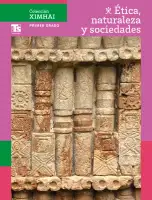
Para realizar la investigación puedes consultar el libro Colección Ximhai. Ética, naturaleza y sociedades. Primer grado, la biblioteca del aula, la biblioteca escolar o cualquier otra fuente confiable. Recuerda identificar las características principales de cada momento histórico mencionado en la lista anterior.

Respuesta orientativa: La investigación debe basarse en fuentes confiables y registrar, para cada momento histórico, sus características principales (quiénes participaron, cuándo, dónde y qué consecuencias tuvo).

Contenido de la página

Following Through

To carry out the research, you can consult the book Colección Ximhai. Ética, naturaleza y sociedades. Primer grado, the Classroom Library, the School Library, or any other reliable source. Remember that you must identify the main characteristics of every historic moment mentioned in the previous list.

Recording the Experience

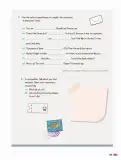
  1. With the information gathered in the ethnographic sheets, create a timeline that you will show to your school community.

  2. With the help of your teacher, prepare a suitable space to present the timeline, where it can stay for a few days, and create some signs or posters to promote it.

  3. Establish the parts of the timeline that every student will explain, and study the information.

  4. After the presentation is done, create a mailbox to collect suggestions of the audience about the following matters:

    a) Did you previously know this information? Why?

    b) How can you contribute to the acknowledgement and the diffusion of the Indigenous and Afro-Mexican communities' history?

    c) Besides the school community, what other people could participate in the recovery of the history of the Indigenous and Afro-Mexican communities?

    d) What activities could be carried out in the public spaces near your school?

Diagrama

timeline
    title Línea de tiempo de comunidades indígenas y afromexicanas
    Época prehispánica : Pueblos originarios y sus culturas
    Colonia : Mestizaje y resistencia indígena
    Siglo XIX : Abolición y presencia afromexicana
    Siglo XX : Movimientos indígenas y reconocimiento
    Siglo XXI : Reconocimiento constitucional afromexicano

Glosario (6)

ethnographic sheets
fichas etnográficas; registros de información sobre la cultura, historia y costumbres de un pueblo
timeline
línea de tiempo; representación gráfica de hechos ordenados cronológicamente
mailbox
buzón; caja donde se depositan opiniones o sugerencias
acknowledgement
reconocimiento; valoración pública de un pueblo o su historia
diffusion
difusión; acción de dar a conocer información a un público amplio
Afro-Mexican
afromexicano; persona o comunidad de ascendencia africana nacida en México

Preguntas para practicar

Did you previously know this information? Why?

La mayoría conoce solo fragmentos porque estos temas aparecen poco en medios y programas escolares; el buzón registra qué sabían antes y por qué.

How can you contribute to the acknowledgement and the diffusion of the Indigenous and Afro-Mexican communities' history?

Difundiendo en redes, periódicos murales y radio escolar; reconociendo aportes culturales y evitando estereotipos.

Besides the school community, what other people could participate in the recovery of the history of the Indigenous and Afro-Mexican communities?

Familias, consejos comunitarios, autoridades locales, personas mayores portadoras de memoria oral, organizaciones civiles y universidades.

What activities could be carried out in the public spaces near your school?

Exposiciones itinerantes, murales comunitarios, ferias culturales, obras de teatro, lecturas públicas y recorridos por sitios históricos.

Temas y conceptos clave

Investigación históricaLínea de tiempoComunidades indígenas y afromexicanasDifusión culturalParticipación comunitariaFicha etnográficaCronologíaMemoria históricaAfromexicanidadInterculturalidad

Fuentes y referencias

  • Colección Ximhai. Ética, naturaleza y sociedades. Primer grado
  • Biblioteca del aula
  • Biblioteca escolar
¿Te fue útil esta página?

Figuras de la página (2)

Hoja de cuaderno rayada con margen azul, símbolo de tomar notas
Figura 1 image
Ilustración de un libro abierto con paisaje y líneas rojas onduladas, símbolo de lectura e investigación
Figura 2 image

Preguntas que la gente también hace

¿Cómo se elabora una línea de tiempo histórica paso a paso?
Consulta la solución completa arriba o explora el libro entero para temas relacionados.
¿Qué aportes culturales tienen los pueblos indígenas y afromexicanos en México?
Consulta la solución completa arriba o explora el libro entero para temas relacionados.
¿Cómo se puede difundir la historia de las comunidades originarias en la escuela?
Consulta la solución completa arriba o explora el libro entero para temas relacionados.
📌 Antes de leer esto
  • • Manejo de fechas y siglos
  • • Elaboración de fichas de trabajo
  • • Nociones básicas de investigación documental
Siguiente tema sugerido
Presentación de resultados y evaluación del proyecto comunitario
📝 Transcripción de la página (texto seleccionable) 1363 caracteres

Following Through

To carry out the research, you can consult the book Colección Ximhai. Etica, naturaleza y sociedades. Primer grado, the Classroom Library, the School Library, or any other reliable source. Remember that you must identify the main characteristics of every historic moment mentioned in the previous list.

Recording the Experience

  1. With the information gathered in the ethnographic sheets, create a timeline that you will show to your school community.

  2. With the help of your teacher, prepare a suitable space to present the timeline, where it can stay for a few days, and create some signs or posters to promote it.

  3. Establish the parts of the timeline that every student will explain, and study the information.

  4. After the presentation is done, create a mailbox to collect suggestions of the audience about the following matters:

a) Did you previously know this information?Why?

b) How can you contribute to the acknowledgement and the diffusion of the Indigenous and Afro-Mexican communities' history?

Besides the school community, what other people could participate in the recovery of the history of the Indigenous and Afro-Mexican communities?

d)What activities could be carried out in the public spaces near your school?

災.

204

![](page=0,bbox=[730, 261, 1046, 631])

![](page=0,bbox=[97, 1141, 320, 1383])

145

8

Ad

Otros libros recomendados

Ver todos →
Ad

Usamos cookies propias y de terceros para personalizar contenido, mostrar publicidad y analizar el tráfico. Las cookies necesarias siempre están activas.