
















Saltar al contenido
MisLibrosTexto
Ad

Integration: Poetry Reading Project Closure Activities

📄 ejercicios ingles 🎓 otro · 1° TELESECUNDARIA México 🇲🇽 MX 🗣 Español
Página 87
87 de 187
Página 87 de Uérakua anapu uantakua. Projects and Readings.  Libro de Educación Telesecundaria Grado 1°  Ciclo Escolar 2025 - 2026
Anterior Página 87 / 187 Siguiente

Respuesta rápida

b) Anfitriones abren el recital. c) Lectura expresiva de poemas. d) Reflexión y conclusiones. e) Creación de poemas propios. f) Reflexión personal. g) Registro en cuaderno. 1) Registro colectivo. 2) Párrafo individual. 3) Exposición de mensajes. 4) Asamblea de cierre.

📚 exercise ingles ⭐⭐ Dificultad 2/5 ⏱ 5 min lectura

Solución — Página 87

Uérakua anapu uantakua. Projects and Readings. Libro de Educación Telesecundaria Grado 1° Ciclo Escolar 2025 - 2026

1
Ejercicio 1

Ejercicio b

The community members chosen to host the poetry reading will start the show.

  1. Identificar a los miembros de la comunidad elegidos como anfitriones.
  2. Ellos inician el evento dando la bienvenida y presentando el propósito del recital.

Ejercicio c

Each participant will have time to read their chosen poem. Read the poem and try to communicate the poet's emotions and feelings.

  1. Cada participante elige un poema y lo lee en voz alta.
  2. Al leerlo, debe transmitir con la entonación y el ritmo las emociones del poeta.

Respuesta: Cada estudiante lee su poema intentando comunicar los sentimientos del autor mediante la expresión oral.

Ejercicio d

During the poetry reading, promote reflection, exchange comments, and generate conclusions.

  1. Al terminar cada lectura, el público reflexiona sobre lo escuchado.
  2. Se intercambian comentarios respetuosos entre los participantes.
  3. Se anotan conclusiones grupales.

Respuesta: Se fomenta la reflexión, el diálogo y la construcción de conclusiones durante el recital.

Ejercicio e

Encourage participants to draw inspiration from the dramatized poems and create their own.

  1. Los poemas dramatizados sirven de modelo.
  2. Los participantes se inspiran para escribir sus propios textos poéticos.

Respuesta: Se motiva a los estudiantes a crear poemas propios a partir de la inspiración del recital.

Ejercicio f

Reflect on the experience.

  1. Cada estudiante piensa en cómo se sintió al leer y escuchar poesía.
  2. Identifica qué aprendió y qué podría mejorar.

Respuesta: Reflexión personal sobre la experiencia del recital poético.

Ejercicio g

Record the conclusions and proposals in your notebook for future reference.

  1. Se escriben en el cuaderno las conclusiones del grupo.
  2. Se anotan propuestas para futuros proyectos.

Respuesta: Las conclusiones y propuestas quedan registradas en el cuaderno.

Respuesta

Los anfitriones seleccionados abren el recital de poesía con unas palabras de bienvenida.

1
Ejercicio 1

Once the poetry reading has finished, assemble in communities to collaboratively create a collective record of the experience.

  1. Reunirse en equipos o comunidades después del recital.
  2. Cada integrante aporta ideas sobre lo vivido.
  3. Se redacta un registro colectivo que integre todas las voces.
Respuesta

Registro colectivo de la experiencia del recital elaborado en comunidad.

2
Ejercicio 2

Individually, write a brief paragraph that names your poem, its author, and the ideas, images, and feelings you think the poet was trying to communicate. This paragraph will include your reflection on the poem, your opinion on the experience of sharing the poem in the poetry reading, and the comments you received during the event. Be concise.

  1. Mencionar el título del poema y su autor.
  2. Describir las ideas, imágenes y sentimientos que el poeta quiso transmitir.
  3. Incluir una reflexión personal sobre el poema.
  4. Expresar la opinión sobre la experiencia de compartirlo.
  5. Incorporar los comentarios recibidos durante el evento.
Respuesta

Párrafo breve que integra título, autor, ideas, imágenes, sentimientos, reflexión, opinión y comentarios recibidos.

Ad
3
Ejercicio 3

Display your collective record in the school community through organized messages on sheets of paper: each message will connect to the next one and keep the story going. Make sure everyone understands how the sentences displayed are related.

  1. Escribir mensajes en hojas de papel.
  2. Organizarlos de forma secuencial para que cada mensaje conecte con el siguiente.
  3. Exponerlos en un espacio visible de la escuela.
  4. Verificar que la relación entre las oraciones sea clara para todos.
Respuesta

Exposición del registro colectivo mediante mensajes encadenados en la comunidad escolar.

4
Ejercicio 4

In assembly, discuss the work done and what you have learned while carrying out the activities of this project.

  1. Reunirse en asamblea con todo el grupo.
  2. Compartir lo que se aprendió durante el proyecto.
  3. Discutir logros, dificultades y aprendizajes.
Respuesta

Asamblea de cierre para discutir el trabajo realizado y los aprendizajes obtenidos.

Contenido de la página

b) The community members chosen to host the poetry reading will start the show.

c) Each participant will have time to read their chosen poem. Read the poem and try to communicate the poet's emotions and feelings.

d) During the poetry reading, promote reflection, exchange comments, and generate conclusions.

e) Encourage participants to draw inspiration from the dramatized poems and create their own.

f) Reflect on the experience.

g) Record the conclusions and proposals in your notebook for future reference.

Integration

  1. Once the poetry reading has finished, assemble in communities to collaboratively create a collective record of the experience.

  2. Individually, write a brief paragraph that names your poem, its author, and the ideas, images, and feelings you think the poet was trying to communicate. This paragraph will include your reflection on the poem, your opinion on the experience of sharing the poem in the poetry reading, and the comments you received during the event. Be concise.

  3. Display your collective record in the school community through organized messages on sheets of paper: each message will connect to the next one and keep the story going. Make sure everyone understands how the sentences displayed are related.

  4. In assembly, discuss the work done and what you have learned while carrying out the activities of this project.

Glosario (5)

poetry reading
recital de poesía; evento donde se leen poemas en voz alta
host
anfitrión; persona que recibe y presenta a los participantes
collective record
registro colectivo; documento que recoge las aportaciones de todo el grupo
assembly
asamblea; reunión de todo el grupo para discutir un tema
dramatized
dramatizado; representado con expresión corporal y vocal

Preguntas para practicar

What emotions did you try to communicate when reading your poem?

I tried to communicate emotions such as joy, sadness, or nostalgia, depending on the poem's theme. I used my voice and pauses to make the audience feel what the poet felt.

How did the audience's comments help you improve your reading?

The comments helped me identify aspects to improve, such as pronunciation, volume, and rhythm. They also motivated me to keep practicing poetry reading.

Temas y conceptos clave

Recital de poesíaReflexión y conclusionesRegistro colectivoAsamblea de cierrePoetry readingEmotions and feelingsCollective recordReflectionAssembly
¿Te fue útil esta página?

Figuras de la página (2)

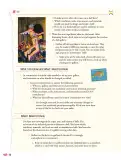
Ilustración de un sobre de carta cerrado, símbolo de mensajes o comunicación.
Figura 1 image
Ilustración de una hoja de papel amarilla, símbolo de escritura o registro.
Figura 2 image

Preguntas que la gente también hace

¿Cómo organizar un recital de poesía en inglés en el salón de clases?
Consulta la solución completa arriba o explora el libro entero para temas relacionados.
¿Qué actividades de reflexión se pueden hacer después de leer un poema?
Consulta la solución completa arriba o explora el libro entero para temas relacionados.
¿Cómo se elabora un registro colectivo de una experiencia escolar?
Consulta la solución completa arriba o explora el libro entero para temas relacionados.
📌 Antes de leer esto
  • • Leer y comprender poemas en inglés
  • • Expresarse oralmente con entonación y ritmo
  • • Trabajar en equipo y respetar turnos de participación
Siguiente tema sugerido
Presentación de proyectos y evaluación final del ciclo
📝 Transcripción de la página (texto seleccionable) 1459 caracteres

b) The community members chosen to host the poetry reading will start the show.

c)Each participant will have time to read their chosen poem.Read the poem and try to communicate the poet's emotions and feelings.

d) During the poetry reading, promote reflection, exchange comments, and generate conclusions.

e)Encourage participants to draw inspiration from the dramatized poems and create their own.

f)Reflect on the experience.

Record the conclusions and proposals in your notebook for future reference.

Integration

  1. Once the poetry reading has finished, assemble in communities to collaboratively create a collective record of the experience.

  2. Individually, write a brief paragraph that names your poem, its author, and the ideas, images, and feelings you think the poet was trying to communicate. This paragraph will include your reflection on the poem, your opinion on the experience of sharing the poem in the poetry reading, and the comments you received during the event. Be concise.

  3. Display your collective record in the school community through organized messages on sheets of paper: each message will connect to the next one and keep the story going. Make sure everyone understands how the sentences displayed are related.

  4. In assembly, discuss the work done and what you have learned while carrying out the activities of this project.

022

![](page=0,bbox=[897, 678, 1048, 793])

![](page=0,bbox=[205, 1133, 527, 1393])

中

86

Ad

Otros libros recomendados

Ver todos →
Ad

Usamos cookies propias y de terceros para personalizar contenido, mostrar publicidad y analizar el tráfico. Las cookies necesarias siempre están activas.