Saltar al contenido
MisLibrosTexto
Ad

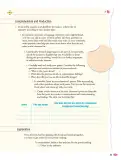
Comprehension and Production: Preparing a Poetry Reading

📄 ejercicios ingles 🎓 otro · 1° TELESECUNDARIA México 🇲🇽 MX 🗣 Español
Página 86
86 de 187
Página 86 de Uérakua anapu uantakua. Projects and Readings.  Libro de Educación Telesecundaria Grado 1°  Ciclo Escolar 2025 - 2026
Anterior Página 86 / 187 Siguiente

Respuesta rápida

Proyecto: organizar tareas, entrevistar a un poeta, elegir y analizar un poema en inglés (tema, sentimientos, imágenes), escuchar a compañeros, llenar la tabla y preparar la lectura poética con día, hora y acomodo del público.

📚 exercise ingles ⭐⭐ Dificultad 2/5 ⏱ 8 min lectura

Solución — Página 86

Uérakua anapu uantakua. Projects and Readings. Libro de Educación Telesecundaria Grado 1° Ciclo Escolar 2025 - 2026

1
Ejercicio 1

In assembly, organize and distribute the tasks to achieve the set objective according to your project plan.

  1. Reunirse en asamblea y revisar el plan del proyecto.
  2. Identificar las tareas: buscar poema, analizarlo, preparar lectura, invitar público.
  3. Asignar responsables y fechas para cada tarea.

Respuesta orientativa: En asamblea se acuerda quién buscará los poemas, quién contactará a los poetas, quién organizará el espacio y quién será el maestro de ceremonias. Cada tarea debe tener un responsable y una fecha límite.

2
Ejercicio 2

If you know any poets or language experts in your neighborhood, or if you can talk to some of them online, ask them questions to learn about their work and the stories they write. In your notebook, write questions that help you learn more about what they do and what you're interested in.

  1. Identificar un poeta o experto en lenguaje cercano o en línea.
  2. Redactar preguntas abiertas sobre su obra y proceso creativo.
  3. Escribirlas en el cuaderno.

Respuesta orientativa: Preguntas sugeridas: What inspired you to start writing poetry? How do you choose the words in your poems? What themes do you like to write about? How do you revise your poems? What advice would you give to young poets?

3
Ejercicio 3

Individually, without forgetting you are part of a community, search for a poem in English that you would like to share during the poetry reading. Search for it in books, magazines, or websites on the internet.

  1. Buscar en libros, revistas o sitios web un poema en inglés.
  2. Elegir el que más te guste y sea adecuado para compartir.
  3. Guardar la fuente (título, autor, libro o enlace).

Respuesta orientativa: Se puede elegir un poema breve y significativo, por ejemplo "The Road Not Taken" de Robert Frost o "Dreams" de Langston Hughes. Registrar siempre el título, autor y fuente.

Ad
4
Ejercicio 4

Carefully read and study your poem. Consider the following questions and write your answers in your notebook:

a
Parte 4.a

What is the poem about?

  1. Leer el poema completo.
  2. Identificar el tema central.
  3. Escribir una oración que resuma el tema.

Respuesta orientativa: El poema trata sobre una decisión importante en la vida y las consecuencias de elegir un camino sobre otro.

b
Parte 4.b

How does the poet use words to communicate feelings?

  1. Localizar palabras o frases que expresen emoción.
  2. Identificar el tono (nostálgico, esperanzador, triste).
  3. Explicar cómo esas palabras transmiten sentimientos.

Respuesta orientativa: El poeta usa palabras como sigh, sorry o dream para crear un tono nostálgico y reflexivo que transmite duda y esperanza.

c
Parte 4.c

How does the poet use words to describe images?

  1. Buscar imágenes sensoriales (visuales, auditivas).
  2. Identificar metáforas o símiles.
  3. Explicar qué imagen crean en la mente del lector.

Respuesta orientativa: El poeta usa imágenes como yellow wood o leaves no step had trodden black para crear una imagen visual de un bosque otoñal que representa la indecisión.

5
Ejercicio 5

In assembly, listen to your classmates' poems. Take turns asking each other questions about each poem. You can use the questions listed above and come up with your own.

  1. Escuchar con atención el poema de cada compañero.
  2. Formular preguntas usando las del ejercicio 4 u otras nuevas.
  3. Responder por turnos y tomar notas.

Respuesta orientativa: Preguntas adicionales: Why did you choose this poem? What feeling did it leave in you? Which word caught your attention the most?

6
Ejercicio 6

Create a table where you list each classmate's poem and describe how the poets use words to communicate and create meaning and feeling. The table can look like this:

  1. Dibujar la tabla con tres columnas: Name, Title and Author, How Does the Poet Use Words...
  2. Llenar una fila por cada poema escuchado.
  3. Describir en la tercera columna el uso del lenguaje.

Respuesta orientativa: Ejemplo de fila:

Name Title and Author How Does the Poet Use Words to Communicate Feelings and Create Meaning?
Ana Dreams — Langston Hughes Repite hold fast to dreams para dar fuerza y esperanza; usa metáforas de alas y campos para hablar de oportunidades.

Exploration

Now, after you had fun playing with words and reading together, it is time to get ready for your poetry reading.

In communities, define a day and time for the poetry reading.

a
Parte 6.a

Usher in the audience.

  1. Acordar en comunidad el día y la hora de la lectura.
  2. Designar a los encargados de recibir y acomodar al público.
  3. Preparar el espacio y los turnos de lectura.

Respuesta orientativa: Se elige una fecha y hora accesible para todos; los anfitriones reciben al público, lo acomodan y explican el orden de participación. Se recomienda ensayar la lectura en voz alta antes del evento.

Contenido de la página

Comprehension and Production

  1. In assembly, organize and distribute the tasks to achieve the set objective according to your project plan.

  2. If you know any poets or language experts in your neighborhood, or if you can talk to some of them online, ask them questions to learn about their work and the stories they write. In your notebook, write questions that help you learn more about what they do and what you're interested in.

  3. Individually, without forgetting you are part of a community, search for a poem in English that you would like to share during the poetry reading. Search for it in books, magazines, or websites on the internet.

  4. Carefully read and study your poem. Consider the following questions and write your answers in your notebook: a) What is the poem about? b) How does the poet use words to communicate feelings? c) How does the poet use words to describe images?

  5. In assembly, listen to your classmates' poems. Take turns asking each other questions about each poem. You can use the questions listed above and come up with your own.

  6. Create a table where you list each classmate's poem and describe how the poets use words to communicate and create meaning and feeling. The table can look like this:

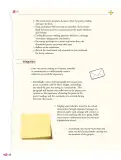
Name Title and Author How Does the Poet Use Words to Communicate Feelings and Create Meaning?

Exploration

Now, after you had fun playing with words and reading together, it is time to get ready for your poetry reading.

In communities, define a day and time for the poetry reading. a) Usher in the audience.

Ejemplos resueltos

Analiza el poema Dreams de Langston Hughes respondiendo las preguntas 4.a, 4.b y 4.c.

4.a El poema trata sobre la importancia de mantener los sueños vivos.

4.b El poeta repite hold fast to dreams para transmitir urgencia y esperanza.

4.c Usa imágenes como a broken-winged bird y a barren field frozen with snow para mostrar visualmente lo que ocurre cuando se pierden los sueños.

Tabla

Name Title and Author How Does the Poet Use Words to Communicate Feelings and Create Meaning?
Ana Dreams — Langston Hughes Repite hold fast to dreams para dar fuerza y esperanza; usa metáforas de alas y campos.
Luis The Road Not Taken — Robert Frost Usa sigh y yellow wood para expresar duda y nostalgia ante una decisión.

Glosario (5)

Assembly
Reunión de todo el grupo para organizar actividades.
Poet
Persona que escribe poesía.
Poetry reading
Evento donde se leen poemas en voz alta ante un público.
Usher in
Recibir y acomodar al público en un evento.
Meaning
Significado o sentido que transmite un texto.

Preguntas para practicar

What is the poem about?

El poema trata sobre una decisión importante en la vida y las consecuencias de elegir un camino sobre otro.

How does the poet use words to communicate feelings?

El poeta usa palabras como *sigh*, *sorry* o *dream* para crear un tono nostálgico y reflexivo.

How does the poet use words to describe images?

Usa imágenes como *yellow wood* o *leaves no step had trodden black* para crear una imagen visual del bosque otoñal.

Temas y conceptos clave

Comprensión y producciónAnálisis de poesíaLectura comunitariaPoetry readingFeelingsImagesMeaningAudience

Fuentes y referencias

  • Libros de poesía en inglés
  • Revistas literarias
  • Sitios web de poesía
¿Te fue útil esta página?

Figuras de la página (1)

Número de página 21 con adorno floral.
Figura 1 image

Preguntas que la gente también hace

¿Cómo analizar un poema en inglés para secundaria?
Consulta la solución completa arriba o explora el libro entero para temas relacionados.
¿Qué preguntas hacerle a un poeta en una entrevista escolar?
Consulta la solución completa arriba o explora el libro entero para temas relacionados.
¿Cómo organizar una lectura de poesía en el salón de clases?
Consulta la solución completa arriba o explora el libro entero para temas relacionados.
📌 Antes de leer esto
  • • Vocabulario básico en inglés
  • • Identificación de emociones y sentimientos
  • • Uso de tablas para registrar información
Siguiente tema sugerido
Presentación de la lectura poética y evaluación del proyecto
📝 Transcripción de la página (texto seleccionable) 1817 caracteres

Comprehension and Production

  1. In assembly, organize and distribute the tasks to achieve the set objective according to your project plan.

  2. If you know any poets or language experts in your neighborhood,or if you can talk to some of them online, ask them questions to learn about their work and the stories they write. In your notebook,write questions that help you learn more about what they do and what you're interested in.

  3. Individually, without forgetting you are part of a community,search for a poem in English that you would like to share during the poetry reading. Search for it in books, magazines,or websites on the internet.

4.Carefully read and study your poem. Consider the following questions and write your answers in your notebook:a) What is the poem about?

b) How does the poet use words to communicate feelings?

c) How does the poet use words to describe images?

  1. In assembly, listen to your classmates' poems. Take turns asking each other questions about each poem. You can use the questions listed above and come up with your own.

  2. Create a table where you list each classmate's poem and describe how the poets use words to communicate and create meaning and feeling. The table can look like this:

Exploration

Now, after you had fun playing with words and reading together,it is time to get ready for your poetry reading.

In communities, define a day and time for the poetry reading.a) Usher in the audience.

21

![](page=0,bbox=[868, 434, 1150, 725])

NameTitle and AuthorHow Does the Poet Use Words to Communicate Feelings and Create Meaning?

85

Ad

Otros libros recomendados

Ver todos →
Ad

Usamos cookies propias y de terceros para personalizar contenido, mostrar publicidad y analizar el tráfico. Las cookies necesarias siempre están activas.