
















Saltar al contenido
MisLibrosTexto
Ad

Past Simple and Past Continuous with When and While

📄 teoria ingles 🎓 otro · 2° TELESECUNDARIA México 🇲🇽 MX 🗣 Español
Página 61
61 de 171
Página 61 de Uérakua anapu uantakua. Projects and Readings.  Libro de Educación Telesecundaria Grado 2°  Ciclo Escolar 2025 - 2026
Anterior Página 61 / 171 Siguiente

Respuesta rápida

a) was; b) studied. When = acción corta que interrumpe; while = acciones simultáneas.

📚 theory ingles ⭐⭐ Dificultad 2/5 ⏱ 6 min lectura

Solución — Página 61

Uérakua anapu uantakua. Projects and Readings. Libro de Educación Telesecundaria Grado 2° Ciclo Escolar 2025 - 2026

1
Ejercicio 1

Completa las oraciones sobre la vida de Marc Chagall con el tiempo verbal correcto (past simple o past continuous).

a
Parte 1.a

Marc Chagall ______ (be) born in Belarus in 1887.

  1. Identificamos el verbo entre paréntesis: be.
  2. La fecha "in 1887" indica un hecho puntual y terminado en el pasado.
  3. Para hechos completos usamos past simple.
  4. El past simple de be para la tercera persona singular (Marc Chagall = he) es was.
Respuesta

Marc Chagall was born in Belarus in 1887.

b
Parte 1.b

He ______ (study) at local academies.

  1. Identificamos el verbo entre paréntesis: study.
  2. La oración describe una acción pasada sin indicar que estuviera en progreso ni interrumpida.
  3. Para acciones pasadas completas usamos past simple.
  4. El past simple de study es studied (la y final cambia a i antes de -ed).
Respuesta

He studied at local academies.

2
Ejercicio 2

Explica brevemente la diferencia entre when y while según las tablas.

  1. When introduce una acción corta y terminada (past simple) que ocurre en medio de una acción más larga (past continuous).
  2. While conecta dos acciones que ocurrían al mismo tiempo (ambas en past continuous).

Respuesta orientativa: Usamos when para la acción breve que interrumpe y while para acciones simultáneas y prolongadas.

Contenido de la página

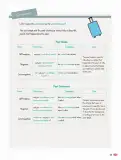
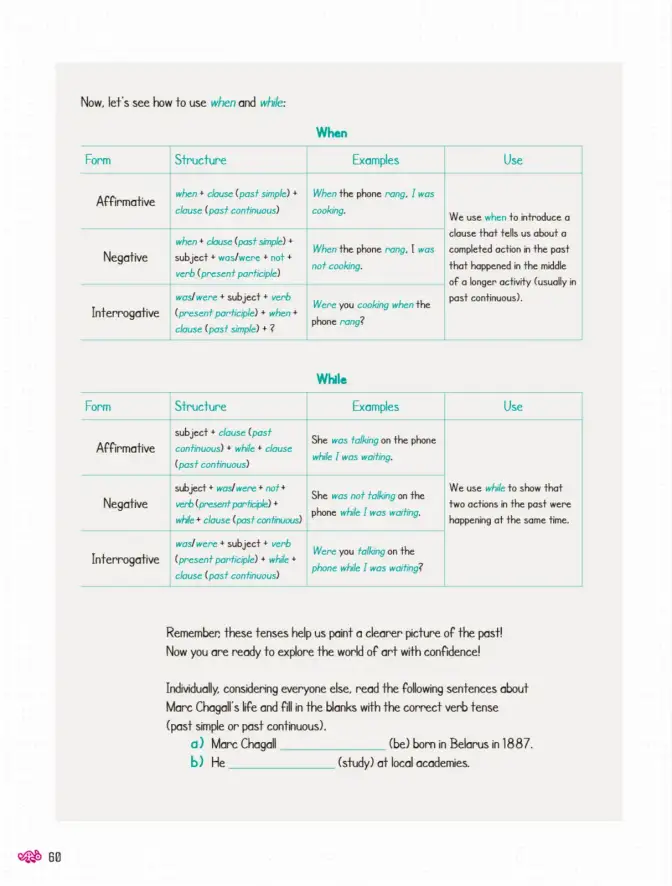
Now, let's see how to use when and while:

When

Form Structure Examples Use
Affirmative when + clause (past simple) + clause (past continuous) When the phone rang, I was cooking. We use when to introduce a clause that tells us about a completed action in the past that happened in the middle of a longer activity (usually in past continuous).
Negative when + clause (past simple) + subject + was/were + not + verb (present participle) When the phone rang, I was not cooking.
Interrogative was/were + subject + verb (present participle) + when + clause (past simple) + ? Were you cooking when the phone rang?

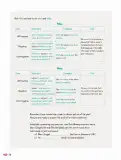
While

Form Structure Examples Use
Affirmative subject + clause (past continuous) + while + clause (past continuous) She was talking on the phone while I was waiting. We use while to show that two actions in the past were happening at the same time.
Negative subject + was/were + not + verb (present participle) + while + clause (past continuous) She was not talking on the phone while I was waiting.
Interrogative was/were + subject + verb (present participle) + while + clause (past continuous) Were you talking on the phone while I was waiting?

Remember; these tenses help us paint a clearer picture of the past! Now you are ready to explore the world of art with confidence!

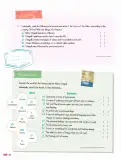
Individually, considering everyone else, read the following sentences about Marc Chagall's life and fill in the blanks with the correct verb tense (past simple or past continuous).

a) Marc Chagall ______ (be) born in Belarus in 1887. b) He ______ (study) at local academies.

Ejemplos resueltos

When the phone rang, I was cooking.

Acción corta (rang) en past simple + acción larga (was cooking) en past continuous.

She was talking on the phone while I was waiting.

Dos acciones simultáneas en past continuous unidas por while.

Tablas (2)

Form Structure Examples Use
Affirmative when + clause (past simple) + clause (past continuous) When the phone rang, I was cooking. We use when to introduce a clause that tells us about a completed action in the past that happened in the middle of a longer activity (usually in past continuous).
Negative when + clause (past simple) + subject + was/were + not + verb (present participle) When the phone rang, I was not cooking.
Interrogative was/were + subject + verb (present participle) + when + clause (past simple) + ? Were you cooking when the phone rang?
Form Structure Examples Use
Affirmative subject + clause (past continuous) + while + clause (past continuous) She was talking on the phone while I was waiting. We use while to show that two actions in the past were happening at the same time.
Negative subject + was/were + not + verb (present participle) + while + clause (past continuous) She was not talking on the phone while I was waiting.
Interrogative was/were + subject + verb (present participle) + while + clause (past continuous) Were you talking on the phone while I was waiting?

Glosario (4)

when
conector que introduce una acción corta y terminada que interrumpe otra acción en progreso
while
conector que indica que dos acciones ocurrían al mismo tiempo en el pasado
past simple
tiempo verbal para acciones pasadas completas y puntuales
past continuous
tiempo verbal para acciones que estaban en progreso en el pasado

Preguntas para practicar

¿Por qué en la oración 'When the phone rang, I was cooking' se usa past simple y past continuous?

Porque 'rang' es una acción corta y terminada (past simple) que interrumpe la acción en progreso 'was cooking' (past continuous).

Temas y conceptos clave

Past simplePast continuousConectores when y whileAcción completadaAcción en progresoSimultaneidadInterrupción
¿Te fue útil esta página?

Preguntas que la gente también hace

¿Cuándo se usa when y cuándo while en inglés?
Consulta la solución completa arriba o explora el libro entero para temas relacionados.
¿Cómo se forma el past continuous en negativo e interrogativo?
Consulta la solución completa arriba o explora el libro entero para temas relacionados.
¿Cuál es la diferencia entre past simple y past continuous?
Consulta la solución completa arriba o explora el libro entero para temas relacionados.
📌 Antes de leer esto
  • • Conjugación del verbo to be en pasado (was/were)
  • • Formación del past simple de verbos regulares e irregulares
  • • Uso básico del present participle (-ing)
Siguiente tema sugerido
Past continuous vs. past simple en narraciones
📝 Transcripción de la página (texto seleccionable) 1943 caracteres

Now, let's see how to use when and while:

Remember; these tenses help us paint a clearer picture of the past!Now you are ready to explore the world of art with confidence!

Individually, considering everyone else, read the follwing sentences about Marc Chagall's life and fillin the blanks with the correct verb tense (past simple or past continuous).

a)Marc Chagall (be) born in Belarus in 1887.b) He (study) at local academies.

When

FormStructureExamplesUse
Affirmativewhen + clause(past simple)+ clause(past continuous)When the phone rang, I was cooking.We use when to introduce a clause that tells us about a completed action in the past that happened in the middle of a longer activity (usually in past continuous).
Negativewhen + clause (past simple)+ subject + was/were + not + verb (present participle)When the phone rang, I was not cooking.
Interrogativewas/wene + subject + venb (present participle) + when + clause(past simple) +?Were you cooking when the phone rang?

While

FormStructureExamplesUse
Affirmativesubject + clause (past continuous) + while + clause (past continuous)She was talking on the phone while I was waiting.We use while to show that two actions in the past were happening at the same time.
Negativesubject + was/were+ not+ verb (present participle)+ while +clause(past continuous)She was not talking on the phone while I was waiting.
Interrogativewas/were + subject + venb (present panticiple) + while + clause(past continuous)Wene you talking on the phone while I was waiting?

60

Ad

Otros libros recomendados

Ver todos →
Ad

Usamos cookies propias y de terceros para personalizar contenido, mostrar publicidad y analizar el tráfico. Las cookies necesarias siempre están activas.