















Saltar al contenido
MisLibrosTexto
Ad

Finding the Cause: Environmental Awareness and Water Conservation

📄 ejercicios ingles 🎓 otro · 2° TELESECUNDARIA México 🇲🇽 MX 🗣 Español
Página 93
93 de 171
Página 93 de Uérakua anapu uantakua. Projects and Readings.  Libro de Educación Telesecundaria Grado 2°  Ciclo Escolar 2025 - 2026
Anterior Página 93 / 171 Siguiente

Respuesta rápida

Investigación comunitaria: respuestas variables según la localidad. Speaking: If the water stays contaminated, the fish will get sick; if people drink it, they will get diseases; if we do not act, pollution will worsen.

📚 exercise ingles ⭐⭐ Dificultad 2/5 ⏱ 10 min lectura

Solución — Página 93

Uérakua anapu uantakua. Projects and Readings. Libro de Educación Telesecundaria Grado 2° Ciclo Escolar 2025 - 2026

1
Ejercicio 1

In communities, investigate the following about the place where you live (11 preguntas).

a
Parte 1.a

What kind of water bodies exist in your community or nearby?

Respuesta orientativa: En mi comunidad existen cuerpos de agua como ríos, arroyos, lagunas, presas o pozos. Por ejemplo, puede haber un río que atraviesa la localidad y una laguna cercana usada para riego.

b
Parte 1.b

Where does the water you use come from?

Respuesta orientativa: El agua que usamos proviene de un pozo comunitario, de un manantial, de un río cercano o del sistema de agua potable municipal. En muchos casos se bombea desde mantos acuíferos subterráneos.

c
Parte 1.c

Where is the water that goes into rivers kept?

Respuesta orientativa: El agua que llega a los ríos se almacena en cuencas hidrográficas, presas, lagunas y mantos acuíferos. También permanece en el cauce del río hasta desembocar en el mar.

d
Parte 1.d

Are there any rivers nearby? What are their names?

Respuesta orientativa: Sí, generalmente hay ríos cercanos. Se deben mencionar sus nombres reales, por ejemplo el río Lerma, el río Balsas o el río Papaloapan, según la región.

e
Parte 1.e

How do you dispose of wastewater?

Respuesta orientativa: Las aguas residuales se vierten al drenaje, a fosas sépticas o directamente a los ríos y barrancas. En el mejor de los casos se tratan en plantas de tratamiento antes de devolverlas al ambiente.

f
Parte 1.f

What practices in your community contribute to the pollution of water bodies?

Respuesta orientativa: Entre las prácticas contaminantes están arrojar basura y plásticos a los ríos, verter aceites y detergentes, usar agroquímicos y desechos industriales sin tratamiento.

g
Parte 1.g

How do you waste water?

Respuesta orientativa: Se desperdicia agua al dejar llaves abiertas, regar en horas de sol, lavar con manguera, tener fugas en tuberías y usar el inodoro como basurero.

h
Parte 1.h

What economic activities that influence water pollution or conservation are common around your community?

Respuesta orientativa: La agricultura, la ganadería, la industria, la minería y el turismo influyen en la contaminación o conservación del agua. También la pesca y el comercio local dependen de la calidad del agua.

i
Parte 1.i

What negative impact have these activities had on the environment?

Respuesta orientativa: Han provocado contaminación de ríos y mantos acuíferos, pérdida de biodiversidad, erosión del suelo y enfermedades en la población. Además, reducen la disponibilidad de agua limpia.

j
Parte 1.j

Which are the consequences of water pollution for your community?

Respuesta orientativa: Las consecuencias incluyen escasez de agua potable, enfermedades gastrointestinales, muerte de peces y plantas, y conflictos por el acceso al agua. También afecta la economía local.

k
Parte 1.k

How can your health be affected by the irrational exploitation of natural resources?

Respuesta orientativa: La explotación irracional de recursos puede causar exposición a metales pesados, pesticidas y bacterias, provocando enfermedades como diarrea, hepatitis, intoxicaciones y problemas respiratorios.

2
Ejercicio 2

Speaking: In community, discuss what might happen if water is contaminated in your area, and it stays that way. Use conditional sentences with if to explain.

Respuesta orientativa:

  • If the water stays contaminated, the fish will get sick.
  • If people drink contaminated water, they will get diseases.
  • If the river is polluted, the plants and animals will die.
  • If we do not take care of water, there will be no clean water for the future.
  • If the community does not act, the pollution will get worse.
Respuesta

Se deben usar oraciones condicionales con if para expresar consecuencias reales o posibles de la contaminación del agua.

Contenido de la página

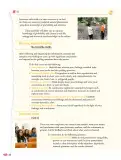
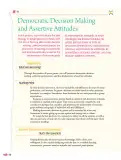
Finding the Cause

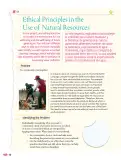
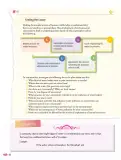
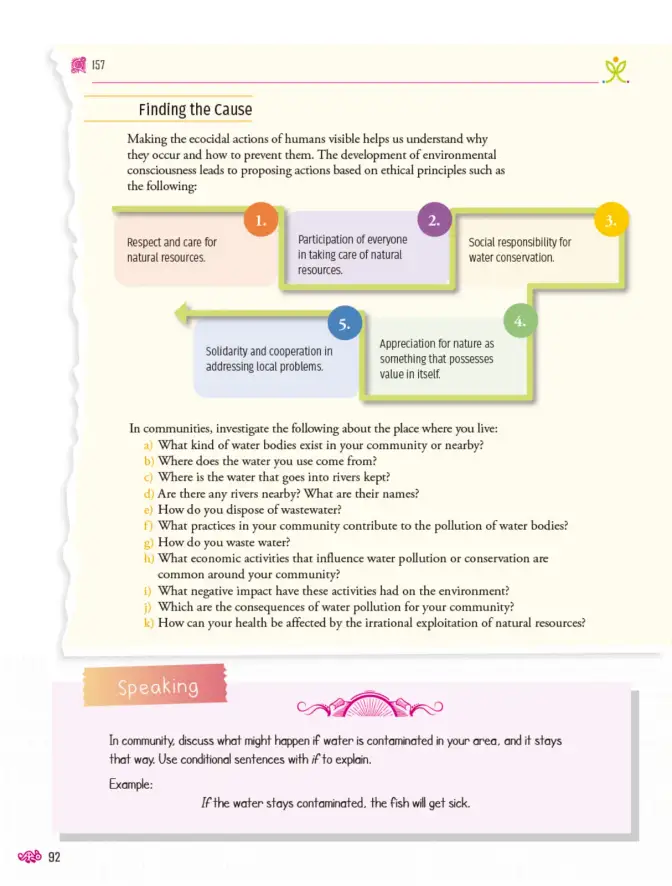
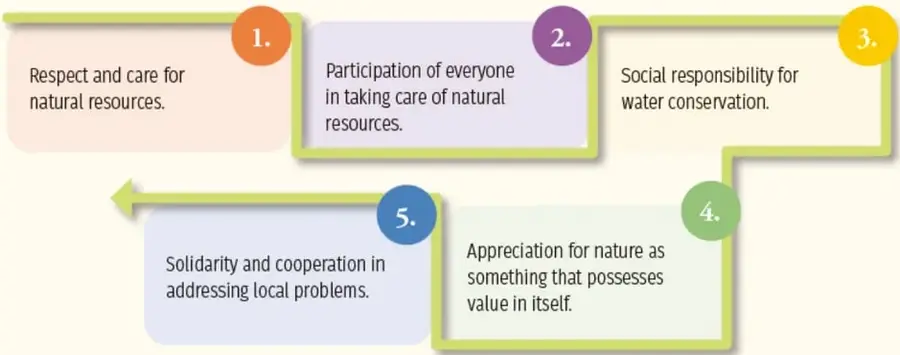
Making the ecocidal actions of humans visible helps us understand why they occur and how to prevent them. The development of environmental consciousness leads to proposing actions based on ethical principles such as the following:

  1. Respect and care for natural resources.
  2. Participation of everyone in taking care of natural resources.
  3. Social responsibility for water conservation.
  4. Appreciation for nature as something that possesses value in itself.
  5. Solidarity and cooperation in addressing local problems.

In communities, investigate the following about the place where you live:

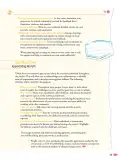
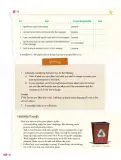
a) What kind of water bodies exist in your community or nearby? b) Where does the water you use come from? c) Where is the water that goes into rivers kept? d) Are there any rivers nearby? What are their names? e) How do you dispose of wastewater? f) What practices in your community contribute to the pollution of water bodies? g) How do you waste water? h) What economic activities that influence water pollution or conservation are common around your community? i) What negative impact have these activities had on the environment? j) Which are the consequences of water pollution for your community? k) How can your health be affected by the irrational exploitation of natural resources?

Speaking

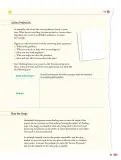
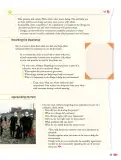
In community, discuss what might happen if water is contaminated in your area, and it stays that way. Use conditional sentences with if to explain.

Example:

If the water stays contaminated, the fish will get sick.

Ejemplos resueltos

If the water stays contaminated, the fish will get sick.

Oración condicional tipo 1: if + presente simple, will + verbo. Expresa una consecuencia real si la condición se cumple.

Diagrama

graph TD
    A[Environmental Consciousness] --> B[Respect and care for natural resources]
    A --> C[Participation of everyone]
    A --> D[Social responsibility for water conservation]
    A --> E[Appreciation for nature]
    A --> F[Solidarity and cooperation]

Glosario (6)

ecocidal
Que causa daño o destrucción al ecosistema.
environmental consciousness
Conciencia ambiental; conocimiento y preocupación por el cuidado del medio ambiente.
water bodies
Cuerpos de agua; masas de agua como ríos, lagos, lagunas o mares.
wastewater
Aguas residuales; agua que ha sido usada y contiene contaminantes.
irrational exploitation
Explotación irracional; uso excesivo e insostenible de los recursos naturales.
conditional sentences
Oraciones condicionales; estructuras que expresan una condición y su consecuencia, usando if.

Preguntas para practicar

What kind of water bodies exist in your community or nearby?

Ríos, arroyos, lagunas, presas o pozos, dependiendo de la región.

Where does the water you use come from?

De pozos, manantiales, ríos o del sistema municipal de agua potable.

Where is the water that goes into rivers kept?

En cuencas hidrográficas, presas, lagunas y mantos acuíferos.

Are there any rivers nearby? What are their names?

Sí, se deben mencionar los nombres reales de los ríos locales.

How do you dispose of wastewater?

Mediante drenaje, fosas sépticas o vertido directo a ríos y barrancas.

What practices in your community contribute to the pollution of water bodies?

Arrojar basura, verter aceites y detergentes, usar agroquímicos sin control.

How do you waste water?

Dejando llaves abiertas, regando en horas de sol, con fugas en tuberías.

What economic activities that influence water pollution or conservation are common around your community?

Agricultura, ganadería, industria, minería y turismo.

What negative impact have these activities had on the environment?

Contaminación de ríos, pérdida de biodiversidad, erosión y enfermedades.

Which are the consequences of water pollution for your community?

Escasez de agua potable, enfermedades, muerte de peces y conflictos por el agua.

How can your health be affected by the irrational exploitation of natural resources?

Exposición a metales pesados, pesticidas y bacterias que causan enfermedades.

Temas y conceptos clave

Conciencia ambientalConservación del aguaInvestigación comunitariaOraciones condicionales con ifEcocidal actionsEnvironmental consciousnessEthical principlesWater bodiesWastewaterWater pollutionConditional sentences
¿Te fue útil esta página?

Figuras de la página (2)

Diagrama de flujo con cinco principios éticos numerados del 1 al 5: respeto y cuidado de recursos naturales, participación de todos, responsabilidad social para la conservación del agua, aprecio por la naturaleza y solidaridad y cooperación.
Figura 1 image
Figura 2 de Uérakua anapu uantakua. Projects and Readings.  Libro de Educación Telesecundaria Grado 2°  Ciclo Escolar 2025 - 2026
Figura 2 image

Preguntas que la gente también hace

¿Qué son las oraciones condicionales con if en inglés?
Consulta la solución completa arriba o explora el libro entero para temas relacionados.
¿Cómo puedo investigar sobre el agua en mi comunidad?
Consulta la solución completa arriba o explora el libro entero para temas relacionados.
¿Cuáles son las consecuencias de la contaminación del agua?
Consulta la solución completa arriba o explora el libro entero para temas relacionados.
📌 Antes de leer esto
  • • Vocabulario básico sobre el agua y el medio ambiente en inglés
  • • Uso del presente simple y futuro simple (will)
  • • Estructura de oraciones condicionales tipo 1 (if + presente, will + verbo)
Siguiente tema sugerido
Water Pollution: Causes and Solutions
📝 Transcripción de la página (texto seleccionable) 1348 caracteres

Finding the Cause

Making the ecocidal actions of humans visible helps us understand why they occur and how to prevent them. The development of environmental consciousness leads to proposing actions based on ethical principles such as the following:

a)What kind of water bodies exist in your community or nearby?

b) Where does the water you use come from?

c) Where is the water that goes into rivers kept?

d) Are there any rivers nearby? What are their names?

e) How do you dispose of wastewater?

f)What practices in your community contribute to the pollution of water bodies?g)How do you waste water?

h)What economic activities that influence water pollution or conservation are common around your community?

D What negative impact have these activities had on the environment?

)Which are the consequences of water pollution for your community?

k) How can your health be affected by the irrational exploitation of natural resources?

Speaking

In community, discuss what might happen if water is contaminated in your area, and it stays that way. Use conditional sentences with if to explain.

Example:

If the water stays contaminated, the fish will get sick.

0157

災

![](page=0,bbox=[199, 359, 1138, 729])

In communities, investigate the following about the place where you live:

![](page=0,bbox=[532, 1243, 800, 1294])

s

92

Ad

Otros libros recomendados

Ver todos →
Ad

Usamos cookies propias y de terceros para personalizar contenido, mostrar publicidad y analizar el tráfico. Las cookies necesarias siempre están activas.