














Saltar al contenido
MisLibrosTexto
Ad

El arte como expresión individual, comunitaria y de lucha social

📄 ejercicios lengua-y-literatura 🎓 otro · 3° TELESECUNDARIA México 🇲🇽 MX 🗣 Español
Página 53
53 de 187
Página 53 de Uérakua anapu uantakua. Projects and Readings.  Libro de Educación Telesecundaria Grado 3°  Ciclo Escolar 2025 - 2026
Anterior Página 53 / 187 Siguiente

Respuesta rápida

  1. Retratos de mujeres artistas. 2) Respuesta personal razonada. 3a) Sin arte no hay memoria ni crítica. 3b) Expresión individual y conciencia social. 4) Ejemplo: Siqueiros, muralismo, México posrevolucionario, explotación y represión.
📚 exercise lengua-y-literatura ⭐⭐ Dificultad 2/5 ⏱ 6 min lectura

Solución — Página 53

Uérakua anapu uantakua. Projects and Readings. Libro de Educación Telesecundaria Grado 3° Ciclo Escolar 2025 - 2026

1
Ejercicio 1

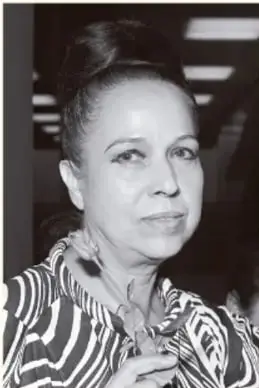
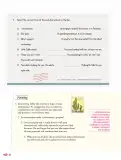
Individually, without forgetting that you are part of a community, observe the following pictures and talk about them with your classmates.

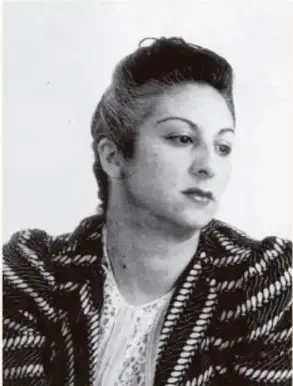
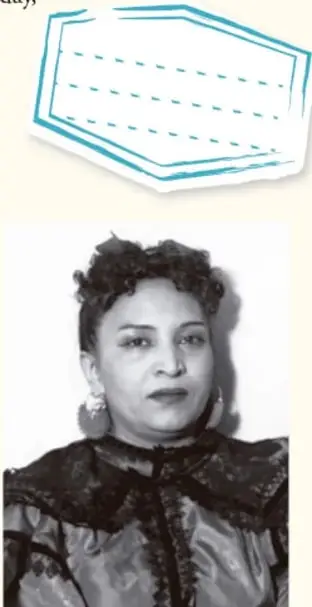
  1. Las tres imágenes son retratos fotográficos en blanco y negro de mujeres artistas: una con chaqueta de rayas y cabello recogido, otra con blusa estampada y collar, y una tercera con blusa de encaje oscuro y aretes grandes.
  2. Se observan rasgos de época (peinados, vestuario, iluminación de estudio) que remiten al siglo XX.
  3. Al comentarlas con la comunidad se pueden plantear preguntas: ¿quiénes son?, ¿qué arte practicaron?, ¿por qué sus rostros transmiten fuerza y dignidad?

Respuesta orientativa: Las imágenes muestran a mujeres artistas que, con su presencia y obra, representan la diversidad cultural y el papel de la mujer en el arte. Observarlas invita a reconocer que el arte también es memoria, identidad y comunidad.
2
Ejercicio 2

In assembly, talk about what form of art (music, sculpture, painting, or literature) you like the most, which one you would like to try someday, and explain your reasons.

  1. Identifica tu forma artística favorita entre música, escultura, pintura o literatura.
  2. Piensa en una que aún no hayas practicado y que despierte tu curiosidad.
  3. Explica tus razones con ejemplos concretos: emociones que provoca, artistas que admiras, materiales o técnicas que te atraen.

Respuesta orientativa: Me gusta la música porque expresa emociones sin necesidad de palabras; me gustaría intentar la escultura para dar forma con las manos a una idea y comprender el volumen y la textura de los materiales.

3
Ejercicio 3

Discuss the following:

a
Parte 3.a

What would happen to the world if there were no art?

  1. El arte cumple funciones de expresión, identidad, crítica y cohesión social.
  2. Sin arte se perderían la memoria cultural, la creatividad y los lenguajes simbólicos que comunican lo que las palabras no alcanzan.
  3. La vida cotidiana quedaría reducida a lo utilitario, sin belleza ni cuestionamiento.
Respuesta

Un mundo sin arte sería un mundo sin memoria, sin imaginación y sin formas de denuncia; la cultura y la convivencia humana se empobrecerían profundamente.

b
Parte 3.b

What does art represent for human beings worldwide, as individuals, and in the social context?

  1. Como individuos, el arte es un medio de expresión personal y de autoconocimiento.
  2. En lo social, construye identidad colectiva, transmite valores y permite criticar injusticias.
  3. A escala mundial, conecta culturas distintas y documenta la historia de los pueblos.
Respuesta

El arte representa la voz íntima de la persona y, a la vez, el espejo y la conciencia crítica de la sociedad.

Ad
4
Ejercicio 4

In communities, with the help of your teacher, research in different information sources, such as books, magazines, the internet or museums, what artistic manifestations express a problem, a social or political struggle, or disapproval. The information gathered must mention the following:

a
Parte 4.a

The author or chosen exponent

Respuesta

Por ejemplo, el muralista mexicano David Alfaro Siqueiros.

b
Parte 4.b

Type of artistic manifestation that he/she carried out

Respuesta

Muralismo, pintura de gran formato con técnicas como el fresco y la piroxilina.

c
Parte 4.c

Historical context where he/she worked

Respuesta

México posrevolucionario de las décadas de 1920 a 1940, periodo de reconstrucción nacional y reivindicación social.

d
Parte 4.d

The situation shown by the artist with his/her work

Respuesta

La explotación de los trabajadores, la desigualdad y la represión política.

e
Parte 4.e

Description of examples of social or political struggles in his/her works

Respuesta

En "El tormento de Cuauhtémoc" y "La marcha de la humanidad" denuncia la opresión y llama a la unidad de los pueblos; en "Nueva democracia" representa la lucha por la libertad y la justicia social.

Contenido de la página

  1. Individually, without forgetting that you are part of a community, observe the following pictures and talk about them with your classmates.

  2. In assembly, talk about what form of art (music, sculpture, painting, or literature) you like the most, which one you would like to try someday, and explain your reasons.

  3. Discuss the following:

a) What would happen to the world if there were no art?

b) What does art represent for human beings worldwide, as individuals, and in the social context?

  1. In communities, with the help of your teacher, research in different information sources, such as books, magazines, the internet or museums, what artistic manifestations express a problem, a social or political struggle, or disapproval. The information gathered must mention the following:

a) The author or chosen exponent

b) Type of artistic manifestation that he/she carried out

c) Historical context where he/she worked

d) The situation shown by the artist with his/her work

e) Description of examples of social or political struggles in his/her works

Glosario (5)

assembly
reunión o asamblea del grupo para dialogar
artistic manifestation
forma concreta en que se expresa el arte
exponent
autor o representante destacado de una corriente artística
disapproval
desaprobación o rechazo expresado ante una situación
social or political struggle
lucha social o política por derechos y justicia

Preguntas para practicar

What would happen to the world if there were no art?

El mundo perdería memoria, creatividad y formas de crítica social; la convivencia se reduciría a lo utilitario.

What does art represent for human beings worldwide, as individuals, and in the social context?

Para el individuo es expresión y autoconocimiento; para la sociedad, identidad, valores y denuncia; para el mundo, puente entre culturas.

Temas y conceptos clave

El arte como expresión individual y comunitariaFormas de arte: música, escultura, pintura y literaturaArte y denuncia social o políticaartecomunidadexpresióndenuncia socialcontexto históricomanifestación artística

Fuentes y referencias

  • Libros, revistas, internet y museos sugeridos en la actividad 4
¿Te fue útil esta página?

Figuras de la página (4)

Retrato en blanco y negro de una mujer con chaqueta de rayas y cabello recogido, mirando de perfil.
Figura 1 image
Retrato en blanco y negro de una mujer con blusa estampada y collar, mirando de frente.
Figura 2 image
Retrato en blanco y negro de una mujer con blusa de encaje oscuro y aretes grandes.
Figura 3 image
Recuadro hexagonal con líneas punteadas para escribir.
Figura 4 image

Preguntas que la gente también hace

¿Qué pasaría en el mundo si no existiera el arte?
Consulta la solución completa arriba o explora el libro entero para temas relacionados.
¿Cómo el arte puede denunciar problemas sociales o políticos?
Consulta la solución completa arriba o explora el libro entero para temas relacionados.
¿Qué artistas han usado su obra para expresar luchas sociales?
Consulta la solución completa arriba o explora el libro entero para temas relacionados.
📌 Antes de leer esto
  • • Vocabulario básico en inglés sobre arte y sociedad
  • • Nociones de expresión oral y debate
  • • Conocimiento general de corrientes artísticas
Siguiente tema sugerido
El arte como herramienta de transformación social: análisis de obras y creación de un mensaje propio
📝 Transcripción de la página (texto seleccionable) 1196 caracteres
  1. Individually, without forgetting that you are part of a community, observe the following pictures and talk about them with your classmates.

  2. In assembly, talk about what form of art (music, sculpture, painting, or literature) you like the most, which and explain your reasons.

3. Discuss the following:

a) What would happen to the world if there were no art?

b) What does art represent for human beings worldwide, as individuals, and in the social context?

  1. In communities, with the help of your teacher, research in different information sources, such as books, magazines, the internet or museums, what artistic manifestations express a problem, a social or political struggle, or disapproval. The information gathered must mention the following:a) The author or chosen exponent

b) Type of artistic manifestation that he/she carried out c) Historical context where he/she worked

d) The situation shown by the artist with his/her work

e) Description of examples of social or political struggles in his/her works

![](page=0,bbox=[170, 284, 463, 670])

![](page=0,bbox=[809, 388, 1121, 995])

![](page=0,bbox=[509, 464, 768, 852])

![](page=0,bbox=[900, 1203, 1033, 1340])

A

52

Ad

Otros libros recomendados

Ver todos →
Ad

Usamos cookies propias y de terceros para personalizar contenido, mostrar publicidad y analizar el tráfico. Las cookies necesarias siempre están activas.